When your Honda Civic suddenly refuses to start, the first question that comes to mind is often, “How much will this repair cost?” A failing starter can leave you stuck in an inconvenient situation, especially when the engine does not respond even though your dashboard lights and electrical systems still work. Understanding the Honda Civic Starter Replacement Cost before visiting a repair shop can help you avoid unnecessary expenses and make a smarter decision.
The starter motor plays an essential role in your vehicle’s ignition process by turning the engine over when you start the car. Over time, wear and electrical problems can cause the starter to lose performance, resulting in clicking sounds, slow cranking, or complete starting failure.
The actual cost of replacing a Honda Civic starter depends on several factors, including the vehicle’s model year, the type of replacement part, labor rates, and whether you choose an original equipment manufacturer part or an aftermarket option. This guide explains everything you need to know about Honda Civic starter replacement costs, common failure symptoms, repair choices, and how to select the right solution for your vehicle.
By understanding these factors, you can diagnose problems more confidently and determine whether replacing your starter is the best option for keeping your Honda Civic reliable on the road.
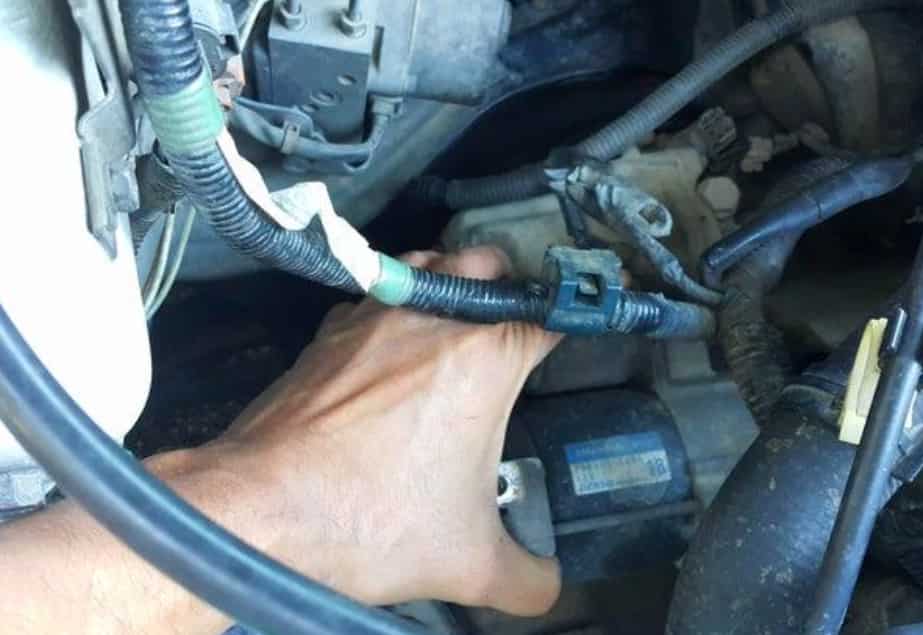
How Much Does a Honda Civic Starter Replacement Cost?
The average Honda Civic starter replacement cost can vary depending on several factors, including the vehicle’s model year, replacement part quality, and labor rates in your area. In most cases, Honda Civic owners can expect to pay between $300 and $900 for a complete starter replacement, including both parts and labor. Some repairs may cost less when using aftermarket components, while dealership services with OEM parts can increase the total price.
The starter motor itself is usually the largest part of the expense. A new starter for a Honda Civic can range from around $150 to $500, depending on whether you choose an original equipment manufacturer part, aftermarket replacement, or remanufactured unit. Labor costs typically add another $100 to $400 because starter accessibility differs between Honda Civic generations and engine configurations.
Several factors can influence the final Honda Civic Starter Replacement Cost. Newer Civic models may require more complex installation procedures, while older models can sometimes have easier access to the starter location. Repair shops also charge different labor rates depending on their location, expertise, and service type.
Choosing the cheapest replacement option is not always the best decision. A low quality starter may fail sooner and create additional repair expenses in the future. Before replacing the starter, it is important to confirm that the starter motor is actually the cause of the problem because similar symptoms can also come from a weak battery, damaged electrical connections, or alternator issues.
Understanding the full cost breakdown helps Honda Civic owners prepare financially and choose a repair solution that balances reliability, performance, and long term value.
Common Signs Your Honda Civic Starter Needs Replacement
Recognizing the warning signs of a failing starter can help Honda Civic owners avoid unexpected breakdowns and expensive emergency repairs. A starter motor usually shows several symptoms before it completely stops working, giving drivers an opportunity to diagnose the issue and find the right solution.
One of the most common signs is a clicking sound when turning the key or pressing the engine start button. This usually happens when the starter solenoid cannot engage the motor properly. However, repeated clicking can also be caused by a weak battery, so testing the battery condition is an important step before replacing any components.
Another common symptom is when the engine does not crank even though the dashboard lights, radio, and other electrical systems are working normally. This often indicates that the starter motor is not receiving enough power or has internal mechanical damage. Drivers may also notice intermittent starting problems, where the vehicle starts normally one day but fails to respond the next.
Slow engine cranking is another warning sign that should not be ignored. A worn starter may struggle to turn the engine at the correct speed, especially during cold weather or after years of use. Grinding noises during startup can also indicate that the starter gear is not engaging properly with the engine flywheel.
It is important to separate starter problems from other electrical issues. A weak battery, faulty alternator, corroded connections, or ignition system problems can create similar symptoms. Proper diagnosis before a Honda Civic starter replacement ensures that you fix the real cause instead of spending money on unnecessary repairs.
Honda Civic Starter Replacement vs Starter Repair: Which Option Is Better?
When a Honda Civic starter begins to fail, many owners wonder whether repairing the existing unit is a better choice than replacing it completely. The right decision depends on the condition of the starter, the repair cost, and how long you plan to keep the vehicle.
Starter repair can be a suitable option when the problem is limited to a specific component, such as a faulty solenoid, worn electrical contact, or minor internal issue. In some cases, repairing the starter may reduce the upfront expense and allow the vehicle to return to normal operation without purchasing a new unit.
However, starter replacement is often the more practical solution when the motor has significant wear or has already reached the end of its expected service life. A completely new or high quality remanufactured starter can provide better reliability and reduce the risk of experiencing another starting failure shortly after repair.
The cost difference between repair and replacement should also be considered carefully. If the repair expense approaches the price of a replacement starter, investing in a new unit usually provides better long term value. This is especially important for Honda Civic owners who depend on their vehicle for daily commuting and want to avoid unexpected breakdowns.
Before choosing between repair and replacement, a professional diagnosis can help determine the actual condition of the starter. Replacing a starter that only needs a minor repair can waste money, while repeatedly repairing an old starter can lead to higher costs over time.
How Long Does a Honda Civic Starter Last?
The lifespan of a Honda Civic starter depends on several factors. These include driving habits, maintenance quality, battery health, and electrical system condition. In many cases, a starter motor can last between 100,000 and 150,000 miles before it needs replacement. However, some starters may fail sooner, while others can continue working for a longer period.
Every engine start puts stress on the starter motor. The starter uses electrical power to turn the engine and begin the combustion process. Over time, internal components such as the motor brushes, solenoid, and electrical contacts can wear out.
Driving patterns can also affect starter lifespan. Frequent short trips require more engine starts, which increases starter usage. Extreme temperatures can create additional stress because the starter needs more power to operate in difficult conditions.
The battery plays an important role in protecting the starter. A weak battery forces the starter to work harder during startup. This extra workload can increase wear and shorten the starter’s service life. Problems with electrical connections or the alternator can also affect starter performance.
Regular maintenance helps extend the life of your Honda Civic starter. Drivers should check battery condition, clean electrical connections, and investigate unusual starting problems early.
Understanding starter lifespan helps Honda Civic owners prepare for future repair costs. Replacing a worn starter before complete failure can prevent unexpected breakdowns and keep the vehicle dependable.
Can You Replace a Honda Civic Starter Yourself?
Many Honda Civic owners consider replacing the starter themselves to save money on repair costs. A DIY starter replacement can reduce labor expenses, but it requires proper tools, mechanical knowledge, and careful attention to safety. Before starting the job, you should understand the difficulty level and possible risks.
The starter replacement process involves working with the vehicle’s electrical system and removing components in a limited space. Basic knowledge of car repair can help, but beginners may find the process challenging. Access to the starter location can also vary depending on the Honda Civic model year and engine configuration.
A proper DIY repair usually requires tools such as a socket set, wrenches, a jack stand, and safety equipment. The first step involves disconnecting the battery to prevent electrical problems. After removing the old starter, you must install the replacement unit correctly and test the starting system.
Although DIY replacement can save money, mistakes can create additional repair costs. Incorrect wiring, loose connections, or improper installation can prevent the vehicle from starting. In some cases, the original problem may not come from the starter, which means replacing the part will not solve the issue.
Hiring a professional mechanic may be the better option for drivers without repair experience. A technician can diagnose the problem accurately and complete the installation safely. For many Honda Civic owners, paying for professional service provides peace of mind and helps avoid unnecessary complications.
Honda Civic Starter Replacement Process Explained
Understanding the Honda Civic starter replacement process helps vehicle owners know what happens during the repair. Although the exact procedure may vary between different model years, the general steps remain similar for most Honda Civic vehicles.
The mechanic usually begins by inspecting the starting system to confirm that the starter motor has failed. This step is important because a weak battery, damaged wiring, or alternator problems can create similar symptoms. Accurate diagnosis prevents unnecessary replacement costs.
After confirming the issue, the technician disconnects the battery to protect the electrical system. The starter motor connects directly to the vehicle’s power supply, so removing the battery connection reduces the risk of electrical damage during the repair.
The next step involves removing the old starter from its mounting position. The mechanic disconnects the electrical terminals and removes the bolts that hold the starter in place. After removing the damaged unit, the technician installs the replacement starter and reconnects all electrical connections.
Once the new starter is installed, the vehicle requires testing. The mechanic checks whether the engine starts correctly and confirms that the electrical system works properly. This final inspection helps identify installation problems before the vehicle returns to regular use.
A proper installation requires attention to detail because small mistakes can affect starter performance. Loose connections, incorrect wiring, or improper mounting can cause starting problems even with a new starter motor. Professional installation helps ensure reliable performance and reduces the chance of future issues.
Frequently Asked Questions About Honda Civic Starter Replacement
How much does Honda Civic starter replacement cost?
The Honda Civic Starter Replacement Cost usually ranges from $300 to $900, including parts and labor. The final price depends on the vehicle model year, starter quality, labor rates, and repair location.
How long does it take to replace a Honda Civic starter?
Most starter replacement jobs take between two and four hours. The exact time depends on the starter location, vehicle design, and the mechanic’s experience.
What are the symptoms of a bad Honda Civic starter?
Common signs include clicking sounds when starting the vehicle, slow engine cranking, intermittent starting problems, and a complete failure to crank. However, similar symptoms can also come from battery or electrical system problems.
Can a bad starter damage the battery?
A failing starter does not usually damage the battery directly. However, a weak starter can draw excessive electrical power and place extra stress on the battery and charging system.
Is replacing a Honda Civic starter worth it?
Replacing the starter is usually worth it when the vehicle remains reliable and the repair cost is lower than replacing the car. A quality replacement starter can restore dependable starting performance for many years.
How long does a new Honda Civic starter last?
A new starter can often last between 100,000 and 150,000 miles. Proper vehicle maintenance, a healthy battery, and a reliable electrical system can help extend its lifespan.
Conclusion
Understanding the Honda Civic Starter Replacement Cost helps vehicle owners make better repair decisions. The total expense depends on several factors, including the starter type, labor charges, and the condition of the vehicle’s electrical system.
A failing starter can create stressful situations, especially when the car refuses to start at an inconvenient time. Recognizing early warning signs allows drivers to address the problem before a complete failure occurs.
Choosing between starter repair and replacement requires careful consideration. Some owners may prefer a lower cost repair, while others may choose a new starter for better reliability and longer service life. Selecting the right replacement part, whether OEM, aftermarket, or remanufactured, also affects overall performance.
Regular maintenance and proper diagnosis remain the best ways to protect your Honda Civic starting system. If you notice unusual starting behavior, checking the starter condition early can help prevent larger repair expenses in the future.
A reliable starter keeps your Honda Civic ready for everyday driving. By understanding costs, symptoms, and replacement options, you can choose a solution that provides confidence and long term value.