The 3.6L Pentastar V6 is a reliable engine for most owners when it receives regular maintenance. Many vehicles equipped with this engine exceed 200,000 miles, and some reach 300,000 miles or more with consistent oil changes, timely cooling system service, and prompt repairs. However, reliability is not identical across every model year. Early versions are more likely to experience issues such as oil filter housing leaks, rocker arm wear, cylinder head defects, and cooling system failures, while later revisions incorporate design improvements that reduce many of these problems.
This guide provides a complete owner-focused evaluation of 3.6 Pentastar reliability. You’ll learn how long the engine typically lasts, the most common mechanical problems, which model years are worth buying or avoiding, expected maintenance costs, and the servicing practices that have the greatest impact on long-term durability. The article also compares the Pentastar with other popular naturally aspirated and turbocharged V6 engines to provide broader context for buyers considering multiple vehicles.
Whether you’re shopping for a used Jeep Wrangler, Ram 1500, Dodge Charger, Chrysler Pacifica, or already own a vehicle powered by the Pentastar V6, understanding its strengths and weaknesses will help you make better maintenance decisions, reduce unexpected repair costs, and maximize engine lifespan.
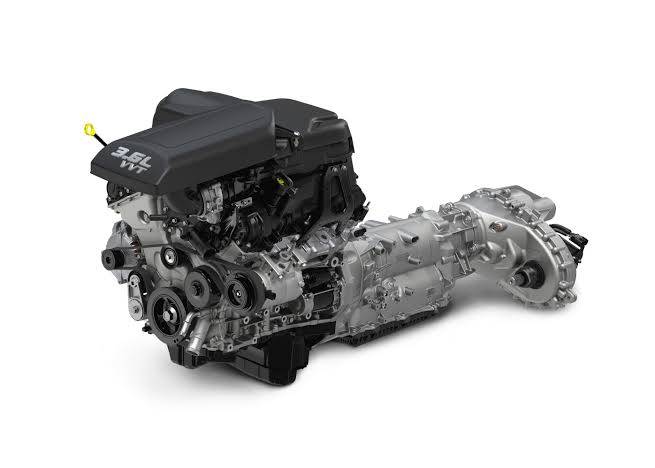
Is the 3.6 Pentastar a Reliable Engine?
Yes, the 3.6L Pentastar is considered a reliable V6 engine when it is maintained according to the manufacturer’s service schedule. Since its introduction in 2011, the Pentastar has powered millions of vehicles across the Jeep, Ram, Dodge, and Chrysler lineups. Its widespread adoption, long production run, and continued use in current models demonstrate that it has become one of Stellantis’ most successful naturally aspirated gasoline engines.
The engine’s reputation comes from its balanced design rather than exceptional performance in a single area. An aluminum block and cylinder heads reduce overall weight, dual overhead camshafts improve airflow, and variable valve timing optimizes power delivery across different engine speeds. Unlike turbocharged engines that operate under higher thermal and mechanical stress, the naturally aspirated Pentastar has fewer high-pressure components that can contribute to expensive long-term failures. As a result, many owners report dependable daily operation well beyond 200,000 miles with routine maintenance.
Reliability, however, depends heavily on the model year. Early production engines, particularly those built during the first several years, experienced a higher number of reported issues involving cylinder heads, rocker arms, and plastic oil filter housings. Stellantis gradually revised these components through multiple engineering updates, improving durability and reducing failure rates in later versions. Buyers evaluating a used vehicle should therefore consider both mileage and production year rather than judging every Pentastar engine equally.
Maintenance history has a greater impact on reliability than mileage alone. Engines that receive regular oil changes using the correct oil specification, cooling system inspections, and timely replacement of worn components generally remain dependable for many years. By contrast, neglected maintenance accelerates wear on valvetrain components, increases sludge formation, and raises the likelihood of costly repairs.
For most owners, the Pentastar delivers an excellent balance between reliability, performance, fuel economy, and maintenance costs. While it is not entirely free from known design weaknesses, the majority of common problems are well documented, diagnosable, and repairable before they develop into catastrophic engine damage.
How Long Does a 3.6 Pentastar Engine Last?
What mileage can owners realistically expect?
A properly maintained 3.6 Pentastar typically lasts between 200,000 and 300,000 miles. Engines that receive consistent preventive maintenance frequently exceed this range without requiring a complete rebuild. Actual lifespan depends less on a specific mileage target than on service history, operating conditions, and driving habits throughout the vehicle’s life.
Highway-driven vehicles generally experience slower engine wear than those used primarily for short urban trips. During long-distance driving, engine oil reaches its optimal operating temperature, moisture evaporates from the crankcase, and internal components remain lubricated under stable conditions. Frequent cold starts and repeated short trips, on the other hand, accelerate wear because the engine spends more time operating before reaching ideal temperature.
Which maintenance habits extend engine life?
Five maintenance practices have the greatest influence on Pentastar longevity.
Change engine oil at the recommended interval using oil that meets the manufacturer’s specifications. Clean oil minimizes friction, protects camshafts and rocker arms, and reduces sludge accumulation.
Inspect the oil filter housing regularly for leaks. The plastic housing can develop cracks over time due to repeated heat cycles. Detecting small leaks early prevents significant oil loss and reduces the risk of lubrication-related engine damage.
Maintain the cooling system by replacing coolant according to the maintenance schedule and monitoring the water pump and thermostat. Stable operating temperatures reduce thermal stress on aluminum engine components and help preserve head gasket integrity.
Replace spark plugs at the recommended mileage. Worn spark plugs increase ignition stress, reduce fuel efficiency, and may contribute to misfires that place additional strain on the engine.
Address abnormal engine noises immediately. Ticking sounds from the valvetrain may indicate worn rocker arms or roller lifters. Early diagnosis often limits repair costs by preventing damage to the camshaft.
What factors shorten the engine’s lifespan?
Delayed maintenance is the leading cause of premature Pentastar engine wear. Extending oil change intervals, ignoring oil leaks, allowing the engine to overheat, or continuing to drive after unusual mechanical noises appear significantly increases the likelihood of expensive repairs.
Poor-quality replacement parts can also reduce long-term reliability. Components such as oil filter housings, water pumps, thermostats, and ignition parts vary considerably in manufacturing quality. Using reputable OEM or high-quality aftermarket parts generally improves durability and reduces repeat failures.
Driving style also affects engine longevity. Frequent hard acceleration before the engine reaches operating temperature, repeated towing beyond recommended limits, and aggressive driving under heavy loads increase thermal and mechanical stress. Drivers who combine conservative driving habits with preventive maintenance typically achieve the longest service life from the 3.6 Pentastar.
What Are the Most Common 3.6 Pentastar Problems?
The five most common 3.6 Pentastar problems are oil filter housing leaks, rocker arm and lifter failure, cylinder head defects on early engines, cooling system failures, and timing chain wear. These issues do not affect every engine, but they appear frequently enough that buyers and owners should understand their symptoms and repair costs. Identifying these problems early usually prevents secondary engine damage and significantly lowers ownership costs.
Why does the oil filter housing leak?
Oil filter housing failure is the most frequently reported Pentastar reliability issue. The engine uses a plastic oil filter housing and oil cooler assembly mounted in the engine valley between the cylinder banks. This location exposes the housing to continuous heating and cooling cycles. Over time, the plastic material becomes brittle and develops cracks around the housing or integrated oil cooler.
The first signs usually include small oil spots under the vehicle, a burning oil smell after driving, or oil collecting on top of the engine block. Because the housing sits beneath the intake manifold, leaking oil often flows into areas that are difficult to inspect, causing the leak to remain unnoticed until it becomes severe.
Ignoring this problem can lead to gradual oil loss and insufficient lubrication. Low oil pressure accelerates wear on camshafts, rocker arms, timing components, and other internal engine parts. A minor leak that costs relatively little to repair can eventually contribute to repairs worth several thousand dollars if lubrication is compromised.
Replacing the complete oil filter housing assembly permanently resolves the issue in most cases. Many repair shops recommend installing an upgraded aluminum housing instead of another plastic unit because aluminum better withstands repeated heat cycles and is less likely to crack over the long term.
Why do rocker arms and lifters fail?
Rocker arm bearing wear is one of the most expensive mechanical failures that can affect the Pentastar engine. Each rocker arm contains small roller bearings that reduce friction between the camshaft lobes and the engine valves. As these bearings wear, they no longer rotate smoothly, allowing excessive metal-to-metal contact with the camshaft.
The earliest symptom is normally a rhythmic ticking noise that becomes more noticeable at idle or during cold starts. Some vehicles also experience rough idle, reduced engine performance, misfire diagnostic codes, or an illuminated check engine light. Continuing to drive after these symptoms appear increases the likelihood that the worn roller damages the camshaft lobe.
Once camshaft damage occurs, repair costs increase substantially because both the rocker arms and the camshaft often require replacement. Addressing the problem when the ticking first appears typically limits the repair to fewer components and reduces labor costs.
Regular oil changes play an important role in preventing premature rocker arm wear. Clean engine oil maintains proper lubrication for the roller bearings, while extended oil change intervals allow contaminants to circulate through the valvetrain and accelerate bearing deterioration.
Does the Pentastar develop cylinder head problems?
Certain early Pentastar engines experienced cylinder head defects that caused valve seat failure and engine misfires. The issue primarily affected some early production engines manufactured during the first years of Pentastar production. Later engines received revised cylinder head designs that significantly reduced the occurrence of this problem.
A damaged cylinder head commonly produces persistent misfires on one cylinder, rough engine operation, reduced acceleration, and a check engine light. Diagnostic scans frequently identify repeated misfire codes that remain even after replacing spark plugs or ignition coils.
The root cause involves premature wear around the valve seat area inside the cylinder head. As sealing efficiency decreases, combustion pressure escapes, reducing engine compression and affecting performance. Repair generally requires replacing the affected cylinder head rather than performing simple maintenance.
Buyers considering an early Pentastar-powered vehicle should verify whether the cylinder head has already been replaced under warranty or repaired by a qualified technician. A documented repair history substantially reduces the likelihood of encountering this issue again.
Which cooling system failures occur most often?
Water pump and thermostat failures are the most common cooling system problems affecting the Pentastar. These components regulate engine operating temperature, and failure of either part can quickly lead to overheating if left unresolved.
A failing water pump may produce coolant leaks near the front of the engine, grinding noises from worn bearings, or rising engine temperatures during extended driving. A faulty thermostat may become stuck open or closed, causing slow engine warm-up, unstable coolant temperatures, or overheating under load.
Aluminum engines are particularly sensitive to excessive heat. Repeated overheating increases the risk of warped cylinder heads, damaged head gaskets, and accelerated wear throughout the engine. Repairing a leaking water pump or malfunctioning thermostat early is considerably less expensive than rebuilding an overheated engine.
Routine coolant replacement also contributes to long-term reliability. Fresh coolant maintains corrosion protection inside the cooling passages and helps preserve the water pump, radiator, and thermostat throughout the engine’s service life.
Are timing chain issues common?
Timing chain problems are less common than oil housing or rocker arm failures, but they can occur on high-mileage engines or poorly maintained vehicles. Unlike timing belts, timing chains are designed to last much longer, yet they still depend on clean engine oil to minimize wear on the chain, guides, and hydraulic tensioners.
Symptoms of timing chain wear include rattling noises during startup, inconsistent engine timing, reduced performance, and engine fault codes related to camshaft or crankshaft position correlation. These warning signs should never be ignored because excessive chain stretch can affect valve timing and engine efficiency.
Premature timing chain wear is often linked to neglected oil maintenance rather than an inherent design flaw. Dirty or degraded oil reduces the effectiveness of hydraulic chain tensioners, allowing additional slack to develop within the timing system over time.
Most owners who follow recommended oil service intervals never experience major timing chain repairs. For vehicles with high mileage, periodic inspection of engine noise and diagnostic data provides an effective way to detect developing timing system issues before extensive damage occurs.
Which 3.6 Pentastar Model Years Should You Buy or Avoid?
Which early model years have the most reported issues?
The 2011–2013 Pentastar engines are generally considered the least reliable model years. These early production engines experienced the highest number of reported problems involving cylinder heads, rocker arms, and plastic oil filter housings. Although not every engine developed these failures, the frequency was noticeably higher than in later versions.
One of the most significant issues involved premature cylinder head failure on the left cylinder bank. Affected engines often developed persistent misfires, rough idle, reduced power, and illuminated check engine lights. Chrysler responded by revising the cylinder head design and replacing affected components on many vehicles under warranty.
Early engines also used the first generation of several plastic components that proved less durable after years of repeated heat cycles. Oil filter housings became susceptible to cracking, while some valvetrain components demonstrated higher wear rates than expected. As these vehicles accumulate higher mileage today, deferred maintenance can further increase the likelihood of expensive repairs.
Buying an early Pentastar is not necessarily a poor decision, but buyers should verify whether major reliability-related repairs have already been completed. A documented service history showing replacement of the cylinder head, oil filter housing, or rocker arms often provides greater confidence than mileage alone.
Which updated versions are the most reliable?
Most automotive technicians consider 2016 and newer Pentastar engines significantly more reliable than the earliest versions. By this stage, Stellantis had introduced multiple engineering improvements based on field experience collected during the engine’s first years of production.
Updated cylinder heads reduced the likelihood of valve seat failures, while improvements to manufacturing quality helped improve long-term durability across the valvetrain. Although oil filter housing leaks and rocker arm wear can still occur, they generally appear less frequently than on early production engines.
The second-generation Pentastar introduced for selected applications received additional refinements, including upgraded variable valve timing calibration, improved cooling efficiency, and reduced internal friction. These revisions were designed not only to improve performance and fuel economy but also to enhance long-term durability.
For buyers searching for a used vehicle, a newer Pentastar with complete maintenance records is usually a safer investment than an older engine with lower mileage but an unknown service history.
How did Chrysler improve the Pentastar over time?
The Pentastar became more reliable because Chrysler continuously updated components instead of redesigning the entire engine. This continuous improvement strategy allowed engineers to eliminate recurring weaknesses while preserving the engine’s proven architecture.
Several revisions focused on strengthening the valvetrain. Improved rocker arms, updated lifters, and revised cylinder heads reduced mechanical wear and addressed many of the failures reported during the earliest production years.
Cooling system refinements also improved long-term reliability. Better thermal management reduced stress on aluminum engine components, while calibration updates optimized engine operating temperatures under varying driving conditions.
Software updates contributed as well. Engine control module calibrations improved fuel delivery, ignition timing, idle stability, and emissions performance. Although these changes were less visible than mechanical revisions, they helped reduce unnecessary engine stress throughout normal operation.
The result is an engine that has matured considerably since its original launch. While no gasoline engine is completely free from mechanical failures, the latest Pentastar versions demonstrate a stronger long-term reliability record than their earliest predecessors.
How Much Does It Cost to Maintain a 3.6 Pentastar?
What routine maintenance should owners expect?
Routine maintenance costs for the 3.6 Pentastar remain competitive compared with other naturally aspirated V6 engines. Most scheduled services involve standard wear items rather than specialized components, making long-term ownership relatively affordable.
Engine oil and filter changes represent the most important maintenance item. Using high-quality oil that meets the manufacturer’s specification protects the timing system, camshafts, rocker arms, and hydraulic lifters from premature wear. Many experienced technicians recommend avoiding extended oil change intervals, particularly for vehicles that frequently operate in heavy traffic or tow trailers.
Spark plugs require replacement at scheduled intervals to maintain efficient combustion and reduce ignition system stress. Air filters, engine coolant, serpentine belts, transmission fluid, and brake fluid should also be replaced according to the manufacturer’s maintenance schedule. Performing these services on time helps prevent larger mechanical failures that are significantly more expensive to repair.
Periodic inspections are equally important. Checking for coolant leaks, oil seepage, unusual engine noises, and diagnostic trouble codes during routine servicing allows owners to identify developing problems before they affect major engine components.
Which repairs are the most expensive?
Valvetrain repairs are typically the most expensive non-catastrophic repairs on the Pentastar engine. Replacing worn rocker arms, roller lifters, or damaged camshafts requires substantial labor because technicians must remove multiple upper engine components to access the valvetrain.
Cylinder head replacement also ranks among the highest-cost repairs. Although this issue primarily affects certain early production engines, repairing or replacing a damaged cylinder head requires significant labor and precision because the top portion of the engine must be disassembled and reassembled to factory specifications.
Oil filter housing replacement is considerably less expensive than major internal engine repairs, but delaying this repair increases overall ownership costs. A relatively inexpensive oil leak can eventually lead to lubrication problems that damage internal engine components if ignored.
Cooling system repairs generally fall into the moderate-cost category. Replacing a water pump or thermostat is far less expensive than repairing engine damage caused by repeated overheating. Preventive maintenance therefore offers a substantially better financial outcome than reactive repairs.
How much does long-term ownership typically cost?
Long-term ownership costs depend more on preventive maintenance than on inherent engine design. Owners who consistently perform scheduled maintenance usually spend far less over the life of the engine than those who postpone servicing until mechanical failures occur.
A well-maintained Pentastar often delivers several years of reliable operation with only routine maintenance expenses. Conversely, neglected oil changes, ignored coolant leaks, or delayed diagnosis of abnormal engine noises frequently result in multiple repairs occurring within a short period, dramatically increasing ownership costs.
When compared with many modern turbocharged engines, the naturally aspirated Pentastar generally avoids expenses associated with turbochargers, intercoolers, high-pressure boost systems, and other forced-induction components. This simpler mechanical layout contributes to predictable maintenance costs throughout the engine’s service life.
For most owners, investing in preventive maintenance provides the highest return. Spending modest amounts on scheduled servicing is significantly less expensive than replacing major engine components after avoidable mechanical failures occur.
How Can You Make a 3.6 Pentastar Last Longer?
Which maintenance schedule works best?
Following a preventive maintenance schedule is the most effective way to maximize 3.6 Pentastar reliability. While the engine is capable of lasting well beyond 200,000 miles, achieving that lifespan depends on servicing critical components before they fail rather than after symptoms appear.
Engine oil should always meet the viscosity and specification recommended by the manufacturer. Many experienced Pentastar owners shorten oil change intervals compared to the maximum interval listed in the owner’s manual, especially if the vehicle frequently tows, idles in traffic, or operates in dusty environments. Fresh oil minimizes friction throughout the valvetrain and helps protect the timing chain, camshafts, rocker arms, and hydraulic lifters.
The cooling system should also receive regular attention. Periodic coolant replacement, inspection of coolant hoses, and early replacement of worn thermostats or water pumps reduce the risk of overheating. Because the Pentastar uses aluminum cylinder heads, preventing excessive engine temperatures is essential for maintaining long-term durability.
Routine inspections should include checking for oil leaks around the oil filter housing, monitoring coolant levels, inspecting accessory belts, and scanning the engine control module for stored diagnostic trouble codes. Detecting small issues during routine servicing is significantly less expensive than repairing major engine damage later.
Which driving habits reduce engine wear?
Driving habits directly influence the service life of the Pentastar engine. Smooth acceleration, gradual engine warm-up, and consistent highway driving generally produce less mechanical stress than repeated aggressive acceleration and frequent short trips.
Cold starts create the highest wear rate because engine oil has not yet fully circulated through internal components. Allowing the engine to stabilize briefly before heavy acceleration helps improve lubrication and reduces unnecessary stress on the camshafts, bearings, and valvetrain.
Avoiding repeated high-RPM operation also contributes to longer engine life. Although the Pentastar is designed to operate safely throughout its rev range, continuous aggressive driving increases heat generation and accelerates wear on moving components.
Drivers who tow trailers should follow the manufacturer’s towing recommendations and maintain the cooling system carefully. Additional engine load produces higher operating temperatures, making proper coolant circulation and timely maintenance even more important.
Which warning signs should never be ignored?
Early diagnosis prevents most expensive Pentastar repairs. Owners should investigate unusual symptoms immediately instead of waiting for the problem to worsen.
Persistent ticking noises from the upper engine often indicate rocker arm or lifter wear. Repairing these components before camshaft damage develops usually reduces repair costs and limits the number of replacement parts required.
Oil spots beneath the vehicle or the smell of burning oil frequently indicate a leaking oil filter housing. Because oil can accumulate beneath the intake manifold, even a small leak deserves prompt inspection.
An overheating engine should never continue operating. Rising coolant temperatures may indicate a failing thermostat, water pump, coolant leak, or restricted cooling system. Continuing to drive an overheated aluminum engine significantly increases the risk of warped cylinder heads and head gasket failure.
An illuminated check engine light should also be diagnosed without delay. Many Pentastar issues produce diagnostic trouble codes long before noticeable drivability problems develop, allowing relatively inexpensive repairs before more extensive damage occurs.
Which Vehicles Use the 3.6 Pentastar Engine?
The 3.6 Pentastar powers a wide range of Jeep, Ram, Dodge, and Chrysler vehicles, making it one of the most widely used V6 engines produced by Stellantis. Its versatility allows it to serve family minivans, muscle cars, pickup trucks, and off-road SUVs while maintaining a similar mechanical design across different applications.
Jeep has used the Pentastar extensively in models such as the Wrangler, Grand Cherokee, Gladiator, Cherokee, and previous generations of the Grand Wagoneer. In these vehicles, the engine is valued for its broad torque curve, dependable off-road performance, and relatively simple naturally aspirated design.
Ram has installed the Pentastar in the 1500 pickup and ProMaster commercial van. In light-duty truck applications, the engine provides a balance between towing capability, fuel efficiency, and lower maintenance costs compared with larger V8 engines.
Dodge applications include the Charger, Challenger, Durango, and Journey. Depending on the vehicle, the Pentastar serves as either the standard engine or an alternative to higher-performance V8 options, delivering respectable acceleration with lower ownership costs.
Chrysler has equipped the 300 sedan, Pacifica, Voyager, and previous Town & Country models with the Pentastar. In family-oriented vehicles, the engine prioritizes smooth power delivery, quiet operation, and long-term reliability during everyday driving.
Although the engine architecture remains largely consistent across these vehicles, reliability can vary slightly because cooling capacity, transmission calibration, vehicle weight, towing frequency, and maintenance history all influence long-term durability.
How Does the 3.6 Pentastar Compare with Other V6 Engines?
3.6 Pentastar vs Toyota 3.5 V6
Toyota’s 3.5-liter V6 generally earns a stronger reliability reputation, while the Pentastar offers lower ownership complexity and broad parts availability. Toyota’s 2GR engine family has demonstrated exceptional long-term durability with relatively few widespread design issues. The Pentastar, however, remains competitive by offering simpler naturally aspirated performance and comparatively affordable maintenance.
For buyers prioritizing maximum long-term reliability, Toyota retains a slight advantage. Buyers seeking a capable domestic V6 with extensive aftermarket support and lower purchase prices often find the Pentastar an attractive alternative.
3.6 Pentastar vs Ford 3.5 EcoBoost
The Pentastar is mechanically simpler than Ford’s twin-turbocharged 3.5 EcoBoost. The EcoBoost produces substantially greater horsepower and torque, particularly for towing and heavy-duty applications, but it also incorporates turbochargers, intercoolers, additional plumbing, and higher combustion pressures.
Because the Pentastar lacks forced induction, it avoids many turbo-related maintenance concerns. Owners prioritizing long-term simplicity often prefer the Pentastar, while those requiring higher towing performance may favor the EcoBoost despite its greater mechanical complexity.
3.6 Pentastar vs GM 3.6 LGX
Both engines deliver similar performance, but they differ in maintenance characteristics. GM’s 3.6-liter V6 has evolved considerably over multiple generations, addressing earlier timing chain concerns through continuous engineering improvements.
The Pentastar’s most recognized issues involve rocker arms and oil filter housings, whereas GM’s V6 has historically been associated with timing chain wear in certain earlier variants. Both engines are capable of exceeding 200,000 miles when properly maintained, making maintenance history a more meaningful purchasing factor than engine design alone.
For used vehicle buyers, documented maintenance records remain the strongest indicator of future reliability regardless of which V6 engine is under the hood.
Is a High-Mileage 3.6 Pentastar Worth Buying?
Yes, a high-mileage 3.6 Pentastar can be a worthwhile purchase if it has been properly maintained. Mileage alone does not determine engine condition. A well-documented service history and evidence of preventive maintenance are far more reliable indicators of future dependability than the number shown on the odometer.
An engine with 180,000 miles that has received regular oil changes, cooling system maintenance, and timely repairs is often a safer investment than a 90,000-mile engine with neglected servicing. Internal engine wear develops gradually over thousands of miles, but poor maintenance can accelerate that process dramatically regardless of mileage.
Before purchasing a high-mileage Pentastar-powered vehicle, inspect the maintenance records carefully. Look for documentation showing regular engine oil changes, coolant replacement, spark plug service, transmission maintenance, and repairs involving known Pentastar issues such as the oil filter housing, rocker arms, or water pump. Vehicles with complete maintenance records generally present lower ownership risk.
A pre-purchase inspection performed by an experienced technician is highly recommended. The inspection should include scanning for diagnostic trouble codes, checking engine compression when appropriate, inspecting for coolant or oil leaks, evaluating cold-start engine noise, and verifying that the cooling system operates correctly. Spending a small amount on a professional inspection can prevent purchasing a vehicle that requires thousands of dollars in immediate repairs.
Buyers should also perform a thorough road test. The engine should start smoothly without excessive ticking, idle consistently, accelerate without hesitation, and maintain stable operating temperatures throughout the drive. Abnormal noises, rough shifting, overheating, or repeated warning lights deserve further investigation before completing the purchase.
For buyers seeking an affordable used SUV, pickup, or sedan, a well-maintained Pentastar often represents excellent value. Replacement parts are widely available, independent repair shops are familiar with the engine, and most common issues are well understood throughout the automotive repair industry.
Frequently Asked Questions About 3.6 Pentastar Reliability
Is the 3.6 Pentastar expensive to repair?
No, the 3.6 Pentastar is generally less expensive to maintain than many modern turbocharged engines. Routine maintenance remains affordable, and replacement parts are widely available. Repair costs increase primarily when owners delay servicing until minor problems damage additional engine components.
Is the 3.6 Pentastar reliable after 200,000 miles?
Yes, many Pentastar engines continue operating reliably beyond 200,000 miles. Long-term reliability depends almost entirely on maintenance quality, cooling system condition, lubrication history, and whether known issues have been repaired promptly.
Does the 3.6 Pentastar burn oil?
Excessive oil consumption is not considered a widespread design problem. Most engines maintain normal oil consumption throughout their service life. If noticeable oil loss occurs, owners should inspect for external leaks, particularly around the oil filter housing, before assuming internal engine wear.
How often should the engine oil be changed?
Engine oil should always be changed according to the manufacturer’s maintenance schedule, using oil that meets the required specification. Vehicles that frequently tow, idle for long periods, operate in extreme temperatures, or make repeated short trips often benefit from shorter oil change intervals than vehicles driven primarily on highways.
Is the 3.6 Pentastar good for towing?
Yes, the Pentastar provides sufficient torque for light and moderate towing when paired with the appropriate vehicle and axle ratio. Owners who tow regularly should pay close attention to cooling system maintenance and transmission servicing because towing increases thermal load on the powertrain.
Should you buy a vehicle with the 3.6 Pentastar?
Yes, the 3.6 Pentastar remains one of the better naturally aspirated V6 engines available in the used vehicle market. While early production models experienced several well-documented issues, years of engineering improvements have significantly strengthened the engine’s reliability. Most common problems are predictable, widely understood by technicians, and repairable before they lead to catastrophic engine failure.
For buyers considering a used Jeep, Ram, Dodge, or Chrysler vehicle, maintenance history should remain the highest priority. A newer model year with complete service records and evidence of preventive maintenance generally offers the lowest ownership risk. When properly maintained, the Pentastar delivers an excellent combination of durability, performance, reasonable operating costs, and widespread parts availability, making it a practical choice for long-term ownership.