Dodge Ram headlight problems are common issues that affect visibility, driving safety, and the reliability of the truck’s electrical system. A headlight failure can appear in different forms, including headlights not turning on, low beams failing, flickering lights, dim illumination, or one side of the headlight system stopping completely.
The cause of a Dodge Ram headlight problem is not always a damaged bulb. The failure can come from several components, including the headlight assembly, fuse, relay, wiring connections, battery voltage, headlight switch, or the Totally Integrated Power Module (TIPM). Identifying the correct cause is important because replacing the wrong part may not solve the problem and can increase repair costs.
This guide explains the most common Dodge Ram headlight problems, why they happen, how to diagnose the issue, and which repair solutions work for different situations. Whether you drive a Dodge Ram 1500, Ram 2500, or Ram 3500, understanding how the headlight system works helps you find the right solution and maintain reliable lighting performance.
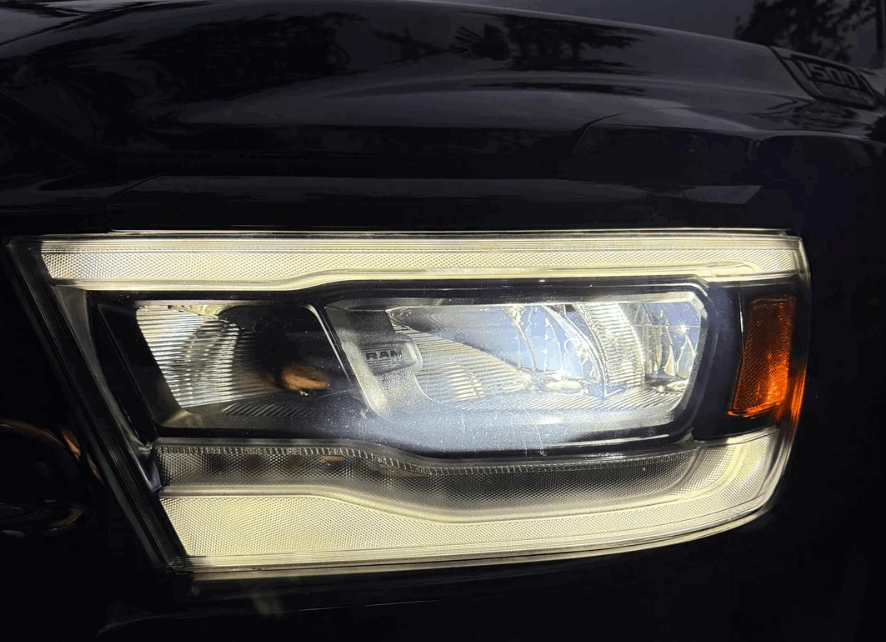
What Are the Most Common Dodge Ram Headlight Problems?
Dodge Ram headlight problems appear through several common symptoms. These symptoms include headlights not turning on, low beams failing, flickering lights, weak illumination, and moisture inside the headlight housing. Each symptom provides clues about the possible cause. Correct identification helps avoid unnecessary part replacements.
One common problem is a headlight that stops working on one side of the truck. This issue usually happens because of a failed bulb, damaged socket, or loose electrical connection. For example, Dodge Ram models with halogen headlights often experience single-side failures when the bulb reaches the end of its lifespan. Newer models with LED headlights may have problems with the LED module or the complete headlight assembly.
Headlight flickering is another frequent issue among Dodge Ram owners. This problem usually points to an unstable electrical connection rather than a simple bulb failure. Common causes include loose wiring, poor grounding, voltage fluctuations, or a failing relay. If flickering occurs with other electrical problems, the cause may involve the truck’s main electrical system.
Dim headlights are also a common complaint. Reduced brightness often results from aging bulbs, cloudy lenses, weak battery voltage, or charging system problems. The headlight system needs stable electrical power to produce proper lighting performance. A battery or alternator issue can reduce the voltage reaching the headlights.
Moisture inside the headlight assembly creates another lighting problem. Water leaks can damage internal components and cause corrosion in electrical connections. A cracked housing or damaged seal allows moisture to enter the assembly. In this situation, replacing only the bulb will not solve the problem because the housing damage remains.
Dodge Ram headlight failures usually come from three main areas: lighting components, electrical connections, and control modules. Understanding these areas helps owners identify problems faster. It also creates a clear starting point before performing repairs or replacing expensive parts.
How Do You Diagnose Dodge Ram Headlight Problems?
Diagnosing Dodge Ram headlight problems requires a step-by-step process. Starting with simple checks helps identify common failures before testing complex electrical components. A proper diagnosis prevents unnecessary replacements and helps determine whether the issue comes from the bulb, wiring, power supply, or control module.
The first step is checking the headlight bulbs and physical condition of the assembly. Inspect the bulb for visible damage or a broken filament if the truck uses halogen lighting. For LED systems, check whether the complete headlight assembly or LED module shows signs of failure. Also inspect the headlight lens for cracks, moisture, or discoloration because these conditions can reduce lighting performance.
The next step is inspecting the fuse and relay system. The fuse box contains protective components that control electrical circuits, including the headlights. A damaged fuse can stop power from reaching the lights. A faulty relay can create intermittent problems because it may not deliver consistent electrical current to the headlight system.
Testing battery voltage is also important during diagnosis. Headlights require stable electrical power to operate correctly. A weak battery or failing alternator can reduce voltage output and cause dim or flickering headlights. Measuring voltage with a multimeter helps determine whether the lighting system receives enough power.
Electrical connections should be inspected when basic components appear normal. Loose connectors, damaged wires, and corroded terminals can interrupt power flow. These problems often create symptoms that are difficult to reproduce because the connection may work under certain conditions and fail under others.
Professional diagnosis may be necessary when the problem involves the TIPM or complex wiring. Technicians can use electrical testing equipment to check communication between modules and identify hidden failures. This is especially important when multiple vehicle systems experience electrical problems at the same time.
A systematic diagnostic process makes Dodge Ram headlight repair more efficient. Checking the simplest components first saves time and reduces repair expenses. It also ensures that the correct part is repaired or replaced.
Can a TIPM Cause Dodge Ram Headlight Problems?
The Totally Integrated Power Module (TIPM) can cause Dodge Ram headlight problems in certain models. The TIPM is an electrical control module that manages power distribution for many vehicle systems. It controls circuits related to exterior lighting, fuel systems, and other electrical components.
A failing TIPM can create unusual headlight symptoms that are difficult to diagnose. Common signs include headlights turning on and off randomly, flickering lights, repeated fuse failures, and headlights that do not respond correctly to the switch. These problems happen because the TIPM may fail to send consistent electrical signals to the headlight circuit.
One important difference between a bulb failure and a TIPM problem is the number of affected systems. A failed bulb usually affects only one light. A TIPM issue often creates multiple electrical symptoms at the same time. For example, a Dodge Ram owner may notice headlight problems along with other issues such as malfunctioning exterior lights or irregular electrical behavior.
TIPM failures can develop because of internal component damage, electrical overloads, or moisture exposure. The module contains electronic circuits that depend on stable power and proper protection. When these circuits fail, replacing a bulb or fuse will not correct the underlying problem.
Diagnosing a TIPM-related headlight issue requires electrical testing. A technician may check voltage output, circuit signals, and communication between vehicle modules. This process helps confirm whether the TIPM is causing the failure or whether another component is responsible.
Replacing a TIPM is usually more complex than replacing a bulb or fuse. The module may require programming to match the vehicle’s configuration. For this reason, professional diagnosis is recommended before replacement.
A TIPM problem is not the most common cause of Dodge Ram headlight failure, but it is an important possibility when basic repairs do not solve the issue. Understanding this component helps owners avoid repeated repairs and identify deeper electrical problems.
How Much Does It Cost to Fix Dodge Ram Headlight Problems?
The cost to fix Dodge Ram headlight problems depends on the failed component, vehicle model, and repair method. A simple bulb replacement usually costs much less than an electrical repair or complete headlight assembly replacement. Identifying the exact cause before buying parts helps avoid unnecessary expenses.
A headlight bulb replacement is usually the most affordable repair. Halogen bulbs are generally inexpensive and can often be replaced without professional assistance. However, LED headlight systems may require replacement of a complete assembly or LED module if the internal electronics fail.
A damaged fuse or relay also has a relatively low repair cost. These components are small electrical parts that protect and control the headlight circuit. Replacing them is usually straightforward. However, a repeated fuse failure indicates a larger electrical problem that requires further inspection.
Headlight assembly replacement costs more because the entire housing and internal components must be changed. This repair is often needed when the housing has water damage, cracked seals, broken lenses, or failed internal lighting components. The final cost depends on whether the replacement part is OEM or aftermarket.
Wiring repairs can vary widely in price because the technician must locate the damaged section first. A loose connector may require a simple repair, while damaged wiring throughout the lighting circuit can require more extensive work. Electrical diagnosis time is also a factor because finding hidden faults requires testing.
TIPM-related repairs are usually more expensive than standard headlight repairs. The module may require replacement and programming to communicate correctly with the vehicle. Because TIPM failures can create symptoms similar to other electrical issues, diagnosis should be completed before replacing the module.
Several factors affect the total repair cost, including the Dodge Ram model year, headlight type, replacement part quality, and labor rates. A 2015 Ram 1500 with halogen headlights may require a different repair approach than a newer Ram model with LED lighting technology.
Choosing the correct repair based on the actual failure saves money and improves long-term reliability. Replacing only the failed component is usually the most effective solution when the problem has been properly diagnosed.
How Can You Prevent Dodge Ram Headlight Problems?
Preventing Dodge Ram headlight problems requires regular inspection of the lighting system and related electrical components. A proactive maintenance routine helps identify small issues before they become expensive repairs. Many headlight failures develop gradually because of aging bulbs, corrosion, damaged connections, or electrical wear.
Regularly checking headlight performance is one of the simplest prevention methods. Drivers should inspect both low beams and high beams to confirm that all lights operate correctly. Early signs, such as dim illumination or occasional flickering, should not be ignored because they often indicate a developing electrical problem.
Replacing aging bulbs at the appropriate time can also improve reliability. Halogen bulbs become weaker as they approach the end of their lifespan. Even before complete failure, they may produce less light and reduce nighttime visibility. Replacing bulbs in pairs can help maintain consistent brightness between the left and right headlights.
Keeping electrical connections clean is another important maintenance step. Moisture, dirt, and corrosion can interrupt the electrical flow between the power source and the headlight assembly. Inspecting connectors, sockets, and ground points helps prevent intermittent lighting problems.
Battery and charging system maintenance also affects headlight performance. The headlights depend on stable electrical power from the battery and alternator. A weak battery or charging problem can cause dim lights, flickering, or unusual electrical behavior. Checking battery condition during routine vehicle maintenance can prevent these issues.
Using compatible replacement parts is important for Dodge Ram models with modern lighting systems. LED headlights and electronic modules require correct specifications to function properly. Low-quality aftermarket components may create compatibility issues or shorten the lifespan of the lighting system.
Protecting the headlight housing from moisture damage is another effective prevention method. Cracked lenses and damaged seals allow water to enter the assembly. Moisture can damage internal circuits and create long-term electrical failures.
A consistent maintenance routine improves Dodge Ram headlight reliability. Checking bulbs, electrical connections, battery condition, and headlight housings helps maintain safe visibility and reduces unexpected repair costs.
When Should You Repair Dodge Ram Headlight Problems?
Dodge Ram headlight problems should be repaired as soon as they affect visibility or indicate a larger electrical issue. A failed bulb, damaged fuse, or loose connection may be a simple repair. However, ignoring early warning signs can lead to complete lighting failure and reduced driving safety.
Drivers should perform basic checks when a headlight stops working. Inspecting the bulb, fuse, and electrical connections can identify common problems quickly. These repairs are usually straightforward when the failure comes from a single component.
Professional diagnosis is recommended when the issue involves flickering headlights, repeated fuse failures, multiple electrical problems, or possible TIPM failure. These symptoms often require electrical testing because the cause may involve wiring, voltage problems, or control modules.
Maintaining the Dodge Ram headlight system also supports long-term vehicle reliability. Regular inspections, proper replacement parts, and battery maintenance help prevent unexpected failures. A reliable lighting system improves nighttime visibility and protects both the driver and other road users.
For Dodge Ram owners, the best repair approach is based on accurate diagnosis rather than replacing parts randomly. Understanding the symptoms, causes, and solutions allows drivers to fix headlight problems efficiently and maintain dependable truck performance.