Have you ever started your vehicle, tried to activate an auxiliary switch, and suddenly received a warning message saying “Aux Switches Temporarily Unavailable Battery Charging”? For many drivers, especially those who rely on auxiliary switches for additional lights, off-road equipment, or aftermarket accessories, this message can be confusing and frustrating.
At first glance, it may seem like a serious electrical failure. However, in many cases, this warning is actually part of your vehicle’s intelligent power management system. The vehicle may temporarily disable auxiliary switches to protect the battery, maintain proper charging levels, and prevent unnecessary electrical drain.
The problem occurs when the system detects that the battery voltage is too low, the auxiliary battery is charging, or the electrical system requires priority power distribution. While the warning may disappear after the charging process completes, repeated occurrences can indicate deeper issues such as a weak auxiliary battery, charging system problems, faulty connections, or battery management system errors.
Understanding why the Aux Switches Temporarily Unavailable Battery Charging warning appears is important because ignoring it could lead to unexpected electrical problems, reduced accessory performance, or even battery failure.
In this complete guide, we will explain what this warning means, the most common causes behind it, step-by-step solutions, and practical tips to prevent the issue from happening again.
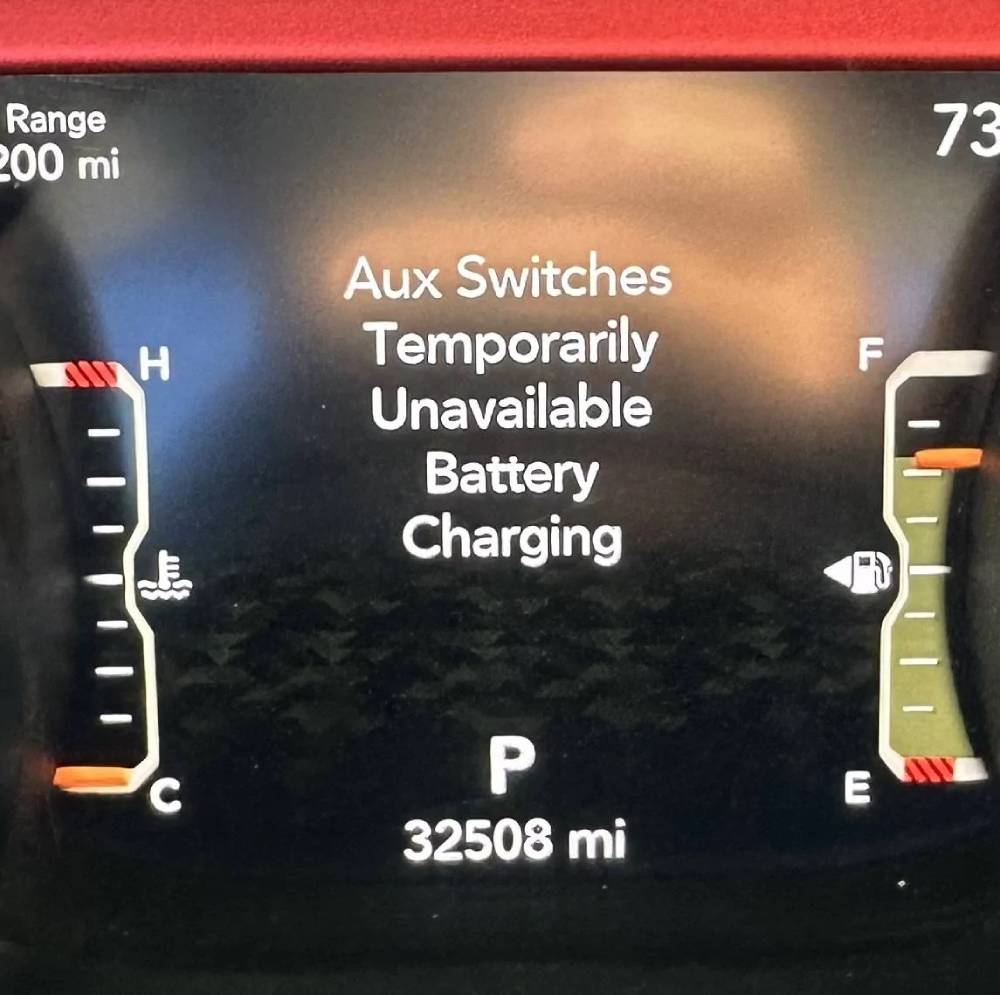
When your vehicle displays the message “Aux Switches Temporarily Unavailable Battery Charging,” it means the vehicle’s power management system has temporarily disabled the auxiliary switches because the electrical system needs to prioritize battery charging or voltage stabilization.
Many modern vehicles are equipped with advanced electrical control systems that constantly monitor battery condition, energy consumption, and power distribution. Instead of allowing additional accessories to drain available power, the system may automatically shut down non-essential electrical functions until the battery reaches a safe operating level.
The term aux switches refers to auxiliary switches that control additional electrical accessories. These switches are commonly used for equipment such as LED light bars, off-road lights, winches, refrigerators, communication devices, or other aftermarket accessories. They provide convenient control over extra electrical components without interfering with the vehicle’s factory systems.
The phrase “temporarily unavailable” does not necessarily mean that the switches are damaged or permanently disabled. In many situations, the vehicle is simply protecting itself from excessive battery discharge. Once the charging process is complete and the system detects stable voltage, the auxiliary switches may automatically become available again.
The battery charging part of the warning indicates that the vehicle is currently managing the charging cycle. This can happen after startup, especially when the battery voltage has dropped due to extended parking, cold weather, frequent short trips, or heavy electrical usage.
Although this warning is often temporary, repeated appearances should not be ignored. If the system frequently disables your aux switches, it may indicate an underlying problem such as a weak auxiliary battery, charging system failure, poor electrical connections, or an issue with the vehicle’s battery management system.
Understanding the meaning behind this warning is the first step toward identifying the real cause and choosing the correct solution.
Several different issues can trigger the Aux Switches Temporarily Unavailable Battery Charging warning. While the vehicle’s electrical system is designed to protect itself, frequent warnings usually indicate that something needs attention.
1. Low Auxiliary Battery Voltage
One of the most common causes of this warning is low voltage from the auxiliary battery. Many vehicles use a secondary battery to support additional electrical functions and maintain power stability. When this battery becomes weak or cannot maintain sufficient voltage, the vehicle may disable auxiliary switches to prevent further energy loss.
A weak auxiliary battery may not always show obvious symptoms at first. The vehicle may still start normally, but additional electrical features may become unavailable. Drivers often notice problems such as intermittent accessory operation, warning messages appearing after startup, or auxiliary switches failing to respond.
Several factors can contribute to low auxiliary battery voltage, including battery age, extreme temperatures, leaving accessories powered for long periods, and insufficient charging cycles.
A battery that is frequently discharged and recharged may gradually lose its ability to store energy. Even if the charging system appears to work correctly, a damaged battery may not hold enough power to support auxiliary functions.
To determine whether low voltage is the problem, the battery should be tested using a digital multimeter or professional battery tester. Checking voltage levels can help identify whether the battery is simply discharged or approaching the end of its service life.
If the auxiliary battery consistently shows poor performance, replacement may be necessary to restore normal operation.
2. Main Battery Charging Problems
Although the warning specifically mentions auxiliary switches, the main vehicle battery can also be responsible for the issue. The main battery provides power for essential vehicle functions, and problems with its charging performance can affect the entire electrical system.
A weak main battery, failing alternator, or charging system malfunction can cause unstable voltage levels. When the vehicle detects that the available electrical power is insufficient, it may restrict non-essential features, including auxiliary switches.
Common signs of main battery or charging problems include slow engine cranking, dim headlights, frequent warning messages, electrical system resets, or difficulty starting the vehicle after sitting for several hours.
The alternator plays an important role in maintaining battery charge while the engine is running. If the alternator is not producing enough power, the battery may not recover properly, causing the vehicle to remain in a protective charging mode.
Drivers should inspect both the battery condition and charging system rather than focusing only on the auxiliary battery. A complete electrical diagnosis can prevent unnecessary replacement of parts that are still functioning correctly.
3. Battery Management System Error
Modern vehicles rely on a Battery Management System (BMS) to monitor voltage, current flow, battery temperature, and overall energy usage. This system determines how power should be distributed throughout the vehicle.
Sometimes, the Aux Switches Temporarily Unavailable Battery Charging warning can appear because the battery management system detects incorrect information or experiences a temporary software issue.
For example, the system may incorrectly determine that the battery level is too low, even when the battery condition is acceptable. This can happen after battery replacement, electrical repairs, long periods of inactivity, or sudden voltage changes.
In some cases, performing a complete vehicle power reset can allow the system to recalibrate. However, the exact reset procedure depends on the vehicle manufacturer and model.
If the warning continues after checking the batteries and electrical connections, professional diagnostic equipment may be required. A technician can scan the vehicle’s control modules to identify stored error codes and determine whether the problem comes from software, sensors, or hardware components.
A properly functioning Battery Management System is essential because it controls how electrical power is distributed. When this system detects potential risks, disabling auxiliary switches is a protective measure rather than a sign that the switches themselves are broken.
4. Faulty Wiring, Fuse, or Electrical Connection Issues
Another common reason behind the Aux Switches Temporarily Unavailable Battery Charging warning is a problem with the vehicle’s electrical connections. Even when the batteries are in good condition, poor connections can interrupt proper power delivery and cause the vehicle to believe that the electrical system is unstable.
Electrical problems can occur in several areas, including battery terminals, wiring harnesses, fuse boxes, grounding points, and connectors related to the auxiliary power system. Over time, exposure to moisture, dirt, heat, and vibration can cause corrosion or loosen connections.
A loose battery terminal, for example, may create inconsistent voltage readings. The Battery Management System may detect these voltage fluctuations and respond by disabling auxiliary switches as a safety precaution.
Common signs of electrical connection problems include:
• Aux switches becoming unavailable randomly
• Warning messages appearing and disappearing without a clear pattern
• Accessories turning off unexpectedly
• Flickering lights or unstable electrical performance
• Multiple electrical warnings appearing at the same time
Fuses should also be inspected because a partially damaged or blown fuse can prevent power from reaching auxiliary components. In some cases, the fuse may look normal but still fail under electrical load.
When checking electrical connections, inspect the battery terminals for corrosion, ensure all connectors are firmly attached, and verify that grounding points are clean and secure. A simple cleaning or tightening procedure can sometimes restore normal operation.
However, electrical diagnosis can become complicated because modern vehicles contain many interconnected control modules. If the problem continues after basic inspections, professional diagnostic tools may be necessary to identify hidden electrical faults.
Ignoring wiring issues can lead to more serious problems over time. A small connection problem may increase electrical resistance, generate heat, and eventually damage sensitive electronic components.
If your vehicle displays the Aux Switches Temporarily Unavailable Battery Charging message, there are several troubleshooting steps you can follow before considering expensive repairs. Start with the simplest solutions and move toward more advanced checks if the problem continues.
Step 1: Allow the Battery Charging Process to Complete
The first solution is often the simplest. In many situations, the warning appears because the vehicle is actively charging or balancing the battery system.
After starting the vehicle, allow enough time for the charging process to complete before attempting to use the auxiliary switches. Avoid turning on unnecessary electrical equipment during this period, such as high-powered lights, entertainment systems, or other accessories.
The time required depends on the battery condition, vehicle model, temperature, and charging system performance. A healthy battery may recover quickly, while a weak battery may require a longer charging period.
If the auxiliary switches become available after the charging cycle completes, the warning was likely caused by temporary low voltage. However, if the message returns frequently, further investigation is recommended.
Step 2: Check Battery Voltage
Testing battery voltage is one of the most effective ways to diagnose this problem. Both the main battery and auxiliary battery should be checked because either one can affect the vehicle’s electrical management system.
A healthy fully charged vehicle battery typically shows stable voltage when the engine is off. If the reading is significantly lower than expected, the battery may not have enough capacity to support additional electrical functions.
A voltage test can help answer important questions:
Is the battery simply discharged?
Is the battery failing and unable to hold a charge?
Is the charging system providing enough power?
A digital multimeter can provide a quick voltage measurement, but a professional battery tester can offer a more complete evaluation by checking the battery’s ability to deliver power under load.
Battery testing is especially important if the vehicle frequently displays warnings after sitting overnight, during cold weather, or after using multiple electrical accessories.
Step 3: Perform a Vehicle Electrical Reset
Sometimes, the Aux Switches Temporarily Unavailable Battery Charging warning can remain active because the vehicle’s electronic modules have not properly updated the battery status.
Performing a basic electrical reset may allow the system to restart and recalibrate. The exact process varies depending on the manufacturer, but a general reset procedure may include turning off the vehicle, removing the key or shutting down the ignition system, locking the vehicle, and allowing enough time for the electronic modules to enter sleep mode.
After waiting, restart the vehicle and check whether the auxiliary switches become available.
A reset can help resolve temporary software glitches, but it will not fix mechanical problems such as a failing battery, damaged wiring, or charging system failure.
If the warning disappears after a reset but returns later, this usually indicates that the underlying issue still exists. In that situation, battery testing and electrical system inspection should be performed to prevent the problem from becoming more serious.
Step 4: Inspect Fuses and Wiring
If resetting the vehicle and checking battery voltage do not solve the Aux Switches Temporarily Unavailable Battery Charging warning, the next step is inspecting the vehicle’s fuses and wiring system.
The auxiliary switch system depends on a network of electrical components working together. Power must travel correctly from the battery through fuses, relays, wiring harnesses, and control modules before reaching connected accessories.
A damaged fuse, loose connector, or corroded wire can interrupt this power flow and cause the vehicle to disable auxiliary functions. In many cases, the vehicle is not detecting a failure in the switch itself. Instead, it is responding to an unstable electrical connection somewhere in the system.
Start by checking the fuse box related to the auxiliary power system. Look for signs of:
• Blown fuses
• Burn marks or overheating
• Loose fuse connections
• Moisture or corrosion inside the fuse box
Next, inspect visible wiring around the battery and auxiliary switch components. Pay attention to areas where wires may experience movement, heat exposure, or contact with metal surfaces.
Battery terminals should also be checked carefully. Corrosion around the terminals can increase electrical resistance and prevent stable voltage delivery. Cleaning the terminals and ensuring a secure connection may resolve intermittent electrical problems.
Ground connections are another important area that many drivers overlook. A weak ground connection can create voltage instability and trigger various electrical warnings throughout the vehicle.
For vehicles equipped with aftermarket accessories, additional inspection may be required. Incorrect installation, overloaded circuits, or poorly connected accessories can place extra stress on the electrical system and cause the vehicle to disable auxiliary functions.
If you are unfamiliar with electrical systems, avoid randomly replacing fuses or disconnecting wiring. Incorrect repairs can create additional problems or damage sensitive electronic components.
Step 5: Replace a Weak Auxiliary Battery
When the previous troubleshooting steps do not resolve the issue, a failing auxiliary battery may be the main cause behind the Aux Switches Temporarily Unavailable Battery Charging warning.
Auxiliary batteries are designed to support additional electrical functions and help maintain stable power distribution. However, like all batteries, they have a limited lifespan. Over time, their ability to store and deliver energy gradually decreases.
A weak auxiliary battery may still appear functional because the vehicle can start normally. However, it may not provide enough stable power for auxiliary systems, causing the vehicle to temporarily disable the switches.
Common signs of a failing auxiliary battery include:
• The warning appears frequently
• Aux switches work only occasionally
• Electrical accessories shut down unexpectedly
• The battery requires frequent charging
• The warning returns soon after a reset
Battery lifespan depends on several factors, including climate, driving habits, charging cycles, and electrical load. Vehicles used for short trips or frequent accessory use may experience faster battery degradation.
Before replacing the auxiliary battery, it is recommended to confirm the diagnosis through proper testing. Replacing a battery without identifying the actual cause can result in unnecessary costs.
If replacement is required, choose a battery that matches the vehicle manufacturer’s specifications. Using an incorrect battery type may affect charging performance and overall reliability.
After installing a new auxiliary battery, some vehicles may require a system reset or battery management system recalibration. This allows the vehicle to accurately recognize the new battery condition.
A properly functioning auxiliary battery can restore normal operation and prevent repeated Aux Switches Temporarily Unavailable Battery Charging messages.
One of the most common questions drivers ask after seeing the Aux Switches Temporarily Unavailable Battery Charging warning is whether it is safe to continue driving.
In many cases, the vehicle can still be driven normally because the warning usually affects auxiliary electrical functions rather than essential driving systems. The vehicle disables these features to protect the battery and ensure enough power remains available for critical components.
If your aux switches are unavailable but the engine starts normally, there are no additional warning lights, and the vehicle operates as expected, you may be able to continue driving while monitoring the situation.
However, the warning should not be ignored if it appears repeatedly. Frequent activation of this message may indicate a deeper electrical issue that could eventually affect vehicle reliability.
Drivers should schedule an inspection if they notice additional symptoms such as:
• Difficulty starting the engine
• Battery repeatedly losing charge
• Multiple electrical warnings appearing
• Lights becoming dim or unstable
• Accessories shutting down unexpectedly
The risk level also depends on how the auxiliary switches are being used. For drivers who depend on auxiliary accessories for work, off-road activities, emergency equipment, or outdoor equipment, losing access to these systems can become inconvenient or unsafe.
The best approach is to identify the cause early rather than waiting until the battery or charging system completely fails. A simple battery test or electrical inspection can often prevent more expensive repairs later.
Understanding that this warning is usually a protective feature can help drivers respond correctly. Instead of assuming the vehicle has a major failure, begin with basic troubleshooting steps and investigate further if the problem continues.
How to Prevent Future Aux Switch Battery Charging Problems
Preventing the Aux Switches Temporarily Unavailable Battery Charging warning is easier and less expensive than dealing with repeated electrical failures. A well-maintained battery system and proper electrical management can significantly reduce the chances of auxiliary switches becoming disabled.
Maintain Battery Health Regularly
The condition of both the main battery and auxiliary battery plays a major role in the performance of the vehicle’s electrical system. Regular battery inspections can help identify problems before they trigger warning messages.
Drivers should check battery condition periodically, especially before extreme weather conditions. Cold temperatures can reduce battery performance, while excessive heat can accelerate battery degradation.
If the vehicle is used frequently for short trips, the battery may not have enough time to fully recharge. Over time, this can reduce battery capacity and increase the likelihood of electrical warnings.
A professional battery test can measure more than just voltage. It can also evaluate the battery’s ability to deliver power under load, which provides a more accurate picture of overall health.
Avoid Excessive Electrical Loads
Auxiliary switches are designed to support additional accessories, but every electrical system has limits. Installing too many high-power devices or operating multiple accessories simultaneously can place extra stress on the battery and charging system.
Common examples of high electrical loads include:
• High-powered LED lighting systems
• Refrigerators or cooling equipment
• Communication devices
• Aftermarket entertainment systems
• Additional electronic accessories
Before adding aftermarket equipment, make sure the vehicle’s charging system can handle the additional demand. Overloading the electrical system can cause voltage drops and trigger protective features such as disabling auxiliary switches.
Using accessories responsibly and turning off unnecessary electrical devices when the vehicle is not running can help maintain stable battery performance.
Check Electrical Connections Periodically
Small electrical connection problems can create major issues over time. Loose terminals, damaged wires, or corrosion can interfere with proper power distribution and cause the vehicle to display the Aux Switches Temporarily Unavailable Battery Charging message.
Routine inspections should include:
• Battery terminals
• Ground connections
• Fuse boxes
• Auxiliary switch wiring
• Aftermarket accessory connections
Keeping connections clean and secure helps ensure that the Battery Management System receives accurate voltage information.
If your vehicle is frequently exposed to water, mud, dust, or harsh driving conditions, electrical inspections should be performed more often because these environments can accelerate corrosion and connector damage.
Follow the Manufacturer’s Maintenance Schedule
Vehicle manufacturers design maintenance schedules based on extensive testing of battery systems, electrical components, and charging systems.
Following recommended maintenance intervals can help prevent unexpected problems. This includes checking battery condition, inspecting electrical components, updating vehicle software when available, and addressing warning messages early.
Ignoring small electrical warnings may allow minor issues to develop into larger and more expensive repairs.
A proactive maintenance approach is especially important for vehicles equipped with advanced power management systems. These systems depend on accurate battery information to distribute power correctly.
The Aux Switches Temporarily Unavailable Battery Charging warning usually appears because the vehicle has detected that the battery system requires additional charging or voltage stabilization.
The vehicle temporarily disables auxiliary switches to protect the battery and ensure enough power remains available for essential systems.
Common causes include:
• Low auxiliary battery voltage
• Weak main battery
• Charging system problems
• Battery Management System errors
• Electrical connection issues
In many cases, the switches will return to normal operation once the battery reaches a stable charging level.
How long does it take for aux switches to become available after charging?
The recovery time depends on the condition of the battery and the vehicle’s charging system.
If the battery is healthy, the warning may disappear after a short driving period. However, if the battery is weak or unable to maintain proper voltage, the warning may continue appearing even after extended driving.
Factors that affect charging time include:
• Battery age
• Temperature conditions
• Driving duration
• Electrical load usage
• Charging system performance
If the warning remains active for a long period, the battery and charging system should be inspected.
Does a bad auxiliary battery cause this warning?
Yes. A weak auxiliary battery is one of the most common causes of the Aux Switches Temporarily Unavailable Battery Charging message.
When the auxiliary battery cannot maintain sufficient voltage, the vehicle may disable auxiliary switches to prevent additional battery drain.
Replacing a failing auxiliary battery often restores normal operation, but proper testing should be completed first to confirm that the battery is the actual cause.
Can I fix this problem without replacing the battery?
In some cases, yes. If the warning is caused by temporary low voltage, a charging cycle or electrical reset may solve the problem.
Other possible solutions include:
• Cleaning battery connections
• Repairing loose wiring
• Checking fuses
• Resetting vehicle electronics
However, if the battery cannot hold a charge or repeatedly triggers the warning, replacement may be necessary.
How much does auxiliary battery replacement cost?
The cost of auxiliary battery replacement depends on the vehicle model, battery type, labor costs, and whether additional programming is required.
Some vehicles allow simple battery replacement, while others may require system recalibration after installation.
Before replacing the battery, it is recommended to perform proper diagnostics to avoid unnecessary expenses.
Conclusion
The Aux Switches Temporarily Unavailable Battery Charging warning can be frustrating, especially when you rely on auxiliary accessories for work, travel, or outdoor activities. However, this message does not always indicate a serious failure. In many situations, it is simply a protective feature designed to prevent excessive battery drain and maintain stable vehicle operation.
The most common causes include low auxiliary battery voltage, main battery charging problems, Battery Management System errors, faulty wiring, and damaged electrical connections. By understanding these potential issues, drivers can avoid unnecessary part replacements and focus on identifying the actual cause.
Simple troubleshooting steps such as allowing the charging process to complete, checking battery voltage, inspecting connections, and performing a system reset can often resolve temporary problems. If the warning continues to appear, a professional battery and electrical system inspection may be necessary.
Regular maintenance is the best way to prevent future issues. Keeping batteries healthy, monitoring electrical loads, maintaining clean connections, and following the manufacturer’s service recommendations can help ensure that auxiliary switches remain available when you need them.
Have you experienced the Aux Switches Temporarily Unavailable Battery Charging warning on your vehicle? Share your vehicle model and the solution that worked for you in the comments. Your experience may help other drivers troubleshoot the same issue more quickly.