Yes, Dodge Chargers are generally reliable full-size sedans when they receive regular maintenance and you choose the right model year and engine. While the Charger is known for its powerful V6 and HEMI V8 engines, reliability varies across model years, maintenance history, and powertrain configuration. Some owners drive their Chargers well beyond 200,000 miles with routine servicing, while others encounter issues such as electrical faults, cooling system failures, or suspension wear if maintenance is neglected.
For prospective buyers, reliability is only one part of the ownership experience. Long-term ownership also depends on annual maintenance costs, repair frequency, parts availability, fuel economy, and how the vehicle has been driven. A well-maintained Dodge Charger with documented service records is often a better investment than a newer model with an unknown maintenance history.
This guide evaluates Dodge Charger reliability from every important ownership perspective. You’ll learn how the Charger compares with other full-size sedans, which engines have the strongest reliability record, the most common mechanical and electrical problems, expected lifespan, maintenance costs, and the model years that are worth buying—or avoiding. By the end of this article, you’ll have the information needed to determine whether a Dodge Charger is the right long-term vehicle for your budget, driving habits, and performance expectations.
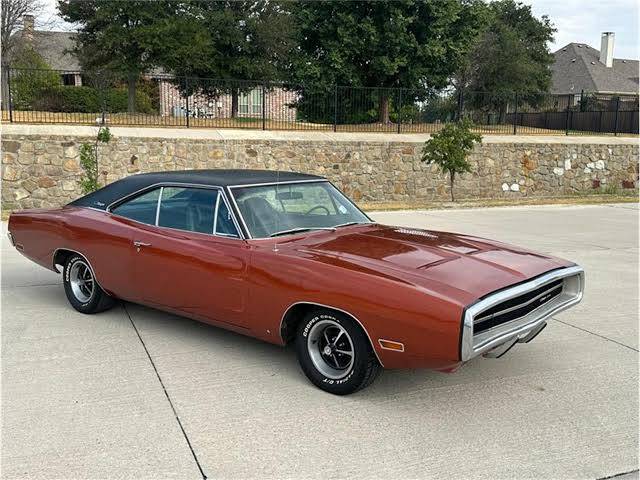
Are Dodge Chargers Reliable Compared With Other Full-Size Sedans?
Yes, Dodge Chargers are generally considered moderately reliable full-size sedans. They may not rank among the industry’s most dependable vehicles like the Toyota Avalon, but they offer above-average durability when maintained properly. Most long-term ownership issues are related to maintenance history, engine selection, and model year rather than inherent design flaws.
Reliability data from owner reports and automotive research consistently places the Dodge Charger in the middle of the full-size sedan segment. Vehicles equipped with the 3.6L Pentastar V6 generally experience fewer major mechanical failures than high-performance HEMI-powered variants because the naturally aspirated V6 operates under lower mechanical stress. Meanwhile, V8-powered Chargers deliver substantially greater performance but often require more frequent maintenance, higher operating costs, and additional attention to wear components such as brakes and tires.
Compared with competitors, the Charger occupies a unique position. The Toyota Avalon emphasizes long-term dependability and low ownership costs, while the Nissan Maxima balances performance with reliability. The Chrysler 300 shares most of the Charger’s platform and mechanical components, resulting in similar reliability characteristics. Unlike these competitors, however, the Dodge Charger prioritizes rear-wheel-drive dynamics, powerful engine options, and muscle-car styling, making reliability only one factor within its broader ownership appeal.
For buyers seeking a practical daily driver with occasional spirited performance, a well-maintained Dodge Charger can provide years of dependable service. Buyers focused exclusively on minimizing repair costs or maximizing fuel economy may find more suitable alternatives within the same vehicle class.
What Factors Determine Dodge Charger Reliability?
Four primary factors determine how reliable a Dodge Charger will be over its lifetime: the engine, transmission, maintenance history, and model year. Understanding these factors helps explain why two Chargers with similar mileage can have significantly different ownership experiences.
Which Dodge Charger Engine Is the Most Reliable?
The 3.6L Pentastar V6 is widely regarded as the most reliable Dodge Charger engine for everyday ownership. It combines proven engineering, lower operating temperatures, and relatively affordable maintenance costs. Many well-maintained Pentastar-powered Chargers exceed 200,000 miles without requiring major engine repairs, provided owners follow recommended oil change intervals and cooling system maintenance.
The 5.7L HEMI V8 also has a strong reliability reputation when serviced consistently. Its simple pushrod architecture has been refined over many years, making it durable for both commuting and highway driving. However, neglecting oil changes can accelerate wear on components such as hydraulic lifters and camshafts, increasing repair costs over time.
The 6.4L HEMI and supercharged Hellcat engines remain durable performance powertrains, but they operate under greater thermal and mechanical loads. Owners who frequently participate in aggressive driving, drag racing, or track events should expect higher maintenance expenses and faster wear on drivetrain, braking, and suspension components compared with V6 models.
Is the Transmission Reliable?
The eight-speed automatic transmission used in modern Dodge Chargers is one of the vehicle’s strongest mechanical components. It delivers smooth shifting, efficient power delivery, and has demonstrated excellent durability when serviced according to manufacturer recommendations.
Transmission failures are relatively uncommon compared with engine-related or electrical issues. Most reported concerns involve delayed shifting, rough gear engagement, or software calibration rather than internal mechanical damage. Regular transmission fluid inspections and avoiding excessive towing or repeated high-temperature operation contribute significantly to long-term reliability.
Does the Drivetrain Affect Reliability?
Both rear-wheel drive (RWD) and all-wheel drive (AWD) Dodge Chargers are reliable, but their maintenance requirements differ. Rear-wheel-drive models feature a simpler drivetrain with fewer moving components, reducing the likelihood of drivetrain-related repairs over time.
All-wheel-drive models provide improved traction in rain, snow, and icy conditions but introduce additional components such as transfer cases, front differentials, and extra drive shafts. Although these systems are generally dependable, they increase maintenance complexity and may lead to higher repair costs as the vehicle ages.
How Important Is Maintenance History?
Maintenance history has a greater impact on Dodge Charger reliability than mileage alone. A Charger with 150,000 miles supported by complete maintenance records is often a safer purchase than a 70,000-mile vehicle with inconsistent servicing.
Routine maintenance—including timely oil changes, coolant replacement, brake inspections, transmission servicing, and suspension checks—prevents many of the problems commonly associated with aging Chargers. Buyers considering a used Dodge Charger should prioritize documented service records, accident history, and evidence of preventive maintenance rather than focusing solely on odometer readings.
What Are the Most Common Dodge Charger Problems?
The most common Dodge Charger problems involve the electrical system, cooling system, suspension components, braking system, and infotainment software. Most of these issues develop gradually as the vehicle ages rather than appearing as catastrophic failures, making regular inspections and preventive maintenance essential for long-term reliability.
Do Dodge Chargers Have Electrical Problems?
Electrical issues are among the most frequently reported problems across multiple Dodge Charger generations. Owners commonly report malfunctioning sensors, battery drain, alternator failures, faulty door lock actuators, and intermittent dashboard warning lights. While these problems rarely leave the vehicle permanently inoperable, they can become frustrating if ignored.
Many electrical faults originate from aging batteries, worn wiring connections, failing alternators, or software communication errors between control modules. Replacing a weak battery promptly and inspecting the charging system during scheduled maintenance often prevents more expensive electrical repairs later.
Are Cooling System Problems Common?
Cooling system failures become more common as Dodge Chargers accumulate higher mileage. Components such as the water pump, thermostat, radiator hoses, and coolant reservoir naturally wear over time and may eventually require replacement.
A failing cooling system can lead to engine overheating, coolant leaks, or fluctuating engine temperatures. Ignoring these warning signs increases the risk of severe engine damage, especially in HEMI-powered models that generate more heat during operation. Routine coolant replacement and periodic inspections help maintain proper engine temperature and extend engine life.
Is Water Pump Failure a Common Issue?
Water pump failure is one of the best-known maintenance issues affecting many Dodge Charger model years. The water pump circulates coolant throughout the engine, and internal bearing wear or seal deterioration eventually causes coolant leaks.
Early symptoms include coolant puddles beneath the vehicle, a whining noise from the front of the engine, rising engine temperatures, or repeated low coolant warnings. Replacing the water pump before complete failure minimizes the risk of overheating and prevents additional cooling system damage.
Does the Suspension Wear Out Quickly?
Suspension components typically experience normal wear rather than premature failure. However, Chargers driven on rough roads or equipped with larger performance wheels often require suspension repairs sooner than vehicles used primarily for highway driving.
Control arms, ball joints, bushings, sway bar links, and shock absorbers gradually wear with mileage. Common symptoms include clunking noises over bumps, uneven tire wear, steering vibration, and reduced ride comfort. Regular suspension inspections improve handling stability while preventing accelerated tire wear.
Do Dodge Chargers Experience Brake Problems?
Brake wear occurs faster on Dodge Chargers than on many ordinary family sedans, particularly on V8 performance models. The vehicle’s weight combined with higher horsepower places additional stress on brake pads and rotors.
Aggressive driving habits, repeated hard braking, and performance-oriented tires can further shorten brake component life. Replacing worn pads before they damage the rotors helps reduce long-term maintenance expenses and preserves braking performance.
Is the Uconnect Infotainment System Reliable?
The Uconnect infotainment system is generally user-friendly, but software-related issues have been reported on certain model years. Owners occasionally experience frozen touchscreens, Bluetooth connectivity problems, delayed system responses, navigation glitches, or unexpected system reboots.
Most of these issues are resolved through software updates rather than hardware replacement. Checking for manufacturer-issued firmware updates during routine dealership service can improve system stability and overall user experience.
How Long Do Dodge Chargers Last?
A well-maintained Dodge Charger can last between 200,000 and 250,000 miles, and some owners exceed 300,000 miles with consistent preventive maintenance. Vehicle lifespan depends far more on servicing habits than on mileage alone.
The Pentastar V6 engine has established a reputation for long-term durability when owners follow recommended oil change intervals and cooling system maintenance. HEMI V8 engines are also capable of reaching high mileage, although they typically require more frequent maintenance because of their higher performance output.
Driving conditions significantly influence vehicle longevity. Chargers that spend most of their lives on highways generally experience less drivetrain and suspension wear than vehicles used primarily for stop-and-go city driving or repeated high-performance acceleration. Climate also plays a role, as vehicles operated in regions with heavy road salt may develop underbody corrosion if not cleaned regularly.
Preventive maintenance remains the single most important factor affecting long-term reliability. Following the manufacturer’s maintenance schedule, using high-quality engine oil and fluids, replacing worn components before they fail, and addressing warning lights immediately can extend the vehicle’s service life by tens of thousands of miles.
Buyers evaluating a used Dodge Charger should focus on documented maintenance history rather than mileage alone. A vehicle with comprehensive service records, consistent oil changes, and timely replacement of wear items often represents a lower ownership risk than a lower-mileage example with incomplete maintenance documentation.
Is a Used Dodge Charger Worth Buying?
Yes, a used Dodge Charger can be an excellent purchase if it has been properly maintained and thoroughly inspected before purchase. Many Chargers remain dependable well beyond 200,000 miles, making them attractive options for buyers seeking a spacious sedan with strong performance at a lower purchase price than a new vehicle.
The most important factor when buying a used Charger is its maintenance history. Service records provide valuable evidence that routine oil changes, transmission servicing, brake maintenance, coolant replacement, and other scheduled maintenance have been completed. A vehicle with complete documentation generally presents a lower ownership risk than one with significantly lower mileage but little or no maintenance history.
A pre-purchase inspection performed by an experienced mechanic is strongly recommended. The inspection should include the engine, transmission, suspension, cooling system, braking system, battery, charging system, and onboard diagnostic system. Identifying coolant leaks, abnormal engine noises, transmission shifting issues, or hidden accident damage before purchase can prevent expensive repairs after ownership begins.
Mileage should always be evaluated alongside vehicle condition. A Charger that has accumulated mostly highway miles often experiences less wear than a lower-mileage vehicle subjected to frequent stop-and-go traffic, aggressive driving, or poor maintenance practices. Interior condition, tire wear, brake condition, and service documentation usually provide a more accurate picture of previous ownership than the odometer alone.
How Does Dodge Charger Reliability Compare With Its Competitors?
The Dodge Charger offers competitive reliability within the full-size sedan segment, although it prioritizes performance more than some of its rivals. Buyers should consider how each competitor balances durability, maintenance costs, driving dynamics, and ownership experience.
The Toyota Avalon is widely recognized for exceptional long-term reliability and lower maintenance costs. Buyers whose primary goal is dependable transportation with minimal repair expenses may find the Avalon to be the stronger option. However, it does not deliver the rear-wheel-drive handling characteristics or high-performance engine options available in the Charger.
The Chrysler 300 shares the same platform, transmission, and several powertrain options as the Dodge Charger. As a result, both vehicles demonstrate similar reliability characteristics. The primary differences lie in styling, interior design, and driving personality rather than mechanical durability.
The Nissan Maxima combines respectable reliability with a sportier driving experience than many traditional family sedans. However, its front-wheel-drive layout appeals to a different audience than the rear-wheel-drive Charger, which emphasizes balanced handling and higher-performance capability.
The Kia Stinger provides modern technology, turbocharged engine options, and competitive reliability while targeting buyers seeking a premium sport sedan experience. Maintenance costs can be comparable, although replacement parts and specialized repairs may vary depending on the engine configuration.
The Dodge Challenger shares many mechanical components with the Charger, including several engines and the eight-speed automatic transmission. Reliability differences between the two vehicles are generally minimal, with ownership experience depending more on maintenance practices than body style.
Who Should Buy a Dodge Charger?
The Dodge Charger is an excellent choice for drivers who want everyday practicality without sacrificing performance. Its spacious cabin, large trunk, and diverse engine lineup make it suitable for a wide range of ownership needs.
Daily commuters who prefer a comfortable full-size sedan benefit from the smooth ride and refined highway performance offered by V6 models. Families needing additional passenger and cargo space may appreciate the Charger’s four-door configuration while still enjoying stronger acceleration than many competing sedans.
Driving enthusiasts remain one of the Charger’s core audiences. The availability of HEMI V8 engines, rear-wheel drive, and performance-focused trims creates an ownership experience rarely found among modern full-size sedans. Buyers who value distinctive styling and traditional American muscle car characteristics also find the Charger particularly appealing.
Used car shoppers looking for strong value may discover that well-maintained Chargers offer significantly more horsepower and equipment than similarly priced competitors. Choosing a model with documented maintenance history further improves the likelihood of dependable long-term ownership.
Who Should Avoid Buying a Dodge Charger?
The Dodge Charger is not the ideal vehicle for every driver. Buyers whose priorities focus on maximum fuel efficiency, minimal ownership costs, or compact city driving may find better alternatives elsewhere.
Drivers with long daily commutes may prefer hybrid or smaller four-cylinder vehicles that deliver substantially better fuel economy. Insurance premiums, tire replacement costs, and fuel consumption are generally higher for Chargers than for economy-focused sedans.
Buyers seeking the lowest possible maintenance expenses should also consider that performance-oriented vehicles naturally experience higher brake, tire, and suspension wear. V8-powered Chargers amplify these ownership costs because of their additional horsepower and heavier-duty mechanical components.
Individuals living in densely populated urban environments may find the Charger’s larger dimensions less convenient for parking and maneuvering through narrow streets. In these situations, a midsize or compact sedan may provide greater practicality.
Is a Dodge Charger Worth Buying for Long-Term Ownership?
Yes, the Dodge Charger is worth buying for long-term ownership if reliability expectations align with its performance-oriented design and the vehicle receives consistent preventive maintenance. It offers a combination of powerful engine options, comfortable interior space, distinctive styling, and respectable long-term durability that few modern full-size sedans can match.
The most dependable ownership experience typically comes from selecting a well-maintained model equipped with the proven 3.6L Pentastar V6 or a carefully serviced HEMI V8. Regular oil changes, scheduled transmission servicing, cooling system maintenance, and prompt repairs significantly reduce the likelihood of major mechanical failures.
Prospective buyers should evaluate maintenance records, vehicle condition, engine configuration, and overall ownership history before making a purchase. These factors have a greater influence on long-term reliability than mileage alone.
For drivers seeking a practical sedan with authentic muscle car character, the Dodge Charger remains one of the strongest choices in its segment. While it may not achieve the same reliability reputation as some Japanese competitors, its balance of performance, comfort, durability, and everyday usability continues to make it a compelling option for long-term ownership when purchased wisely and maintained properly.