Many car buyers ask one important question before purchasing a Kia vehicle. Who makes Kia engines? The answer can influence buying decisions because the engine affects performance, fuel efficiency, maintenance costs, and long term reliability. Learning who builds Kia engines also helps drivers understand the technology behind every model.
Kia has become one of the world’s leading automobile manufacturers. The brand offers compact cars, family SUVs, hybrids, and fully electric vehicles. As Kia continues to grow, more people want to learn about the company that designs and builds its engines. Some buyers believe Kia produces every engine on its own. Others think Hyundai supplies every engine used in Kia vehicles. Both ideas only tell part of the story.
Kia belongs to Hyundai Motor Group, one of the largest automotive manufacturers in the world. The two brands work closely on research, engineering, and powertrain development. They share several engine families, but each brand also tunes its vehicles to meet different performance goals and customer expectations.
This guide explains who makes Kia engines and where they are manufactured. You will also discover how Kia and Hyundai work together, which engine families power today’s Kia models, and whether these engines deliver reliable performance. By the end of this article, you will understand the facts behind Kia engine production and know what they mean for current and future owners.
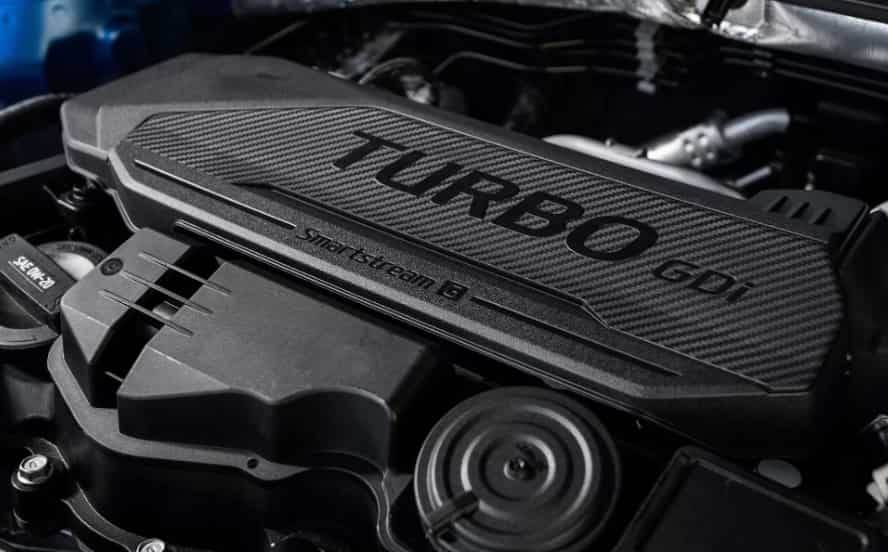
Who Makes Kia Engines?
Kia engines are developed and manufactured by Hyundai Motor Group. This group owns both Kia and Hyundai. Therefore, both brands share engineering resources and production systems. As a result, Kia does not depend on outside companies for its main engines.
In addition, Hyundai Motor Group manages a shared engineering network. This network designs engines that can be used across multiple brands. For example, one engine platform can power both Kia and Hyundai vehicles. However, each brand still applies its own tuning to create a different driving experience.
Moreover, Kia actively participates in engine development. Kia engineers work closely with Hyundai teams to improve performance, fuel efficiency, and emissions. Meanwhile, Kia focuses on adjusting engine behavior to match its own vehicle lineup. This helps create a distinct identity for Kia models, even when they share similar hardware with Hyundai.
Most Kia engines come from shared engine families inside Hyundai Motor Group. These include Smartstream engines as well as Gamma, Nu, Theta, and Lambda families. For example, smaller vehicles often use Gamma engines, while larger SUVs may use Lambda V6 engines. Therefore, each engine family serves a specific vehicle category.
In addition, Kia and Hyundai operate a global manufacturing system. Engines are produced in several countries, including South Korea, the United States, and other regions. As a result, production location depends on both the vehicle model and the target market.
In summary, Kia engines come from a shared development and manufacturing system within Hyundai Motor Group. Therefore, Kia contributes to design, while Hyundai Motor Group manages large scale production for global distribution.
Are Kia Engines and Hyundai Engines the Same?
Kia and Hyundai engines are closely related. However, they are not always identical. Both brands belong to Hyundai Motor Group, so they share many engine platforms and technologies. Therefore, they often use the same base engines across different models.
In many cases, Kia and Hyundai use shared engine families. For example, both brands use Smartstream engines, Gamma engines, Nu engines, Theta engines, and Lambda engines. As a result, the core engineering of many engines remains the same across both brands.
However, there are still important differences. Kia and Hyundai tune their engines differently. For example, Kia may adjust throttle response for a sportier feel. Meanwhile, Hyundai may focus more on comfort and smooth driving. Therefore, the same engine can feel different in each brand’s vehicle.
In addition, software calibration also plays a major role. Each brand uses different ECU settings. As a result, power delivery, fuel efficiency, and acceleration behavior can vary. Even though the hardware is similar, the driving experience is not always the same.
Moreover, engine use depends on the vehicle type. Smaller cars often share compact engines. On the other hand, SUVs and larger vehicles use more powerful engines like the Lambda V6. Therefore, engine selection depends on product strategy rather than brand separation.
In summary, Kia and Hyundai engines share the same foundation. However, each brand applies unique tuning and calibration. As a result, drivers experience different performance characteristics even when the engines are technically related.
Where Are Kia Engines Manufactured?
Kia engines are manufactured in several countries. However, production mainly happens within the global network of Hyundai Motor Group. Therefore, engine manufacturing is distributed across multiple regions to support different markets.
In South Korea, Hyundai Motor Group operates advanced manufacturing facilities. These plants produce many of the core engines used in Kia vehicles. In addition, South Korea serves as the central hub for research and development. As a result, many engine designs start there before global production begins.
In the United States, Hyundai Motor Manufacturing Alabama plays an important role. This facility produces engines for both Hyundai and Kia vehicles. For example, Smartstream engines built in Alabama support popular models in the North American market. Therefore, local production helps reduce shipping costs and improve supply efficiency.
Moreover, Kia vehicles sold in North America are often assembled at Kia Georgia. While this plant mainly focuses on vehicle assembly, it works closely with nearby engine production facilities. As a result, engine supply and vehicle assembly stay tightly connected.
In addition, Hyundai Motor Group also operates manufacturing plants in Europe and Asia. These facilities support regional demand and ensure faster delivery. For example, some engines for European models are produced closer to local markets. Therefore, production strategy depends on regional sales needs.
Meanwhile, India and China also play important roles in Kia’s manufacturing network. These countries support local production for their own markets. As a result, Kia can adapt to different regulations, fuel standards, and customer preferences.
In summary, Kia engines are not built in a single location. Instead, Hyundai Motor Group manufactures them across a global system. Therefore, production efficiency and market adaptation remain key priorities.
What Types of Engines Does Kia Use?
Kia uses a wide range of engines. However, most of them come from Hyundai Motor Group. Therefore, Kia can offer different engine types for various vehicle segments, from small cars to large SUVs and electric models.
First, Kia uses Smartstream gasoline engines in many modern vehicles. These engines focus on improving fuel efficiency and reducing emissions. In addition, Smartstream engines include advanced technologies such as variable valve timing and thermal management systems. As a result, they deliver better performance with lower fuel consumption.
Moreover, Kia also uses turbocharged engines. These engines provide more power while maintaining efficiency. For example, smaller turbo engines often appear in compact cars and sport-oriented models. Therefore, drivers get stronger acceleration without a large increase in fuel usage.
In addition, Kia offers hybrid powertrains. These systems combine a gasoline engine with an electric motor. As a result, they improve fuel economy and reduce emissions in city driving. Meanwhile, hybrid systems also provide smoother low-speed performance.
Furthermore, Kia produces plug-in hybrid systems. These models allow drivers to charge the battery externally. Therefore, they can drive short distances using only electric power. However, the gasoline engine remains available for longer trips.
In some global markets, Kia also uses diesel engines. These engines focus on torque and fuel efficiency for long-distance driving. However, diesel options are less common in many modern markets due to emission regulations.
Finally, Kia is rapidly expanding its electric powertrain lineup. Fully electric models use electric motors instead of traditional engines. As a result, they produce zero tailpipe emissions and offer instant torque performance.
In summary, Kia uses multiple engine types across its lineup. Therefore, the brand can serve different customer needs, from efficiency-focused drivers to performance and electric vehicle users.
Are Kia Engines Reliable?
Kia engines are generally considered reliable. However, reliability depends on the engine type, model year, and maintenance history. Therefore, it is important to evaluate each engine family separately instead of judging all Kia engines the same way.
In recent years, Kia has improved engine quality. Hyundai Motor Group introduced new technologies such as Smartstream systems. As a result, modern engines offer better efficiency, smoother operation, and improved durability. In addition, manufacturing processes have become more advanced, which helps reduce production defects.
However, some older Kia engines experienced known issues. For example, certain Theta II engines had problems with excessive wear and engine failure in some cases. As a result, these engines were subject to recalls and warranty extensions in several markets. Therefore, buyers should pay attention to the specific engine generation.
Moreover, Kia has improved quality control across its production network. The company now applies stricter testing procedures. In addition, software monitoring systems help detect engine issues earlier. As a result, newer models show better long term reliability compared to older generations.
Maintenance also plays a major role in engine reliability. Regular oil changes, proper servicing, and correct driving habits can significantly extend engine life. Therefore, even a reliable engine can fail if it is not maintained properly.
Furthermore, hybrid and electric Kia powertrains reduce some traditional engine wear issues. For example, electric motors have fewer moving parts than combustion engines. As a result, EV systems often require less maintenance over time.
In summary, Kia engines are reliable in most modern models. However, reliability varies depending on engine type and maintenance. Therefore, buyers should always check engine history before making a purchase decision.
Kia and Hyundai share engines because both brands belong to Hyundai Motor Group. Therefore, they use a unified engineering and production system. This approach helps both companies reduce costs and improve efficiency.
First, shared engines lower development costs. Instead of designing separate engines for each brand, Hyundai Motor Group develops one engine platform for multiple vehicles. As a result, the company saves time and resources in research and development.
In addition, shared engines improve manufacturing efficiency. Production facilities can build the same engine for different models. Therefore, factories can operate at higher volume and reduce production complexity. This also helps stabilize supply across global markets.
Moreover, shared engines support faster innovation. When engineers improve one engine, both Kia and Hyundai benefit from the upgrade. As a result, new technologies spread quickly across multiple vehicle lines. This creates consistent improvement across the entire group.
Furthermore, shared engines make maintenance easier for customers. Many components are similar or identical across brands. Therefore, replacement parts are easier to source in many markets. This also helps reduce long term repair costs.
However, both brands still maintain distinct identities. Kia focuses more on dynamic and youthful driving characteristics. Meanwhile, Hyundai emphasizes comfort and refinement. As a result, each brand tunes the same engine differently to match its design philosophy.
In summary, Kia and Hyundai share engines to improve efficiency, reduce costs, and accelerate innovation. Therefore, this strategy benefits both manufacturers and customers while maintaining brand differences.
Common Myths About Kia Engines
Many people misunderstand how Kia engines work. However, most of these ideas are not accurate. Therefore, it is important to clarify the most common myths using real facts from Hyundai Motor Group.
Myth 1 Kia does not make its own engines
Many people believe Kia does not develop engines at all. However, this is not correct. Kia works closely with Hyundai Motor Group to design and engineer engines. Therefore, Kia participates in engine development, even if production is shared within the group.
Myth 2 All Kia engines are made in South Korea
Some buyers think every Kia engine comes only from South Korea. However, engine production happens in multiple countries. For example, the United States and other regions also manufacture engines for local markets. As a result, production is global rather than centralized.
Myth 3 Kia and Hyundai engines are always identical
It is true that Kia and Hyundai share many engines. However, they are not always identical in performance. In addition, each brand applies different tuning and software calibration. Therefore, the driving experience can vary significantly between similar engines.
Some people assume shared platforms reduce quality. However, this is not true. In fact, shared engineering improves consistency and allows faster improvements. As a result, both Kia and Hyundai benefit from stronger testing and development processes.
In summary, most myths about Kia engines come from incomplete information. Therefore, understanding the real structure of Hyundai Motor Group helps clarify how engine development actually works.
Final Thoughts
Understanding who makes Kia engines helps buyers make better decisions. Kia does not work alone in engine production. Instead, it operates within Hyundai Motor Group, a large global automotive organization. Therefore, Kia benefits from shared engineering, research, and manufacturing systems.
Throughout this article, you learned that Kia engines come from a shared platform strategy. Kia and Hyundai develop engines together. However, each brand still applies its own tuning and design direction. As a result, drivers experience different performance characteristics even when engines share the same foundation.
In addition, Kia engines are manufactured in several countries. This global production system supports efficiency and local market demand. Therefore, Kia can deliver vehicles faster and adapt to different regions around the world.
Moreover, Kia uses a wide range of engine technologies. These include gasoline, turbocharged, hybrid, plug in hybrid, and fully electric systems. As a result, Kia can meet the needs of different drivers, from fuel efficiency to performance and sustainability.
Finally, engine reliability depends on both design and maintenance. Modern Kia engines show strong improvements in quality and durability. However, proper servicing still plays an important role in long term performance. Therefore, buyers should always consider engine type and maintenance history before purchasing a vehicle.
In conclusion, Kia engines are the result of shared innovation within Hyundai Motor Group. Therefore, they combine global engineering, advanced technology, and continuous improvement to support modern driving needs.