Engine repairs can become one of the most expensive parts of owning a vehicle. A complete engine replacement may cost thousands of dollars. Because of this, every owner should understand the Kia Engine Warranty before an engine problem appears. Knowing what the warranty covers helps you avoid unexpected repair bills and unnecessary stress.
Kia offers one of the strongest powertrain warranties in the automotive industry. However, many owners assume the warranty covers every engine issue. That assumption often leads to disappointment. Warranty coverage depends on several factors, including the cause of the failure, vehicle ownership, and maintenance history. Following the recommended service schedule also plays an important role.
Many drivers also confuse warranty coverage with recalls, service campaigns, and goodwill assistance. Each program serves a different purpose. Understanding these differences helps you make better decisions when an engine problem occurs. It also makes the claim process easier when you visit an authorized Kia dealership.
This guide explains every important detail of the Kia Engine Warranty. You will learn what the warranty covers, how long the protection lasts, and which situations may prevent coverage. You will also discover how to file a warranty claim, avoid common mistakes, and understand the questions Kia owners ask most often. By the end of this guide, you will have the knowledge to protect both your vehicle and your repair budget.
What Is the Kia Engine Warranty?
The Kia Engine Warranty protects eligible engine components against defects in materials and workmanship. It forms part of Kia’s Powertrain Limited Warranty, which provides financial protection when a covered engine component fails because of a manufacturing issue. This coverage gives owners greater confidence and helps reduce unexpected repair costs during the warranty period.
Many people use the terms engine warranty and powertrain warranty as if they mean the same thing. However, they have different meanings. The engine warranty focuses on the engine and its internal components. The powertrain warranty covers the engine as well as other major parts that deliver power to the wheels, including the transmission and drivetrain. The Basic Limited Warranty covers many additional vehicle systems, but it follows different coverage periods and conditions.
The Kia Engine Warranty does not cover every engine problem. Kia evaluates each claim to determine what caused the failure. If a manufacturing defect caused the damage, the warranty may cover the repair or replacement. If poor maintenance, improper repairs, or vehicle misuse caused the problem, Kia may deny the claim.
Vehicle owners also have important responsibilities throughout the warranty period. They should follow the maintenance schedule in the owner’s manual, use the recommended engine oil and fluids, and keep service records. These documents help demonstrate that the vehicle received proper care if a warranty claim becomes necessary.
Understanding how the Kia Engine Warranty works creates a strong foundation for the rest of this guide. The next section explains exactly which engine components and repair costs the warranty may cover.
What Does the Kia Engine Warranty Cover?
The Kia Engine Warranty covers many essential engine components when a manufacturing defect causes the failure. This protection helps owners avoid significant repair expenses and supports long term vehicle reliability. However, the warranty only applies after Kia confirms that the damaged part meets the warranty requirements.
The engine block is one of the most important covered components. It serves as the foundation of the entire engine and houses many critical internal parts. Kia may repair or replace the engine block if a factory defect causes cracks, abnormal wear, or structural failure during the warranty period.
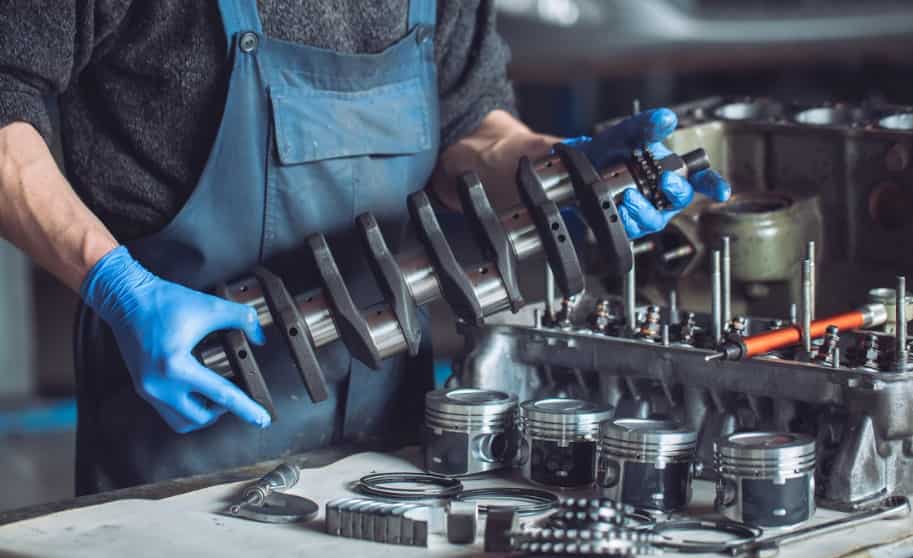
The cylinder head also receives warranty protection when a manufacturing defect affects its performance. In addition, many internal engine parts qualify for coverage. These components often include pistons, piston rings, connecting rods, crankshafts, camshafts, valves, valve springs, rocker arms, bearings, and timing components that belong to the original engine assembly.
Several supporting engine components may also qualify for warranty repairs. Examples include the oil pump, timing chain, timing gears, and certain seals or gaskets that directly relate to a covered repair. If one of these parts fails because of defective materials or workmanship, Kia may approve the necessary repair.
Warranty coverage often includes labor costs as well as replacement parts. Owners do not pay for approved repairs because authorized Kia technicians perform the work according to the manufacturer’s repair procedures. This process helps maintain vehicle safety and ensures that replacement parts meet Kia’s quality standards.
Some severe engine failures require a complete engine replacement instead of a repair. Kia may authorize this solution when technicians determine that repairing the original engine is no longer practical. The final decision depends on the inspection results, warranty eligibility, and the cause of the engine failure.
Although the Kia Engine Warranty covers many important components, it does not protect every type of engine damage. The next section explains how long warranty protection lasts and why coverage may vary between original owners, subsequent owners, and certified pre owned vehicles.
How Long Does the Kia Engine Warranty Last?
The length of the Kia Engine Warranty depends on the vehicle’s ownership status and warranty eligibility. Many buyers choose Kia because the company offers one of the longest powertrain warranty programs in the automotive market. Even so, the coverage period may change when ownership changes or when the vehicle falls into a different warranty category.
Original owners usually receive the most comprehensive engine protection. For eligible vehicles sold in the United States, the Powertrain Limited Warranty provides coverage for up to ten years or one hundred thousand miles, whichever comes first. This warranty protects covered engine components against defects in materials and workmanship during the eligible coverage period.
Coverage may differ for subsequent owners. In many cases, the remaining powertrain protection becomes shorter after the vehicle changes ownership. Buyers should never assume that the original warranty automatically transfers with the same terms. Instead, they should verify the remaining coverage before purchasing a used Kia.
Certified pre owned vehicles may include additional warranty benefits. The exact terms depend on the certification program, model year, and previous warranty status. Buyers should review the certification documents carefully because each vehicle may qualify for different levels of protection.
Commercial use can also affect warranty coverage. Vehicles used for business purposes, delivery services, or other high mileage activities may follow different warranty terms. Owners should review the warranty booklet to understand how their vehicle’s intended use affects eligibility.
The easiest way to confirm the remaining warranty is to check the vehicle identification number with an authorized Kia dealership. The dealer can review the warranty history, confirm the remaining coverage period, and identify any recalls or service campaigns that apply to the vehicle. This step helps owners avoid confusion before scheduling major engine repairs.
Understanding the warranty period is only part of the process. Owners should also know which situations can prevent coverage. The next section explains the most common exclusions and the reasons why some engine repairs do not qualify under the Kia Engine Warranty.
What Is Not Covered Under the Kia Engine Warranty?
The Kia Engine Warranty provides valuable protection, but it does not cover every engine problem. Kia reviews each claim carefully before approving repairs. If the inspection shows that a manufacturing defect caused the damage, the warranty may apply. If another factor caused the failure, the owner may need to pay for the repair.
Poor maintenance remains one of the most common reasons for denied warranty claims. Owners should change the engine oil, replace filters, and perform scheduled maintenance at the recommended intervals. Keeping complete service records also helps prove that the vehicle received proper care throughout its ownership.
Vehicle misuse can also affect warranty eligibility. Aggressive driving, racing, excessive towing beyond the recommended capacity, or operating the vehicle under severe conditions without proper maintenance may increase engine wear. If these actions contribute to the failure, Kia may reject the warranty claim.
Unauthorized modifications present another risk. Performance tuning, aftermarket engine components, or software changes can alter how the engine operates. If these modifications contribute to the damage, Kia may determine that the repair no longer qualifies for warranty coverage.
Normal wear also falls outside the scope of the warranty. Every engine experiences gradual wear as mileage increases. Parts that wear out through regular use do not qualify for warranty repairs unless a manufacturing defect causes the failure.
Environmental factors and outside damage are not covered either. Floods, collisions, fire, contaminated fuel, or improper fluids can damage the engine. Since these issues do not result from factory defects, owners usually need to rely on their insurance policy instead of the warranty.
Understanding these exclusions helps owners protect their warranty rights. Following the maintenance schedule, using approved parts and fluids, and addressing warning signs early can reduce the risk of expensive repairs. The next section examines the engine problems that Kia owners report most often and explains whether warranty coverage may apply in each situation.
Common Kia Engine Problems Owners Ask About
Many Kia owners begin searching for warranty information after they notice unusual engine symptoms. Some problems appear gradually, while others develop without warning. Recognizing these signs early can reduce repair costs and improve the chances of receiving warranty coverage. Although not every engine issue qualifies for a free repair, an authorized Kia dealership can inspect the vehicle and determine whether a manufacturing defect caused the failure.
Engine knocking is one of the most common concerns among Kia owners. Drivers often describe the sound as a metallic tapping or knocking that becomes more noticeable during acceleration. This symptom may indicate internal engine wear, damaged bearings, or other mechanical problems. Excessive oil consumption is another issue that owners frequently report. When the engine uses more oil than expected, lubrication decreases and critical components may wear faster. Regular oil level checks and scheduled maintenance help reduce this risk while providing valuable service records if a warranty claim becomes necessary.
Some engine problems affect overall performance rather than producing unusual noises. The check engine light may appear because of sensor failures, emissions system faults, or internal engine damage. At the same time, drivers may notice reduced acceleration, rough idling, engine stalling, or a significant loss of power. These symptoms require professional diagnosis because several different components can produce similar warning signs. Continuing to drive without inspection may increase the damage and lead to more expensive repairs.
Oil leaks also deserve immediate attention because even a small leak can lower the engine oil level over time. If lubrication becomes insufficient, the engine may overheat or suffer serious internal damage. In the most severe cases, complete engine failure or engine seizure can occur. When a manufacturing defect causes this type of failure and the vehicle meets all warranty requirements, Kia may approve extensive repairs or even a complete engine replacement. Prompt diagnosis, proper maintenance, and accurate service documentation remain the best ways to protect both the vehicle and the benefits provided by the Kia Engine Warranty.
Kia Engine Recall vs Kia Engine Warranty
Many vehicle owners mistakenly believe that a recall and a warranty provide the same type of protection. Although both programs may reduce repair costs, they serve different purposes and follow different rules. Understanding these differences helps Kia owners make informed decisions when an engine problem occurs and prevents confusion during the repair process.
The Kia Engine Warranty covers defects in materials or workmanship that appear during the applicable warranty period. When an engine component fails because of a manufacturing defect, Kia may pay for the approved repair or replacement after an authorized dealership completes its inspection. Warranty coverage depends on several factors, including the vehicle’s ownership status, maintenance history, mileage, and compliance with the manufacturer’s service requirements.
An engine recall follows a different process. Kia issues a recall when the company identifies a safety related defect or another widespread problem that affects a specific group of vehicles. Owners do not need an active warranty to receive recall repairs because the manufacturer performs approved recall work at no cost for eligible vehicles. In many cases, Kia notifies owners directly, but drivers can also check their vehicle identification number to see whether an open recall applies.
Some vehicles may also qualify for service campaigns or settlement programs. These programs differ from both recalls and warranty coverage because they address specific concerns under defined conditions. Eligibility varies according to the vehicle model, production year, and repair history. Before paying for major engine repairs, owners should verify whether their vehicle qualifies for a recall, a service campaign, or warranty coverage. Taking this simple step may save significant repair expenses and ensure that the engine receives the correct repair procedure.
How to File a Kia Engine Warranty Claim
Filing a Kia Engine Warranty claim becomes much easier when you prepare the necessary information before visiting a dealership. Taking the right steps can reduce delays, improve communication with service advisors, and increase the likelihood of a smooth inspection. While every claim follows its own review process, proper documentation and timely action play an important role in determining eligibility.
The first step is to stop driving the vehicle if you notice serious engine symptoms such as loud knocking, excessive smoke, overheating, or a sudden loss of power. Continuing to operate the vehicle may cause additional damage and make it more difficult for technicians to determine the original cause of the problem. Once the vehicle is safe, gather all available maintenance records, including oil change receipts, repair invoices, and scheduled service documentation. These records help demonstrate that the vehicle has received proper maintenance throughout its ownership.
Next, schedule an inspection with an authorized Kia dealership. Experienced technicians will perform a complete diagnosis to identify the source of the engine problem. They may inspect internal components, review diagnostic trouble codes, and verify the vehicle’s warranty status. If the inspection confirms that a manufacturing defect caused the failure and the vehicle meets the warranty requirements, Kia may approve the repair or replace the affected engine components.
After the inspection, the dealership will explain the repair decision and the next steps. If Kia denies the warranty claim, owners should request a detailed explanation and review the reason carefully. Additional maintenance records or supporting documents may help resolve misunderstandings in some situations. Acting quickly, keeping accurate records, and working with an authorized dealership remain the best ways to achieve a successful Kia Engine Warranty claim while avoiding unnecessary repair expenses.
Why Kia Engine Warranty Claims Get Denied
Many Kia owners expect every engine repair to qualify for warranty coverage. However, Kia reviews each claim carefully before approving repairs. The company examines the cause of the failure, the vehicle’s maintenance history, and the warranty terms. Understanding the most common reasons for denied claims can help owners avoid costly mistakes and protect their warranty rights.
Poor maintenance is one of the leading causes of claim denial. Missing oil changes, overdue services, or incomplete maintenance records can make it difficult to prove that the engine received proper care. Even if an engine develops a serious mechanical problem, the lack of supporting documentation may prevent Kia from approving the repair under the warranty.
Unauthorized modifications can also affect warranty eligibility. Performance tuning, aftermarket engine parts, and software changes may alter the engine’s operation. If technicians determine that these modifications contributed to the failure, the repair may no longer qualify for warranty coverage. For this reason, owners should understand how modifications may affect their warranty before making changes to the vehicle.
Vehicle misuse represents another common issue. Driving beyond the recommended towing capacity, racing, or ignoring warning lights can place excessive stress on the engine. In addition, continuing to drive after signs of overheating or low oil pressure appear may increase the damage. Kia may conclude that these conditions caused the failure instead of a manufacturing defect.
Owners can reduce the risk of a denied claim by following the maintenance schedule, using approved parts and fluids, and keeping every service receipt in a safe place. It is also wise to address engine problems as soon as they appear instead of waiting for the condition to become worse. Careful maintenance and complete documentation provide the strongest foundation for a successful Kia Engine Warranty claim and help protect owners from unexpected repair expenses.
Tips to Protect Your Kia Engine Warranty
Protecting your Kia Engine Warranty requires more than simply keeping the warranty booklet. Owners should develop good maintenance habits and address small problems before they become major repairs. A well maintained vehicle is not only more reliable but also easier to evaluate if a warranty claim becomes necessary. Consistent care helps demonstrate that the engine has received proper attention throughout its service life.
Following the maintenance schedule in the owner’s manual is the most important step. Regular oil changes, filter replacements, and routine inspections help keep the engine in good condition while reducing unnecessary wear. Owners should also use the engine oil, coolant, and other fluids that meet Kia’s recommended specifications. Using the correct products supports engine performance and helps prevent problems that could result from improper maintenance.
Keeping accurate records is equally important. Save every service invoice, maintenance receipt, and repair document, regardless of where the work was completed. Organized records provide valuable evidence if questions arise during the warranty review process. They also help technicians understand the vehicle’s maintenance history and diagnose engine problems more efficiently.
Drivers should respond quickly whenever the vehicle displays a warning light or develops unusual symptoms. Strange noises, oil leaks, overheating, or reduced engine performance should never be ignored. Prompt inspections often prevent minor issues from becoming major engine failures. Owners should also avoid unauthorized engine modifications unless they fully understand how those changes may affect warranty coverage.
Finally, check for recalls and service campaigns on a regular basis. Some repairs may qualify under these programs even if they fall outside standard warranty coverage. By following recommended maintenance, keeping complete documentation, and addressing problems early, owners can protect both their vehicle and the full value of the Kia Engine Warranty for years to come.
Kia Engine Warranty FAQs
Many Kia owners have similar questions about engine warranty coverage, especially when unexpected repairs arise. The answers below explain some of the most common concerns and help clarify how the Kia Engine Warranty works in real world situations.
Does the Kia Engine Warranty cover engine replacement?
Yes, the warranty may cover an engine replacement if an authorized Kia dealership determines that a manufacturing defect caused the failure. Kia reviews each case individually, so approval depends on the inspection results and the vehicle’s warranty eligibility.
Does the Kia Engine Warranty transfer to a second owner?
Warranty coverage may change after the vehicle changes ownership. Original owners often receive the longest powertrain coverage, while subsequent owners may qualify for different warranty terms. Owners should verify the remaining coverage with an authorized Kia dealership before purchasing a used vehicle.
Can Kia deny a warranty claim because of missing maintenance records?
Yes. Maintenance records play an important role during the claim review process. If an owner cannot demonstrate that the vehicle received proper maintenance, Kia may determine that the engine failure resulted from neglect rather than a manufacturing defect.
Does the warranty cover engine problems caused by normal wear?
No. The Kia Engine Warranty covers defects in materials or workmanship. It does not cover normal wear, aging components, or damage caused by improper maintenance, accidents, or environmental conditions.
How can I check whether my Kia Engine Warranty is still active?
The easiest method is to contact an authorized Kia dealership and provide the vehicle identification number. The dealership can confirm the remaining warranty period, review previous warranty repairs, and identify any open recalls or service campaigns that apply to the vehicle.
What should I do if my warranty claim is denied?
Owners should ask the dealership for a detailed explanation of the decision and review the reason for the denial. If additional maintenance records or supporting documents are available, they may help clarify the situation. In some cases, requesting a second review or contacting Kia Customer Care may provide additional guidance.
Understanding these frequently asked questions helps owners make informed decisions before authorizing expensive engine repairs. Staying informed, maintaining accurate service records, and working with an authorized Kia dealership remain the most effective ways to maximize the benefits of the Kia Engine Warranty.
Conclusion
The Kia Engine Warranty offers valuable protection against manufacturing defects that affect essential engine components. However, warranty coverage depends on more than the vehicle’s age or mileage. Proper maintenance, complete service records, and compliance with Kia’s warranty terms all play an important role in determining whether a repair qualifies for coverage. Understanding these requirements allows owners to avoid unnecessary expenses and respond with confidence when engine problems occur.
Throughout this guide, you have learned what the Kia Engine Warranty covers, how long protection lasts, which situations may lead to claim denial, and how to complete the warranty claim process successfully. You have also seen the differences between warranty coverage, recalls, and service campaigns, making it easier to understand which program applies to your vehicle.
Before paying for a major engine repair, verify your warranty status, gather your maintenance records, and schedule an inspection with an authorized Kia dealership. Taking these simple steps may save thousands of dollars and ensure that your vehicle receives the correct repair. Most importantly, regular maintenance and prompt attention to warning signs remain the best ways to protect both your engine and the long term value of your Kia Engine Warranty.