Mevotech wheel bearings are aftermarket replacement components worth considering for drivers seeking an alternative to original equipment manufacturer (OEM) parts. However, their reliability depends on the specific part number, vehicle application, manufacturing quality, and installation conditions. Mevotech supplies automotive replacement components, including wheel hub assemblies, but buyers should evaluate individual products rather than assume every bearing delivers identical performance.
The quality of a wheel bearing directly affects wheel rotation, driving noise, and vehicle safety. A properly functioning bearing allows the wheel to rotate smoothly while supporting vehicle loads. Premature bearing failure can produce humming or grinding noises, excessive wheel play, and vibration. Factors such as damaged seals, lubricant contamination, incorrect axle nut torque, and repeated road impacts can shorten bearing service life, regardless of the manufacturer.
This Mevotech wheel bearing review examines product construction, durability, common problems, customer feedback, and overall value for money. It also compares Mevotech with Timken, MOOG, SKF, and OEM alternatives to help drivers identify the most suitable replacement. The goal is to determine whether Mevotech wheel bearings are a sensible purchase based on documented product characteristics, vehicle compatibility, and long-term ownership considerations.
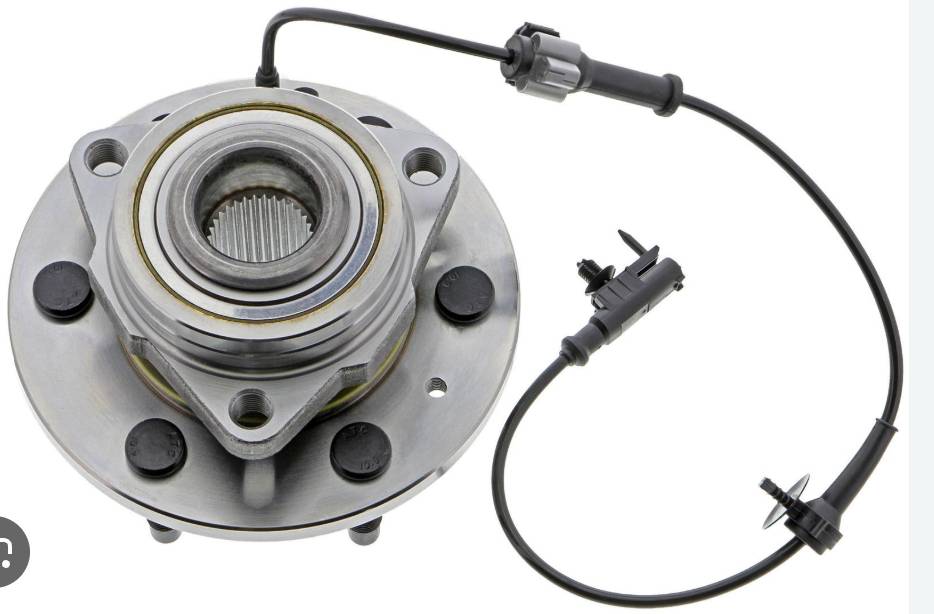
Are Mevotech Wheel Bearings Any Good?
Mevotech wheel bearings are a viable aftermarket replacement option for vehicle owners who need compatible wheel bearing or hub assembly components. However, their overall quality cannot be determined by brand name alone. Reliability depends on the specific product, bearing construction, manufacturing tolerances, and compatibility with the vehicle’s original specifications. Buyers should verify the exact part number and application before choosing Mevotech over an OEM replacement.
Mevotech is a Canadian automotive aftermarket parts supplier that offers replacement components for steering, suspension, and wheel-end systems. Its wheel hub assemblies are designed for specific vehicle applications, allowing damaged or worn wheel-end components to be replaced without purchasing the entire assembly from a vehicle manufacturer. The suitability of these replacements depends on dimensional accuracy, load capacity, sealing performance, and proper installation. A correctly matched hub assembly must support vehicle loads while allowing smooth wheel rotation and maintaining the intended wheel alignment geometry.
One advantage of considering Mevotech is the availability of aftermarket replacement options for vehicle owners comparing repair costs. However, a lower purchase price does not automatically establish better value. Wheel bearing replacement involves labor, and an early component failure can require the same repair to be performed again. For example, a bearing that costs $30 less initially offers no savings if premature failure results in additional removal and installation expenses. Evaluating warranty coverage, verified customer experiences, and product specifications is therefore more useful than comparing purchase prices alone.
Mevotech wheel bearings are worth considering for everyday vehicle repairs when the selected component matches the vehicle and meets the buyer’s quality requirements. Drivers prioritizing documented long-term durability should compare the exact Mevotech part with equivalent Timken, SKF, MOOG, and OEM products before purchasing. Without controlled durability testing or sufficiently representative failure-rate data, there is no reliable basis for claiming that Mevotech wheel bearings consistently outperform or underperform these alternatives.
What Is the Quality of Mevotech Wheel Bearings?
The quality of Mevotech wheel bearings depends on three primary factors: bearing construction, protection against contamination, and manufacturing precision. These characteristics determine how effectively a bearing supports vehicle loads, minimizes friction, and maintains smooth wheel rotation over time. Product-specific technical documentation is necessary to establish which materials, sealing systems, and manufacturing features are used in an individual Mevotech bearing or hub assembly.
Wheel bearings generally contain hardened steel rolling elements positioned between inner and outer raceways. These components distribute radial and axial loads generated during driving, braking, and cornering. The hardness, surface finish, and dimensional accuracy of the rolling elements and raceways affect friction and fatigue resistance. For example, microscopic surface imperfections or incorrect internal clearances can create uneven contact stresses, accelerating wear during repeated loading cycles. Although these principles apply to automotive wheel bearings generally, they do not establish the precise steel grade or manufacturing tolerances used in every Mevotech product.
Bearing seals and lubrication also play essential roles in component durability. Seals prevent water, road salt, dust, and other contaminants from entering the bearing assembly, while grease separates moving surfaces and reduces metal-to-metal contact. Contamination can damage raceway surfaces and accelerate corrosion, eventually producing noise, vibration, or excessive bearing clearance. A sealed wheel hub assembly relies on its original sealing system to retain lubricant throughout its intended service life. Damage to that seal can compromise bearing performance even when the internal components were manufactured correctly.
Manufacturing precision and vehicle fitment provide another measure of replacement bearing quality. A wheel hub assembly must maintain appropriate dimensions for its mounting surfaces, axle connection, wheel studs, and integrated components where applicable. Certain vehicle applications also require compatibility with an anti-lock braking system (ABS) wheel speed sensor or magnetic encoder. Incorrect dimensions or incompatible sensor configurations can cause installation problems or ABS-related faults. These requirements make vehicle-specific fitment information more important than a general assessment of the brand.
Overall, Mevotech wheel bearing quality should be assessed using verified product specifications, application compatibility, warranty documentation, and credible performance evidence. Construction features explain what contributes to a durable wheel bearing, but they do not independently prove that a particular Mevotech part will last longer than a competing product. Buyers should prioritize the specifications and documented performance of the exact replacement assembly.
How Long Do Mevotech Wheel Bearings Last?
Mevotech wheel bearings do not have a universally established service life because their durability depends on the specific part number, vehicle application, driving conditions, and installation quality. Automotive wheel bearings are generally designed for extended service, but no verified mileage range applies to every Mevotech bearing or hub assembly. Determining actual longevity requires product-specific testing or documented long-term performance data rather than relying on estimated replacement intervals.
There are five primary factors that affect Mevotech wheel bearing lifespan: vehicle load, road conditions, contamination, installation accuracy, and operating temperature. Heavy vehicle loads increase the forces transmitted through bearing raceways and rolling elements. Repeated pothole impacts create additional stresses that contribute to material fatigue. Water and road salt entering through damaged seals can contaminate lubricant and accelerate corrosion. These conditions affect rolling contact surfaces and can progressively reduce bearing performance.
Installation accuracy is particularly important because wheel bearings operate within specific dimensional and preload requirements. Incorrect axle nut torque can alter internal bearing loading in certain hub designs, while improper pressing techniques can damage raceways before the vehicle returns to service. For example, applying installation force through the wrong bearing race can transmit excessive pressure through the rolling elements, producing microscopic indentations known as brinelling. These surface defects create localized stress concentrations that accelerate wear during normal driving.
Premature bearing failure does not necessarily indicate a manufacturing defect. A replacement bearing can fail early because of incorrect installation, damaged surrounding components, excessive wheel loads, or contamination. Conversely, a properly installed bearing operating under suitable conditions can provide extended service without requiring routine replacement. Drivers evaluating Mevotech wheel bearing longevity should therefore distinguish documented product defects from failures associated with vehicle condition or installation practices.
The most reliable way to assess Mevotech wheel bearing durability is to examine long-term customer experiences involving identifiable part numbers and vehicle applications. Reports should include installation mileage, mileage at failure, operating conditions, and whether the replacement was professionally installed. Without these details, claims that Mevotech wheel bearings consistently last a specific number of miles cannot be substantiated.
What Are the Common Problems With Mevotech Wheel Bearings?
The main problems to investigate when evaluating Mevotech wheel bearings are abnormal bearing noise, wheel vibration, excessive wheel play, and premature failure. These are recognized symptoms and failure modes of automotive wheel bearings, but they are not necessarily confirmed defects specific to Mevotech products. Establishing how frequently they occur in Mevotech components requires verified customer complaints, warranty records, or controlled reliability data.
Abnormal noise is one of the most recognizable signs of wheel bearing deterioration. A damaged bearing can produce humming, growling, rumbling, or grinding sounds that increase with vehicle speed. These noises develop when worn raceways or rolling elements create irregular contact during rotation. For example, a bearing with localized raceway damage may generate a repetitive rumbling sound as its rolling elements pass over the affected surface. Noise that changes during cornering can also indicate changes in bearing loading, although tire wear and drivetrain problems can produce similar symptoms.
Wheel vibration and excessive play indicate potential problems with bearing clearance or structural integrity. As bearing surfaces wear, internal clearances can increase and allow unwanted movement between the wheel hub and its supporting components. This movement may contribute to vibration, unstable wheel rotation, or unusual tire wear. However, vibration can also originate from unbalanced tires, damaged wheels, worn suspension joints, or brake components. A proper diagnosis must isolate the source before the wheel bearing is replaced.
Premature failure is another important concern when reviewing aftermarket wheel bearings. Three mechanisms deserve particular attention: lubrication breakdown, contamination, and installation damage. Insufficient lubrication increases friction and heat, while contaminated grease introduces abrasive particles between moving surfaces. Installation damage can create internal defects that develop into noise and accelerated wear. For example, a damaged seal may allow moisture to enter the bearing assembly, causing corrosion and surface pitting that progressively interfere with smooth rotation.
Fitment problems should also be considered when evaluating replacement wheel hub assemblies. An incorrect part number may result in incompatible mounting dimensions, wheel stud configurations, or ABS sensor connections. These problems can prevent proper installation or cause vehicle warning lights after replacement. Such issues must be distinguished from manufacturing defects because an incompatible component does not necessarily indicate poor product quality.
Drivers experiencing persistent grinding, noticeable wheel looseness, or unusual wheel-end vibration should arrange a professional inspection promptly. Severe bearing deterioration can compromise wheel support and vehicle control, making continued driving unsafe. Replacing a suspected bearing without confirming the cause may leave the original problem unresolved.
Overall, the potential disadvantages of Mevotech wheel bearings should be evaluated through identifiable failure reports rather than assumptions about aftermarket component quality. A useful reliability assessment separates product defects, installation errors, vehicle-related damage, and incorrect part selection. This distinction helps buyers understand whether a reported problem reflects the bearing itself or the conditions under which it was installed and operated.
What Do Customer Reviews Say About Mevotech Wheel Bearings?
Customer reviews are useful for evaluating Mevotech wheel bearings because they provide information about installation experiences, initial performance, fitment, and potential durability problems. However, customer feedback must be interpreted carefully. A positive review written immediately after installation does not establish long-term reliability, while an early failure report does not automatically prove a manufacturing defect. The most useful reviews identify the vehicle, replacement part number, installation conditions, and mileage accumulated after replacement.
Mevotech wheel bearing reviews should be assessed using four criteria: fitment accuracy, operating noise, service life, and overall value. Fitment reviews help determine whether a component matches the intended vehicle application. Noise-related feedback provides information about initial operation and potential deterioration. Long-term reviews offer stronger durability evidence when they include mileage and driving conditions. Value assessments are most useful when they consider both the component price and the cost of installation.
What Do Positive Mevotech Wheel Bearing Reviews Mention?
Positive Mevotech wheel bearing reviews should be examined for three measurable outcomes: correct fitment, smooth operation, and satisfactory performance over time. A detailed review that identifies a specific vehicle and confirms trouble-free operation after substantial mileage provides stronger evidence than a general statement that the product works well.
Installation feedback is particularly relevant for wheel hub assemblies because these components must match the vehicle’s mounting points, axle interface, and ABS configuration. A replacement assembly that fits correctly and operates without abnormal noise meets important initial performance requirements. However, installation success alone cannot establish the bearing’s expected lifespan.
Long-term satisfaction requires additional evidence. Reviews that document mileage accumulated after installation, driving conditions, and the absence of recurring bearing symptoms provide a more meaningful indication of reliability. These details help distinguish initial product satisfaction from demonstrated durability.
What Are the Most Common Customer Complaints About Mevotech Wheel Bearings?
The most relevant complaint categories to investigate are premature failure, abnormal noise, fitment difficulties, and warranty-related concerns. These categories represent potential issues that buyers should examine, not a verified ranking of complaints against Mevotech. Determining which problem occurs most frequently would require a representative collection of identifiable customer reviews.
Premature failure reports require particular scrutiny because replacement bearings can deteriorate for reasons unrelated to manufacturing quality. Incorrect axle nut torque, damaged seals, improper pressing techniques, and worn surrounding components can contribute to early failure. A complaint becomes more informative when it includes the mileage at installation, mileage at failure, vehicle application, and inspection findings.
Fitment complaints also require verification against the manufacturer’s application catalog. A component ordered for the wrong model year, drivetrain configuration, or ABS system may not install correctly despite being manufactured to its intended specifications. Similarly, warranty complaints should be evaluated against the applicable product warranty rather than assumptions about coverage.
Customer review assessment: Verified, product-specific customer feedback is necessary before assigning Mevotech an overall satisfaction rating or identifying its most frequently reported defects. Without that evidence, a numerical reliability score or claim of widespread customer dissatisfaction would be misleading.
How Do Mevotech Wheel Bearings Compare With Other Brands?
Mevotech wheel bearings compete with Timken, MOOG, SKF, and OEM replacement components in the automotive aftermarket. The main differences buyers should investigate are bearing construction, sealing technology, application coverage, warranty protection, and documented durability. No brand can be declared universally superior without comparing equivalent products designed for the same vehicle. Manufacturing specifications and independent performance evidence provide a more reliable basis for comparison than brand recognition alone.
Mevotech Supreme wheel hub assemblies incorporate application-specific features, including pre-filled grease, multi-point sealing, and installation hardware on selected models. For example, Mevotech lists roll-formed construction and preset bearing preload for its Supreme H513121 assembly. These features are intended to improve assembly stiffness and reduce vibration, although the manufacturer’s product descriptions do not establish a measurable durability advantage over competing brands.
Mevotech vs. Timken Wheel Bearings: Which Is Better?
Timken is an established bearing manufacturer that offers automotive wheel hub assemblies designed around bearing performance, sealing, and vehicle compatibility. Its Generation 3 hub assemblies incorporate high-strength materials, optimized sealing, and integrated sensor configurations for applicable vehicles. These features address the same fundamental performance requirements as Mevotech’s replacement hub assemblies.
Mevotech Supreme products emphasize application-specific design improvements and installation convenience, while Timken provides dedicated bearing engineering and wheel-end solutions. Both approaches address important aspects of replacement component performance. For example, Mevotech’s Supreme H513121 includes a pre-greased bearing and multi-point sealing system, whereas Timken describes optimized sealing and integrated electronics in its Generation 3 product family. Neither description independently proves superior service life.
Timken is worth considering alongside Mevotech when bearing construction and long-term reliability are purchasing priorities. The better choice depends on the exact replacement assemblies, their documented specifications, warranty coverage, and available field performance evidence.
Mevotech vs. MOOG Wheel Bearings: Which Is Better?
Mevotech and MOOG both serve the automotive aftermarket, making vehicle compatibility, product construction, and warranty terms important comparison factors. Buyers should compare equivalent wheel hub assemblies rather than assume that a manufacturer’s reputation in suspension or steering components establishes the quality of its wheel bearings.
Mevotech Supreme hub assemblies advertise protective sealing, pre-filled lubrication, and application-specific engineering. These features are relevant because bearing contamination and incorrect installation contribute to premature wheel-end failures. MOOG alternatives should be evaluated for the same characteristics, including bearing design, sealing arrangements, ABS compatibility, and supplied installation hardware.
Neither Mevotech nor MOOG can be identified as the consistently better wheel bearing brand without equivalent product testing. Buyers should select the assembly that matches their vehicle’s requirements and offers the strongest combination of verified specifications, warranty protection, and documented reliability.
Mevotech vs. SKF Wheel Bearings: Which Is Better?
SKF is a bearing manufacturer with expertise in rolling-element bearings and automotive wheel-end systems. Mevotech focuses on aftermarket replacement components with application-specific product configurations. Both offer solutions for maintaining wheel rotation and supporting the loads transmitted through vehicle hubs.
The technical comparison should focus on bearing geometry, manufacturing tolerances, lubrication, sealing, and vehicle fitment. For example, an effective sealing system helps protect internal bearing surfaces from moisture and abrasive road debris, while accurate bearing clearances support smooth operation under changing loads. These characteristics matter more than whether the replacement is marketed primarily as an automotive aftermarket product or a bearing manufacturer’s component.
SKF is a relevant alternative to Mevotech for buyers prioritizing bearing engineering and product documentation. However, choosing SKF solely because of its manufacturing background does not guarantee that a specific SKF replacement will outperform an equivalent Mevotech assembly. A defensible comparison requires application-matched components and reliable performance data.
OEM wheel bearings provide another purchasing option. An OEM replacement is specified for the vehicle manufacturer’s intended application, while aftermarket assemblies must be checked for equivalent fitment and functional compatibility. OEM parts may offer greater confidence in matching the original configuration, but their pricing and availability vary by vehicle. An aftermarket replacement can be a reasonable alternative when its specifications and compatibility are properly verified.
| Brand | Main consideration | What buyers should verify |
|---|---|---|
| Mevotech | Aftermarket fitment and application-specific features | Exact part number, seals, warranty |
| Timken | Bearing and hub engineering | Equivalent assembly specifications |
| MOOG | Automotive replacement component options | Fitment, construction, warranty |
| SKF | Bearing engineering and wheel-end components | Sealing, compatibility, product documentation |
| OEM | Original vehicle application | Part number, price, availability |
The most effective comparison starts with the vehicle’s year, make, model, drivetrain configuration, and wheel position. Buyers can then identify compatible assemblies and compare their specifications, warranties, and total replacement costs. This approach produces a more meaningful purchasing decision than ranking all five brands without vehicle-specific evidence.
Are Mevotech Wheel Bearings Worth the Money?
Mevotech wheel bearings can offer good value for money when their purchase price, vehicle compatibility, warranty coverage, and expected reliability justify the total replacement cost. However, a lower upfront price does not necessarily make a wheel bearing more economical than Timken, SKF, MOOG, or OEM alternatives. The actual value depends on how much the component costs to purchase and install, along with the likelihood of requiring another replacement during vehicle ownership.
There are three main costs to consider when evaluating Mevotech wheel bearings: component price, installation labor, and potential future replacement expenses. Component prices vary according to vehicle application, bearing design, and whether the replacement includes a complete hub assembly. Labor costs depend on the vehicle’s suspension layout, corrosion around mounting surfaces, and the tools required for removal. For example, a bolt-on wheel hub assembly generally involves a different installation procedure from a press-fit bearing that requires specialized equipment.
The total cost of ownership becomes particularly important when comparing lower-priced aftermarket components with more expensive alternatives. Consider a hypothetical repair where a Mevotech hub assembly costs $80, a competing assembly costs $120, and professional installation costs $180. The initial repair totals $260 for Mevotech and $300 for the alternative, creating a $40 difference. If the less expensive bearing requires another paid replacement, the additional labor expense would exceed the original savings. These figures illustrate the calculation rather than represent verified market prices or actual failure rates.
Warranty coverage can also influence long-term value, but it should not be treated as a substitute for proven durability. A warranty may cover an eligible defective component without reimbursing the labor required to remove and replace it. Coverage depends on the applicable product terms, purchase conditions, and claim requirements. Buyers should therefore verify the warranty for their exact Mevotech part number before comparing it with competing products.
Mevotech wheel bearings are worth considering when they provide correct fitment, competitive total replacement costs, and acceptable warranty protection. Drivers planning to keep their vehicles for several years should place greater weight on documented durability and the potential cost of repeated repairs than on small differences in purchase price.
Should You Buy Mevotech Wheel Bearings?
You should consider buying Mevotech wheel bearings when a verified replacement part matches your vehicle, its specifications meet the intended application, and its price provides a reasonable advantage over comparable alternatives. Mevotech is an option for routine wheel bearing replacement, but purchasing decisions should be based on the specific component rather than assuming consistent quality across every product in the brand’s catalog.
For daily commuting vehicles, correct fitment and dependable operation should be the primary considerations. A replacement bearing must support normal vehicle loads, maintain smooth wheel rotation, and remain compatible with the existing hub and ABS configuration. Drivers replacing a worn wheel bearing should confirm the vehicle’s year, make, model, drivetrain, and wheel position before ordering. For example, front-wheel-drive and all-wheel-drive versions of the same vehicle model may require different hub assemblies, depending on their design.
Drivers who intend to keep their vehicles for extended periods should prioritize long-term reliability evidence and total ownership costs. Replacing a wheel bearing involves both parts and labor, making premature failure potentially expensive. A more costly Timken, SKF, MOOG, or OEM assembly may be worth considering when it offers stronger application-specific documentation, favorable warranty terms, or credible evidence of durability. However, a higher price alone does not establish superior performance.
Mevotech is also worth evaluating for DIY repairs, provided the installer has the correct equipment and access to vehicle-specific service procedures. Proper axle nut torque, correct bearing installation force, and careful handling of ABS components are essential. Installation mistakes can damage a new bearing before normal service begins, reducing the value of even a well-manufactured replacement.
Before purchasing a Mevotech wheel bearing, verify these five factors:
- Vehicle compatibility: Confirm the exact part number using the vehicle’s year, make, model, drivetrain, and wheel position.
- Product specifications: Check the bearing or hub assembly design, mounting configuration, and ABS compatibility.
- Warranty coverage: Review the applicable warranty duration, exclusions, and claim requirements.
- Customer feedback: Prioritize reviews that identify the same part number and document performance after meaningful mileage.
- Total replacement cost: Compare the purchase price, installation labor, and financial consequences of another repair.
Mevotech wheel bearings are a reasonable aftermarket option when the specific part satisfies these requirements. Buyers seeking the lowest upfront repair cost should still evaluate installation expenses and product compatibility, while those prioritizing long-term reliability should compare verified evidence for equivalent Mevotech, Timken, SKF, MOOG, and OEM components. The strongest purchasing decision comes from matching the replacement bearing to the vehicle and evaluating its documented characteristics rather than relying on brand reputation alone.
How Can You Tell if a Mevotech Wheel Bearing Is Bad?
A bad Mevotech wheel bearing can produce humming or grinding noises, wheel vibration, excessive wheel play, and abnormal wheel rotation. These symptoms develop when internal bearing components experience wear, contamination, or structural damage. However, the same symptoms can originate from tires, brakes, suspension joints, or drivetrain components, so a proper inspection is necessary before confirming wheel bearing failure.
Abnormal noise is one of the clearest warning signs of a deteriorating wheel bearing. A damaged bearing may produce a low-pitched humming, growling, or rumbling sound that becomes louder as vehicle speed increases. The noise develops when rolling elements travel across worn or damaged bearing raceways, creating irregular contact and vibration. For example, a bearing with surface pitting may generate a continuous rumbling noise that becomes more noticeable at highway speeds. Changes in noise during cornering can help identify a suspected bearing because lateral vehicle loads affect the forces acting on each wheel.
Excessive wheel play is another indication of potential bearing deterioration. Internal bearing wear can increase clearance between rolling elements and raceways, allowing unwanted movement within the wheel hub assembly. A technician can inspect for looseness by safely raising the vehicle and checking wheel movement according to the manufacturer’s service procedure. However, movement at the wheel does not automatically confirm bearing failure because worn ball joints, tie rods, and other suspension components can produce similar results. Some failing bearings also develop noise without measurable wheel play.
Wheel vibration and irregular rotation can indicate advanced bearing damage. Deteriorated raceways, damaged rolling elements, or excessive internal clearance can interfere with smooth wheel movement. In severe cases, the affected wheel assembly may develop abnormal heat or noticeable instability. These symptoms require prompt attention because a severely damaged bearing can compromise wheel support and vehicle control.
A professional diagnosis should include inspection of the bearing assembly, surrounding suspension components, tires, brakes, and relevant ABS components. Replacing a Mevotech wheel bearing solely because the vehicle produces a humming noise risks misdiagnosing the problem. Drivers should avoid continued operation when significant wheel looseness, grinding, or instability is present until the vehicle has been inspected.
Read more: Mevotech Control Arm Reviews: Are They Worth It?
How Do You Install Mevotech Wheel Bearings Correctly?
Mevotech wheel bearings must be installed using the correct vehicle-specific procedures, tools, and torque specifications. Proper installation begins with confirming the replacement part number and identifying whether the vehicle uses a bolt-on wheel hub assembly or a press-fit bearing. These designs require different installation techniques, and applying an incorrect procedure can damage internal bearing components or compromise wheel-end safety.
The first requirement is verifying compatibility with the vehicle’s year, make, model, drivetrain, and wheel position. Replacement hub assemblies must match the original mounting configuration, axle interface, wheel studs, and ABS components where applicable. For example, a hub assembly with an incompatible magnetic encoder or wheel speed sensor configuration may fit mechanically but trigger an ABS warning or prevent the system from receiving accurate wheel speed information.
Correct installation force is essential when working with press-fit wheel bearings. Pressing a bearing into a steering knuckle generally requires supporting the appropriate outer race, while installing a hub into the bearing requires supporting the appropriate inner race according to the assembly design. Transmitting installation force through the rolling elements can damage raceways and create microscopic indentations that accelerate wear. Bolt-on hub assemblies require clean mounting surfaces, correct fastener installation, and adherence to the manufacturer’s service instructions.
Axle nut torque is another critical factor in wheel bearing performance. Certain hub assemblies rely on specified clamping forces to maintain their intended internal loading and structural integrity. Insufficient or excessive torque can contribute to abnormal bearing loading or damage, depending on the design. Installers must use the torque specification provided for the exact vehicle and hub configuration rather than applying a universal value. A calibrated torque wrench and any required replacement fasteners should be used according to the service manual.
After installation, the technician should verify wheel rotation, fastener security, ABS functionality, and the absence of abnormal noise or movement. A road test can help identify unexpected vibration, wheel-end noise, or warning indicators. Following the correct procedure reduces the risk of installation-related failure and helps the replacement Mevotech bearing operate under its intended conditions.
What Warranty Comes With Mevotech Wheel Bearings?
Mevotech wheel bearing warranty coverage depends on the specific product, applicable product line, purchase conditions, and current manufacturer warranty terms. Buyers should not assume that every Mevotech wheel bearing or hub assembly receives identical coverage. The exact warranty duration, eligibility requirements, and exclusions must be confirmed through official Mevotech documentation or an authorized seller before purchase.
A replacement parts warranty generally addresses qualifying defects in materials or workmanship under specified conditions. However, coverage does not automatically include every type of bearing failure. Damage resulting from improper installation, incorrect vehicle application, collision impacts, unauthorized modifications, or other excluded conditions may fall outside the applicable warranty. The manufacturer’s written terms determine whether a particular claim qualifies.
Warranty claims may require proof of purchase, the original product information, and documentation of the reported defect. Buyers should retain their purchase receipt, record the part number, and follow the applicable claim procedure. When a bearing fails after installation, inspection findings and installation records can help establish the circumstances surrounding the failure.
Warranty protection should be evaluated alongside product reliability and installation costs. A replacement component warranty does not necessarily reimburse labor charges, towing expenses, or other costs associated with removing a defective bearing. For example, receiving a replacement hub assembly may reduce the cost of the part while leaving the vehicle owner responsible for additional installation labor, depending on the applicable terms.
Before purchasing a Mevotech wheel bearing, confirm the current warranty details for the exact replacement component. Official warranty documentation provides a more reliable basis for evaluating coverage than general retailer descriptions or assumptions based on other Mevotech product categories.