Many Kia owners are surprised when they try to lift the windshield wipers and discover that the hood prevents the wiper arms from moving freely. This design is intentional. It improves aerodynamics, protects the wiper system, and creates a cleaner appearance. However, it also means that replacing windshield wiper blades requires a different approach. This is where Kia Wiper Service Mode becomes essential.
Kia Wiper Service Mode is a built in maintenance feature that moves the windshield wipers into an accessible position before you replace the blades or clean the windshield thoroughly. Instead of forcing the wiper arms upward and risking damage to the hood, windshield, or wiper mechanism, drivers can activate this mode in just a few simple steps. Knowing how to use it correctly helps prevent costly repairs and makes routine maintenance much safer.
This guide explains everything you need to know about Kia Wiper Service Mode. You will learn what the feature does, when to use it, how to activate and turn it off, and how to replace your windshield wiper blades safely. You will also discover why the feature may not work, which Kia models support it, and the most common mistakes that drivers should avoid. Whether you own a Kia Sportage, Sorento, Telluride, K5, Seltos, Carnival, EV6, EV9, or another modern Kia model, this guide will help you maintain clear visibility and keep your windshield wipers operating at their best throughout the year.
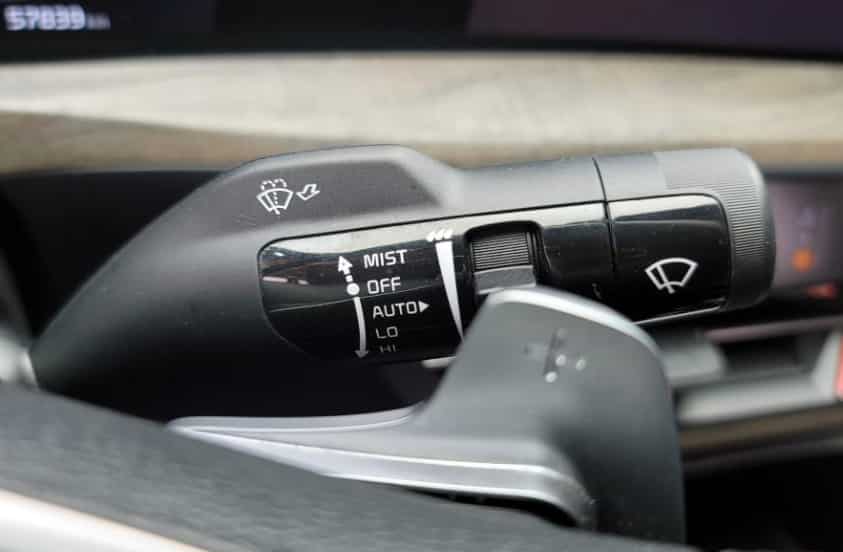
What Is Kia Wiper Service Mode?
Kia Wiper Service Mode is a maintenance feature that moves the windshield wipers into a safe service position. Instead of resting beneath the hood, the wiper arms stop in an upright position. This gives you enough space to inspect, clean, or replace the windshield wiper blades without damaging nearby components.
Modern Kia vehicles use a concealed wiper design to improve aerodynamics and create a cleaner exterior. This design also protects the wiper arms from wind and road debris. However, it limits access when the vehicle is parked. If you pull the wiper arms up without activating Kia Wiper Service Mode, they may hit the hood or place extra stress on the wiper mechanism.
Kia created this feature to make routine maintenance easier and safer. After you activate the mode, the windshield wipers move to a service position on the glass. You can then lift each wiper arm without obstruction. This allows you to replace worn blades, clean the rubber edges, or inspect the wiper assembly with confidence.
Regular maintenance keeps the windshield wipers working properly. Over time, sunlight, rain, dirt, and extreme temperatures wear down the rubber blades. As the rubber ages, the blades may leave streaks, make noise, or fail to clear water effectively. Replacing the blades in time helps maintain clear visibility and improves driving safety during bad weather.
Kia Wiper Service Mode is useful for more than blade replacement. Many drivers use it before cleaning the windshield, removing ice during winter, or checking the condition of the wiper arms. The feature also reduces the risk of scratching the hood or cracking the windshield during maintenance.
Most modern Kia models follow a similar activation process. However, the exact procedure may vary by model year and trim level. Learning how Kia Wiper Service Mode works helps you perform maintenance safely and keeps the windshield wiper system operating as intended.
How to Activate Kia Wiper Service Mode
Activating Kia Wiper Service Mode only takes a few seconds. However, you must follow the correct sequence. If you miss a step or wait too long, the windshield wipers will remain in their normal parked position.
The exact procedure may vary slightly by model year. However, most modern Kia vehicles follow the same process.
Step 1: Park the Vehicle Safely
Park your Kia on a level surface and shift the transmission into Park. Turn off the windshield wipers if they are running. Make sure the wiper arms have returned to their normal resting position before you continue.
Step 2: Turn the Ignition Off
Switch the ignition completely off. If your vehicle uses a smart key, press the Engine Start Stop button until the instrument panel shuts down. Do not leave the ignition in Accessory or On mode because the feature will not activate correctly.
Step 3: Move the Wiper Lever to the MIST Position
Within about twenty seconds after turning off the ignition, push the windshield wiper lever down to the MIST position. Hold the lever for two to three seconds.
The vehicle will recognize the command and begin moving the windshield wipers automatically.
Step 4: Wait for the Wipers to Stop
Allow the wipers to complete their movement without interruption. They will stop in an upright service position near the center of the windshield.
Do not pull on the wiper arms while they are moving. Wait until they stop completely before lifting them.
Step 5: Perform the Required Maintenance
You can now lift each wiper arm safely. Replace the windshield wiper blades, clean the rubber inserts, or inspect the wiper assembly for wear and damage.
Handle each wiper arm carefully. Avoid letting it snap back against the windshield because the metal arm can crack or chip the glass.
How to Confirm Service Mode Is Active
You can confirm that Kia Wiper Service Mode is active by checking the position of the wiper arms. They should remain raised on the windshield instead of resting beneath the hood.
If the wipers return to their normal position immediately, repeat the procedure from the beginning. Make sure you turn the ignition off completely and move the wiper lever within the recommended time window.
Although the activation process is similar across many Kia models, you should always check your owner’s manual if your vehicle does not respond as expected. Some model years include small differences in the control sequence or timing.
How to Turn Off Kia Wiper Service Mode
After you finish the maintenance, you should return the windshield wipers to their normal parking position. This process is quick and requires only a few simple steps.
Step 1: Lower the Wiper Arms Carefully
Place each wiper arm back against the windshield. Make sure both blades sit flat on the glass before you continue. Never let a wiper arm fall freely because it can crack the windshield or damage the new blade.
Step 2: Turn the Ignition On
Start the engine or switch the ignition to the On position. Wait a few seconds for the vehicle systems to initialize.
Step 3: Operate the Wiper Switch
Move the windshield wiper lever to the MIST position or turn the wipers on briefly. The system will recognize that maintenance is complete and move the wipers back to their normal resting position beneath the hood.
Once the movement finishes, switch the wipers off if they are still operating.
Step 4: Check the Final Position
Inspect the windshield to confirm that both wiper arms rest evenly at the bottom of the glass. They should park below the edge of the hood without leaving any gaps or sitting at different heights.
If one wiper stops in the wrong position, activate the wipers again and allow them to complete a full wiping cycle. This usually resets the parking position automatically.
Verify That the Wipers Work Correctly
Spray washer fluid onto the windshield and operate the wipers for several passes. Watch the movement across the entire glass. The blades should move smoothly, clear water evenly, and return to the correct parking position after each cycle.
If you notice streaks, skipping, unusual noise, or uneven movement, inspect the blades again. Make sure each blade is fully locked into the wiper arm and matches the correct size for your Kia model.
Returning the system to its normal position completes the maintenance process. Your windshield wipers are now ready for everyday driving and will operate normally during rain or when you use the windshield washer system.
How to Replace Kia Windshield Wiper Blades
Replacing your windshield wiper blades is one of the easiest ways to maintain clear visibility and improve driving safety. Before starting the replacement, activate Kia Wiper Service Mode to move the wiper arms into an accessible position. This prevents the hood from blocking the wipers and reduces the chance of damaging the windshield during maintenance. It is also important to choose replacement blades that match your Kia model and model year because the driver side and passenger side often require different lengths. Using the correct size helps the blades maintain even contact with the windshield and delivers consistent wiping performance in all weather conditions.
Once the wiper arms are in the service position, lift one arm carefully while supporting it with your hand. Locate the locking tab that secures the old blade to the wiper arm. Press the release tab and slide the blade downward until it separates from the hook. Avoid twisting the arm because unnecessary force may damage the connection point. Take the new blade and align it with the hook before sliding it into place. Continue pushing until you hear a click that confirms the blade is securely attached. Repeat the same process on the opposite side, making sure both blades are installed correctly before lowering the wiper arms back onto the windshield.
After completing the installation, return the windshield wipers to their normal parking position and test their operation. Spray washer fluid across the windshield and allow the wipers to complete several full cycles. Watch the movement carefully to confirm that the blades glide smoothly across the glass without leaving streaks, skipping, or producing unusual noise. If the wiping pattern appears uneven, inspect each blade again to ensure it is fully locked into the wiper arm and matches the recommended size. Most windshield wiper blades should be replaced every six to twelve months, although extreme heat, freezing temperatures, and frequent exposure to dirt or sunlight can shorten their lifespan. Replacing worn blades before they fail helps maintain clear visibility, protects the windshield, and keeps the entire wiper system operating efficiently throughout the year.
Kia Wiper Service Mode Not Working
If Kia Wiper Service Mode is not working, the issue is often caused by an incorrect activation sequence rather than a fault in the windshield wiper system. Most modern Kia vehicles require the ignition to be completely turned off before the feature can activate. After switching off the vehicle, you must move the wiper lever to the MIST position within the required time. If you wait too long or leave the ignition in Accessory mode, the system will ignore the command and keep the windshield wipers in their normal parking position. Restarting the process from the beginning usually solves this problem. Following each step in the correct order allows the electronic control system to recognize the command and move the wipers into the service position.
If the correct procedure does not solve the issue, inspect the windshield wiper system for mechanical or electrical problems. Dirt, leaves, snow, or ice around the base of the windshield can restrict the movement of the wiper arms and prevent them from reaching the service position. A weak battery may also reduce the power available to the wiper motor, especially during cold weather. In some cases, worn linkage components, a faulty wiper motor, or an electrical problem within the control system can affect normal operation. These issues often cause slow movement, unusual noises, or incomplete wiping cycles during everyday use.
Begin troubleshooting by clearing any debris around the windshield cowl and confirming that the battery is fully charged. Turn the ignition off again and repeat the activation sequence carefully. If Kia Wiper Service Mode still fails to activate after several attempts, test the windshield wipers during normal operation. Wipers that move smoothly but refuse to enter Service Mode may indicate a software or control module issue. If the wipers also perform poorly during regular use, schedule an inspection with a qualified Kia technician. Early diagnosis can prevent further damage and help restore the windshield wiper system to proper working condition.
Kia Models That Support Wiper Service Mode
Kia Wiper Service Mode is available on many modern Kia vehicles, although the activation procedure may vary slightly depending on the model year and trim level. Most vehicles equipped with concealed windshield wipers include this feature because the wiper arms cannot be lifted directly from their normal parking position. Popular models such as the Kia Sportage, Kia Sorento, Kia Telluride, Kia K5, Kia Seltos, Kia Carnival, Kia EV6, and Kia EV9 all support a version of Wiper Service Mode. Many owners of these vehicles use the feature during routine maintenance to replace windshield wiper blades, clean the windshield, or prepare the vehicle for winter weather.
While the overall process remains similar, Kia may update the electronic control system as new models are released. Some vehicles activate Wiper Service Mode immediately after the ignition is turned off, while others require the driver to complete the procedure within a specific time. Certain trims equipped with advanced driver assistance systems or rain sensing windshield wipers may also respond differently depending on the vehicle configuration. For this reason, owners should always follow the instructions designed for their specific model instead of assuming that every Kia vehicle uses the same sequence.
If you are unsure whether your vehicle supports Kia Wiper Service Mode, check the owner’s manual or test the activation procedure in a safe location. The feature is available on most recent Kia models, but older vehicles with exposed windshield wipers may not require a dedicated service position because the wiper arms can be lifted directly from the windshield. Understanding the differences between model years helps you perform maintenance correctly, avoid accidental damage, and ensure the windshield wiper system continues to operate safely in all driving conditions.
Common Mistakes When Using Kia Wiper Service Mode
Many drivers make small mistakes when using Kia Wiper Service Mode. These mistakes can reduce wiper performance or even damage the windshield wiper system. One of the most common problems occurs when drivers try to lift the windshield wiper arms without activating Service Mode. Most modern Kia vehicles park the wipers beneath the hood, so the arms cannot move freely. Pulling them upward by force may bend the linkage or cause the arms to strike the edge of the hood. Repeating this action over time can shorten the life of the wiper system and increase repair costs.
Another common mistake involves installing the wrong replacement blades. Each Kia model requires specific blade lengths and attachment types. Blades that do not fit correctly often leave streaks, create unwanted noise, or fail to clear water from the windshield. Drivers should also support each wiper arm while replacing the blades. Allowing the metal arm to snap against the windshield can scratch the glass, damage the new blade, or even crack the windshield.
Some owners complete the replacement but forget to return the windshield wipers to their normal parking position. This mistake may cause unexpected movement the next time the wipers operate. Before driving, confirm that both wiper arms rest beneath the hood and move through a full wiping cycle without hesitation. A quick inspection takes only a few moments, but it helps prevent unnecessary problems. It also protects the windshield, extends the life of the wiper components, and keeps the system ready for safe driving in every season.
Frequently Asked Questions
Does every Kia model have Wiper Service Mode?
Not every Kia model includes Kia Wiper Service Mode. Most recent models with concealed windshield wipers support this feature because the hood covers part of the wiper arms. Older Kia vehicles often use exposed wipers that drivers can lift without entering a service position. If you are unsure about your vehicle, check the owner’s manual or test the activation procedure after turning off the ignition.
Can I lift the windshield wipers without activating Service Mode?
You should avoid lifting the windshield wipers unless they are already in the service position. Many modern Kia vehicles park the wipers below the hood, which limits their movement. Pulling the arms upward by force can damage the wiper linkage, scratch the hood, or crack the windshield. Activating Kia Wiper Service Mode first provides enough clearance and helps protect the entire wiper system.
Why does Kia Wiper Service Mode fail to activate?
The feature usually fails because the activation sequence is incorrect. The ignition must be completely off before you move the wiper lever to the MIST position. You also need to complete the procedure within the required time. If the system still does not respond, inspect the battery, remove any debris around the windshield cowl, and confirm that the windshield wipers operate normally during regular use.
Does using Wiper Service Mode affect the vehicle warranty?
Using Kia Wiper Service Mode does not affect your vehicle warranty. Kia designed this feature to support routine maintenance and blade replacement. Following the recommended procedure helps prevent accidental damage and allows you to maintain the windshield wiper system safely. Problems usually occur only when drivers force the wiper arms without activating the service position.
How often should I replace Kia windshield wiper blades?
Most Kia owners should replace their windshield wiper blades every six to twelve months. The exact interval depends on driving conditions, weather, and blade quality. Replace the blades sooner if they leave streaks, skip across the windshield, produce excessive noise, or show signs of cracked rubber. Regular replacement improves visibility and helps the windshield wiper system perform efficiently throughout the year.
Conclusion
Kia Wiper Service Mode makes routine windshield maintenance safer, easier, and more efficient. By moving the windshield wipers into a dedicated service position, this feature gives you enough space to replace worn blades, clean the rubber edges, and inspect the wiper system without risking damage to the hood or windshield. Learning the correct activation and deactivation process also helps you avoid common mistakes that can affect wiper performance over time.
Although the exact procedure may vary slightly between Kia models, the basic steps remain simple and easy to follow. Performing regular inspections, replacing worn windshield wiper blades on time, and keeping the wiper system clean will improve visibility in rain, snow, and other challenging driving conditions. These small maintenance tasks also help extend the life of the wiper motor, linkage, and other related components.
If Kia Wiper Service Mode does not work as expected, begin by checking the activation sequence and inspecting the windshield wiper system for any signs of obstruction or wear. Most issues have simple solutions, while more complex problems may require professional diagnosis. Understanding how the system operates allows you to maintain your vehicle with greater confidence and reduce the risk of unnecessary repairs.
Whether you drive a Kia Sportage, Sorento, Telluride, K5, Seltos, Carnival, EV6, EV9, or another Kia model, knowing how to use Kia Wiper Service Mode is an important part of regular vehicle maintenance. Following the correct procedure will help protect your windshield, improve driving safety, and keep your windshield wipers performing reliably throughout the year.