The knock sensor is a crucial component of the engine that helps prevent damage from destructive engine knock. It works by detecting unwanted vibrations in the engine and relaying that information to the vehicle’s computer. Over time, several factors can potentially cause a knock sensor to malfunction. What causes a knock sensor to go bad?
The most typical cause is normal wear and tear from prolonged exposure to engine heat and vibration. As the sensor ages, its capacity to detect knocking sounds deteriorates. Other concerns, such as contamination from dirt, filth, or oil, might build up on the sensor head and interfere with performance. Glitches might occur as a result of wiring issues between the sensor and the computer. In rare situations, a powerful knocking incident may physically harm the sensor.
Proper maintenance, such as regular tune-ups, helps to protect the knock sensor. However, over time, excessive mileage use causes unavoidable depreciation.
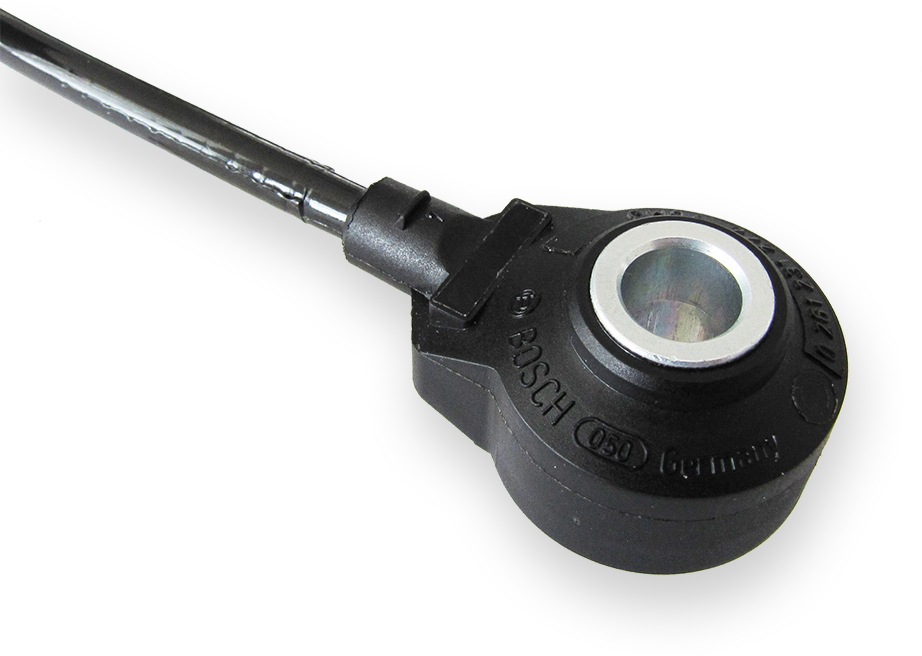
What Causes A Knock Sensor To Go Bad?
High Temperatures and Vibrations
The engine compartment is subject to extreme temperatures and vibrations during operation. Over time, these conditions can lead to sensor degradation, compromising its ability to accurately detect engine knock.
Corrosion
Moisture, contaminants, and corrosive substances can infiltrate the sensor, leading to corrosion of its internal components. Corrosion can impair the sensor’s functionality, causing it to provide inaccurate readings or fail altogether.
Electrical Issues
Poor electrical connections or wiring problems can disrupt the signal transmission between the knock sensor and the engine control unit (ECU). This interference can lead to erratic sensor behavior or complete sensor failure.
Exposure to Engine Fluids
Prolonged exposure to engine oil or coolant leaks can damage the knock sensor’s delicate components. Contaminants from these fluids can infiltrate the sensor, causing internal damage and affecting its performance.
Physical Damage
The knock sensor is typically located on the engine block or cylinder head, making it susceptible to physical damage from impacts or mishandling during maintenance or repair procedures. Physical damage can impair the sensor’s functionality or cause it to fail outright.
Manufacturer Defects
In some cases, knock sensor failure may be attributed to manufacturing defects or quality control issues. These defects can manifest as premature sensor failure or reduced sensitivity to engine knock.
How To Fix A Knock Sensor To Go Bad?
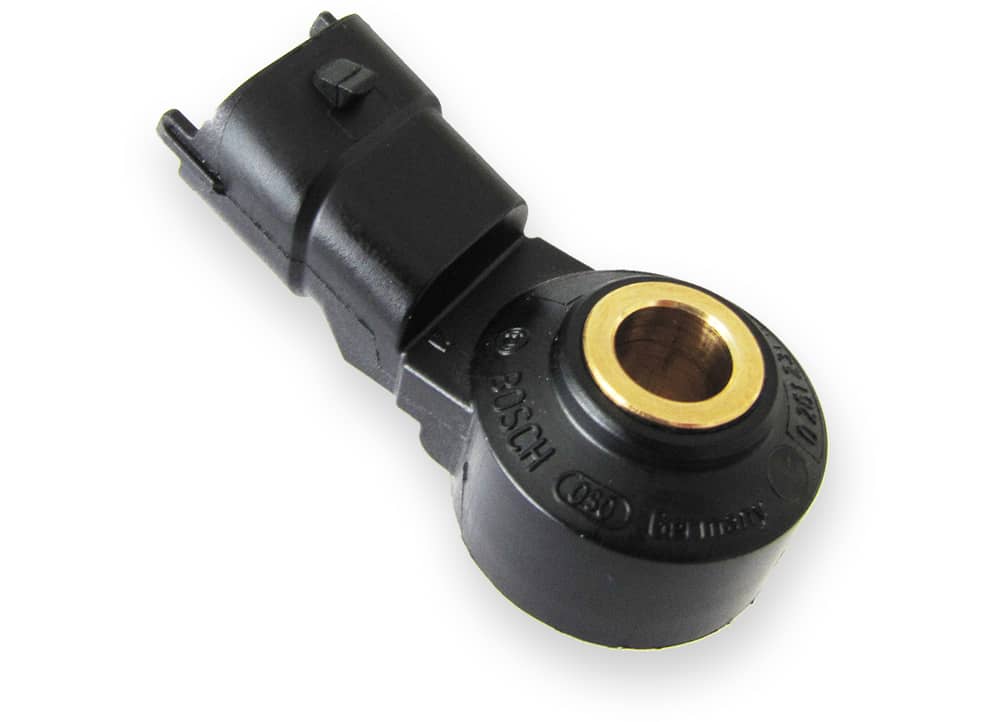
Fixing a faulty knock sensor involves several steps to diagnose the issue accurately and replace the sensor if necessary. Here’s a general guide on how to address a bad knock sensor:
Diagnosis
Use a diagnostic scanner to retrieve error codes stored in the vehicle’s onboard computer system. A specific code related to the knock sensor will indicate a potential issue with the sensor.
Visual Inspection
Inspect the knock sensor and its wiring harness for any signs of damage, corrosion, or loose connections. Ensure that the sensor and its wiring are securely mounted and free from debris.
Testing
Use a multimeter to test the resistance of the knock sensor according to the manufacturer’s specifications. Compare the measured resistance with the recommended range. If the resistance is outside the acceptable range, the sensor is likely faulty and needs replacement.
Replacement
If the knock sensor is determined to be faulty, replace it with a new sensor of the correct specification for your vehicle. The knock sensor is typically located on the engine block or cylinder head and may require removing other components or accessories for access.
Clear Error Codes
After replacing the knock sensor, use the diagnostic scanner to clear any error codes stored in the vehicle’s computer system. This ensures that the ECU recognizes the replacement and resets the system.
Test Drive
Take the vehicle for a test drive to ensure that the new knock sensor is functioning correctly. Monitor for any abnormal engine behavior or warning lights that may indicate further issues.
Follow-Up Inspection
After the test drive, perform a final visual inspection of the knock sensor and its wiring to ensure that everything is properly installed and secured.
If you’re not comfortable performing these steps yourself, it’s recommended to seek assistance from a qualified mechanic or technician.
How Long Do Knock Sensors Last?
Knock sensors typically last anywhere from 50,000 to 150,000 miles, depending on driving and engine conditions.
In general automotive experts estimate the average lifespan of a knock sensor is around 100,000 miles.
- Higher quality knock sensors from reputable brands may last closer to 150,000 miles under normal driving.
- Sensors can last less if the engine is pushed hard with very spirited or lead footed driving over its lifespan.
- Extremely high mileage engines over 200,000 miles are more likely to need knock sensor replacement.
- Harsh environments with lots of dust, dirt or excessive heat can shorten a sensor’s lifespan.
- Well maintained engines where other components are replaced as scheduled will help maximize knock sensor life.
- Driving in very hot or very cold temperatures consistently takes a larger toll on sensor longevity.
Most drivers can expect a knock sensor to provide reliable service for 5-10 years or up to 100,000 miles with proper engine upkeep. Replacement may then be needed depending on vehicle and operating conditions.
Can You Drive With A Bad Knock Sensor?
You can potentially continue driving with a bad or failing knock sensor, but it’s generally not recommended for several reasons:
Reduced Engine Performance
A faulty knock sensor can’t properly detect detonation. This prevents the engine computer from accurately adjusting ignition timing for best power and fuel economy.
Increased Knocking/Pinging
Without the sensor signaling knocking, advanced timing may cause more frequent or worse engine pinging. This can damage components over time.
Higher emissions
Driving with a bad sensor affects how cleanly the engine runs and likely causes an increase in harmful exhaust emissions.
Damage Risk
A knock sensor ensures optimal timing so that abnormalities don’t accelerate wear. Ignoring the problem long-term could lead to premature internal engine damage.
Check Engine Light
Most modern vehicles will illuminate the CEL if the onboard diagnostics detect a faulty knock sensor. This is a warning sign not to ignore.
Driveability Issues
Driving may feel rougher or less responsive due to inefficient timing without proper knock control. Stalling is also possible.
While you may be able to drive short distances, it’s not wise to consistently rely on a vehicle with this faulty component for safety reasons.