An engine misfire happens when one or more cylinders fail to ignite properly, resulting in uneven running or vibration in the engine. To diagnose and address an engine misfire, follow a few basic procedures. How to fix engine misfire?
First, thoroughly inspect all spark plugs and ignition coils for corrosion, cracks, or deposits that could result in a poor spark. Next, investigate any problems with the gasoline delivery system. Check for any vacuum leaks caused by broken intake manifold gaskets or hoses. Once potential faults have been found, minor misfires can be resolved by replacing damaged components such as plugs, coils, or fuel injectors. More complex issues may necessitate the use of specialized engine diagnostic equipment. Taking the effort to adequately analyze the underlying cause is critical for achieving a long-term repair.
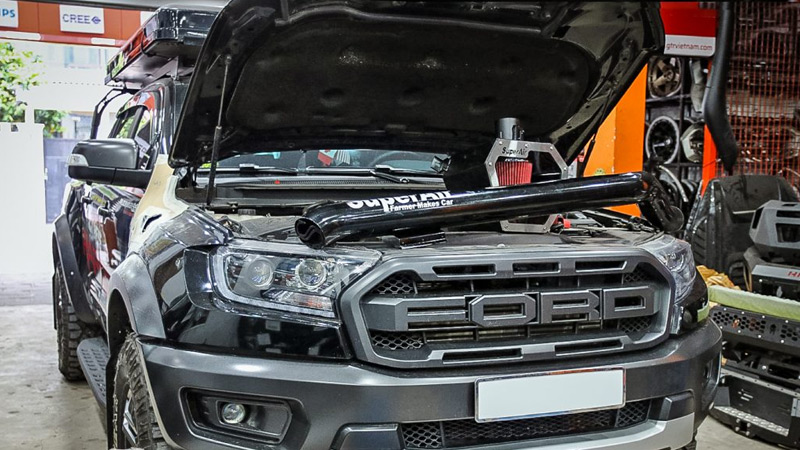
How To Fix Engine Misfire?
Fixing an engine misfire is crucial for maintaining optimal vehicle performance and preventing potential damage. Here’s a step-by-step guide on how to fix an engine misfire:
Diagnosis
Determine the reason for the misfire. Common causes include broken spark plugs, ignition coils, fuel injectors, vacuum leaks, and engine compression issues. Use a diagnostic scanner to retrieve error codes from the vehicle’s computer system. This code can provide crucial information about the cause of the misfire.
Inspect Spark Plugs
Spark plugs are a common culprit of engine misfires. Remove and inspect each spark plug for signs of wear, damage, or fouling. Replace any damaged or worn-out spark plugs with new ones of the correct specification for your vehicle.
Check Ignition Coils
Ignition coils are responsible for providing spark to the spark plugs. Check the ignition coils for cracks, corrosion, and other indicators of damage. Replace any faulty ignition coils for optimum ignition.
Inspect Fuel Injectors
Fuel injectors give fuel to the combustion chamber. Misfires can be caused by clogged or defective fuel injectors. Conduct a visual assessment of the fuel injectors and clean or replace any that appear to be defective.
Address Vacuum Leaks
Vacuum leaks can alter the air-fuel combination entering the engine, resulting in a misfire. Inspect the hoses, gaskets, and intake manifold for leaks and replace any that are broken.
Check Engine Compression
Misfires can occur when there is low compression in one or more cylinders. Perform a compression test to see whether any cylinders have insufficient compression. If low compression is found, additional inspection and repair may be required.
Reset Error Codes
After resolving the underlying causes of the misfire, utilize the diagnostic scanner to clear any error codes saved in the vehicle’s computer system. This guarantees that the vehicle’s engine management system recognizes the repairs and runs smoothly.
Test Drive
Make that the misfire has been fixed by giving the car a test drive. Keep an eye out for any unusual engine activity and take appropriate action for any persistent problems.
10 Reasons For Engine Misfire
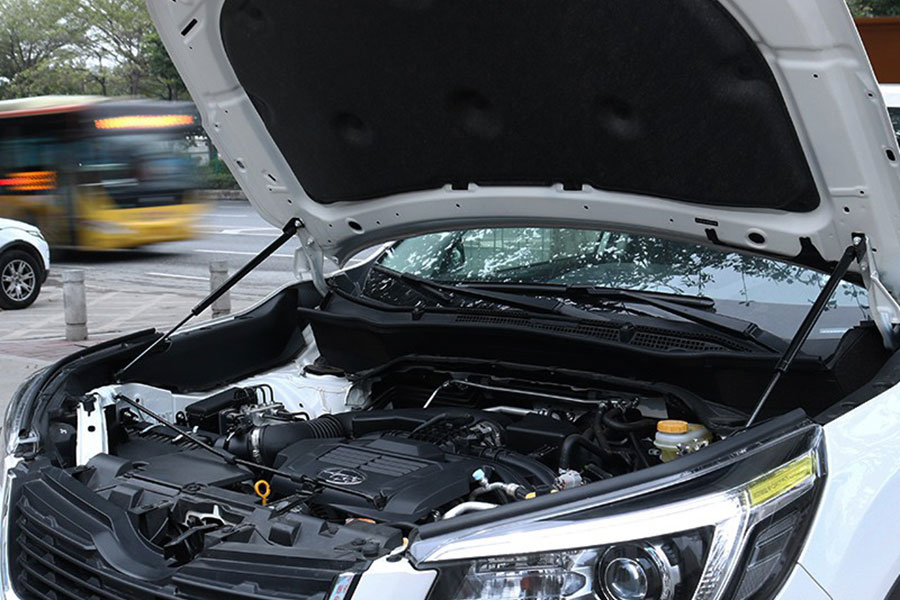
Engine misfires can occur due to various reasons. Here are some common causes of engine misfires:
#1. Faulty Spark Plugs
Damaged or worn-out spark plugs may prevent the combustion chamber’s air-fuel mixture from being properly ignited. This may lead to a discernible misfire and incomplete combustion.
#2. Ignition System Issues
Ignition system issues include broken distributor caps, rotors, ignition coils, and ignition modules. Misfires may result from them if there is uneven spark distribution to the spark plugs.
#3. Fuel System Problems
problems with the gasoline system, including low fuel pressure, damaged fuel pumps, and blocked or broken fuel injectors. They may cause misfires by altering the air-fuel mixture ratio.
#4. Vacuum Leaks
Vacuum hose leaks, gasket leaks, or intake manifold leaks can all let unmetered air into the combustion chamber. It alters the fuel-air mixture, leading to misfires.
#5. Compression Issues
Misfires can arise from improper combustion caused by low compression in one or more cylinders. Low compression can be caused by leaky valves, broken cylinder walls, or worn piston rings.
#6. Timing Problems
Misfires can result from timing errors in the ignition or valve processes, which disturb the combustion process. A broken timing sensor, a timing belt or chain, or incorrect timing component adjustment could be the cause of this.
#7. Exhaust System Restrictions
Restrictions in the exhaust system can impede the flow of exhaust gases, affecting engine performance and potentially causing misfires.
#8. Engine Sensors Malfunction
- The mass airflow sensor (MAF)
- Oxygen sensor (O2 sensor)
- Crankshaft position sensor
Malfunctioning above engine sensors can provide inaccurate data to the engine control unit (ECU) leading to misfires.
#9. Electrical Problems
Misfires can occur when engine components are unable to operate properly due to electrical system problems such weak connections, corroded wiring, or a failing battery.
#10. Engine Overheating
Misfires can result from overheating due to pre-ignition or detonation. Furthermore, excessive heat can harm ignition coils and spark plugs in engines, which exacerbates misfire problems.
Is An Engine Misfire Expensive To Fix?
The cost of fixing an engine misfire can vary significantly depending on the underlying cause of the issue and the extent of the required repairs.
Replacing spark plugs: Spark plugs typically need to be replaced every 30,000-100,000 miles, so their condition should be checked first. New plugs usually cost $2-5 each to replace.
Replacing ignition coils: Coils last longer than plugs but may fail over time. Coils can range from $50-150 each to replace.
Cleaning or replacing fuel injectors: Clogged injectors are a common misfire cause. Professional cleaning is $100-300 while replacement injectors cost $100-500 each.
Replacing oxygen sensors: Bad sensors can confuse the fueling, costing $200-400 per sensor to replace.
Fixing vacuum leaks: Repairing intake gaskets/hoses may cost $100-500 in parts and labor.
Engine management computer reprogramming: Required if codes are stored, $100-300 labor typically.
Here are some factors that can influence the cost of fixing an engine misfire:
Cause of the Misfire: The cost of repairs will largely depend on the specific component or system causing the misfire.
Diagnostic Costs: Identifying the exact cause of the misfire may require diagnostic testing, which can incur additional costs.
Labor Costs: The cost of labor can vary depending on the complexity of the repair and the labor rates charged by the auto repair shop.
Parts Replacement: If components such as spark plugs, ignition coils, fuel injectors, or sensors need to be replaced, the cost will include the price of the parts themselves.
Additional Repairs: In some cases, addressing an engine misfire may uncover additional issues that need to be addressed to ensure proper engine function.