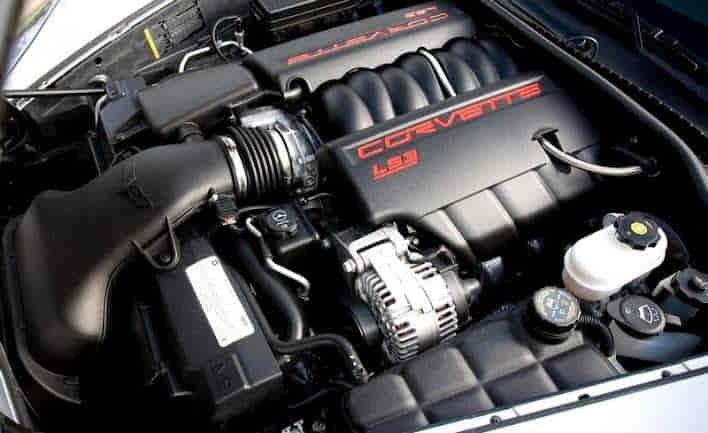
The GM LS3 is a 6.2-liter naturally aspirated V8 engine found in several performance cars and sedans, including the Chevrolet Corvette C6, fifth-generation Chevrolet Camaro SS with a manual transmission, Pontiac G8 GXP, and Chevrolet SS. It belongs to General Motors’ LS engine family and is known for its strong power output, compact pushrod design, and widespread use in performance applications. However, not every Chevrolet or GM vehicle equipped with a 6.2-liter V8 uses the LS3, so identifying the exact model, year, and factory configuration is essential.
The LS3 appeared in different vehicles and markets, with specifications varying by application. For example, the Corvette C6 and Camaro SS use the engine in distinct vehicle platforms, while the Pontiac G8 GXP and Chevrolet SS brought LS3 power to performance sedans. Related Holden and HSV models in Australia also used LS3 engines in selected configurations. These factory applications should be distinguished from vehicles that received an LS3 through an aftermarket engine swap.
This guide explains what cars came with the LS3 engine from the factory, which model years and versions to look for, and how to distinguish the LS3 from related engines such as the LS2, L99, and LS7. It also covers the engine’s key specifications and practical ways to verify whether a vehicle originally came with an LS3.
The LS3 engine was installed from the factory in several General Motors performance vehicles, including the Chevrolet Corvette C6, Chevrolet Camaro SS with a manual transmission, Pontiac G8 GXP, and Chevrolet SS sedan. Selected Holden and HSV performance models in Australia also used LS3 power. These applications span sports cars and performance sedans, making the LS3 a significant engine within GM’s 6.2-liter V8 lineup. However, the exact model year, trim level, transmission, and market determine whether a particular vehicle originally came with an LS3.
The Chevrolet Corvette C6 is one of the best-known LS3 applications. For the 2008 model year, the standard Corvette received the 6.2-liter LS3, replacing the 6.0-liter LS2 used in earlier standard C6 models. The LS3 was also available in the C6 Grand Sport, depending on model year and configuration. The fifth-generation Chevrolet Camaro SS introduced another major application in 2010, with the LS3 used in manual-transmission versions. Automatic-transmission Camaro SS models from the same period generally used the related L99 engine instead, so the SS badge alone does not confirm an LS3.
The LS3 also powered performance sedans such as the 2009–2010 Pontiac G8 GXP and the Chevrolet SS sold in North America for the 2014–2017 model years. In Australia, selected Holden Commodore and HSV performance variants used LS3 engines, with specifications varying by model and year. These regional applications matter because vehicles with similar names or body styles did not always share the same engine configuration across markets.
When checking whether a car came with an LS3, identify the exact model year and factory trim rather than relying only on the vehicle’s appearance or advertised engine size. A 6.2-liter displacement badge does not necessarily identify the engine code, and an LS3 may have been installed after the vehicle left the factory. Factory documentation, vehicle build information, and engine identification details provide stronger evidence of the original configuration. This distinction is particularly important when comparing used performance cars or evaluating a vehicle that has been modified.
Read more: Chevy Big Block Firing Order
The Chevrolet Corvette C6 received the LS3 6.2-liter V8 for the 2008 model year, making it one of the most recognizable factory applications of this engine. The LS3 replaced the 6.0-liter LS2 in the standard C6 Corvette and delivered approximately 430 horsepower and 424 lb-ft of torque in its standard configuration. Certain factory performance packages increased the rated output to approximately 436 horsepower. These specifications made the LS3-powered Corvette a significant step forward in the C6 generation, combining naturally aspirated V8 performance with a lightweight sports-car platform.
The LS3 was available in several C6 Corvette configurations, including the standard coupe and convertible, as well as the Grand Sport introduced for the 2010 model year. The Grand Sport combined the LS3 engine with a wider performance-oriented chassis, larger brakes, and other features designed to improve handling. Depending on the configuration, the Corvette used either a manual or automatic transmission, with specific performance equipment varying by model year. The Grand Sport should also be distinguished from the higher-performance Corvette Z06, which used the 7.0-liter LS7 rather than the LS3.
Model year is essential when identifying a Corvette with an original LS3. Earlier standard C6 Corvettes, particularly 2005–2007 models, used the LS2 rather than the LS3. The 2008–2013 standard C6 models are the primary range to investigate when looking for an LS3-powered Corvette, while the Grand Sport extended the LS3 application into the later C6 years. However, the engine in an individual vehicle may have been replaced, so the model year alone does not prove that its current engine is original.
To verify a Corvette’s factory engine, compare its VIN and vehicle build information with reliable Chevrolet documentation for the exact model year and trim. Check the engine identification information where available and look for signs of replacement or modification. This is especially important when purchasing a used C6 Corvette, because LS2 and LS3 models can look similar externally. Confirming the original configuration helps establish whether the vehicle left the factory with an LS3 rather than relying on badges, seller descriptions, or displacement claims.
The fifth-generation Chevrolet Camaro SS used the LS3 6.2-liter V8 in manual-transmission models from the 2010 model year. This engine produced approximately 426 horsepower and 420 lb-ft of torque in the factory-rated configuration, giving the Camaro SS strong naturally aspirated performance. The LS3 was paired with a six-speed manual transmission, while automatic-transmission Camaro SS models generally used the related L99 6.2-liter V8. This distinction is essential when identifying an original LS3-powered Camaro because both versions carried the SS badge and shared much of the same exterior styling.
The LS3 and L99 belong to the same broad GM engine family, but they are not identical engine codes. The L99 was designed for automatic-transmission Camaro SS applications and included Active Fuel Management, which could deactivate cylinders under certain operating conditions to improve fuel economy. The manual-transmission Camaro SS used the LS3, which did not have that factory cylinder-deactivation system. Consequently, checking the transmission configuration is a useful starting point when researching a fifth-generation Camaro SS, although factory records remain the stronger evidence for an individual vehicle.
For buyers and enthusiasts, the relevant Camaro SS range begins with the 2010 model year and continues through the fifth-generation production run, with LS3 availability tied to the manual-transmission configuration. Later-generation Camaro SS models should not automatically be classified as LS3 vehicles because GM changed engine applications across generations. For example, sixth-generation Camaro SS models used the LT1 engine rather than the LS3. The Camaro’s generation and model year therefore matter as much as its SS trim designation.
To confirm whether a Camaro SS originally came with an LS3, compare the VIN, factory build information, transmission specification, and engine identification details. Do not rely exclusively on an LS3 badge or a seller’s description, since an engine swap can change the vehicle’s current configuration. Verifying the original equipment is especially important when evaluating a modified Camaro, comparing vehicle values, or sourcing replacement engine components.
Several performance sedans used the GM LS3 6.2-liter V8, extending the engine beyond Chevrolet’s sports cars. Notable examples include the 2009–2010 Pontiac G8 GXP and the 2014–2017 Chevrolet SS sedan. Selected Holden Commodore and HSV performance models in Australia also used LS3 engines, depending on the model, year, and specification. These vehicles combined V8 performance with four-door practicality, making them relevant choices for enthusiasts looking for LS3 power in a sedan rather than a dedicated sports car.
The Pontiac G8 GXP was the high-performance version of the G8 sedan sold in North America for the 2009 model year. It featured a factory LS3 V8 rated at approximately 415 horsepower and 415 lb-ft of torque. Buyers could find the G8 GXP with either a six-speed manual or a six-speed automatic transmission, making it a distinctive LS3 application among American-market performance sedans. Because Pontiac discontinued its vehicle operations shortly afterward, the G8 GXP became a relatively uncommon option for buyers seeking a factory-installed LS3 outside the Corvette and Camaro lineups.
The Chevrolet SS sedan brought the LS3 back to the North American market for the 2014–2017 model years. Its naturally aspirated 6.2-liter V8 produced a factory-rated 415 horsepower and 415 lb-ft of torque. Based on GM’s rear-wheel-drive performance sedan architecture, the Chevrolet SS combined the LS3 with a six-speed automatic transmission in early production, while a six-speed manual became available later in the model run. Its factory engine configuration distinguishes it from other Chevrolet sedans that used different V8 engines or powertrain designs.
In Australia, selected Holden Commodore and HSV performance variants also used LS3 engines, including certain models within the VE and VF-era performance ranges. However, engine availability varied across trim levels and production years, and Holden or HSV badges alone do not establish that a specific vehicle has an LS3. Some related vehicles used other GM V8 engines, so buyers should check the exact model code, build specification, and engine identification before assuming an LS3 was installed at the factory. This is particularly important when researching imported vehicles, because specifications and naming conventions differ between Australia and North America.
The GM LS3 is a 6.2-liter (376-cubic-inch) naturally aspirated V8 engine designed for rear-wheel-drive performance applications. It uses a small-block architecture with an aluminum cylinder block, aluminum cylinder heads, overhead valves, and a single camshaft located in the block. This pushrod layout keeps the engine relatively compact compared with many overhead-camshaft V8 designs, making it suitable for vehicles such as the Chevrolet Corvette, Camaro SS, Pontiac G8 GXP, and Chevrolet SS. Although the LS3 shares its basic architecture with other GM LS-family engines, its displacement, cylinder heads, airflow characteristics, and factory calibration distinguish it from related versions.
Factory output depends on the vehicle and its configuration. In the C6 Chevrolet Corvette, the LS3 was rated at approximately 430 horsepower and 424 lb-ft of torque in the standard configuration, with certain performance-package versions rated at 436 horsepower. The fifth-generation Camaro SS with a manual transmission was rated at approximately 426 horsepower and 420 lb-ft of torque. The Pontiac G8 GXP and Chevrolet SS sedan used versions rated at approximately 415 horsepower and 415 lb-ft of torque. These differences reflect vehicle-specific factory specifications and calibrations rather than a single universal output rating for every LS3 installation.
The LS3’s performance also comes from its cylinder-head design and ability to move air efficiently through the engine. Its 6.2-liter displacement provides substantial torque, while its naturally aspirated configuration delivers power without a turbocharger or supercharger. The engine uses electronic fuel injection and an engine control module to coordinate fuel delivery and ignition timing. These systems allow the factory calibration to balance performance, drivability, emissions requirements, and reliability for the vehicle in which the engine is installed.
When comparing LS3-equipped vehicles, use the published specifications for the exact model year and trim rather than applying one horsepower figure to every application. Transmission type, factory calibration, exhaust configuration, and performance packages can affect the advertised output. Modified engines may produce figures that differ substantially from factory ratings. For accurate comparisons, distinguish original manufacturer specifications from aftermarket dyno results and verify the engine code before assuming that a vehicle’s stated 6.2-liter displacement confirms it has an LS3.
The most reliable way to determine whether a car originally came with an LS3 engine is to verify its factory build information and compare that information with the engine currently installed. A vehicle’s model name, trim badge, or 6.2-liter displacement does not independently prove that it left the factory with an LS3. For example, a fifth-generation Chevrolet Camaro SS could have an LS3 or an L99 depending on its original transmission configuration, while a Corvette’s engine application varied by model year and trim. Checking the vehicle identification number (VIN), factory build records, and engine identification details helps establish the original specification.
Start by identifying the exact model year, trim level, and transmission. Use the VIN with an authoritative manufacturer database, original build sheet, or dealer-accessible vehicle records to determine the factory engine application. The VIN may identify the vehicle’s original engine through its model-year-specific coding system, but VIN decoding conventions vary by vehicle and year. A generic online decoder may not provide enough detail to distinguish every engine variant, so confirm the result with documentation that specifically covers the vehicle in question.
Next, inspect the engine identification information and compare it with the factory specification. Depending on the engine and vehicle, useful evidence may include block casting numbers, stamped identification codes, production labels, and documentation from previous repairs. These details can help identify the engine family and configuration, although no single casting number should automatically be treated as proof of an original engine. An engine may have been replaced with another LS-family unit, rebuilt using different components, or modified after leaving the factory.
When buying a used LS3-equipped vehicle, compare the factory records with the current engine and ask for documentation of any replacement or modification. A mismatch does not necessarily mean the car is defective, but it changes how the vehicle should be described and evaluated. Confirming the original engine specification is especially important for collectors, restoration projects, and buyers who need the correct replacement parts. If the evidence is incomplete, have a qualified technician or marque specialist verify the engine identification before making a purchase decision.
What Is the Difference Between the LS3, LS2, L99, and LS7?
The LS3, LS2, L99, and LS7 are General Motors V8 engines from the same broad LS engine family, but they differ in displacement, performance design, and factory applications. The LS2 is a 6.0-liter engine with 364 cubic inches of displacement, while the LS3 increases displacement to 6.2 liters, or 376 cubic inches. The LS2 appeared in the standard Chevrolet Corvette C6 from the 2005 through 2007 model years. For the 2008 model year, the standard C6 Corvette switched to the LS3, which delivered higher output while retaining the compact, naturally aspirated pushrod V8 layout.
The LS3 is also closely related to the L99, a 6.2-liter engine used in automatic-transmission versions of the fifth-generation Chevrolet Camaro SS. Although both engines share key architectural features, the L99 includes Active Fuel Management, which can deactivate cylinders under certain operating conditions, and variable valve timing. These systems distinguish it from the LS3 used in manual-transmission Camaro SS models. The Camaro’s factory transmission configuration is therefore an important clue when identifying which engine it originally had, although a vehicle’s current engine should still be verified through its records and identification codes.
The LS7 is a more performance-focused engine with 7.0 liters of displacement, equivalent to 427 cubic inches. In the C6 Corvette Z06, it was rated at 505 horsepower and 470 lb-ft of torque. Its specialized components, including titanium connecting rods, support its high-performance design. Unlike the 6.2-liter LS3, the LS7 was developed for a higher level of factory performance and came in a different Corvette model. A C6 Corvette Z06 should therefore not be mistaken for an LS3-equipped standard Corvette or Grand Sport simply because all belong to the same general engine family.
For vehicle identification, displacement alone does not establish which engine is installed. The LS2 is a 6.0-liter engine, the LS3 and L99 are 6.2-liter engines with different configurations, and the LS7 is a 7.0-liter performance V8. Their factory applications, engine codes, fuel-management systems, and supporting components help distinguish them. Although LS-family engines share design characteristics, replacing one with another is not automatically a direct, plug-and-play swap; compatibility depends on the vehicle, transmission, electronics, and other installation requirements.
Can a Car Have an LS3 Engine Without Leaving the Factory With One?
Yes, a car can have an LS3 engine even if it was not originally equipped with one at the factory. An LS3 engine swap replaces the vehicle’s original engine with a GM 6.2-liter V8, allowing owners to use LS3 power in vehicles beyond the factory-equipped Chevrolet Corvette, Camaro SS, Pontiac G8 GXP, Chevrolet SS, and selected Holden or HSV models. However, a vehicle currently running an LS3 is not automatically an original LS3-equipped model. Its factory configuration and its present engine are two separate facts.
An LS3 swap requires more than installing the engine into the engine bay. Compatibility depends on the vehicle’s engine mounts, transmission, wiring harness, engine control module, fuel system, cooling system, and exhaust configuration. For example, fitting an LS3 into a vehicle originally designed for a different engine may require custom mounts, a compatible transmission setup, electronic integration, and changes to the cooling or exhaust systems. The complexity and cost depend on the vehicle platform and the components already installed.
Emissions rules and vehicle-registration requirements also affect whether an LS3 swap is suitable for road use. Depending on the jurisdiction, the installation may need to meet specific emissions standards, inspection requirements, or engine-change documentation rules. Before beginning a swap, owners should confirm the applicable regulations and establish which supporting components are required. A mechanically compatible installation is not necessarily legal for public-road use in every location.
To determine whether a car originally came with an LS3, check its factory build sheet, vehicle identification number (VIN) information, original sales documentation, and engine identification codes where available. These records help establish the factory configuration, while a physical inspection can help identify the engine currently installed. If the records show a different original engine but the vehicle now contains an LS3, it should be described as an LS3-swapped vehicle rather than a factory LS3 model. This distinction matters when evaluating a vehicle’s history, originality, and value.