Honda Accord transmission problems happen when the transmission system fails to deliver engine power smoothly. These failures usually come from worn components, poor fluid conditions, or electronic control issues. Transmission problems can affect acceleration, gear changes, fuel efficiency, and driving comfort.
Honda Accord vehicles have a strong reputation for reliability. However, the transmission can still develop problems after high mileage, poor maintenance, or difficult driving conditions. Common issues include slipping gears, delayed shifting, hard gear changes, strange noises, fluid leaks, and overheating.
Each transmission problem has a different cause. A low fluid level may create shifting delays. Worn internal parts may cause slipping or grinding sounds. Electronic failures may also affect how the transmission selects and changes gears.
Early diagnosis helps prevent expensive repairs. Some Honda Accord transmission problems only require fluid service or component replacement. Severe damage may require a transmission rebuild or replacement.
This guide explains the symptoms, causes, diagnosis process, repair costs, and prevention methods for Honda Accord transmission problems. Understanding these issues helps owners maintain their vehicles and make better repair decisions.
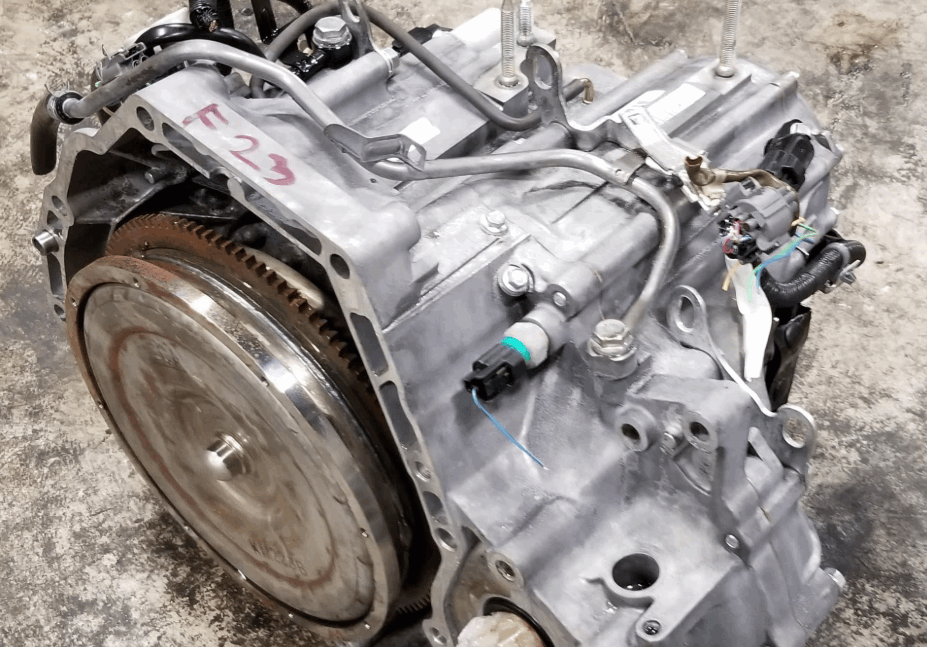
What Are the Most Common Honda Accord Transmission Problems?
Honda Accord transmission problems usually appear through several common failure patterns. The most frequent issues include transmission slipping, delayed engagement, hard shifting, transmission shuddering, unusual noises, fluid leaks, and overheating. Each problem affects how the transmission transfers power from the engine to the wheels.
Transmission slipping happens when the transmission cannot maintain a stable connection between gears. Drivers may notice the engine speed increasing without a similar increase in vehicle speed. This issue often develops because of worn clutch components, low transmission fluid, or reduced hydraulic pressure inside the transmission system.
Delayed engagement is another common problem in Honda Accord models. This happens when the vehicle takes extra time to move after shifting from Park into Drive or Reverse. The delay usually occurs because the transmission cannot build enough hydraulic pressure to activate internal components quickly.
Hard shifting creates sudden or uncomfortable gear changes. A healthy transmission should change gears smoothly, but damaged solenoids, contaminated fluid, or electronic control problems can interrupt normal shifting patterns. Some drivers experience jerking sensations during acceleration or when the vehicle changes gears.
Transmission shuddering often appears as vibration during acceleration. This problem may come from worn internal parts, torque converter issues, or incorrect transmission fluid conditions. Ignoring these symptoms can increase friction and heat, which may cause more serious transmission damage.
Transmission fluid leaks and overheating are also important warning signs. Low fluid levels reduce lubrication and increase wear on internal components. Excessive heat can damage seals, gears, and other transmission parts. Identifying these problems early helps prevent larger failures and reduces repair costs.
What Are the Signs of Honda Accord Transmission Problems?
Honda Accord transmission problems often show clear warning signs before complete failure occurs. Recognizing these symptoms early helps owners diagnose issues before they become more expensive. The most common signs include slipping gears, rough shifting, delayed movement, unusual sounds, warning lights, and abnormal smells.
A slipping transmission occurs when the transmission cannot transfer engine power effectively. Drivers may notice that the engine RPM increases while the vehicle does not accelerate normally. This happens because worn internal components or low hydraulic pressure prevent the transmission from maintaining proper gear engagement.
Hard shifting and jerking are also common signs of transmission trouble. A Honda Accord should change gears smoothly during normal driving. When the vehicle suddenly jerks during acceleration or produces a strong impact during gear changes, the problem may involve damaged solenoids, old transmission fluid, or electronic control issues.
Delayed engagement is another important symptom. This occurs when the vehicle takes several seconds to respond after the driver shifts from Park to Drive or Reverse. The delay usually indicates that the transmission needs more time to build hydraulic pressure or activate internal components.
Unusual noises can also indicate transmission damage. Grinding, whining, or humming sounds often develop when internal parts experience excessive wear or insufficient lubrication. These sounds should not be ignored because continued operation may increase damage to gears and bearings.
A check engine light or transmission warning indicator can provide an additional warning. The vehicle’s computer system detects abnormal transmission behavior and stores diagnostic trouble codes. However, warning lights alone do not confirm complete transmission failure. A professional inspection is necessary to identify the exact cause.
Burning smells are another serious sign. Overheated transmission fluid loses its ability to protect internal parts and creates additional friction. If a Honda Accord produces a burnt odor during driving, the transmission should be inspected as soon as possible.
What Causes Honda Accord Transmission Problems?
Honda Accord transmission problems develop because of mechanical wear, fluid issues, overheating, and electronic failures. The transmission contains many connected components that must work together to transfer engine power smoothly. When one part loses efficiency, the entire transmission system can experience performance problems.
Old or contaminated transmission fluid is one of the most common causes of transmission issues. Transmission fluid reduces friction, controls hydraulic pressure, and helps regulate operating temperature. Over time, the fluid breaks down and collects contaminants from normal component wear. Dirty fluid cannot protect internal parts effectively, which increases friction and accelerates damage.
Lack of regular maintenance also contributes to transmission failure. Honda Accord transmissions require proper fluid checks and scheduled maintenance to maintain reliable operation. When owners ignore maintenance intervals, small problems can develop into larger failures. For example, a minor fluid issue may eventually damage the torque converter, clutch components, or internal gears.
Excessive heat is another major cause of transmission problems. High temperatures reduce fluid performance and increase stress on seals and moving components. Driving in heavy traffic, towing heavy loads, or operating in extreme conditions can increase transmission temperature and speed up wear.
Driving habits can also affect transmission lifespan. Aggressive acceleration, sudden gear changes, and continuous stop and go driving create additional stress on transmission components. These conditions force the transmission to handle frequent pressure changes and increased friction.
Electronic failures can create shifting problems in modern Honda Accord transmissions. Components such as the transmission control module, sensors, and solenoids control gear selection and shifting timing. When these systems fail, the transmission may shift incorrectly or enter a protective mode.
Understanding these causes helps Honda Accord owners take preventive action. Regular maintenance, correct fluid service, and early diagnosis can reduce the risk of serious transmission damage and expensive repairs.
How Do You Diagnose Honda Accord Transmission Problems?
Diagnosing Honda Accord transmission problems requires a combination of inspection, testing, and electronic analysis. A transmission symptom does not always identify the exact failure. For example, hard shifting can come from low fluid pressure, damaged components, or electronic control problems. A proper diagnosis helps identify the real cause before choosing a repair method.
The first step is checking the transmission fluid condition. Technicians inspect the fluid level, color, smell, and possible contamination. Healthy transmission fluid helps lubricate internal components and maintain hydraulic pressure. Dark fluid, a burnt smell, or metal particles may indicate internal wear or overheating.
The next step involves scanning the vehicle’s computer system for diagnostic trouble codes. Modern Honda Accord models use electronic systems to monitor transmission performance. The transmission control module collects data from sensors and controls components such as solenoids. Error codes can help identify problems related to shifting, pressure control, or sensor operation.
A road test is also necessary because transmission behavior changes under real driving conditions. During testing, technicians evaluate acceleration, gear changes, shifting delays, vibration, and unusual sounds. These observations help connect symptoms with possible mechanical or electronic failures.
A physical inspection provides additional information about the transmission condition. Technicians check for fluid leaks, damaged connections, worn components, and signs of overheating. They may also inspect the torque converter, valve body, and internal transmission parts when symptoms indicate deeper problems.
Accurate diagnosis prevents unnecessary repairs. Replacing a transmission without identifying the actual cause can create unnecessary costs. A complete diagnostic process helps Honda Accord owners choose the correct repair solution and avoid repeated transmission failures.
How Much Does It Cost to Fix Honda Accord Transmission Problems?
The cost to fix Honda Accord transmission problems depends on the type of failure, vehicle condition, transmission design, and required repair method. Minor transmission issues usually require less expensive repairs, while severe internal damage may require rebuilding or replacing the entire transmission system.
A transmission fluid service is one of the most affordable solutions for early problems. Replacing old or contaminated fluid can improve shifting performance when the transmission components are still in good condition. This service may help reduce symptoms such as delayed shifting or rough gear changes caused by poor lubrication.
Component replacement creates a higher repair cost because it requires more labor and specialized parts. Common repairs include replacing transmission solenoids, sensors, seals, or other damaged components. These parts control fluid pressure, gear selection, and transmission operation. A failure in one component can affect the entire shifting process.
A transmission rebuild costs significantly more because technicians must remove and repair internal components. This process may involve replacing worn gears, clutch components, bearings, seals, and other damaged parts. A rebuild can restore transmission function when the main housing and major components remain usable.
Transmission replacement is usually the most expensive repair option. It becomes necessary when the transmission has severe internal damage or when rebuilding is not practical. The total cost depends on whether the replacement unit is new, rebuilt, or used, as well as labor requirements.
Honda Accord owners should consider the vehicle’s age, mileage, and overall condition before choosing a repair option. A minor repair may extend vehicle life for several years, while a replacement may not provide good value for an older vehicle with multiple problems.
Early diagnosis plays an important role in controlling repair costs. Fixing transmission symptoms before major damage occurs usually requires fewer parts and less labor compared with repairing a completely failed transmission.
How Can You Prevent Honda Accord Transmission Problems?
Preventing Honda Accord transmission problems requires regular maintenance, proper driving habits, and early attention to warning signs. A transmission works through precise mechanical and hydraulic processes, so small issues can become major failures when owners ignore maintenance requirements.
Regular transmission fluid maintenance is one of the most important prevention methods. Transmission fluid protects internal components by reducing friction, controlling temperature, and maintaining hydraulic pressure. When the fluid becomes old or contaminated, it loses its ability to protect gears, seals, and clutch components. Checking fluid condition and following the recommended service schedule helps maintain transmission performance.
Using the correct transmission fluid also protects the system from unnecessary wear. Honda Accord models use specific transmission fluids designed for their transmission systems. Incorrect fluid types can affect lubrication, shifting performance, and long term reliability.
Driving habits also influence transmission lifespan. Smooth acceleration, avoiding unnecessary aggressive driving, and allowing the vehicle to warm up in cold conditions can reduce stress on internal components. Frequent towing or carrying heavy loads can increase heat and pressure inside the transmission, which may accelerate wear.
Early inspection is another effective prevention strategy. Symptoms such as delayed shifting, unusual noises, fluid leaks, or slipping gears should receive attention before the problem becomes more serious. A small repair can often prevent damage to expensive components such as the torque converter or internal gear assemblies.
Maintaining a Honda Accord transmission requires consistent care rather than waiting for failure symptoms. Regular inspections, proper fluid management, and responsible driving habits help improve transmission reliability and reduce the risk of costly repairs.
Conclusion
Honda Accord transmission problems can develop from different causes, including fluid issues, mechanical wear, overheating, and electronic failures. Understanding the early warning signs helps owners protect their vehicles and avoid unnecessary repair costs. Symptoms such as slipping gears, delayed engagement, hard shifting, unusual noises, and fluid leaks often indicate that the transmission needs inspection.
A proper diagnosis is the most important step before choosing a repair solution. Some transmission problems only require fluid service or component replacement, while severe failures may require rebuilding or replacement. The correct repair decision depends on the transmission condition, vehicle mileage, and overall maintenance history.
Regular maintenance remains the most effective way to improve Honda Accord transmission reliability. Maintaining proper fluid levels, using the correct transmission fluid, following service intervals, and addressing symptoms early can reduce stress on internal components and extend transmission lifespan.
A Honda Accord transmission is a complex system that depends on many components working together. By understanding common problems, causes, repair options, and prevention methods, owners can make better decisions and maintain reliable vehicle performance for years.