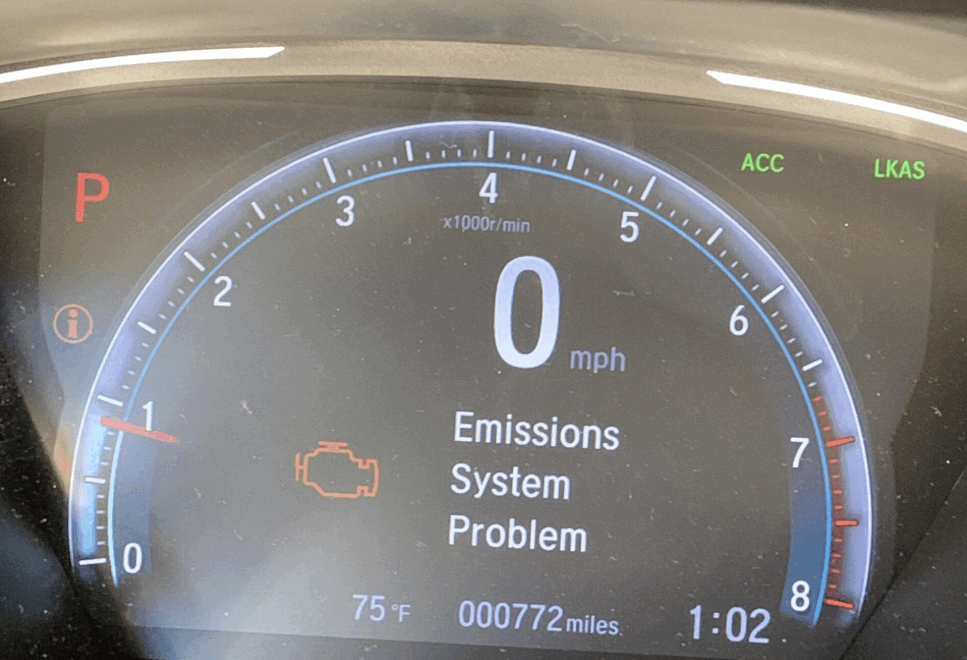
Honda Odyssey Emission System Problem means that the vehicle has detected an issue affecting one or more components responsible for controlling exhaust emissions. The emission system monitors fuel vapor, exhaust gases, and engine performance to ensure the vehicle operates efficiently while reducing harmful pollutants. When the system detects abnormal data from components such as the oxygen sensor, EVAP system, catalytic converter, or fuel system, the vehicle may display an emission system warning.
This warning does not always indicate a major engine failure, but it requires proper diagnosis because different problems can create the same message. A loose fuel cap may trigger an EVAP-related warning, while a damaged oxygen sensor or catalytic converter can affect fuel efficiency, engine performance, and emissions compliance.
Understanding the cause of a Honda Odyssey Emission System Problem helps vehicle owners avoid unnecessary part replacements and identify the correct repair. This guide explains the most common causes, warning symptoms, diagnostic methods, repair options, and estimated costs to help Honda Odyssey owners make informed maintenance decisions.
What Does Honda Odyssey Emission System Problem Mean?
Honda Odyssey Emission System Problem means that the vehicle’s emission control system has detected abnormal conditions that may affect how exhaust gases are managed. The emission system is a network of components that controls fuel vapor, monitors combustion efficiency, and reduces harmful pollutants released from the exhaust. The Engine Control Module (ECM) continuously collects information from sensors and compares the data with expected operating values. When the system detects readings outside the normal range, it activates the warning message.
The emission control system in a Honda Odyssey includes several important components such as the oxygen sensor, EVAP system, catalytic converter, air fuel ratio sensor, and related electrical circuits. Each component has a specific function in maintaining efficient engine operation. For example, oxygen sensors measure oxygen levels in exhaust gases and allow the ECM to adjust the fuel mixture. If the sensor sends inaccurate information, the engine may receive incorrect fuel adjustments, which can increase emissions and reduce fuel efficiency.
A Honda Odyssey Emission System Problem does not always mean the vehicle has a severe mechanical failure. Some causes are simple, such as a loose fuel cap that creates an EVAP leak. Other causes require more advanced repairs, such as a failing catalytic converter or damaged emission sensor. The warning message identifies that the system needs attention, but a diagnostic process is necessary to determine the exact failed component.
Understanding this warning helps owners avoid replacing expensive parts without confirmation. Proper diagnosis using an OBD II scanner and component testing provides a clearer explanation of the problem and prevents unnecessary repairs.
What Are the Common Causes of Honda Odyssey Emission System Problems?
Honda Odyssey Emission System Problems are usually caused by failures in five main areas. These areas include the EVAP system, oxygen sensors, catalytic converter, fuel system, and electrical components. The emission system depends on these parts to control fuel combustion and exhaust gases. A failure in one component can trigger an emission warning.
The EVAP system is one of the most common causes of emission problems. It controls fuel vapors and prevents them from escaping into the atmosphere. A loose fuel cap, damaged vapor line, or faulty purge valve can create an EVAP leak. The Engine Control Module detects this leak and activates the warning message. Many EVAP problems do not affect driving performance immediately, but they can cause failed emissions tests.
A faulty oxygen sensor can also trigger a Honda Odyssey emission warning. The oxygen sensor measures oxygen levels in exhaust gases. It sends data to the Engine Control Module to adjust the air fuel mixture. When the sensor fails, the engine may receive incorrect fuel calculations. This can cause poor fuel economy, rough idling, and increased emissions.
A failing catalytic converter is another possible cause. The catalytic converter reduces harmful gases before they leave the exhaust system. When it becomes damaged or inefficient, the vehicle may fail emission tests. The Engine Control Module can detect this problem through oxygen sensor readings.
Fuel system problems can also affect emission performance. Faulty fuel injectors, incorrect fuel pressure, or air intake issues can change the combustion process. Poor combustion creates higher emissions and may reduce engine efficiency.
Electrical problems can create similar warnings. Damaged wiring, weak connections, or failed sensors can interrupt communication between emission components and the Engine Control Module. Because different failures can create the same warning, accurate diagnosis is necessary before replacing parts.
What Symptoms Indicate a Honda Odyssey Emission System Problem?
Honda Odyssey Emission System Problems often create warning signs that affect engine performance, fuel economy, and vehicle operation. The symptoms depend on the failed component and the severity of the issue. Some problems only trigger a dashboard warning, while others can affect how the vehicle drives.
The most common symptom is the check engine light or emission system warning message. The Engine Control Module activates this warning when it detects abnormal signals from emission related components. A simple EVAP leak may trigger the warning without changing driving performance. A sensor failure or catalytic converter problem may create additional symptoms.
Poor fuel economy is another common sign of an emission system problem. The engine needs the correct air fuel mixture to burn fuel efficiently. A faulty oxygen sensor or fuel system issue can cause the engine to use more fuel than normal. Drivers may notice more frequent fuel stops or reduced miles per gallon.
Rough engine operation can also indicate an emission related failure. A damaged sensor, fuel injector problem, or incorrect fuel mixture can affect combustion quality. The vehicle may experience unstable idling, hesitation, or slower acceleration.
Some Honda Odyssey owners may notice unusual exhaust smells. A failing catalytic converter or fuel mixture problem can increase unburned fuel in the exhaust system. This can create stronger fuel odors or unusual exhaust smells.
A failed emissions inspection is another possible symptom. Vehicles with emission system problems may produce higher levels of pollutants than allowed by inspection standards. The vehicle may require repairs before it can pass testing.
Early diagnosis helps prevent small emission problems from becoming expensive repairs. When warning signs appear, checking diagnostic trouble codes and inspecting related components can identify the actual cause.
How Do You Diagnose Honda Odyssey Emission System Problems?
Diagnosing a Honda Odyssey Emission System Problem requires identifying the failed component instead of replacing parts based only on warning messages. The emission system contains multiple connected components. A single warning can come from different sources, including sensors, fuel systems, exhaust components, or EVAP failures.
The first diagnostic step is scanning the vehicle with an OBD II scanner. This tool reads Diagnostic Trouble Codes (DTCs) stored in the Engine Control Module. These codes help technicians identify which system has reported abnormal data. For example, a P0420 code may indicate reduced catalytic converter efficiency, while EVAP related codes may suggest fuel vapor leaks.
Reading the trouble code is only the beginning of the diagnosis. The code shows where the system detected a problem, but it does not always identify the exact failed part. A P0420 code, for example, may involve a catalytic converter issue, an oxygen sensor problem, or another exhaust related condition.
The next step is inspecting common failure points. Technicians usually check the fuel cap, EVAP lines, electrical connections, oxygen sensors, and exhaust components. A visual inspection can identify damaged hoses, loose connections, or obvious component failures.
Component testing is necessary before making repairs. Oxygen sensors may require voltage testing, while EVAP problems may require a smoke test to locate leaks. Fuel system issues may require pressure testing or injector inspection.
A complete diagnosis prevents unnecessary repairs and reduces replacement costs. Replacing expensive components without confirming the cause can waste money and may not solve the original problem. A proper diagnostic process ensures that the correct component receives attention.
How Do You Fix Honda Odyssey Emission System Problems?
Fixing a Honda Odyssey Emission System Problem requires repairing or replacing the component that causes the emission failure. The correct repair depends on the diagnostic results. Replacing parts without confirming the cause can increase repair costs and may not solve the warning issue.
EVAP system repairs are among the most common solutions. A damaged fuel cap is one of the simplest fixes because it can prevent the fuel vapor system from sealing correctly. Other EVAP repairs may involve replacing purge valves, vent valves, or damaged vapor lines. These components control fuel vapors and prevent leaks from affecting the emission system.
Oxygen sensor replacement is another common repair. The oxygen sensor provides important information about exhaust oxygen levels. When it sends incorrect data, the Engine Control Module cannot maintain the correct air fuel mixture. Replacing a failed sensor can restore fuel control and improve engine efficiency.
Catalytic converter repairs require careful diagnosis because the component is more expensive than many other emission parts. A damaged catalytic converter may need replacement if it cannot convert harmful exhaust gases effectively. However, technicians should confirm the failure first because other issues, such as faulty oxygen sensors or engine misfires, can create similar symptoms.
Fuel system repairs may also be required. Dirty or damaged fuel injectors can affect combustion quality. Incorrect fuel pressure can create an improper air fuel ratio. Cleaning or replacing affected fuel components can restore normal engine operation.
Electrical repairs are necessary when wiring or sensor connections cause communication problems. Technicians may repair damaged wires, clean connectors, or replace failed sensors.
The best repair approach starts with accurate diagnosis. Identifying the failed component allows Honda Odyssey owners to choose the correct repair and avoid unnecessary expenses.
How Much Does It Cost to Fix a Honda Odyssey Emission System Problem?
The cost to fix a Honda Odyssey Emission System Problem depends on the failed component, diagnostic requirements, labor rates, and replacement parts. Minor emission repairs may cost less than a hundred dollars, while major repairs involving exhaust components can cost several thousand dollars. Accurate diagnosis is important because different failures require different repair solutions.
The first cost factor is the diagnostic process. A basic OBD II scan can identify stored trouble codes, but a complete inspection may require additional testing. Professional diagnosis can include electrical testing, EVAP leak testing, sensor inspection, and exhaust system evaluation. This step helps prevent unnecessary part replacements.
Simple repairs usually involve low cost components. A loose or damaged fuel cap is one of the least expensive emission repairs. EVAP system repairs may cost more if technicians need to replace purge valves, vent valves, or damaged vapor lines. The final price depends on the location of the failure and the amount of labor required.
Oxygen sensor replacement is a medium level repair for many Honda Odyssey models. The total cost depends on the sensor type, vehicle year, and accessibility of the component. Some sensors are easy to reach, while others require more labor time.
Catalytic converter replacement is usually one of the most expensive emission repairs. The catalytic converter contains valuable materials and requires more complex installation. Before replacement, technicians should confirm that the converter has failed because other issues can create similar warning signs.
Several factors influence the final repair cost. These include the Honda Odyssey model year, original equipment or aftermarket parts, local labor rates, and the number of damaged components. A proper diagnosis provides a clearer repair estimate and helps owners choose the most cost effective solution.
Is It Safe to Drive With a Honda Odyssey Emission System Problem?
Driving with a Honda Odyssey Emission System Problem may be safe in some situations, but it depends on the cause and severity of the failure. Some emission issues only affect pollution control systems and do not immediately impact vehicle operation. Other problems can reduce engine performance, increase repair costs, or create safety concerns if ignored.
A minor EVAP system problem is one example of a failure that may not create noticeable driving problems. A loose fuel cap or small vapor leak can trigger an emission warning while the vehicle continues to operate normally. However, the problem should still be diagnosed because the warning indicates that the emission system is not working within normal conditions.
Drivers should avoid continuing to operate the vehicle when additional symptoms appear. Reduced engine power, rough running, strong fuel odors, or a flashing check engine light indicate a more serious condition. These symptoms may point to problems such as fuel system failures, engine misfires, or catalytic converter damage.
Ignoring an emission system warning for a long period can increase repair costs. For example, a failing oxygen sensor can cause an incorrect air fuel mixture. This may place additional stress on the catalytic converter and other engine components.
A Honda Odyssey with an emission system warning should be inspected as soon as possible. The vehicle may still be drivable, but delaying diagnosis can allow a small issue to develop into a more expensive repair. Early testing with an OBD II scanner helps identify the cause and determine whether immediate repairs are necessary.
How Can You Prevent Honda Odyssey Emission System Problems?
Preventing Honda Odyssey Emission System Problems requires regular maintenance, early warning detection, and proper care of emission related components. The emission system works together with the engine, fuel system, and exhaust system. Maintaining these areas helps reduce the risk of failures and improves long term vehicle reliability.
Following the recommended Honda maintenance schedule is one of the most effective prevention methods. Regular maintenance allows technicians to inspect important components before they fail. Oil changes, filter replacements, and system inspections help maintain proper engine operation and reduce stress on emission components.
Checking the fuel system regularly can also prevent emission issues. A damaged fuel cap or poor fuel system condition can affect the EVAP system and trigger warning messages. Drivers should make sure the fuel cap is properly tightened after refueling and replace it when the seal becomes damaged.
Addressing warning lights early is another important step. Many emission problems start as small sensor or system issues. Ignoring these warnings can allow the problem to affect other components. For example, a faulty oxygen sensor can create an incorrect air fuel mixture and place additional stress on the catalytic converter.
Using quality fuel and maintaining proper driving habits can also support emission system health. Clean combustion helps reduce deposits and keeps engine components operating efficiently. Short trips, poor maintenance, and delayed repairs can increase the chance of emission related failures.
Regular inspections help Honda Odyssey owners identify problems before they become expensive repairs. Preventive maintenance improves vehicle reliability, supports fuel efficiency, and keeps the emission control system working correctly.
How Should You Handle a Honda Odyssey Emission System Problem?
A Honda Odyssey Emission System Problem should be handled with accurate diagnosis before any repair decision is made. The warning message indicates that the vehicle has detected an issue within the emission control system. It does not always mean a major engine failure, but it shows that one or more components require inspection.
The most common causes include EVAP system leaks, faulty oxygen sensors, catalytic converter problems, fuel system issues, and electrical failures. Each problem requires a different repair approach. Replacing parts without identifying the actual cause can increase expenses and may not resolve the warning.
Early diagnosis helps Honda Odyssey owners reduce repair costs and protect important vehicle components. An OBD II scan, followed by proper component testing, can identify the source of the problem. This process helps determine whether the vehicle needs a simple repair or a more complex solution.
Regular maintenance also plays an important role in preventing emission system failures. Checking warning lights, maintaining the fuel system, and following the recommended service schedule can improve reliability and reduce unexpected repairs.
A Honda Odyssey with an emission system warning should receive attention based on the symptoms and diagnostic results. Understanding the cause allows owners to make better repair decisions and maintain long term vehicle performance.