Have you ever approached your Toyota, pressed the Start button, and suddenly seen the warning message “Smart Key System Malfunction” appear on the dashboard? It can be a frustrating experience, especially when you’re in a hurry and your vehicle refuses to respond as expected.
Toyota’s Smart Key System is designed to provide convenience by allowing drivers to unlock doors and start the engine without physically inserting a key. However, like any electronic system, it can occasionally experience problems. A malfunction may prevent the vehicle from recognizing the key fob, disable keyless entry functions, or even stop the engine from starting altogether.
The good news is that a Smart Key System malfunction does not always indicate a major mechanical issue. In many cases, the problem can be traced to something simple, such as a weak key fob battery, a low vehicle battery, or temporary signal interference. Understanding the root cause can save you time, reduce unnecessary repair costs, and help you get back on the road quickly.
In this guide, we’ll explain what the Toyota Smart Key System Malfunction warning means, discuss the most common causes, and walk you through several quick troubleshooting steps that may resolve the issue before a visit to the dealership becomes necessary.
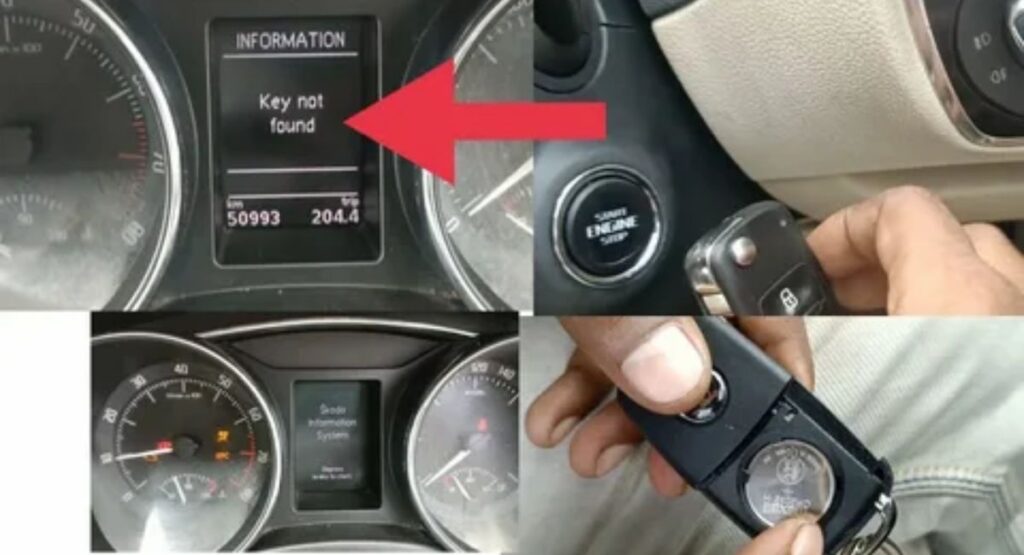
What Does Toyota Smart Key System Malfunction Mean?
The Toyota Smart Key System is an advanced electronic feature that allows drivers to unlock doors, lock the vehicle, and start the engine without inserting a traditional key. Instead, the system communicates with a key fob through radio frequency signals and verifies that the authorized key is within range before granting access to the vehicle.
When the message “Smart Key System Malfunction” appears on the dashboard, it means the vehicle has detected a problem within the communication process between the key fob and the vehicle’s control modules. As a result, some or all smart key functions may stop working properly.
Depending on the underlying cause, drivers may experience difficulty unlocking doors, starting the engine, or using keyless entry features. In some situations, the warning may appear temporarily and disappear after restarting the vehicle. In other cases, it may indicate a more serious issue that requires diagnosis and repair.
Although the warning can be alarming, it is important to remember that many Smart Key System problems are relatively simple to resolve. Identifying the source of the malfunction is the first step toward restoring normal operation.
Common Symptoms of a Toyota Smart Key System Malfunction
The symptoms associated with a Smart Key System malfunction can vary depending on which component is affected. However, several warning signs appear more frequently than others.
One of the most common symptoms is the vehicle failing to detect the key fob. Drivers may see messages such as “Key Not Detected” even when the key is inside the cabin. In this situation, pressing the Start button may have no effect, leaving the vehicle unable to start.
Another common symptom is the loss of keyless entry functionality. The doors may not unlock when touching the handle, forcing drivers to use the physical key hidden inside the key fob. This often causes inconvenience, especially for owners who rely heavily on the Smart Entry feature.
Some drivers may also notice dashboard warning lights or system alerts appearing unexpectedly. These warnings can be accompanied by intermittent operation, where the system works normally at one moment and fails the next.
In more severe cases, the vehicle may refuse to start entirely. If multiple electronic systems begin displaying unusual behavior simultaneously, the issue could extend beyond the key fob and involve the vehicle’s electrical system.
1. Weak or Dead Key Fob Battery
A depleted key fob battery is by far the most common reason behind a Toyota Smart Key System malfunction. Since the key fob continuously communicates with the vehicle, its battery gradually loses power over time. Once the voltage drops below a certain level, communication becomes unreliable or stops completely.
Several warning signs can indicate a weak key fob battery. Drivers may notice reduced operating range, delayed responses when pressing buttons, or intermittent recognition by the vehicle. In many cases, the Smart Key System warning appears shortly before the battery fails entirely.
Fortunately, this issue is usually easy and inexpensive to fix. Most Toyota key fobs use small coin cell batteries that can be replaced within minutes. After installing a fresh battery, the Smart Key System often returns to normal operation immediately.
To maximize reliability, it is recommended to replace the key fob battery every one to three years, depending on usage patterns and environmental conditions. Using a high quality replacement battery can also help prevent future communication issues and reduce the likelihood of unexpected system warnings.
2. Weak or Failing Vehicle Battery
While many drivers immediately suspect the key fob when a Smart Key System warning appears, the vehicle’s battery can be equally responsible. Modern Toyota vehicles rely heavily on electronic control modules, sensors, and communication networks that require a stable power supply to function correctly.
When the vehicle battery begins to weaken, voltage fluctuations can interfere with the Smart Key System’s ability to communicate with the key fob. As a result, the system may display malfunction warnings even though the key fob itself is working properly.
Several symptoms often accompany a weak vehicle battery. The engine may crank slowly during startup, interior lights may appear dim, and multiple dashboard warning messages may appear simultaneously. In some cases, the Smart Key System warning is simply one of several electrical alerts triggered by insufficient battery voltage.
If your Toyota has an aging battery or has recently experienced difficulty starting, it is worth testing the battery’s condition. A professional battery test can quickly determine whether the battery is capable of maintaining the voltage required for normal operation. Replacing a failing battery often resolves Smart Key System warnings without the need for further repairs.
3. Signal Interference from External Devices
The Toyota Smart Key System relies on wireless communication between the vehicle and the key fob. Because this communication occurs through radio frequency signals, certain external devices can occasionally disrupt the connection.
Signal interference can occur in parking garages, crowded urban areas, airports, office complexes, and locations containing large amounts of electronic equipment. Devices such as wireless transmitters, security systems, communication towers, and even some aftermarket electronic accessories may interfere with the Smart Key System’s ability to detect the key.
When interference occurs, the vehicle may temporarily fail to recognize the key fob even though it is functioning normally. Drivers may notice that the warning appears only in specific locations and disappears after moving the vehicle elsewhere.
A simple way to identify signal interference is to move the vehicle to a different area and test the Smart Key System again. If the warning disappears and all functions return to normal, external interference was likely the cause. Although this problem is usually temporary, understanding the possibility of signal disruption can help prevent unnecessary repairs and diagnostic expenses.
4. Damaged or Defective Key Fob
Physical damage to the key fob is another common cause of Smart Key System malfunctions. Although Toyota key fobs are designed for everyday use, they are not immune to wear and tear, accidental drops, water exposure, or internal component failure.
Over time, repeated impacts can damage delicate electronic circuits inside the key fob. Moisture intrusion can also cause corrosion that interferes with signal transmission. Even if the buttons appear to function normally, hidden internal damage may prevent the key from communicating effectively with the vehicle.
A damaged key fob may produce inconsistent symptoms. Sometimes the vehicle recognizes the key without issue, while at other times it fails completely. Drivers may also experience reduced operating range or delayed response when locking and unlocking doors.
One of the easiest ways to confirm a faulty key fob is by testing a spare key. If the backup key works normally while the original key continues to trigger warnings, the problem is likely isolated to the damaged fob. Depending on the severity of the damage, the solution may involve repairing, reprogramming, or replacing the key altogether.
Because replacement smart keys can be relatively expensive, protecting the key fob from impact and water exposure is an important part of preventing future Smart Key System issues.
5. Faulty Smart Key Antenna
The Smart Key antenna plays a critical role in the communication process between the vehicle and the key fob. Multiple antennas are strategically positioned throughout the vehicle to detect the presence of an authorized key and determine whether it is inside or outside the cabin.
If one or more of these antennas fail, the system may struggle to locate the key even when it is nearby. This can result in intermittent warnings, difficulty unlocking doors, or an inability to start the engine. In some cases, the vehicle may only recognize the key when it is held very close to the Start button.
Unlike a weak battery or signal interference, antenna problems are typically not visible to the driver. Specialized diagnostic equipment is often required to identify which antenna has failed and whether wiring or connector issues are contributing to the problem.
Because the antenna system is integrated into the vehicle’s electronic architecture, repairs usually require professional service. However, understanding this potential cause can help owners avoid replacing key fobs unnecessarily when the real issue lies within the vehicle itself.
6. Smart Key Control Module or ECU Issues
Another possible cause of a Toyota Smart Key System Malfunction is a problem within the Smart Key control module or the vehicle’s electronic control unit. These components manage communication between the key fob, immobilizer system, and various vehicle functions.
Software glitches, corrupted data, electrical faults, or internal hardware failures can prevent the system from operating correctly. Although these issues are less common than battery-related problems, they can produce persistent warning messages and more serious operational failures.
Drivers experiencing module-related issues may notice that replacing the key fob battery has no effect. The warning may remain active continuously, and multiple vehicle functions may be affected at the same time. In some situations, the engine may refuse to start despite the key being present and fully functional.
Professional diagnostic tools are often necessary to read fault codes stored within the vehicle’s computer systems. These codes help technicians identify the affected module and determine whether software updates, reprogramming, or component replacement is required.
Because electronic control modules are among the more expensive components in the Smart Key System, accurate diagnosis is essential before authorizing repairs.
How to Quickly Fix a Toyota Smart Key System Malfunction
Fortunately, many Smart Key System issues can be resolved through a few simple troubleshooting steps before visiting a dealership or repair shop.
The first step is to replace the key fob battery. Since battery failure is the most common cause of the warning, installing a fresh battery should always be the starting point. After replacement, test all key functions to determine whether the issue has been resolved.
Next, attempt to start the vehicle using the emergency proximity method. Hold the key fob directly against or very close to the Start button while pressing the brake pedal and pushing the button. Toyota vehicles can often read the key’s embedded transponder chip at close range even when wireless communication is compromised.
It is also important to inspect the vehicle battery. If the battery is old, weak, or showing signs of deterioration, have it tested and replaced if necessary. A stable electrical supply is essential for proper Smart Key operation.
If the warning appears only in specific locations, move the vehicle to another area and test the system again. Temporary signal interference may be preventing communication between the vehicle and the key fob.
Finally, if you have access to a spare key, test it with the vehicle. A functioning backup key can quickly reveal whether the original key fob is defective. This simple test can save both time and diagnostic costs by narrowing down the source of the problem.
When Should You Visit a Toyota Dealership or Repair Shop?
Although many Smart Key System issues can be resolved through simple troubleshooting, there are situations where professional diagnosis becomes necessary. Ignoring persistent warning messages may eventually leave you unable to start or operate your vehicle.
One clear sign that professional assistance is needed is when the warning remains active even after replacing the key fob battery. If a new battery does not restore normal operation, the problem likely involves another component within the system.
You should also seek professional service if both your primary and spare keys fail to work. When multiple keys produce the same symptoms, the issue is often related to the vehicle rather than the key fobs themselves.
Another warning sign is the appearance of multiple electronic system alerts at the same time. This may indicate a broader electrical problem affecting several control modules throughout the vehicle.
If the vehicle refuses to start even when using the emergency proximity method, a dealership or qualified technician should inspect the Smart Key System immediately. Specialized diagnostic equipment can identify fault codes and pinpoint the exact source of the malfunction.
Prompt diagnosis can help prevent further complications and reduce the risk of unexpected breakdowns.
How Much Does It Cost to Fix a Toyota Smart Key System Malfunction?
Repair costs can vary significantly depending on the cause of the malfunction, the vehicle model, and labor rates in your area.
Replacing a key fob battery is typically the least expensive solution. In most cases, the battery itself costs only a few dollars and can often be installed without professional assistance.
If the key fob requires reprogramming, the cost generally increases because specialized equipment is needed to synchronize the key with the vehicle. The final price depends on the model year and security system specifications.
A complete key fob replacement is more expensive because modern Toyota smart keys contain advanced electronic components and security features. Programming fees are usually added to the cost of the replacement key.
Repairs involving antennas, wiring, Smart Key modules, or electronic control units are typically the most costly. These components often require extensive diagnostic work and may involve significant labor charges.
Obtaining an accurate diagnosis before replacing parts is the most effective way to avoid unnecessary expenses.
How to Prevent Smart Key System Problems in the Future
Preventive maintenance can significantly reduce the likelihood of encountering Smart Key System malfunctions.
Replacing the key fob battery at regular intervals is one of the simplest and most effective preventive measures. Waiting until the battery is completely depleted increases the risk of unexpected failures.
Protecting the key fob from physical damage is equally important. Avoid dropping it, exposing it to excessive moisture, or leaving it in environments with extreme temperatures. Electronic components can deteriorate over time when subjected to harsh conditions.
Maintaining a healthy vehicle battery also contributes to reliable Smart Key System performance. Regular battery inspections can identify potential problems before they begin affecting vehicle electronics.
Drivers should also be cautious when installing aftermarket electronic accessories. Poorly designed or improperly installed devices can interfere with vehicle communication systems and create unexpected electrical issues.
Following Toyota’s recommended maintenance schedule helps ensure that all electrical systems continue operating as intended.
Frequently Asked Questions
Is a Toyota Smart Key System Malfunction dangerous?
In most cases, the warning is not immediately dangerous. However, it can prevent the vehicle from starting or operating normally. Persistent warnings should be investigated to avoid becoming stranded unexpectedly.
Can I still drive my Toyota with a Smart Key System Malfunction?
If the vehicle starts and operates normally, driving may still be possible. However, because the underlying cause can worsen over time, diagnosing the issue as soon as possible is recommended.
How do I reset a Toyota Smart Key System?
There is no universal reset procedure that works for every Toyota model. In some cases, replacing the key fob battery, disconnecting the vehicle battery briefly, or reprogramming the key may resolve the issue. Model specific procedures should always be followed.
How often should I replace my Toyota key fob battery?
Most Toyota key fob batteries last between one and three years. Frequent use, environmental conditions, and battery quality can affect lifespan.
Can a weak vehicle battery trigger a Smart Key System warning?
Yes. Low battery voltage can disrupt communication between electronic modules and may trigger Smart Key System Malfunction warnings even when the key fob is functioning correctly.
Conclusion
Seeing a Toyota Smart Key System Malfunction warning can be frustrating, especially when it prevents you from unlocking or starting your vehicle. Fortunately, the problem is often caused by relatively simple issues such as a weak key fob battery, a low vehicle battery, signal interference, or a damaged key.
By understanding the common causes and following a systematic troubleshooting process, many drivers can resolve the issue without expensive repairs. Starting with the simplest solutions, such as replacing the key fob battery and testing the vehicle battery, can save both time and money.
If the warning persists after basic troubleshooting, professional diagnosis may be necessary to identify issues involving antennas, control modules, or other electronic components. Addressing the problem early can help prevent more serious failures and ensure reliable vehicle operation.
Regular maintenance, proper key fob care, and timely battery replacement remain the best ways to minimize the risk of future Smart Key System problems. Taking these preventive steps can help keep your Toyota’s keyless entry and push button start system functioning smoothly for years to come.