Seeing the “Toyota Parking Brake Unavailable” warning message appear on your dashboard can be alarming, especially if it happens unexpectedly while driving or when preparing to park. Because the parking brake is a critical safety feature designed to keep your vehicle securely stationary, any warning related to its operation naturally raises concerns about vehicle safety and potential repair costs.
Modern Toyota vehicles, including popular models such as the Corolla, Camry, RAV4, Highlander, and Prius, use an Electronic Parking Brake (EPB) system instead of the traditional hand-operated parking brake. While this technology offers greater convenience and enhanced functionality, it also relies on multiple electronic components, sensors, control modules, and software systems working together seamlessly. When one of these components experiences a fault, the system may display the “Parking Brake Unavailable” message.
The good news is that this warning does not always indicate a major mechanical failure. In many cases, the problem may be caused by a weak battery, a temporary electrical issue, a faulty sensor, or a system calibration problem. Understanding the root cause is the first step toward finding the right solution.
In this guide, we will explain what the Toyota Parking Brake Unavailable warning means, explore the most common causes, provide troubleshooting steps you can perform yourself, and help you determine when professional diagnosis and repair are necessary.
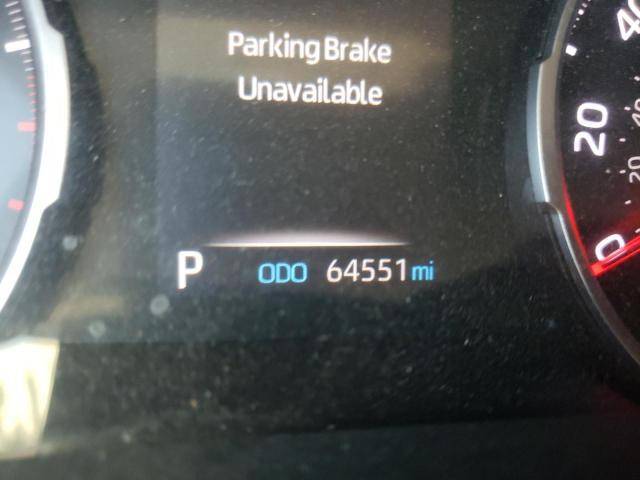
Several different issues can trigger the Toyota Parking Brake Unavailable warning. Understanding these causes can help narrow down the source of the problem and determine the appropriate repair strategy.
Low Battery Voltage
A weak or aging battery is one of the most common causes of electronic parking brake warnings. The EPB system requires stable voltage to operate correctly. If battery voltage drops below the required threshold, the system may temporarily disable itself and display the warning message.
Recent Battery Replacement
Many Toyota owners report seeing the warning shortly after replacing the battery. During the replacement process, certain control modules may lose stored settings and require recalibration. This condition is usually temporary and may be resolved through system initialization procedures.
Faulty Wheel Speed Sensors
The electronic parking brake relies on information from wheel speed sensors that are also used by the ABS system. If one of these sensors fails or provides inaccurate data, the EPB system may trigger a warning as a precaution.
Defective Parking Brake Switch
The parking brake activation switch can wear out over time. Internal electrical contacts may become damaged, preventing the system from receiving accurate commands from the driver.
Damaged Wiring or Corroded Connectors
Exposure to moisture, road salt, dirt, and extreme weather conditions can damage electrical wiring and connectors. Corrosion increases resistance and may interrupt communication between critical brake components.
Parking Brake Actuator Failure
The actuator is responsible for physically applying and releasing the parking brake. If the actuator motor becomes worn or damaged, the system may lose the ability to operate normally and trigger the warning.
EPB Control Module Problems
The Electronic Parking Brake Control Module serves as the system’s central controller. Software faults, internal hardware failures, or communication errors can all result in system malfunction warnings.
ABS or Stability Control Issues
Because the parking brake system shares data with ABS and Stability Control systems, faults within those systems can indirectly trigger the Parking Brake Unavailable message. In many cases, diagnosing related warning codes is necessary to identify the actual source of the problem.
Identifying the specific cause requires a systematic inspection process, which will be covered in the next section on troubleshooting and diagnosis.
After addressing the underlying problem, you may need to reset the Electronic Parking Brake system to clear the warning message and restore normal operation.
Method 1: Perform a Basic System Restart
Turn off the engine completely and remove the key or power down the ignition system.
Wait approximately five to ten minutes before restarting the vehicle. During this time, several electronic modules shut down and reset themselves.
After restarting, check whether the warning message remains active.
Method 2: Reset After Battery Replacement
If the warning appeared immediately after a battery replacement, the vehicle may require a short relearning process.
Start the engine and allow it to idle for several minutes. Engage and release the parking brake multiple times while the vehicle remains stationary.
Some Toyota models automatically recalibrate the parking brake system during normal operation.
Method 3: Drive the Vehicle Briefly
In certain cases, the warning may clear after the vehicle completes a series of self-diagnostic checks.
Driving at moderate speeds for a short distance allows the ABS, Stability Control, and Parking Brake systems to verify sensor inputs and system status.
Method 4: Use a Professional Scan Tool
When basic reset procedures do not work, a professional diagnostic scanner may be required.
Many advanced scan tools provide Electronic Parking Brake service functions that can recalibrate actuators, clear fault codes, and initialize replacement components.
This method is often necessary after replacing actuators, control modules, or wheel speed sensors.
When a Reset Will Not Work
It is important to understand that resetting the warning does not repair the underlying fault. If a damaged actuator, failed sensor, wiring defect, or module problem still exists, the warning will return shortly after the reset procedure.
For this reason, successful repairs should always focus on correcting the root cause before attempting to clear the warning message.
A proper diagnosis combined with an appropriate reset procedure offers the best chance of permanently resolving the Toyota Parking Brake Unavailable warning.
Repair Costs and When to Seek Professional Help
The cost of fixing a Toyota Parking Brake Unavailable warning can vary significantly depending on the underlying cause. Some issues require only a simple battery replacement, while others may involve electronic modules, actuators, or complex electrical repairs.
Typical Repair Costs
A weak or failing battery is often the least expensive repair. Replacing the battery may immediately resolve the warning if low voltage is the root cause.
Blown fuses and minor electrical issues are also relatively inexpensive to fix. In many cases, these repairs can be completed quickly during a routine inspection.
Wheel speed sensor replacement generally falls into the moderate cost range. Since these sensors communicate with the ABS and Electronic Parking Brake systems, a failure can trigger multiple warning messages simultaneously.
Parking brake actuator replacement is typically more expensive because the component is directly responsible for engaging and releasing the brake. Labor costs may increase if access to the actuator requires additional disassembly.
Electronic Parking Brake control modules are among the most expensive components. In addition to the replacement cost, the new module often requires programming and calibration using manufacturer-specific diagnostic equipment.
When Professional Service Is Necessary
While some issues can be resolved at home, certain situations require immediate professional attention.
If the warning remains active after battery testing, fuse inspection, and basic reset procedures, a professional diagnostic scan is recommended.
You should also seek professional assistance if the parking brake fails to engage, fails to release, or if the vehicle displays additional ABS, Brake, or Stability Control warnings.
Grinding noises, burning odors, or unusual brake behavior should never be ignored. These symptoms may indicate a mechanical or electrical failure that could affect vehicle safety.
Professional technicians have access to advanced diagnostic tools capable of reading manufacturer-specific fault codes that standard scanners may not detect. This allows them to identify the exact source of the problem and recommend the most effective repair.
Addressing the issue early can often prevent more extensive damage and reduce overall repair expenses.
Frequently Asked Questions
This warning appears when the Electronic Parking Brake system detects a fault or abnormal operating condition. Common causes include low battery voltage, wheel speed sensor failures, faulty actuators, wiring issues, or software-related problems.
Can I continue driving with the warning active?
In some cases, yes. If the vehicle drives normally and no additional brake-related warnings are present, short-term driving may be possible. However, the vehicle should be inspected as soon as possible to prevent potential safety risks.
Will a weak battery trigger the warning?
Yes. Low battery voltage is one of the most common reasons for the Toyota Parking Brake Unavailable message. The Electronic Parking Brake system requires stable electrical power to function correctly.
Can a new battery cause the warning to appear?
Yes. Some Toyota vehicles may display the warning after a battery replacement because certain electronic systems require recalibration. The warning often disappears after the vehicle completes its initialization procedures.
The warning may clear after correcting the underlying issue, restarting the vehicle, cycling the parking brake system, or using a diagnostic scanner. If the fault remains unresolved, the warning will usually return.
Is the parking brake actuator expensive to replace?
The cost varies by model and location, but actuator replacement is generally more expensive than replacing sensors or fuses due to the complexity of the component and labor requirements.
Can an ABS problem trigger a parking brake warning?
Yes. The Electronic Parking Brake system relies on information from the ABS system. A faulty wheel speed sensor or ABS-related issue can trigger the Parking Brake Unavailable message.
Which Toyota models commonly experience this warning?
The warning can appear on many modern Toyota vehicles equipped with Electronic Parking Brake systems, including the Corolla, Camry, RAV4, Highlander, Prius, and other recent models.
Conclusion
The Toyota Parking Brake Unavailable warning can be concerning, but it does not always indicate a major mechanical failure. In many cases, the issue is linked to common problems such as low battery voltage, recent battery replacement, faulty wheel speed sensors, damaged wiring, or temporary software glitches.
Because the Electronic Parking Brake system works closely with ABS and vehicle stability systems, even a minor electrical fault can trigger the warning message. Understanding how these systems interact can help drivers identify the problem more quickly and avoid unnecessary repairs.
The best approach is to begin with simple diagnostic steps. Checking battery condition, inspecting fuses, looking for additional warning lights, and scanning for fault codes can often reveal the source of the issue. In some situations, a basic reset procedure may restore normal operation once the underlying cause has been corrected.
However, persistent warnings should never be ignored. If the parking brake fails to engage or release properly, or if additional brake-related warnings appear, professional diagnosis becomes essential. Prompt repairs not only restore system functionality but also help maintain vehicle safety and prevent more expensive damage in the future.
By understanding the common causes, troubleshooting methods, and repair options discussed in this guide, Toyota owners can respond confidently when the Parking Brake Unavailable warning appears and take the appropriate steps to keep their vehicles operating safely and reliably.