The 5.3 Vortec has earned a reputation as one of General Motors’ most dependable and versatile V8 engines. Since its debut in 1999, this small-block powerhouse has powered millions of Chevrolet, GMC, Cadillac, and Hummer vehicles, becoming a favorite among truck owners, off-road enthusiasts, fleet operators, and performance builders alike. Whether installed in a Silverado work truck, a family-friendly Tahoe, or a luxury Escalade, the 5.3-liter V8 has consistently delivered an impressive balance of power, durability, and everyday practicality.
Despite its popularity, finding accurate 5.3 Vortec engine specs can be surprisingly challenging. Over the years, GM introduced numerous engine variants, including the LM7, L59, LM4, L33, LH6, LC9, LY5, and LMG. Each version features unique specifications, technologies, and performance characteristics. Horsepower ratings changed from one generation to another, compression ratios evolved, aluminum blocks replaced cast iron in certain models, and innovations such as Active Fuel Management (AFM) and Variable Valve Timing (VVT) significantly influenced both efficiency and driving dynamics.
This comprehensive guide brings together everything you need to know about every generation of the 5.3 Vortec engine. You’ll find detailed technical specifications, horsepower and torque figures, engine dimensions, compression ratios, bore and stroke measurements, oil capacity, firing order, and the vehicles that used each engine code. Beyond the numbers, we’ll also explore reliability, common mechanical issues, maintenance expectations, towing capability, and the key differences between the various 5.3 Vortec models.
Whether you’re researching a used pickup, planning an LS engine swap, maintaining your current vehicle, or simply curious about GM’s legendary V8 family, this guide will help you understand which 5.3 Vortec engine best fits your needs. By the end of this article, you’ll have a complete picture of how the 5.3 Vortec evolved over more than two decades and why it remains one of the most respected gasoline truck engines ever produced.
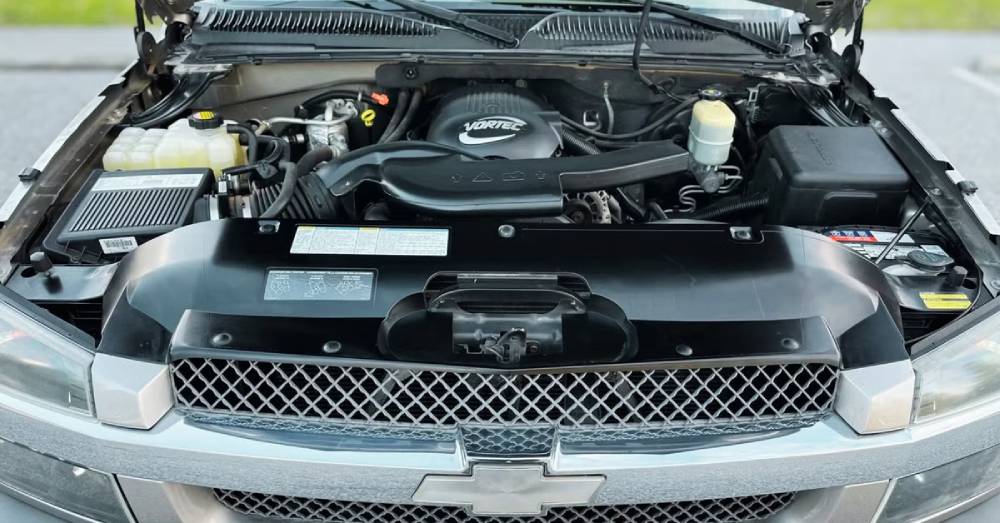
What Is the 5.3 Vortec Engine?
The 5.3 Vortec is a naturally aspirated 5.3 liter (325 cubic inch) V8 engine developed by General Motors as part of its renowned Small Block engine family. Introduced in 1999, it quickly became one of GM’s most widely used gasoline engines, powering full size pickup trucks, SUVs, vans, and luxury vehicles for more than two decades. Built to deliver a balance of power, fuel efficiency, and long term durability, the 5.3 Vortec earned a reputation as a dependable workhorse capable of handling daily commuting, heavy towing, and demanding commercial use.
Although many enthusiasts refer to every 5.3 liter GM V8 as a “Vortec,” the name actually represents a series of engines that evolved significantly over time. Early models belonged to the Gen III LS architecture, while later versions transitioned to the more advanced Gen IV platform. Throughout its production, GM introduced several engine codes, including LM7, L59, LM4, L33, LH6, LC9, LY5, and LMG. Each variant incorporated specific updates to improve performance, emissions, fuel economy, or compatibility with different vehicle platforms.
One common misconception is that the 5.3 Vortec is separate from the LS engine family. In reality, nearly every 5.3 Vortec shares the same basic LS architecture. These engines feature deep skirt cylinder blocks, six bolt main bearing caps, cross bolted main caps for increased rigidity, and cathedral port cylinder heads on earlier generations. Later versions adopted additional technologies such as Variable Valve Timing (VVT), Active Fuel Management (AFM), and electronic throttle control, further enhancing efficiency without sacrificing the engine’s proven reliability.
The engine’s popularity extends well beyond factory applications. Because of its compact dimensions, excellent aftermarket support, and strong internal design, the 5.3 Vortec has become one of the most common choices for engine swaps. Builders frequently install it in classic muscle cars, off road rigs, drift cars, hot rods, and custom trucks, where it delivers modern reliability with substantial performance potential. With basic bolt on upgrades and proper tuning, many naturally aspirated 5.3 engines can produce significantly more power than their factory ratings while maintaining excellent longevity.
Today, the 5.3 Vortec remains one of the most respected V8 engines ever produced by General Motors. Its combination of affordability, durability, readily available replacement parts, and extensive aftermarket support continues to make it a favorite among mechanics, DIY enthusiasts, and professional performance builders alike.
5.3 Vortec Engine Specifications at a Glance
Before comparing individual engine variants, it is helpful to understand the core specifications shared by most 5.3 Vortec engines. While horsepower, torque, and certain technologies changed over the years, the engine retained the same fundamental displacement and overall design philosophy.
| Specification | Value |
|---|---|
| Engine Type | 90 degree OHV V8 |
| Engine Family | GM Gen III / Gen IV Small Block LS |
| Displacement | 5.3 L (325 cu in) |
| Bore | 3.78 in (96.0 mm) |
| Stroke | 3.62 in (92.0 mm) |
| Valvetrain | Overhead Valve (2 valves per cylinder) |
| Compression Ratio | 9.5:1 to 10.8:1 depending on engine code |
| Horsepower | 270 to 326 hp |
| Torque | 315 to 348 lb ft |
| Fuel Delivery | Sequential Multi Port Fuel Injection |
| Aspiration | Naturally Aspirated |
| Block Material | Cast Iron or Aluminum |
| Cylinder Head Material | Aluminum |
| Oil Capacity | Approximately 6 quarts with filter |
| Firing Order | 1 8 7 2 6 5 4 3 |
| Recommended Fuel | Regular Unleaded (87 Octane) |
Although these specifications provide a general overview, the exact figures vary depending on the engine code and model year. For example, the high output L33 features a higher compression ratio and aluminum block, while later Gen IV engines introduced technologies such as Active Fuel Management and Variable Valve Timing to improve efficiency and emissions compliance.
Another factor that influenced performance was vehicle calibration. A 5.3 Vortec installed in a Chevrolet Silverado could produce different horsepower and torque ratings than the same engine installed in a GMC Yukon or Cadillac Escalade due to variations in engine tuning, intake systems, exhaust configurations, and electronic control modules.
For buyers, mechanics, and engine swap enthusiasts, understanding these baseline specifications provides a solid foundation before exploring the individual characteristics of each engine variant.
Every 5.3 Vortec Engine Variant Explained
Over its production lifespan, General Motors released several versions of the 5.3 Vortec engine, each identified by a unique RPO engine code. Although these engines share the same displacement and overall architecture, they differ in block material, compression ratio, fuel capability, emissions equipment, and performance output. Understanding these differences is essential when purchasing a used vehicle, sourcing a replacement engine, or planning a performance build.
LM7 (1999 to 2007)
The LM7 is the original and most recognizable 5.3 Vortec engine. Featuring a durable cast iron block and aluminum cylinder heads, it powered millions of GM trucks and SUVs throughout the early 2000s. Its simple design, excellent reliability, and wide availability have made it one of the most popular engines for budget performance projects and LS swaps.
Key Specifications
- Production Years: 1999 to 2007
- Block Material: Cast Iron
- Compression Ratio: 9.5:1
- Horsepower: 270 to 295 hp
- Torque: 315 to 335 lb ft
Common Applications
- Chevrolet Silverado 1500
- Chevrolet Tahoe
- Chevrolet Suburban
- GMC Sierra 1500
- GMC Yukon
- Chevrolet Express
- GMC Savana
Advantages
- Extremely reliable design
- Affordable replacement parts
- Strong aftermarket support
- Excellent engine swap candidate
- Capable of exceeding 250,000 miles with proper maintenance
Disadvantages
- Heavier cast iron block
- Lower factory horsepower than later models
- No Variable Valve Timing or Active Fuel Management
L59 (2002 to 2007)
The L59 is mechanically similar to the LM7 but adds Flex Fuel capability, allowing the engine to operate on either standard gasoline or E85 ethanol fuel. Aside from revised fuel system components and calibration, performance specifications remain nearly identical.
Key Specifications
- Production Years: 2002 to 2007
- Block Material: Cast Iron
- Compression Ratio: 9.5:1
- Horsepower: Approximately 295 hp
- Torque: Approximately 335 lb ft
Primary Difference
The main distinction is its compatibility with E85 fuel, giving owners greater fueling flexibility in regions where ethanol blends are widely available.
LM4 (2003 to 2005)
The LM4 was developed primarily for midsize SUVs where reduced engine weight improved handling and fuel economy. It introduced an aluminum engine block while maintaining specifications similar to the LM7.
Key Specifications
- Production Years: 2003 to 2005
- Block Material: Aluminum
- Compression Ratio: 9.5:1
- Horsepower: Approximately 290 hp
- Torque: Approximately 325 lb ft
Common Applications
- Chevrolet TrailBlazer EXT
- GMC Envoy XL
- Isuzu Ascender
Compared with the LM7, the aluminum construction reduced overall engine weight by roughly 80 pounds, making it attractive for both factory vehicles and custom engine swap projects.
5.3 Vortec Horsepower and Torque by Generation
One of the reasons the 5.3 Vortec remained competitive for more than two decades was General Motors’ continuous refinement of its performance. While the engine’s displacement stayed the same at 5.3 liters, improvements in cylinder head design, engine management software, compression ratios, Variable Valve Timing (VVT), and Active Fuel Management (AFM) gradually increased horsepower and torque while also improving fuel economy and emissions.
The earliest LM7 engines introduced in 1999 produced around 270 horsepower and 315 lb ft of torque, figures that were impressive for full size trucks at the time. As GM refined the platform, later versions such as the L33 offered improved airflow through a higher compression ratio and lightweight aluminum block, pushing output close to 310 horsepower. The introduction of Gen IV technology marked another significant leap, with engines like the LC9 and LH6 benefiting from Variable Valve Timing to deliver stronger low end torque and better overall drivability.
The final generations of the traditional 5.3 Vortec reached as much as 326 horsepower and 348 lb ft of torque, providing performance levels that rivaled larger V8 engines from previous decades while consuming less fuel during everyday driving.
| Engine Code | Production Years | Horsepower | Torque | Compression Ratio |
|---|---|---|---|---|
| LM7 | 1999 to 2007 | 270 to 295 hp | 315 to 335 lb ft | 9.5:1 |
| L59 | 2002 to 2007 | 295 hp | 335 lb ft | 9.5:1 |
| LM4 | 2003 to 2005 | 290 hp | 325 lb ft | 9.5:1 |
| L33 | 2005 to 2007 | 310 hp | 335 lb ft | 10.0:1 |
| LH6 | 2005 to 2009 | 300 to 315 hp | 330 to 338 lb ft | 9.9:1 |
| LY5 | 2007 to 2009 | 315 hp | 338 lb ft | 9.9:1 |
| LMG | 2007 to 2013 | 315 hp | 338 lb ft | 9.9:1 |
| LC9 | 2007 to 2014 | 320 hp | 340 lb ft | 9.9:1 |
| LH8 | 2008 to 2009 | 300 hp | 320 lb ft | 9.9:1 |
Although peak horsepower often receives the most attention, torque is what made the 5.3 Vortec such an outstanding truck engine. Its broad torque curve provided strong acceleration from low engine speeds, making it ideal for towing trailers, hauling cargo, and climbing steep grades without excessive downshifting.
The introduction of Variable Valve Timing allowed later engines to optimize valve timing across a wider RPM range. This technology improved throttle response, increased torque at lower engine speeds, and helped maintain power in the upper RPM range. Active Fuel Management further enhanced efficiency by temporarily disabling four cylinders during light load cruising, reducing fuel consumption without sacrificing V8 performance when full power was required.
Vehicles That Used the 5.3 Vortec
The widespread success of the 5.3 Vortec can largely be attributed to its versatility. General Motors installed this engine across numerous vehicle lines, ranging from work trucks and family SUVs to luxury models and commercial vans. Its ability to balance performance, reliability, towing capability, and fuel efficiency made it the preferred V8 option for millions of customers.
Chevrolet Models
Chevrolet relied heavily on the 5.3 Vortec throughout the 2000s and early 2010s. The Chevrolet Silverado 1500 became one of its most recognized applications, where the engine offered an excellent combination of everyday drivability and dependable towing performance. The Chevrolet Tahoe and Suburban also benefited from the engine’s smooth power delivery, making them popular choices for families, fleet operators, and law enforcement agencies.
Other Chevrolet models equipped with various versions of the 5.3 Vortec include:
- Chevrolet Silverado 1500
- Chevrolet Tahoe
- Chevrolet Suburban
- Chevrolet Avalanche
- Chevrolet Express Van
- Chevrolet TrailBlazer EXT
GMC Models
GMC paired the 5.3 Vortec with many of its premium truck and SUV offerings. The GMC Sierra 1500 served as the mechanical twin to the Silverado, while the Yukon and Yukon XL utilized the engine to provide confident towing and long distance comfort.
Common GMC applications include:
- GMC Sierra 1500
- GMC Yukon
- GMC Yukon XL
- GMC Savana Van
- GMC Envoy XL
Cadillac Models
Luxury buyers were also introduced to the 5.3 Vortec through selected versions of the Cadillac Escalade. Although higher trim levels eventually adopted larger 6.0 liter and 6.2 liter V8 engines, early Escalade models demonstrated that the 5.3 offered refined performance suitable for premium SUVs.
Hummer Models
The military inspired Hummer H3 Alpha featured the LH8 version of the 5.3 Vortec. This aluminum block engine was specifically designed to fit the H3’s compact engine bay while delivering significantly greater power than the standard inline five cylinder engine. The result was improved off road capability, stronger towing performance, and quicker highway acceleration.
The sheer number of vehicles powered by the 5.3 Vortec has created an abundant supply of replacement engines and aftermarket components. This availability continues to make the platform one of the most affordable and practical choices for maintenance, restoration, and custom engine swap projects.
5.3 Vortec Reliability
Few gasoline truck engines have built a reputation for longevity comparable to the 5.3 Vortec. When properly maintained, many examples easily surpass 250,000 miles, while well documented cases exceeding 300,000 miles are not uncommon. This exceptional durability stems from the engine’s robust small block architecture, forged powder metal connecting rods, strong crankshaft design, and conservative factory tuning.
Routine maintenance plays a significant role in achieving this level of reliability. Regular oil changes using the recommended viscosity, timely replacement of spark plugs, air filters, and coolant, along with attention to transmission servicing, allow the engine to perform consistently for decades. Owners who follow factory maintenance schedules often experience very few major mechanical failures during normal vehicle ownership.
Another factor contributing to the engine’s reputation is its relatively simple overhead valve design. Compared with many modern dual overhead cam engines, the 5.3 Vortec contains fewer moving components, resulting in lower maintenance costs and easier repairs. Parts remain widely available, and most repair procedures are familiar to independent mechanics, reducing long term ownership expenses.
Earlier Gen III engines, particularly the LM7 and L33, are widely regarded as the most dependable variants because they lack Active Fuel Management. These engines are known for their simplicity and ability to withstand high mileage with minimal issues. Later Gen IV engines introduced additional technologies that improved efficiency but also created new maintenance considerations, particularly related to AFM lifters. Even so, many owners continue to report excellent reliability when preventive maintenance is performed consistently.
For buyers searching for a dependable used truck or SUV, the 5.3 Vortec remains one of the safest choices in the used vehicle market. Its combination of proven engineering, affordable repair costs, extensive aftermarket support, and exceptional longevity continues to make it one of General Motors’ greatest engine successes.
Common 5.3 Vortec Engine Problems
Although the 5.3 Vortec is widely recognized for its outstanding reliability, no engine is completely free from mechanical issues. Most problems develop only after years of service or high mileage, and many can be prevented through regular maintenance. Understanding these common issues allows owners to identify symptoms early and avoid costly repairs.
Excessive Oil Consumption
One of the most frequently reported complaints involves excessive oil consumption, particularly in certain Gen IV engines equipped with Active Fuel Management. Some owners notice that the engine requires additional oil between scheduled oil changes, especially after exceeding 100,000 miles.
Common Symptoms
- Low oil level between services
- Blue smoke during startup
- Oil warning light
- Increased oil usage without visible leaks
Possible Causes
- Worn piston rings
- PCV system issues
- Active Fuel Management oil control design
- High mileage engine wear
Repair Difficulty
Moderate to High depending on the underlying cause.
AFM Lifter Failure
Active Fuel Management improves fuel economy by deactivating four cylinders under light engine loads. While effective, the AFM lifters have become one of the most discussed reliability concerns among owners of later 5.3 Vortec engines.
When an AFM lifter fails, the affected cylinder may no longer operate correctly, resulting in poor engine performance.
Common Symptoms
- Engine misfire
- Ticking noise
- Check Engine Light
- Rough idle
- Significant power loss
Possible Causes
- Collapsed hydraulic lifters
- Oil pressure issues
- Internal wear
- Poor maintenance history
Repair Difficulty
High, as replacement typically requires removing the cylinder heads.
Knock Sensor Failure
Early Gen III engines commonly experience knock sensor failures caused by moisture entering the sensor cavity beneath the intake manifold.
Symptoms
- Check Engine Light
- Reduced engine performance
- Trouble codes P0327 or P0332
- Lower fuel economy
Fortunately, replacing the sensors and improving sealing around the wiring harness usually resolves the problem permanently.
Exhaust Manifold Bolt Failure
Broken exhaust manifold bolts are another well documented issue, particularly in trucks exposed to harsh climates or frequent towing.
Symptoms
- Exhaust ticking during cold starts
- Small exhaust leaks
- Reduced engine efficiency
- Increased exhaust noise
Although replacement can be time consuming, aftermarket upgraded bolts generally provide a long lasting solution.
Intake Manifold Gasket Leaks
As engines age, intake manifold gaskets may deteriorate, allowing vacuum leaks or coolant seepage.
Symptoms
- Rough idle
- Lean air fuel mixture
- Coolant loss
- Poor acceleration
Replacing the gasket typically restores normal engine operation.
Fuel Pump Failure
High mileage vehicles occasionally experience fuel pump wear, especially after 150,000 miles.
Symptoms
- Hard starting
- Engine hesitation
- Loss of power
- Engine stalls under load
Replacing the fuel pump assembly usually restores full performance.
Ignition Coil and Spark Plug Wear
Like most gasoline engines, ignition components naturally wear over time. Weak coils or worn spark plugs can cause intermittent misfires and reduced fuel economy.
Replacing spark plugs approximately every 100,000 miles and replacing failing ignition coils as needed helps maintain smooth engine operation.
Despite these common issues, the majority of 5.3 Vortec engines continue to deliver excellent long term reliability. Most repairs are well understood by technicians, replacement parts are readily available, and preventative maintenance significantly reduces the likelihood of major failures.
Performance, Towing, and Upgrade Potential
The 5.3 Vortec has earned its reputation as one of General Motors’ most versatile V8 engines because it delivers a rare combination of usable power, dependable towing capability, and exceptional upgrade potential. Whether installed in a work truck, family SUV, or custom project vehicle, the engine provides enough performance to satisfy most drivers while offering substantial room for improvement.
Towing Performance
Depending on the vehicle configuration, axle ratio, and transmission, a factory equipped 5.3 Vortec can tow between 7,000 and 11,000 pounds. This makes it an excellent choice for hauling boats, travel trailers, utility trailers, and construction equipment.
Strong low end torque allows the engine to maintain highway speeds with confidence while minimizing excessive gear changes during steep climbs. Owners who regularly tow heavy loads often appreciate the engine’s predictable power delivery and proven durability.
Fuel Economy
Despite being a naturally aspirated V8, the 5.3 Vortec offers respectable fuel efficiency.
Typical real world fuel economy includes:
| Driving Condition | Estimated MPG |
|---|---|
| City Driving | 14 to 17 MPG |
| Highway Driving | 19 to 23 MPG |
| Combined | 16 to 20 MPG |
Later engines equipped with Variable Valve Timing and Active Fuel Management generally achieve slightly better fuel economy during highway cruising.
Daily Driving
One of the engine’s greatest strengths is its versatility. It produces smooth acceleration, quiet operation, and enough torque to make everyday driving effortless. Unlike some high performance V8 engines that require high engine speeds to produce power, the 5.3 Vortec generates usable torque at relatively low RPM, making it comfortable for commuting, long distance travel, and towing.
Best Performance Upgrades
Because the 5.3 Vortec belongs to the LS engine family, it benefits from one of the largest aftermarket ecosystems in the automotive industry.
Popular upgrades include:
- Cold air intake systems
- Performance exhaust headers
- High flow exhaust systems
- Upgraded camshafts
- ECU tuning
- Larger throttle bodies
- High performance intake manifolds
Even relatively simple bolt on modifications combined with professional tuning can increase output by 30 to 50 horsepower while maintaining factory reliability.
More advanced builds frequently include turbochargers or superchargers. Thanks to the engine’s strong bottom end, many stock internal 5.3 Vortec engines have reliably supported well over 500 horsepower when properly tuned.
This remarkable upgrade potential explains why the 5.3 Vortec remains one of the most popular choices for street performance, drag racing, off road vehicles, and LS swap projects.
5.3 Vortec vs Other GM V8 Engines
The 5.3 Vortec occupies a unique position within General Motors’ small block lineup. It delivers an excellent balance between performance, operating costs, fuel efficiency, and reliability, making it one of the most practical V8 engines GM has ever produced.
| Engine | Horsepower | Torque | Fuel Economy | Reliability | Best For |
|---|---|---|---|---|---|
| 4.8 Vortec | 270 to 295 hp | Up to 305 lb ft | Excellent | Excellent | Budget work trucks |
| 5.3 Vortec | 270 to 326 hp | 315 to 348 lb ft | Very Good | Excellent | Daily driving, towing, engine swaps |
| 5.7 Vortec | Up to 255 hp | Up to 330 lb ft | Moderate | Excellent | Classic GM trucks |
| 6.0 Vortec | 300 to 367 hp | Up to 380 lb ft | Moderate | Excellent | Heavy towing and commercial fleets |
| 6.2 LS | 403 to 430+ hp | Up to 460 lb ft | Good | Excellent | High performance trucks and SUVs |
Compared with the 4.8 Vortec, the 5.3 offers noticeably stronger acceleration and improved towing capability with only a small reduction in fuel economy.
When compared with the older 5.7 Vortec, the newer 5.3 benefits from lighter construction, more advanced engine management, improved efficiency, and greater aftermarket support.
The 6.0 Vortec provides additional torque for heavy commercial applications but generally consumes more fuel. Unless maximum towing capacity is the primary concern, many owners find the 5.3 to be the better all around choice.
For drivers seeking maximum factory performance, the 6.2 liter LS engine delivers substantially more horsepower. However, it also comes with higher purchase costs, increased insurance expenses, and greater fuel consumption. In contrast, the 5.3 Vortec remains the best value for buyers looking for dependable long term ownership with strong performance and reasonable operating costs.
Frequently Asked Questions
Is the 5.3 Vortec a Good Engine?
Yes. The 5.3 Vortec is widely regarded as one of General Motors’ most reliable gasoline V8 engines. It combines strong performance, reasonable fuel economy, affordable maintenance costs, and exceptional longevity. With routine servicing, many engines exceed 250,000 miles, while well maintained examples can surpass 300,000 miles without requiring a major rebuild.
What Is the Most Reliable 5.3 Vortec Engine?
Among enthusiasts and professional mechanics, the LM7 is generally considered the most reliable variant. Produced from 1999 through 2007, the LM7 features a simple design without Active Fuel Management, reducing the number of potential failure points. Its cast iron block and proven durability have made it one of the most popular engines for daily driving, work trucks, and LS swap projects.
How Long Does a 5.3 Vortec Engine Last?
Engine lifespan depends on maintenance, driving conditions, and service history. Under normal use, most 5.3 Vortec engines are capable of lasting between 250,000 and 300,000 miles. Regular oil changes, cooling system maintenance, and prompt repairs significantly increase long term reliability.
Which Vehicles Came with the 5.3 Vortec?
The 5.3 Vortec powered a wide range of General Motors vehicles, including:
- Chevrolet Silverado 1500
- Chevrolet Tahoe
- Chevrolet Suburban
- Chevrolet Avalanche
- Chevrolet Express
- GMC Sierra 1500
- GMC Yukon
- GMC Yukon XL
- GMC Savana
- Cadillac Escalade
- Hummer H3 Alpha
- Chevrolet TrailBlazer EXT
- GMC Envoy XL
- Isuzu Ascender
The exact engine code varies depending on the model year and vehicle configuration.
Is the 5.3 Vortec an LS Engine?
Yes. Nearly every 5.3 Vortec belongs to the GM LS small block engine family. Early engines are based on the Gen III LS architecture, while later versions belong to the Gen IV LS platform. Although the “Vortec” name is commonly associated with trucks and SUVs, these engines share many internal components and design principles with other LS engines.
What Oil Does a 5.3 Vortec Use?
Most 5.3 Vortec engines use SAE 5W30 engine oil, although newer models may recommend 0W20 depending on the model year and factory specifications. Always consult the owner’s manual or service information for the exact oil grade and capacity recommended for your engine code.
What Is the Oil Capacity of a 5.3 Vortec?
Most versions require approximately 6 quarts (5.7 liters) of engine oil when replacing both the oil and filter. Actual capacity may vary slightly depending on the oil pan design and vehicle application.
What Is the Firing Order?
The firing order for every traditional 5.3 Vortec engine is:
1 8 7 2 6 5 4 3
This firing sequence is shared with most GM Gen III and Gen IV LS engines.
Can a 5.3 Vortec Tow a Camper?
Yes. A properly equipped truck or SUV with a 5.3 Vortec can comfortably tow many travel trailers, boats, and campers. Depending on the vehicle configuration, towing capacity typically ranges from 7,000 to 11,000 pounds. Choosing the appropriate axle ratio, transmission, and factory towing package plays an important role in maximizing towing performance.
Which 5.3 Vortec Should You Buy?
For buyers prioritizing maximum reliability, the LM7 remains an outstanding choice because of its mechanical simplicity and proven durability.
If improved fuel economy and newer technology are more important, later Gen IV engines such as the LC9 or LMG provide additional features including Variable Valve Timing and Active Fuel Management. Buyers considering these engines should verify that maintenance has been performed consistently and inspect for any signs of AFM related issues.
Conclusion
The 5.3 Vortec has established itself as one of the most successful and respected V8 engines in General Motors’ history. Across multiple generations, it has powered millions of trucks, SUVs, vans, and luxury vehicles while earning a reputation for exceptional reliability, practical performance, and relatively low ownership costs. Its continued popularity among everyday drivers, fleet operators, and automotive enthusiasts is a testament to the strength of its engineering and its ability to adapt to changing technology over more than two decades.
Throughout this guide, we explored the complete 5.3 Vortec engine specs, including horsepower, torque, compression ratios, bore and stroke dimensions, engine codes, vehicle applications, reliability, common problems, towing capability, and upgrade potential. We also examined how each generation evolved from the original LM7 to later Gen IV variants equipped with Variable Valve Timing and Active Fuel Management. While each engine code offers unique advantages, they all share the same core characteristics that made the 5.3 Vortec one of GM’s most dependable powerplants.
For buyers searching for a used truck or SUV, the 5.3 Vortec remains an excellent investment thanks to its proven durability, abundant replacement parts, and extensive aftermarket support. For performance enthusiasts, it continues to be one of the most affordable and versatile LS based engines available, capable of supporting everything from mild street builds to high horsepower forced induction projects.
Ultimately, selecting the right 5.3 Vortec depends on your priorities. The LM7 is often the preferred choice for long term reliability and engine swaps, while later LC9, LMG, and LY5 variants offer improved efficiency and modern technology. Regardless of the version you choose, a well maintained 5.3 Vortec can provide hundreds of thousands of miles of dependable service.
If you found this guide helpful, consider exploring our other in depth articles covering LS engines, GM truck maintenance, towing guides, and engine comparisons. Have experience owning a 5.3 Vortec? Share your thoughts, maintenance tips, or performance upgrades in the comments to help other readers make informed decisions.