You scan your Toyota, and suddenly a troubling code appears: P2445. A few moments later, the Check Engine light stays on, the truck feels sluggish, and acceleration is not what it used to be. If you drive a Toyota Tundra, Tacoma, Sequoia, or 4Runner, this situation can quickly become frustrating.
Many owners immediately start asking the same questions: Is this serious? Can I keep driving? Am I looking at a huge repair bill?
The Toyota P2445 Code is a relatively common issue found on several Toyota trucks and SUVs. It is usually connected to the Secondary Air Injection System, an emissions component designed to reduce pollutants during cold engine starts. While the system itself sounds simple, a failure can trigger major drivability issues and, in some cases, push the vehicle into a reduced power or limp mode condition.
The worst part is that many drivers replace expensive parts too early without understanding the actual cause. Misdiagnosis can easily turn a manageable repair into an unnecessarily expensive one.
In this guide, you will learn how the Toyota P2445 Code affects Tundra, Tacoma, Sequoia, and 4Runner models, along with common symptoms, causes, repair options, and estimated costs before you spend money at the repair shop.
What Does Toyota P2445 Code Mean?
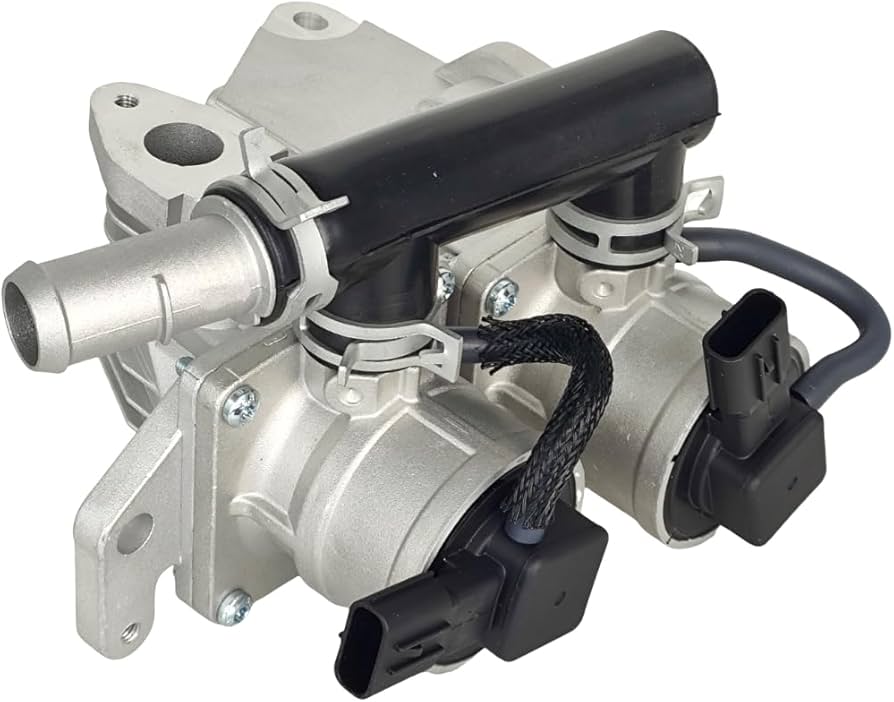
The Toyota P2445 Code indicates that the engine control module has detected a malfunction in the Secondary Air Injection System, specifically involving an air injection switching valve stuck closed on Bank 1.
To understand why this matters, it helps to understand how the system works.
During a cold engine start, vehicles produce higher emissions because fuel combustion is not yet fully efficient. Toyota uses the Secondary Air Injection System to solve this problem. The system temporarily injects fresh air into the exhaust stream, helping burn excess fuel and reduce emissions before the catalytic converter reaches operating temperature.
Several components work together in this process:
• Secondary air injection pump
• Air switching valves
• Pressure sensors
• Electrical wiring and control circuits
When everything operates correctly, the engine computer opens and closes the valves at specific times. However, if the valve becomes stuck or fails to respond properly, the computer detects abnormal airflow and stores the P2445 trouble code.
The challenge for many owners is that the vehicle may still start and run. This creates a false sense of security. In reality, the system may already be entering a protective strategy that limits engine performance.
Toyota trucks and SUVs are known for long term reliability, but certain Tundra, Tacoma, Sequoia, and 4Runner model years have experienced recurring Secondary Air Injection issues. Environmental conditions, moisture buildup, and component wear often contribute to the problem.
Common Symptoms of Toyota P2445 Code
Symptoms of the Toyota P2445 Code can vary from one vehicle to another. Some drivers experience sudden changes overnight, while others notice small warning signs that gradually become worse.
The most common symptom is the Check Engine Light illuminating on the dashboard. Unfortunately, this is usually only the beginning.
Many Toyota owners report one particularly frustrating issue: limp mode. In this condition, the engine computer intentionally limits power output to protect the vehicle from further problems.
Imagine attempting to merge onto a highway, pass another vehicle, or climb a steep hill only to discover your truck suddenly feels weak and unresponsive. That experience can become both stressful and dangerous depending on driving conditions.
Common Toyota P2445 symptoms include:
• Check Engine Light
• Reduced engine power
• Limp mode activation
• Slow acceleration
• Poor throttle response
• Rough idle after startup
• Reduced fuel economy
• Hesitation during acceleration
Drivers often describe real world situations that make the issue especially frustrating.
A Toyota Tundra owner towing equipment may suddenly notice a major loss of pulling power.
A Tacoma owner heading toward a trail may discover delayed throttle response during off road driving.
A Sequoia driver carrying family members may feel hesitation when accelerating into traffic.
Because symptoms can appear inconsistent, many people initially suspect transmission problems or engine failure before discovering the actual cause through a scan tool.
Toyota Tundra P2445 Problems
The Toyota Tundra is one of the models most frequently associated with P2445 complaints, especially among V8-equipped trucks from certain production years. Many owners first encounter the issue unexpectedly. The truck starts normally, drives fine for a short time, and then the Check Engine light appears. Shortly afterward, performance begins to change.
For Tundra owners, this can become a major concern because the truck is often used for towing, hauling, work duties, and long-distance driving. A sudden loss of power is more than an inconvenience. It can affect daily tasks and create safety concerns.
One common scenario involves drivers pulling trailers or carrying heavy loads. The truck suddenly feels sluggish during acceleration and struggles under conditions where it normally performs without effort. Some owners report that the vehicle enters reduced power mode shortly after startup, creating a noticeable difference in throttle response.
Common Tundra-related causes include:
• Failing air injection switching valves
• Moisture contamination inside the air pump
• Damaged electrical connectors
• Corroded wiring
• Internal air pump failure
Because these symptoms overlap with other engine issues, many owners replace expensive components before completing proper diagnostics. A sticking valve may trigger the same symptoms as a failed pump, making accurate testing extremely important.
The Tundra’s demanding use environment also contributes to wear. Exposure to snow, mud, moisture, towing stress, and varying temperatures can shorten the life of components within the Secondary Air Injection System.
Toyota Tacoma P2445 Problems
The Toyota Tacoma has also generated many owner reports involving the P2445 code. While Tacoma models are known for reliability and off-road capability, repeated exposure to dirt, water, and changing weather conditions may increase stress on emissions components over time.
Some Tacoma owners notice symptoms during morning startups. Others first discover a problem after driving off road or after periods of wet weather. Initially, the vehicle may seem completely normal. Then acceleration becomes slower, throttle response weakens, and the Check Engine light appears.
Drivers often become concerned because the symptoms can feel similar to transmission issues or engine performance problems.
Several commonly reported Tacoma symptoms include:
• Sudden power reduction
• Delayed acceleration
• Intermittent limp mode behavior
• Hesitation under load
• Reduced engine responsiveness
For off-road enthusiasts, the issue can become even more frustrating. Tacoma owners frequently drive through mud, rain, uneven terrain, and dusty conditions. Over time, these environments may contribute to moisture intrusion or contamination affecting system components.
Some owners assume that replacing the air pump immediately will solve the problem. However, diagnostics sometimes reveal damaged connectors, faulty switching valves, or wiring issues instead. Replacing parts without testing can increase repair costs quickly.
Toyota Sequoia P2445 Problems
The Toyota Sequoia shares several components with the Tundra, which means similar Secondary Air Injection problems can appear in both vehicles.
Since the Sequoia is often used as a family SUV, owners may first notice symptoms during everyday driving situations. Acceleration onto highways, carrying passengers, or driving on longer trips may suddenly feel different.
Some drivers report that the vehicle starts and idles normally but feels less responsive once speed increases. Others notice reduced power immediately after startup.
Common Sequoia symptoms include:
• Check Engine Light activation
• Slow acceleration
• Reduced power output
• Hesitation under load
• Limp mode activation
Because many Sequoia owners prioritize reliability and family transportation, sudden performance changes can create concern very quickly.
Another challenge is that symptoms may appear inconsistent. Some days the vehicle may seem almost normal, while on other occasions the reduced power becomes obvious. This inconsistency often delays diagnosis because drivers assume the issue temporarily disappeared.
Toyota 4Runner P2445 Problems
The Toyota 4Runner has built a strong reputation for durability and off-road capability, but like other Toyota trucks and SUVs, it can still experience Secondary Air Injection system problems.
Many 4Runner owners use their vehicles in challenging environments that include dirt roads, water crossings, mountain driving, and extreme weather conditions. Over time, these conditions may contribute to wear affecting sensitive emissions system components.
Drivers often first notice warning signs during acceleration. The vehicle may hesitate unexpectedly or feel slower than usual.
Common 4Runner symptoms include:
• Reduced throttle response
• Check Engine Light illumination
• Rough startup behavior
• Weak acceleration
• Reduced power under load
For drivers who rely on their 4Runner for outdoor adventures or long-distance trips, unexpected power loss creates frustration quickly.
A common mistake among owners is assuming the issue only affects older vehicles with high mileage. In reality, environmental conditions and component exposure can influence failures regardless of mileage in some situations.
Understanding model-specific behavior is important because Tundra, Tacoma, Sequoia, and 4Runner vehicles may show similar symptoms while having slightly different failure patterns.
Common Causes of Toyota P2445 Code
Although the Toyota P2445 Code points toward the Secondary Air Injection System, the actual cause is not always the same. One of the biggest mistakes owners make is assuming a single failed part automatically caused the code. In reality, several components can trigger the same diagnostic result.
Understanding the possible causes can save both time and money before replacing expensive parts.
One of the most common causes is a failed air injection switching valve. The valve is responsible for directing airflow at the correct time during startup. If it becomes stuck closed or fails internally, the engine computer detects abnormal system behavior and stores the code.
Another frequently reported issue is air pump failure. The pump pushes fresh air into the exhaust system during cold starts. Moisture buildup inside the pump can eventually damage internal components and reduce system performance.
Additional causes may include:
• Moisture contamination entering the system
• Corroded electrical connectors
• Damaged wiring harnesses
• Blown fuses or relay failures
• Vacuum leaks affecting system operation
• Faulty pressure sensors
• Internal electrical faults
Moisture is often a hidden contributor. Trucks and SUVs exposed to snow, rain, mud, or humid environments may experience water intrusion over time. This can accelerate wear and damage components that otherwise appear normal during a visual inspection.
Because multiple parts can produce nearly identical symptoms, complete diagnosis is always recommended before replacing components.
How to Fix Toyota P2445 Code
Fixing the Toyota P2445 Code starts with accurate diagnosis. Replacing parts without testing often leads to unnecessary expenses and frustration.
The first step is connecting a diagnostic scanner and reviewing all stored trouble codes. Freeze frame data can reveal important information about engine conditions when the fault occurred.
Follow these basic diagnostic steps:
Step 1: Scan for stored codes
Check for additional trouble codes besides P2445. Related codes can provide important clues and help narrow the issue.
Step 2: Inspect wiring and connectors
Carefully inspect connectors, harnesses, and visible wiring around the Secondary Air Injection components. Look for corrosion, loose connections, or damaged insulation.
Step 3: Test the air switching valve
A stuck valve is one of the most common failures. Verify that the valve opens and closes properly according to factory specifications.
Step 4: Inspect the air injection pump
Check for signs of water intrusion, unusual noises, or electrical problems.
Step 5: Examine fuses and relays
Simple electrical failures are often overlooked during diagnosis.
Step 6: Clear codes and perform a road test
After repairs are completed, erase the codes and verify that the system operates normally.
Drivers attempting DIY repairs should proceed carefully. Replacing an expensive air pump without confirming failure can lead to unnecessary repair costs.
Toyota P2445 Repair Cost
One of the first questions drivers ask after seeing a P2445 code is simple: How much will this cost to fix?
The answer depends on which component actually failed.
Minor repairs involving electrical connections or simple wiring issues may remain relatively affordable. However, larger component failures can become expensive quickly.
Estimated repair costs include:
| Repair Type | Estimated Cost |
|---|---|
| Diagnostic inspection | $100 to $200 |
| Wiring repair | $100 to $300 |
| Switching valve replacement | $250 to $600 |
| Relay or fuse replacement | $50 to $150 |
| Secondary air pump replacement | $600 to $1,500 |
| Dealer repair with labor | $1,000 to $2,000+ |
Labor costs vary by location and vehicle model.
Some owners experience sticker shock after receiving repair estimates from dealerships. This explains why many people search for alternatives, independent repair shops, or diagnostic confirmation before approving repairs.
Proper diagnosis can make a major difference because replacing only the failed component may significantly reduce total repair costs.
Can You Drive With Toyota P2445 Code?
Technically, yes, you may still be able to drive with the Toyota P2445 Code, but continuing to ignore it is usually not recommended.
Some vehicles continue operating with few noticeable changes. Others immediately enter reduced power mode. The severity often depends on model year, operating conditions, and system response.
The biggest concern is not always immediate engine damage. Instead, drivability problems create the greatest risk.
You may experience:
• Weak acceleration
• Reduced engine power
• Delayed throttle response
• Difficulty towing or climbing hills
• Unexpected limp mode activation
Imagine attempting to merge into fast moving traffic only to discover your truck suddenly lacks acceleration. Situations like this can become frustrating and potentially unsafe.
For drivers using their Tundra, Tacoma, Sequoia, or 4Runner for towing, hauling, off road use, or long trips, addressing the issue early becomes even more important.
Ignoring the code for an extended period can also increase the chance of additional system failures and more expensive repairs later.
Conclusion
The Toyota P2445 Code on Tundra, Tacoma, Sequoia, and 4Runner can initially seem alarming, especially when warning lights appear and engine performance suddenly changes. While the code commonly points toward a Secondary Air Injection System problem, the underlying cause is not always identical from one vehicle to another.
Symptoms may range from a simple Check Engine light to noticeable power loss and limp mode behavior. Common causes include switching valve failures, damaged wiring, moisture intrusion, and air pump problems.
The good news is that accurate diagnosis can prevent unnecessary repairs and save substantial money. Replacing parts without testing often creates more frustration than solutions.
If your Toyota recently displayed a P2445 code, take time to identify the actual cause before approving expensive repairs.
Have you experienced the Toyota P2445 Code on a Tundra, Tacoma, Sequoia, or 4Runner? Share your symptoms and experience in the comments. Your situation could help other owners facing the same problem.