Have you scanned your Toyota Corolla and suddenly seen the dreaded P0172 code appear on your diagnostic tool? For many drivers, this moment triggers instant concern. Some immediately assume a major engine failure is around the corner. Others rush to replace oxygen sensors, spark plugs, or fuel injectors, only to spend hundreds of dollars and still see the Check Engine Light return days later.
The truth is that Toyota Corolla P0172 is often misunderstood. The code itself does not point to one specific faulty part. Instead, it means the engine is running with a fuel mixture that is too rich. In simple terms, too much fuel or not enough air is entering the combustion process. While the message sounds straightforward, identifying the real cause can be surprisingly difficult because different Toyota Corolla generations tend to develop different patterns of failure.
An older Corolla may suffer from a contaminated Mass Air Flow sensor after years of dust buildup. Mid generation models frequently experience injector or oxygen sensor issues. Newer Corolla versions may even trigger P0172 due to software calibration or fuel system management problems.
Ignoring the issue can become expensive over time. Reduced fuel economy, rough idle, black smoke from the exhaust, sluggish acceleration, and long term engine damage are all potential consequences. In this guide, we will break down the most common Toyota Corolla P0172 causes by model year, helping you diagnose the problem faster and avoid unnecessary repair costs.
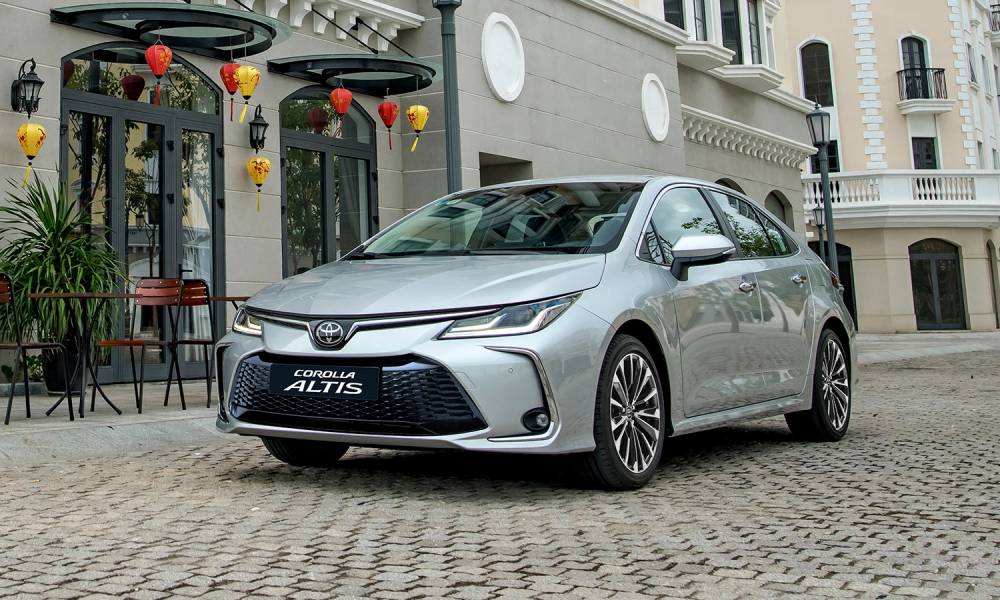
Toyota Corolla 1998–2002: MAF Sensor and Dirty Air Intake Problems
Early Toyota Corolla models from the late 1990s and early 2000s used relatively simple fuel management systems compared to newer generations. While these vehicles earned a reputation for reliability, age has become one of their biggest enemies. Many Corolla owners from this era eventually encounter the Toyota Corolla P0172 code because of airflow measurement problems.
The Mass Air Flow sensor, commonly called the MAF sensor, plays a crucial role in determining how much air enters the engine. Over time, dust, oil residue, and dirt can accumulate on the sensor element. When contamination builds up, the sensor may underestimate incoming airflow. The engine control unit then compensates by injecting extra fuel, creating a rich air fuel mixture and triggering P0172.
Drivers often notice several warning signs before the issue becomes severe. Fuel consumption may suddenly increase despite normal driving habits. Idle quality can become rough and inconsistent. Some drivers report sluggish acceleration, while others notice a strong fuel smell around the vehicle.
Fortunately, many cases on these Corolla generations do not require expensive repairs. Cleaning the MAF sensor with a dedicated sensor cleaner often restores proper readings. Replacing clogged air filters and inspecting intake tubing for cracks can also solve the issue. Because these vehicles are older, brittle intake hoses and loose clamps frequently contribute to airflow measurement errors.
One reason owners become frustrated is because they replace oxygen sensors before checking the intake system. This mistake can quickly increase repair costs without addressing the root cause.
Toyota Corolla 2003–2008: Failing MAF Sensor and Vacuum Issues
The 2003 to 2008 Corolla generation is one of the most commonly reported model ranges associated with Toyota Corolla P0172 problems. By this point, many vehicles from this generation have accumulated high mileage, and age related component wear begins to appear more frequently.
The MAF sensor remains one of the primary suspects. Unlike simple contamination issues seen in older Corollas, sensors in these vehicles can begin failing internally after years of heat cycles and vibration. Cleaning sometimes helps, but many drivers eventually require replacement.
Vacuum related issues also become increasingly common. Cracked hoses, deteriorated intake manifold gaskets, and hidden air leaks can confuse engine management systems. While vacuum leaks often create lean conditions, some irregular airflow patterns may lead to fuel correction issues that eventually contribute to rich operation under certain driving conditions.
Common symptoms include rough idle after startup, hesitation during acceleration, unstable RPM behavior, and a persistent Check Engine Light. Some owners also report poor throttle response during highway driving.
Repair costs vary significantly depending on diagnosis accuracy. Cleaning a sensor can cost very little if performed at home. Replacing a faulty MAF sensor can become more expensive. Vacuum leak detection can also take time because small cracks are often difficult to identify without smoke testing equipment.
Many owners make the mistake of replacing multiple components one by one. This trial and error approach creates frustration and unnecessary expenses. Proper diagnosis saves both time and money.
Toyota Corolla 2009–2013: Fuel Injector and Oxygen Sensor Failures
Corolla models built between 2009 and 2013 introduced more refined fuel delivery systems and improved emissions technology. While these upgrades enhanced efficiency, they also added complexity to diagnosing Toyota Corolla P0172 issues.
Fuel injectors become a more common source of problems in this generation. Over time, injector wear or deposits may prevent proper fuel atomization. Instead of delivering a controlled spray pattern, leaking or malfunctioning injectors can allow excessive fuel into combustion chambers.
Oxygen sensors also become increasingly important during this generation. These sensors continuously monitor exhaust conditions and help the engine control module adjust fuel delivery. When sensors age or begin sending inaccurate readings, the system may mistakenly enrich the fuel mixture even when unnecessary.
Drivers often notice dramatic decreases in fuel economy before discovering the P0172 code. Some report black exhaust smoke during acceleration. Others experience rough idling, hesitation, or occasional engine stumbling during stop and go traffic.
An additional challenge with these Corolla models is symptom overlap. Ignition issues, injector problems, and sensor failures can create nearly identical behavior. This often leads vehicle owners toward expensive guesswork.
For this generation, diagnostic scanning with live data becomes extremely valuable. Monitoring fuel trim numbers, oxygen sensor readings, and injector performance can reveal the true source of the issue before major money is spent replacing parts.
Toyota Corolla 2014–2019: EVAP and Fuel Delivery System Issues
Toyota introduced more advanced fuel management technology in Corolla models between 2014 and 2019. These vehicles offered better efficiency, lower emissions, and improved engine responsiveness. However, increased system complexity also created new possibilities for triggering the Toyota Corolla P0172 code.
One frequently overlooked source of trouble in this generation involves the Evaporative Emission Control System, commonly known as the EVAP system. This system is designed to capture fuel vapors and prevent them from escaping into the atmosphere. Under normal conditions, stored vapors are carefully routed back into the engine for combustion. Problems begin when purge valves fail or remain open longer than intended.
A malfunctioning purge valve can introduce excessive fuel vapor into the intake system, creating a richer air fuel mixture than expected. Since the engine computer relies on sensor feedback to maintain balance, excessive vapor can confuse fuel calculations and eventually trigger P0172.
Fuel pressure regulation issues can also contribute to rich running conditions. Excessive fuel pressure may force more fuel through injectors than intended. While less common than sensor related problems, fuel delivery abnormalities should not be ignored.
Drivers may notice warning signs such as fuel odors near the vehicle, inconsistent idle speed, reduced fuel economy, and occasional hesitation during acceleration. Some owners report intermittent symptoms that appear and disappear, making diagnosis particularly frustrating.
Because these problems can mimic other engine issues, replacing random parts rarely solves the problem. Comprehensive scanning and fuel system testing are usually necessary to identify the exact cause.
Toyota Corolla 2020 to Present: Sensor Calibration and Software Related Issues
Modern Toyota Corolla models use highly sophisticated engine management systems. Advanced sensors continuously collect information about airflow, fuel delivery, emissions output, and combustion efficiency. These systems improve performance and fuel economy, but they also create new diagnostic challenges when Toyota Corolla P0172 appears.
Unlike older generations where physical component failure often caused problems, newer Corolla models sometimes develop issues related to sensor calibration or software interpretation. Small discrepancies in sensor readings may trigger fuel correction adjustments that gradually push the engine toward rich operating conditions.
Mass Air Flow sensors and fuel system sensors remain important components, but electronic communication between modules now plays a larger role. In certain situations, software updates released by manufacturers may address calibration inconsistencies or improve system sensitivity.
Owners often become confused because symptoms can feel subtle compared with older vehicles. The engine may continue running relatively smoothly while the Check Engine Light remains illuminated. Some drivers notice only minor fuel economy reductions or occasional hesitation during acceleration.
This creates a common pain point for vehicle owners. Since the car appears to drive normally, many delay diagnosis and continue operating the vehicle for extended periods. Unfortunately, prolonged rich fuel conditions can increase carbon buildup and potentially affect long term engine health.
Professional diagnostic equipment capable of analyzing live sensor communication becomes increasingly valuable for these modern Corolla generations.
Symptoms You Should Never Ignore
Regardless of model year, several warning signs commonly appear before a Toyota Corolla P0172 condition becomes severe. Identifying these symptoms early can help drivers avoid expensive repairs and long term engine damage.
The Check Engine Light is usually the first signal drivers notice. While many people continue driving after seeing the warning light, ignoring it may allow minor issues to develop into larger problems.
Rough idle is another common symptom. The engine may shake, vibrate, or feel unstable while sitting at traffic lights. Some vehicles experience fluctuating RPM levels that create an uneven driving experience.
Poor fuel economy frequently becomes one of the most noticeable signs. Drivers suddenly find themselves filling the gas tank more often without changing driving habits.
Black smoke from the exhaust can appear in more severe cases. This symptom usually indicates excessive fuel entering the combustion process and should never be ignored.
Strong fuel odors around the vehicle may also suggest rich fuel conditions. Excess fuel that does not burn completely can create noticeable smells during startup or while idling.
Acceleration hesitation can create additional frustration. Pressing the throttle may produce delayed response, sluggish performance, or occasional stumbling during movement.
Many Corolla owners initially ignore these symptoms because the vehicle still starts and drives. Unfortunately, postponing diagnosis often leads to more expensive repairs later.
Estimated Toyota Corolla P0172 Repair Cost
One of the first questions most drivers ask after seeing a Toyota Corolla P0172 code is simple: How much is this going to cost? The answer depends entirely on the actual root cause. This is where many owners become frustrated because P0172 is often misdiagnosed. Replacing parts blindly can quickly turn a minor repair into an expensive mistake.
For example, a dirty Mass Air Flow sensor may only require cleaning, making it one of the least expensive fixes. In contrast, replacing multiple sensors without proper testing can cost several hundred dollars and still fail to solve the issue.
Below is a general repair cost estimate for common Toyota Corolla P0172 related issues:
| Repair Item | Estimated Cost |
|---|---|
| MAF sensor cleaning | $10 to $25 |
| Air filter replacement | $20 to $50 |
| MAF sensor replacement | $150 to $350 |
| Oxygen sensor replacement | $200 to $450 |
| Fuel injector cleaning service | $100 to $250 |
| Fuel injector replacement | $250 to $700 |
| Vacuum leak repair | $100 to $400 |
| EVAP purge valve replacement | $150 to $350 |
| Fuel pressure diagnosis | $100 to $200 |
| Professional diagnostic testing | $80 to $180 |
These numbers vary based on vehicle year, labor rates, and location. Dealership pricing is usually higher than independent repair shops. Labor costs in major cities can also significantly increase total expenses.
One of the biggest pain points for Corolla owners is paying for repeated repairs that never address the actual cause. It is common to hear stories of drivers replacing spark plugs, oxygen sensors, and fuel injectors one after another while the Check Engine Light keeps returning.
A smarter approach is diagnosing the issue in stages. Start with the most common and inexpensive possibilities. Inspect the air filter, clean the MAF sensor, check intake hoses, and scan live fuel trim data whenever possible. This process often identifies the issue before major spending becomes necessary.
Conclusion
The Toyota Corolla P0172 code may look simple at first, but as you have seen, the real cause can vary significantly depending on model year and vehicle generation. Older Corolla models commonly struggle with dirty MAF sensors and intake issues. Mid generation vehicles frequently experience injector or oxygen sensor problems. Newer models introduce more advanced electronics that sometimes create sensor calibration or software related challenges.
Understanding these year specific patterns can save both time and money. Instead of replacing random parts and hoping for results, drivers can focus on the most likely causes based on their Corolla generation. That approach reduces guesswork and prevents unnecessary repair costs.
Ignoring P0172 is rarely a good long term strategy. What starts as slightly reduced fuel economy can eventually lead to rough engine operation, excessive carbon buildup, and larger repair bills in the future. Early diagnosis remains the most effective way to protect both performance and reliability.
Which Toyota Corolla model are you driving, and what symptoms are you see with your P0172 code? Share your experience and diagnosis journey below. Your story may help other Corolla owners solve the same frustrating problem faster.