Electrical problems in a Subaru can be frustrating, especially when the symptoms seem unrelated. Dim headlights, intermittent sensor warnings, slow engine cranking, or random electronic glitches often lead owners to suspect a failing battery or alternator. However, one commonly overlooked cause is a faulty ground connection.
Ground wires, also known as ground straps, are essential components of your Subaru’s electrical system. They provide a return path for electrical current and help maintain stable operation for critical systems, including the starter motor, engine control unit, charging system, and various sensors. When these connections become loose, corroded, or damaged, they can trigger a wide range of performance and reliability issues.
One challenge Subaru owners face is that ground wire locations vary by model and production year. A grounding point found on a Forester may differ significantly from those on an Outback, WRX, Impreza, or Crosstrek. Without knowing where to look, diagnosing electrical problems can become time-consuming and expensive.
In this complete guide, you will learn the common Subaru ground wire locations by model, how to inspect and test these connections properly, and when cleaning or replacing a ground wire may be necessary. Whether you are troubleshooting an existing issue or performing preventive maintenance, this guide will help you keep your Subaru’s electrical system operating reliably.
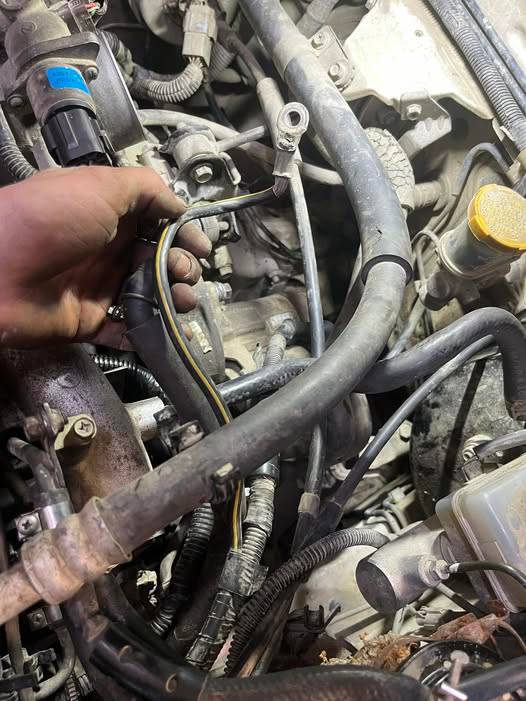
What Does a Ground Wire Do in a Subaru?
A ground wire is a critical component of your Subaru’s electrical system. While the positive cable delivers power from the battery to various electrical components, the ground wire provides the return path that completes the circuit. Without a secure and properly functioning ground connection, electrical current cannot flow efficiently, leading to a variety of performance and reliability issues.
Modern Subaru vehicles rely on multiple grounding points throughout the engine bay and chassis. These connections support essential systems such as the starter motor, alternator, engine control unit, ignition system, lighting circuits, and numerous sensors responsible for monitoring engine performance. Even a slight increase in resistance caused by corrosion or a loose connection can interfere with normal operation.
One of the reasons ground-related problems are difficult to diagnose is that they often mimic the symptoms of more expensive component failures. A weak ground may produce the same warning signs associated with a failing alternator, a defective battery, or malfunctioning sensors. As a result, vehicle owners sometimes replace perfectly functional parts without resolving the underlying issue.
Understanding the role of ground wires is the first step toward effective electrical troubleshooting. Regular inspection and maintenance of these connections can help prevent unexpected breakdowns and ensure that your Subaru continues to perform as intended.
Common Symptoms of a Bad Subaru Ground Wire
Ground wire problems can affect nearly every aspect of a vehicle’s electrical system. Because the symptoms often develop gradually, many Subaru owners overlook them until they become severe enough to impact daily driving.
One of the most common signs of a poor ground connection is difficulty starting the engine. The starter may crank slowly, struggle intermittently, or fail to engage altogether despite the battery testing within normal specifications. Since the starter relies on a solid ground path to handle high current loads, even minor resistance can significantly reduce its effectiveness.
Lighting issues are another frequent indicator. Headlights may appear dimmer than usual, dashboard illumination can flicker unexpectedly, and interior lights may fluctuate in brightness. These symptoms often become more noticeable during cold weather or when multiple electrical accessories are operating simultaneously.
Drivers may also experience unexplained warning lights or sensor-related fault codes. A compromised ground connection can disrupt communication between control modules and sensors, resulting in erratic readings and diagnostic trouble codes that seem unrelated to one another.
Charging system abnormalities are also possible. In some cases, the alternator may not charge the battery efficiently because of increased resistance within the grounding circuit. This can lead to repeated battery failures and reduced electrical performance over time.
Additional warning signs include power windows operating inconsistently, audio systems resetting without warning, intermittent loss of accessory power, and unusual behavior from electronic components. Addressing these symptoms early can prevent more extensive repairs and reduce diagnostic costs.
Subaru Forester Ground Wire Location
The Subaru Forester features several important grounding points that should be inspected whenever electrical problems arise. While exact locations may vary depending on the model year, most Forester generations share a similar grounding layout.
The primary ground connection is typically found at the battery. The negative battery cable attaches directly to the vehicle’s chassis, usually near the battery tray or inner fender area. This connection serves as one of the most critical grounding points within the entire electrical system.
Another major grounding location can be found between the engine and the chassis. This ground strap is often mounted near the transmission housing or attached to the engine block. Its purpose is to provide a low-resistance path for the high current demands associated with engine operation and starting.
Additional grounding points may be located along the inner fenders and firewall. These smaller connections support various sensors, control modules, and electrical accessories throughout the vehicle. Corrosion or looseness at any of these locations can contribute to intermittent electrical faults that are difficult to trace.
For Forester models produced between 2014 and 2018, commonly referred to as the SJ generation, owners should pay close attention to the engine-to-chassis ground strap near the transmission area. On newer SK generation models introduced in 2019, battery-related grounding points and chassis connections remain among the first areas technicians inspect during electrical diagnostics.
Whenever inspecting ground wires, disconnect the battery before beginning work. Look for signs of corrosion, damaged insulation, loose fasteners, or discoloration caused by excessive heat. Cleaning and securing these connections can often restore normal electrical function without requiring costly component replacement.
Subaru Outback Ground Wire Location
The Subaru Outback is designed with multiple grounding points that help maintain the stability and reliability of its electrical system. Knowing where these connections are located can significantly reduce diagnostic time when dealing with starting problems, charging issues, or unexplained electrical malfunctions.
One of the primary ground locations is attached to the negative battery terminal. This cable typically connects to the vehicle’s chassis near the battery tray. Because it is exposed to heat, moisture, and road contaminants over time, this area should be inspected regularly for corrosion or loose mounting hardware.
Another important grounding point is the engine-to-chassis ground strap. On many Outback models, this strap can be found near the engine block and transmission assembly. Since the starter motor draws a substantial amount of electrical current, this connection plays a vital role in ensuring consistent engine cranking performance.
Grounding locations may also be present near the driver-side strut tower and along the firewall. These attachment points support various electronic systems and control modules throughout the vehicle. In some Outback generations, additional grounding connections can be found in the rear cargo area to support lighting and accessory circuits.
Owners of 2015 to 2019 Outback models should pay particular attention to battery grounding points and engine straps during routine maintenance. For 2020 and newer models, similar inspection practices apply, especially if aftermarket electrical accessories have been installed.
Routine cleaning and tightening of these grounding connections can help prevent many common electrical issues before they escalate into more costly repairs.
Subaru Impreza Ground Wire Location
The Subaru Impreza utilizes several strategically placed ground wires to ensure proper operation of the engine management system, charging system, and onboard electronics. Although exact locations vary by generation, the overall grounding layout remains relatively consistent.
The most accessible ground point is connected directly to the negative battery terminal. This cable usually terminates at the chassis near the battery mounting area. Because of its visibility and ease of access, it should be among the first locations checked when diagnosing electrical concerns.
Another critical grounding connection can often be found near the intake manifold or engine block. This ground supports essential engine functions and helps maintain accurate communication between sensors and the engine control unit. If this connection becomes compromised, drivers may experience erratic idle behavior, warning lights, or intermittent drivability issues.
Additional grounding bolts may be mounted along the front frame rails or inner fender structures. These points assist in distributing electrical loads across various vehicle systems, including lighting components and cabin electronics.
For Impreza models produced between 2012 and 2016, engine compartment grounds deserve close attention during inspections. Newer generations introduced from 2017 onward maintain similar grounding principles, although component placement may differ slightly depending on engine configuration and trim level.
Whenever electrical symptoms appear without an obvious cause, inspecting these grounding locations can often reveal hidden corrosion or loose connections that would otherwise go unnoticed during routine maintenance.
Subaru Crosstrek Ground Wire Location
The Subaru Crosstrek shares many electrical design characteristics with the Impreza, resulting in several common grounding locations throughout the vehicle. Understanding these areas can be particularly useful when troubleshooting intermittent electrical faults or performing preventive maintenance.
The primary chassis ground is typically located close to the battery assembly. The negative battery cable connects to a designated mounting point on the body structure, creating the main return path for electrical current. Since this connection experiences constant exposure to environmental factors, periodic inspection is strongly recommended.
Another significant grounding point is attached to the engine block. This engine ground strap provides a direct pathway for high-current electrical demands generated during starting and charging operations. A weakened or damaged engine ground can contribute to slow cranking, charging irregularities, and unusual sensor behavior.
Additional grounding connections may be found along the chassis, inner fenders, and support brackets within the engine compartment. These locations help stabilize voltage throughout the vehicle and support numerous electronic systems that modern drivers depend upon every day.
Owners who frequently drive in regions with heavy rain, snow, or road salt should inspect grounding points more frequently. Corrosion buildup can develop gradually and may eventually interfere with the efficiency of the electrical system.
If cleaning is necessary, disconnect the battery before removing any ground fasteners. Use an appropriate wire brush to eliminate corrosion from both the terminal and mounting surface before reassembling the connection. Applying a protective coating afterward can help reduce future oxidation and prolong the life of the grounding components.
Subaru WRX Ground Wire Location
The Subaru WRX is engineered with a performance-oriented electrical system that relies heavily on stable grounding connections. Because WRX models are often modified with aftermarket components such as upgraded audio systems, lighting accessories, or engine tuning devices, maintaining healthy ground points becomes even more important.
The primary ground connection begins at the negative battery terminal, which is typically secured to the chassis near the battery tray. This grounding point supports the vehicle’s overall electrical network and should always be inspected first when electrical issues arise.
Another essential ground strap is commonly located between the engine and transmission assembly. This connection handles substantial electrical loads generated during engine starting and operation. If resistance develops at this point due to corrosion or a loose fastener, drivers may notice hard starting conditions, inconsistent idle quality, or unusual voltage fluctuations.
Additional grounding points can often be found near the intake manifold and around the front shock towers. These locations support sensors, ignition components, and electronic control modules responsible for maintaining engine performance. Since WRX owners frequently modify their vehicles, technicians often recommend verifying that all factory grounds remain secure after any major installation work.
In some cases, enthusiasts choose to install aftermarket grounding kits designed to supplement the original grounding network. While these upgrades are not a substitute for proper repairs, they may provide improved electrical stability when supporting additional accessories or performance modifications.
Routine inspections remain the best defense against ground-related electrical problems. Identifying corrosion or loose connections early can help preserve both performance and reliability.
Subaru Legacy Ground Wire Location
The Subaru Legacy incorporates multiple grounding points throughout the engine compartment and chassis to ensure the dependable operation of its electrical systems. Although the exact placement of these connections may vary depending on the production year, several common locations should always be considered during troubleshooting.
The main chassis ground is generally connected directly to the battery’s negative terminal. This cable often attaches to the body structure near the battery mounting area and serves as one of the most important components within the electrical system.
A secondary ground strap is usually positioned between the engine and chassis. This connection enables high-current components, including the starter motor and charging system, to operate efficiently. When this strap deteriorates, symptoms such as slow engine cranking, intermittent charging concerns, or inconsistent electrical behavior may develop.
Additional grounding locations can often be identified along the firewall and frame rails within the engine compartment. These attachment points provide stable grounding paths for sensors, control modules, and various electronic accessories integrated into the vehicle.
Owners of older Legacy models should pay particular attention to signs of oxidation and terminal degradation. Over time, exposure to moisture and engine heat can compromise the effectiveness of these connections. Regular inspections, especially during scheduled maintenance intervals, can significantly reduce the likelihood of unexpected electrical failures.
If a ground connection appears damaged beyond cleaning, replacement with an appropriately sized cable is recommended to restore optimal electrical performance.
How to Locate Ground Wires Safely
Before attempting to inspect or service any ground wire in your Subaru, taking the proper safety precautions is essential. Working on the electrical system without following recommended procedures can increase the risk of accidental short circuits or component damage.
Begin by parking the vehicle on a level surface and engaging the parking brake. Turn off the ignition completely and remove the key from the vehicle. Allow the engine compartment to cool if the vehicle has been driven recently, as several components may remain extremely hot.
The next step is to disconnect the negative battery terminal. This precaution helps eliminate the possibility of unintended electrical contact while handling grounding connections. Use the appropriate hand tools and place the disconnected cable away from the battery terminal to prevent accidental reconnection.
Once the battery has been isolated, visually trace the negative battery cable to its attachment point on the chassis. This location represents the primary ground connection. Continue following any secondary ground straps extending from the engine block, transmission housing, or surrounding structural components.
Consulting a factory service manual can be especially helpful if you are working on a specific Subaru model or generation. Service documentation often includes detailed illustrations showing the exact placement of grounding points throughout the vehicle.
During the inspection process, examine each connection carefully for loose fasteners, corrosion, damaged insulation, or signs of overheating. If cleaning or repairs are necessary, address the issue before reconnecting the battery.
Following these safety practices not only protects sensitive electrical components but also helps ensure that any maintenance performed on your Subaru’s grounding system is both effective and reliable.
How to Inspect Subaru Ground Connections
Inspecting your Subaru’s ground connections is one of the most effective ways to identify the source of unexplained electrical problems. Many grounding issues can be detected through a careful visual examination before advanced diagnostic procedures become necessary.
Start by ensuring the vehicle is turned off and the negative battery terminal has been disconnected. Once the electrical system has been isolated, locate each accessible grounding point within the engine compartment. Focus first on the primary chassis ground connected to the battery, then proceed to the engine-to-chassis ground straps and any additional grounding bolts mounted to the firewall or frame rails.
During the visual inspection, look for signs of corrosion around the terminals and mounting surfaces. White, green, or bluish deposits often indicate oxidation that can increase electrical resistance. Rust around the mounting area may also interfere with proper conductivity and should not be ignored.
Examine the cables themselves for damage. Cracked insulation, exposed wiring, frayed strands, or evidence of melting may suggest excessive heat exposure or physical deterioration. Any ground wire showing significant structural damage should be replaced rather than repaired temporarily.
After completing the visual assessment, check the tightness of each grounding fastener. A loose connection can create intermittent electrical problems that appear and disappear unpredictably. Use the appropriate tools to confirm that each attachment point is secure without overtightening the hardware.
Completing this inspection periodically can help identify developing issues before they lead to more serious electrical failures. Preventive maintenance often costs very little compared with the expense of diagnosing persistent electrical faults after symptoms become severe.
How to Test a Subaru Ground Wire Using a Multimeter
A voltage drop test is one of the most reliable methods for evaluating the condition of a Subaru ground wire. Unlike a simple continuity test, voltage drop testing measures how efficiently electrical current flows through the grounding circuit under actual operating conditions.
Begin by setting the digital multimeter to measure direct current voltage. Ensure that the battery is fully connected before performing this test, as the circuit must be energized to obtain meaningful results.
Place the black multimeter probe directly on the negative battery terminal. Position the red probe against the engine block or the grounding point you wish to evaluate. Ensure both probes make firm contact with clean metal surfaces to prevent inaccurate readings.
Ask an assistant to start the engine while observing the multimeter display. During cranking, the starter motor draws a significant amount of current, making this an ideal time to evaluate ground circuit performance.
In most situations, a healthy ground connection should produce a voltage drop reading below 0.2 volts. Readings exceeding approximately 0.3 volts may indicate excessive resistance caused by corrosion, loose hardware, or internal cable deterioration.
If elevated voltage drop values are observed, inspect the entire grounding path carefully. Clean all contact surfaces, tighten fasteners as needed, and repeat the test to verify improvement. Should the readings remain outside acceptable limits, replacement of the affected ground cable may be necessary.
Performing a voltage drop test can save considerable time during diagnosis by identifying grounding problems that might otherwise be mistaken for starter, battery, or alternator failures.
Cleaning Subaru Ground Connections
Cleaning Subaru ground connections is a simple maintenance procedure that can restore proper electrical function and prevent future problems. Because grounding points are frequently exposed to moisture, dirt, and temperature fluctuations, corrosion can develop gradually over time.
Before beginning the cleaning process, disconnect the negative battery terminal to eliminate the risk of accidental short circuits. Once the battery has been isolated, remove the bolts securing the ground wire to the chassis or engine component.
Inspect both the terminal and the mounting surface closely. If corrosion is present, use a wire brush or fine-grit sandpaper to remove oxidation and debris until clean metal is visible. Pay attention to both sides of the terminal, as hidden buildup can contribute to increased electrical resistance.
After cleaning the contact surfaces, wipe away any remaining residue using a clean cloth. Verify that the ground cable itself remains structurally sound and that the terminal connection is secure. If excessive fraying or deterioration is present, replacement may be the more appropriate solution.
Many technicians recommend applying a thin layer of dielectric grease after the cleaning process is complete. Although dielectric grease does not conduct electricity, it can help protect exposed metal surfaces from moisture intrusion and future corrosion when used appropriately around the connection.
Reinstall the ground wire carefully and tighten the mounting hardware according to the manufacturer’s specifications whenever possible. Once all grounding points have been reassembled, reconnect the battery and verify that the affected electrical systems are functioning normally.
In many cases, a thorough cleaning procedure can eliminate symptoms such as hard starting, flickering lights, and intermittent electronic malfunctions without requiring costly component replacement. Incorporating ground connection maintenance into your regular service routine can contribute significantly to the long-term reliability of your Subaru’s electrical system.
When Should You Replace a Subaru Ground Wire?
While cleaning and tightening ground connections can resolve many electrical concerns, there are situations where replacement becomes the safest and most effective solution. Ground wires are exposed to constant vibration, temperature changes, moisture, and contaminants throughout their service life. Over time, these conditions can cause irreversible damage that compromises electrical performance.
One of the clearest signs that replacement is necessary is severe corrosion. If oxidation has spread extensively through the cable strands or terminal ends, cleaning alone may not restore adequate conductivity. Corrosion hidden beneath the insulation can continue to increase resistance even after the visible surfaces have been treated.
Physical deterioration is another warning sign. Cracked insulation, broken wire strands, melted sections, or terminals that no longer maintain a secure connection indicate that the cable has reached the end of its service life. Attempting temporary repairs on heavily damaged ground wires may result in recurring electrical problems.
Repeated electrical issues despite cleaning and tightening existing grounds should also prompt further investigation. If voltage drop testing continues to reveal excessive resistance, replacing the affected cable may be the most practical approach.
When selecting a replacement ground wire, choose a cable that matches or exceeds the specifications of the original equipment. Proper wire gauge, heat resistance, and durable terminal construction all contribute to long-term reliability. While aftermarket alternatives are widely available, many Subaru owners prefer original equipment components to ensure compatibility and consistent performance.
Replacing a compromised ground wire before complete failure occurs can help prevent inconvenient breakdowns and protect sensitive electronic systems from unstable voltage conditions.
Frequently Asked Questions
Where is the main ground wire located on a Subaru?
In most Subaru models, the primary ground wire connects the negative battery terminal directly to the vehicle’s chassis near the battery tray or inner fender. Additional ground straps commonly link the engine block or transmission assembly to the chassis to support high-current electrical demands.
Can a bad ground wire cause a Subaru not to start?
Yes. A faulty ground wire can restrict the flow of electrical current required by the starter motor. This may result in slow cranking, intermittent starting issues, or a complete no-start condition even when the battery itself is fully charged.
How much does it cost to replace a Subaru ground wire?
The cost varies depending on the model and whether the repair is performed professionally or as a do-it-yourself project. Replacement cables are generally affordable, while labor charges may increase the total expense if multiple grounding points require service.
Can I drive with a faulty ground wire?
Although a vehicle may continue operating with a compromised ground connection, doing so is not recommended. Electrical performance can become increasingly unpredictable, potentially affecting critical systems such as engine management, charging functions, and lighting components.
Do all Subaru models use the same ground wire locations?
No. While many Subaru vehicles share similar grounding principles, the exact placement of ground straps and grounding bolts varies according to the model, generation, engine configuration, and equipment level. Consulting the appropriate service documentation is the best way to confirm the locations specific to your vehicle.
How often should Subaru ground connections be inspected?
Ground connections should be inspected during routine maintenance intervals or whenever unexplained electrical symptoms occur. Vehicles operated in regions with heavy rainfall, snow, or road salt exposure may benefit from more frequent inspections due to the increased risk of corrosion.
Conclusion
Understanding Subaru ground wire locations can make a significant difference when diagnosing electrical problems and maintaining the long-term reliability of your vehicle. Although the exact placement of grounding points varies among Forester, Outback, Impreza, Crosstrek, WRX, Legacy, and other Subaru models, several common locations consistently deserve attention. The battery-to-chassis connection, engine ground straps, and additional grounding points throughout the engine compartment all play essential roles in ensuring stable electrical performance.
Routine inspections, voltage drop testing, and periodic cleaning can help identify developing issues before they evolve into more serious and costly repairs. Symptoms such as slow engine cranking, flickering lights, charging irregularities, and unexplained electronic malfunctions should never be ignored, as they may indicate underlying grounding concerns.
By familiarizing yourself with the grounding layout of your specific Subaru model and incorporating these maintenance practices into your service routine, you can improve diagnostic accuracy and reduce the likelihood of unexpected electrical failures. Whether you are an experienced technician or a Subaru owner performing basic maintenance at home, proper attention to ground connections is an investment in your vehicle’s overall dependability.
If you have discovered a unique ground wire location on your Subaru model or have successfully resolved an electrical issue related to grounding, consider sharing your experience with other Subaru owners. Real-world insights can provide valuable guidance and help fellow enthusiasts keep their vehicles operating at their best.