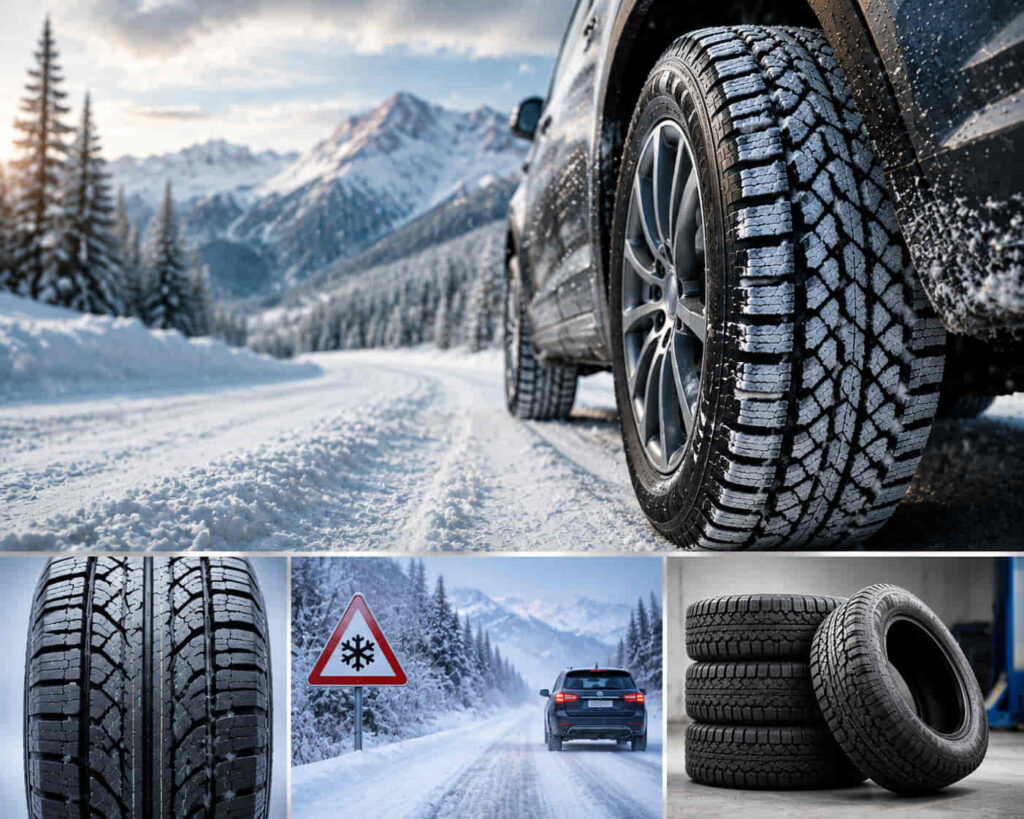
Snow tires can be worth buying for drivers who regularly experience snow, ice, freezing temperatures, or winter road conditions because they are specifically designed to maintain traction and control when standard tires lose performance. Unlike all-season tires that are built for a wider range of conditions, snow tires use specialized rubber compounds and tread designs that remain flexible in cold temperatures.
The main reason drivers consider snow tires is improved safety. When temperatures drop, regular tire rubber becomes harder and loses some ability to grip the road. Snow tires are engineered to maintain better contact with cold pavement, helping improve acceleration, braking, and handling on slippery surfaces.
However, the value of snow tires depends on driving environment and usage patterns. Drivers living in areas with frequent snowfall, icy roads, or long periods of temperatures below freezing are more likely to benefit from a dedicated winter tire setup. In warmer climates where snow is rare, the additional cost may not provide enough practical value.
Snow tires also require additional investment because most drivers need a separate set of tires and may need seasonal installation or storage. The decision is not only about the purchase price but also about whether the safety and performance improvements justify the long-term cost.
This guide explains how snow tires improve winter driving, how they compare with all-season tires, their advantages and limitations, and whether investing in snow tires is the right choice for your driving conditions.
How Do Snow Tires Improve Winter Driving Performance?
Snow tires improve winter driving performance by using specialized rubber compounds, deeper tread patterns, and additional biting edges that help maintain traction in cold, snowy, and icy conditions. Their main purpose is not to provide better performance in every environment but to maximize control when temperatures drop and road surfaces become more difficult to manage.
One of the biggest differences between snow tires and standard tires is the rubber compound. Traditional all-season tires are designed to perform across a wide temperature range, but their rubber can become harder when temperatures fall significantly. Snow tires use compounds that remain more flexible in cold weather, allowing the tire to maintain better contact with the road surface.
The tread design also plays an important role in winter performance. Snow tires typically include deeper grooves and more small cuts called sipes, which create additional edges that grip snow and ice. These design features help the tire push through loose snow while improving traction during acceleration and cornering.
Braking performance is another area where snow tires provide an advantage. Stopping on snow or ice requires maximum contact between the tire and road surface. A tire designed specifically for winter conditions can help reduce stopping distances compared with tires that are not optimized for cold temperatures.
For example, a driver using all-season tires on a snowy road may experience reduced grip during braking, while the same vehicle equipped with quality snow tires can maintain better traction and more predictable control.
Are Snow Tires Safer Than All-Season Tires?
Snow tires are generally safer than all-season tires in severe winter conditions because they are specifically engineered to maintain traction when temperatures are low and roads become covered with snow or ice. The safety advantage comes from differences in rubber flexibility, tread design, and overall winter-focused engineering.
All-season tires are designed as a compromise solution. They provide acceptable performance in many conditions, including dry roads, rain, and light winter weather. However, they are not optimized for extreme cold because their rubber compounds may lose flexibility as temperatures decrease.
Snow tires provide stronger winter traction because their tread patterns are designed to remove snow and improve grip on slippery surfaces. The additional tread edges created by sipes help the tire interact with snow and ice, improving acceleration and steering control.
The biggest safety improvement is often seen during braking. A vehicle may have advanced safety systems such as ABS, traction control, or AWD, but those systems still depend on the tires maintaining contact with the road. Better tire grip allows these systems to work more effectively.
However, snow tires do not eliminate all winter driving risks. Speed, road conditions, visibility, and driver behavior remain important factors. Even with winter tires, drivers must adjust their driving habits during storms, icy conditions, and poor visibility.
For example, an AWD SUV equipped with all-season tires may accelerate well in snow but still struggle during emergency braking, while the same SUV with snow tires can achieve more balanced winter performance.
Read more: Are Used Tires Worth It
Snow Tires vs All-Season Tires: Which Option Is Better?
Snow tires are better than all-season tires for drivers who regularly face harsh winter conditions, while all-season tires are better for drivers who need one tire solution for a variety of moderate conditions. The better option depends on climate, driving habits, and how often a vehicle encounters snow, ice, and freezing temperatures.
The main difference between these tire categories is their design purpose. All-season tires are developed to provide balanced performance throughout the year, including acceptable traction in dry conditions, rain, and light winter weather. Their advantage is convenience because drivers do not need to change tires seasonally.
Snow tires are designed specifically for cold environments. Their rubber compounds remain flexible at low temperatures, while their tread patterns provide additional grip on snow-covered and icy roads. This specialized design allows them to perform better when temperatures drop below the range where all-season tires begin losing effectiveness.
Cost is another important difference. All-season tires usually have a lower ownership cost because drivers only need one set of tires. Snow tires require an additional investment because drivers need a separate winter tire set and may need seasonal installation or storage.
However, the long-term value of snow tires can be higher for drivers in severe winter climates. Using snow tires during winter allows all-season or summer tires to remain unused during harsh conditions, potentially extending the lifespan of those tires.
For example, a driver living in a region with frequent snowfall may benefit significantly from switching to snow tires every winter, while someone living in a mild climate with occasional light snow may find quality all-season tires more practical.
Do AWD Vehicles Need Snow Tires?
AWD vehicles can still benefit from snow tires because all-wheel drive improves power delivery but does not replace tire traction. Many drivers assume AWD eliminates the need for winter tires, but the tires remain the only component directly connecting the vehicle to the road.
AWD systems help distribute engine power to multiple wheels, which can improve acceleration on slippery surfaces. This is especially useful when starting from a stop in snow or ice. However, AWD does not significantly improve braking distance because the vehicle still depends on tire grip to slow down.
Snow tires improve the performance of AWD systems by providing better traction during acceleration, braking, and cornering. The combination of AWD and winter tires creates a more complete winter driving system because both power transfer and road contact are optimized.
Front-wheel-drive and rear-wheel-drive vehicles can also benefit from snow tires. While AWD may provide advantages in certain situations, properly designed winter tires can improve traction regardless of drivetrain type.
For example, an AWD SUV with all-season tires may accelerate confidently in snow but still have difficulty stopping quickly on icy roads. The same SUV equipped with snow tires can achieve better overall control because the tires provide improved grip during every stage of driving.
How Long Do Snow Tires Last?
Snow tires typically last several winter seasons when they are properly maintained, but their lifespan depends on tread wear, driving distance, storage conditions, and seasonal usage habits. Because snow tires are designed for specific conditions, their durability is influenced by how and when they are used.
Most drivers use snow tires only during colder months and switch back to all-season or summer tires when temperatures rise. This seasonal rotation reduces wear because the winter tires are not exposed to warm pavement conditions that can accelerate tread degradation.
Tread depth is one of the most important factors affecting snow tire performance. Winter tires rely on deeper tread patterns and biting edges to maintain traction in snow and ice. As the tread wears down, their ability to grip slippery surfaces gradually decreases.
Proper storage also affects lifespan. Snow tires stored during warmer months should be kept away from direct sunlight, extreme heat, and moisture. Poor storage conditions can accelerate rubber aging and reduce future performance.
Driving style also influences durability. Frequent aggressive acceleration, hard braking, and high-speed driving can wear the tread faster, especially on heavier vehicles such as SUVs and trucks.
For example, a driver who uses snow tires for several months each winter and stores them properly may get multiple seasons of reliable performance, while a driver who leaves snow tires on during hot summers may shorten their usable life.
How Much Do Snow Tires Cost and Are They Worth the Investment?
Snow tires require a higher upfront investment than using a single set of all-season tires, but they can provide significant value for drivers who regularly experience severe winter conditions. The real value of snow tires comes from the combination of improved safety, better winter performance, and reduced stress on other tire sets throughout the year.
The total cost of owning snow tires includes more than the tire purchase itself. Drivers may need to consider the cost of a second set of wheels, seasonal installation, tire storage, and maintenance. These additional expenses make snow tires less attractive for drivers who rarely encounter winter conditions.
However, for drivers in regions with frequent snow, ice, and freezing temperatures, the safety benefits can justify the investment. Better traction and shorter braking distances can reduce the risk associated with winter driving, especially during storms or sudden changes in road conditions.
Snow tires can also create long-term value because they allow drivers to rotate between different tire sets throughout the year. Instead of wearing one set of all-season tires continuously, each set is used during the conditions where it performs best, which may extend the usable life of both sets.
The financial decision depends heavily on local climate and driving habits. A driver who experiences several months of winter weather each year receives more value from snow tires than someone who encounters snow only once or twice annually.
For example, a driver living in an area with regular snowfall may consider snow tires an important safety investment, while a driver in a warmer region may find that high-quality all-season tires provide better overall value.
What Are the Advantages of Snow Tires?
The main advantages of snow tires are improved winter traction, stronger braking performance, better cold-weather handling, and increased driver confidence in difficult conditions. Their design focuses specifically on solving the challenges created by low temperatures, snow, and ice.
One major advantage is improved grip on slippery surfaces. Snow tires use specialized rubber compounds that remain flexible in cold weather, allowing them to maintain better contact with the road compared with many standard tires.
Another advantage is improved braking control. Winter driving accidents often occur because vehicles cannot stop effectively on snow or ice. Snow tires provide additional traction that helps reduce stopping distances and improves vehicle control during emergency situations.
Snow tires also improve handling during winter conditions. Their tread patterns are designed to create more contact points with snow and ice, helping vehicles maintain stability when cornering or changing direction on slippery roads.
For drivers who regularly travel in winter weather, snow tires can also increase confidence. Knowing that the vehicle has tires designed for the current conditions allows drivers to maintain better control and make safer decisions.
For example, a commuter traveling daily through snowy roads may experience a noticeable improvement in stability and braking after switching from all-season tires to dedicated snow tires.
What Are the Limitations of Snow Tires?
The main limitations of snow tires are additional cost, seasonal replacement requirements, storage needs, and reduced performance in warm weather conditions. These limitations exist because snow tires are specialized products designed for a specific environment rather than year-round use.
The biggest disadvantage is the extra expense. Drivers need to purchase another set of tires and may also need additional wheels or professional installation. This creates a higher initial cost compared with using one set of all-season tires throughout the year.
Snow tires also require seasonal management. Drivers must install them before winter conditions arrive and remove them when temperatures consistently rise. Improper timing can increase wear and reduce the lifespan of the tires.
Warm weather can negatively affect snow tire performance. The softer rubber compound that provides excellent cold-weather traction becomes less suitable on hot pavement, causing faster wear and reduced handling performance.
Storage is another consideration. Drivers need an appropriate place to store their unused tire set during the opposite season. Poor storage conditions can accelerate rubber aging and reduce tire effectiveness.
For example, a driver in a region with mild winters may find the cost and maintenance of snow tires unnecessary, while a driver in a northern climate may consider these limitations minor compared with the safety benefits.
Are Snow Tires Worth It?
Snow tires are worth buying for drivers who regularly face snow, ice, freezing temperatures, or challenging winter road conditions because they provide performance advantages that standard tires cannot fully match. Their specialized rubber compounds and tread designs help improve traction, braking, and vehicle control when temperatures drop and roads become slippery.
The main value of snow tires comes from improved winter safety. While all-season tires provide convenience and acceptable performance across different conditions, they are designed as a compromise solution rather than a specialized winter product. Snow tires provide stronger performance when cold temperatures reduce the effectiveness of standard tire compounds.
However, snow tires are not necessary for every driver. The investment makes the most sense for people living in regions with frequent snowfall, icy roads, or extended periods of freezing weather. Drivers in warmer climates or areas with rare winter conditions may receive better value from high-quality all-season tires.
The decision should consider more than the initial purchase price. Seasonal installation, storage, and maintenance add costs, but these expenses may be justified by improved safety, better winter control, and longer overall tire usage through seasonal rotation.
Overall, snow tires are a valuable investment for drivers who need reliable performance in severe winter conditions. They provide meaningful safety benefits when matched with the right climate, vehicle, and driving habits.