Few dashboard warning lights are as concerning as the airbag indicator suddenly appearing on your Subaru’s instrument panel. Unlike reminders for oil changes or low fuel levels, the airbag warning light is directly related to one of your vehicle’s most important safety systems. Ignoring it could put both you and your passengers at greater risk in the event of an accident.
Subaru vehicles are well known for their commitment to safety, featuring advanced Supplemental Restraint Systems (SRS) designed to work alongside seat belts to help reduce injuries during collisions. However, when the Subaru airbag light stays on, it usually means the system has detected a fault that requires attention. In some cases, the issue may be relatively minor, such as a loose connector under a seat. In others, it could indicate a more serious problem involving the airbag control module, seat occupancy sensors, or steering wheel clock spring.
Many Subaru owners immediately wonder whether it is safe to continue driving, if the airbags will still deploy during a crash, or how expensive the repairs might be. These concerns are understandable because airbag-related issues can affect the overall effectiveness of your vehicle’s safety features.
In this guide, we will explore the most common reasons why a Subaru airbag light is on, discuss the potential safety risks involved, explain how the problem is diagnosed, and outline the available repair options and their estimated costs. By understanding what this warning light means and how to respond appropriately, you can make informed decisions to keep yourself and your passengers safe on the road.
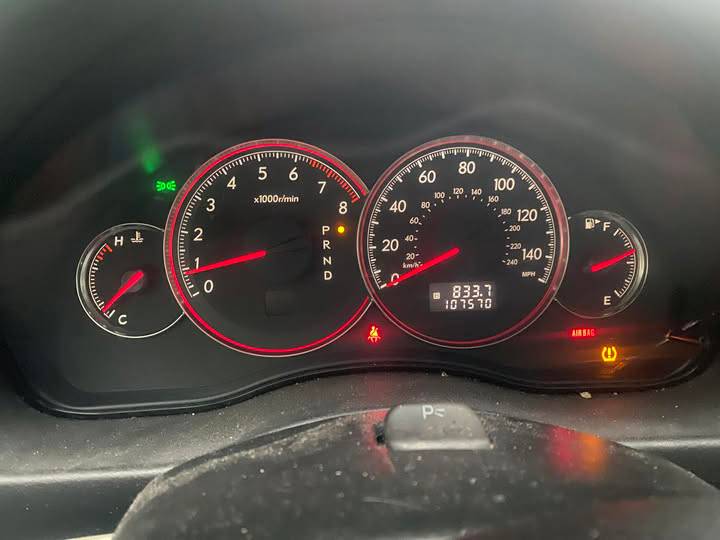
What Does the Subaru Airbag Light Mean?
The airbag warning light, often referred to as the SRS warning light, is designed to alert drivers when the vehicle detects a malfunction within the Supplemental Restraint System. In Subaru vehicles, this system includes multiple components that work together to provide additional protection during a collision. These components typically include front airbags, side airbags, curtain airbags, seat belt pretensioners, impact sensors, occupancy sensors, and the airbag control module.
Under normal conditions, the airbag light briefly illuminates when you start the engine and then turns off after the system completes its self diagnostic check. If the light remains on, begins flashing, or comes on while driving, the system has identified a fault that requires attention.
A persistent Subaru airbag warning light does not necessarily mean that the airbags will deploy unexpectedly. However, it may indicate that some parts of the safety system are disabled or unable to function as intended during an accident. Depending on the nature of the fault, one specific airbag could be affected, or the entire SRS system may be compromised.
Modern Subaru vehicles continuously monitor the integrity of the airbag system through onboard diagnostics. When an abnormality is detected, the system stores a trouble code that can be retrieved using a compatible scan tool. These diagnostic codes help technicians identify the underlying cause of the problem and determine the appropriate repair procedure.
Understanding what the warning light represents is the first step toward protecting yourself and your passengers. Although it may be tempting to postpone repairs when the vehicle appears to drive normally, the airbag system plays a critical role in reducing the severity of injuries during a crash.
Is It Safe to Drive With the Subaru Airbag Light On?
Technically, your Subaru will usually continue to operate even if the airbag warning light is illuminated. The engine, transmission, steering, and braking systems are generally unaffected by this type of fault. However, the fact that the vehicle remains drivable does not necessarily mean it is safe to ignore the issue.
The primary concern is that the Supplemental Restraint System may not function properly during a collision. In certain situations, airbags may fail to deploy when they are needed most. In other cases, specific components such as seat belt pretensioners may not activate as designed. Since these systems are intended to work together to reduce occupant injuries, any malfunction can significantly impact the level of protection available during an accident.
The degree of risk depends on the exact cause of the warning light. A loose electrical connection beneath the seat may be relatively straightforward to address, while a failed clock spring or damaged control module could require more extensive repairs. Without proper diagnosis, it is impossible to determine whether the issue is minor or potentially life threatening.
If the airbag light appears unexpectedly, it is advisable to schedule an inspection as soon as possible. Continuing to drive for a short period may be unavoidable in some circumstances, but delaying repairs for weeks or months increases the possibility of operating the vehicle with compromised safety systems.
Subaru owners often ask whether they should stop driving immediately after noticing the warning light. While there is no universal answer, the safest approach is to minimize unnecessary travel until the problem has been professionally diagnosed. Prioritizing repairs can provide peace of mind and ensure that your vehicle’s safety features remain ready to perform when they are needed most.
7 Common Causes of a Subaru Airbag Light
Several different issues can trigger the Subaru airbag warning light. Identifying the most common causes can help owners better understand what may be happening behind the scenes.
Faulty Seat Occupancy Sensor
Many Subaru models use an occupancy sensor located in the front passenger seat to determine whether the airbag should activate during a collision. If this sensor becomes damaged or begins sending inaccurate information, the system may interpret the fault as a safety concern and illuminate the warning light. Drivers may also notice inconsistent passenger airbag status indicators.
Damaged Clock Spring
The clock spring is a coiled electrical connector located within the steering wheel assembly. It allows communication between the steering wheel controls and the vehicle’s electrical systems while permitting the wheel to rotate freely. A failing clock spring can interrupt signals to the driver’s airbag and trigger the warning light. Additional symptoms may include a nonfunctional horn or steering wheel buttons.
Loose or Damaged Wiring Under the Seats
Frequent seat adjustments can sometimes loosen electrical connectors located beneath the front seats. When these connections become unstable, communication errors may occur within the SRS system. Although the repair may be simple, the warning light should never be ignored because the exact fault must be confirmed through diagnostic testing.
Seat Belt Pretensioner Failure
Seat belt pretensioners tighten the seat belts during a collision to help secure occupants in their seats. Since these devices are integrated into the Supplemental Restraint System, a malfunction can activate the airbag warning light. In some cases, specific diagnostic codes will point directly to the affected pretensioner.
Low Battery Voltage or Recent Battery Replacement
Unexpected voltage fluctuations can occasionally trigger temporary SRS faults. Subaru owners sometimes notice the airbag light appearing shortly after replacing the battery or experiencing a weak battery condition. While some cases resolve after proper system initialization, others require the stored fault codes to be cleared using diagnostic equipment.
Airbag Control Module Problems
The airbag control module serves as the central processing unit for the entire Supplemental Restraint System. It receives information from various sensors and determines whether airbag deployment is necessary during an impact. Internal failures within this module can cause persistent warning lights and often require specialized repairs or replacement.
Previous Accident Damage
Vehicles involved in prior collisions may develop lingering SRS issues if repairs were not completed correctly. Even when exterior damage appears minor, underlying components such as sensors, wiring harnesses, or deployed restraint devices may have been affected. Purchasing a used Subaru without verifying its accident history can sometimes lead to unexpected airbag system concerns later on.
Because multiple components can contribute to the same dashboard warning, professional diagnosis remains the most effective way to identify the root cause. Addressing the issue promptly not only restores the functionality of the airbag system but also helps maintain the high safety standards for which Subaru vehicles are widely recognized.
How to Diagnose a Subaru Airbag Warning Light
Diagnosing a Subaru airbag warning light involves more than simply resetting the indicator on the dashboard. Since the Supplemental Restraint System is responsible for protecting occupants during a collision, identifying the exact cause of the fault is essential before any repairs are attempted.
The first step is to observe whether any additional symptoms are present. For example, if the horn stops working or the steering wheel controls become unresponsive, the problem may be linked to a failing clock spring. If the passenger airbag status light behaves inconsistently, a faulty seat occupancy sensor could be responsible. Paying attention to these warning signs can provide valuable clues during the diagnostic process.
Next, the vehicle should be scanned using an OBD II diagnostic tool capable of reading SRS trouble codes. Standard code readers often cannot access the airbag system, making a more advanced scanner necessary. Once connected, the scan tool retrieves stored fault codes from the airbag control module. These codes help narrow down the affected component and reduce unnecessary guesswork.
After obtaining the diagnostic information, a visual inspection may be performed. Technicians often examine wiring connectors beneath the seats, check the condition of seat belt pretensioners, and inspect the steering wheel assembly for signs of clock spring damage. In some cases, additional electrical testing is required to confirm the source of the malfunction.
It is important to remember that clearing the fault code without correcting the underlying issue does not solve the problem. The warning light will typically return once the system detects the same fault again. Proper diagnosis ensures that repairs address the root cause rather than temporarily masking the symptoms.
Because airbag systems are complex and directly related to occupant safety, many Subaru owners choose to have the diagnosis performed by qualified technicians who possess the appropriate tools and experience.
Can You Reset the Subaru Airbag Light Yourself?
Many drivers search for ways to reset the Subaru airbag light as soon as it appears. While it may be possible to turn off the warning indicator under certain circumstances, doing so without understanding why the light came on in the first place can be risky.
If the warning light was triggered by a temporary issue such as low battery voltage, the system may return to normal after the electrical condition has been corrected. In other situations, a scan tool can be used to erase stored fault codes after the necessary repairs have been completed. However, resetting the light should always be the final step rather than the starting point.
Attempting to clear the airbag warning without diagnosing the problem can create a false sense of security. The dashboard may appear normal even though an important component within the Supplemental Restraint System remains defective. If a collision occurs while the system is compromised, the airbags may not function as intended.
Vehicle owners with access to professional grade diagnostic equipment and sufficient technical knowledge may choose to perform basic troubleshooting themselves. Even then, caution is necessary when working around airbag components because accidental deployment can result in serious injury.
For individuals without experience handling automotive safety systems, seeking professional assistance is often the safest option. A trained technician can identify the exact cause of the warning light, perform the appropriate repairs, and verify that the system is functioning correctly before returning the vehicle to service.
Ultimately, resetting the Subaru airbag light is only appropriate after the underlying fault has been successfully addressed. Prioritizing proper repairs helps ensure that the vehicle’s safety features remain ready to protect occupants when they are needed most.
Subaru Airbag Repair Costs
One of the first questions Subaru owners ask after seeing the airbag warning light is how much the repair will cost. The answer depends largely on which component has failed and how extensive the necessary repairs may be.
The diagnostic process itself often represents the initial expense. Many repair facilities charge a fee to scan the vehicle and identify the specific SRS trouble codes stored within the system. Although some drivers hesitate to pay for diagnostics, obtaining an accurate assessment can prevent unnecessary part replacements and reduce overall repair costs.
Minor issues involving loose connectors or simple wiring repairs are generally among the least expensive solutions. Because these problems can often be corrected without replacing major components, labor expenses may remain relatively manageable.
Repairs involving seat occupancy sensors or seat belt pretensioners typically result in higher costs due to the price of replacement parts and the labor required for installation. Similarly, replacing a damaged clock spring within the steering wheel assembly may involve additional disassembly procedures that increase repair time.
More significant expenses can arise when the airbag control module requires replacement or reprogramming. Since this component serves as the central hub of the Supplemental Restraint System, repairs involving the module often demand specialized expertise and equipment. Vehicles with prior accident damage may also incur additional costs if multiple SRS components require attention simultaneously.
The following estimates provide a general overview of potential repair expenses:
Diagnostic scan: approximately $80 to $150.
Wiring repair: approximately $100 to $300.
Seat occupancy sensor replacement: approximately $150 to $500.
Clock spring replacement: approximately $200 to $600.
Seat belt pretensioner replacement: approximately $250 to $700.
Airbag control module replacement or repair: approximately $500 to $1,200 or more.
Actual costs may vary depending on the Subaru model, vehicle age, local labor rates, and whether repairs are completed at an authorized dealership or an independent repair facility.
Although airbag related repairs can sometimes seem expensive, postponing necessary service may increase the risk of operating the vehicle with reduced occupant protection. Addressing problems promptly not only restores confidence behind the wheel but also helps preserve the safety standards that Subaru owners expect from their vehicles.
When Should You Visit a Mechanic?
While some Subaru owners may be tempted to postpone an inspection after noticing the airbag warning light, there are situations where professional assistance should be sought without delay. Since the Supplemental Restraint System plays a vital role in occupant protection, ignoring warning signs can increase safety risks in the event of an accident.
One of the clearest indications that a mechanic should evaluate the vehicle is when the airbag light remains illuminated every time the engine is started. Under normal circumstances, the warning light should appear briefly during the system’s self check and then turn off. If it stays on continuously, the system has likely detected an active fault that requires diagnosis.
Drivers should also seek professional help if the warning light begins flashing or if multiple warning indicators appear simultaneously. Electrical problems affecting several systems may suggest a broader issue that extends beyond the airbag system itself.
Another situation that warrants immediate attention is when the vehicle has recently been involved in a collision, even if the damage appeared minor. Impact sensors, seat belt pretensioners, and other SRS components may have been affected without obvious external signs. Ensuring that these systems are functioning properly is essential before returning the vehicle to regular use.
Subaru owners who notice related symptoms such as a nonfunctional horn, inoperative steering wheel controls, irregular passenger airbag indicators, or unusual seat belt warnings should also arrange for an inspection. These issues can provide important clues regarding the underlying cause of the airbag warning light.
If the warning light appears shortly after battery replacement or electrical repairs, it is still advisable to have the system scanned for stored trouble codes. While some cases may involve temporary voltage related faults, others may reveal more significant concerns that require corrective action.
Ultimately, the safest approach is to schedule a professional diagnosis whenever the Subaru airbag light remains on longer than the normal startup sequence. Early intervention can help prevent further complications and restore confidence in the vehicle’s safety systems.
Frequently Asked Questions
Why did my Subaru airbag light suddenly come on?
A Subaru airbag warning light can illuminate for several reasons, including faulty seat occupancy sensors, damaged clock springs, loose wiring connections, seat belt pretensioner malfunctions, low battery voltage, or issues involving the airbag control module. The exact cause can only be confirmed through proper diagnostic testing.
Will the airbags still deploy if the warning light is on?
The answer depends on the specific fault affecting the Supplemental Restraint System. In some cases, only certain components may be impacted. In more serious situations, the entire system could be disabled. Because it is impossible to determine the extent of the problem without diagnosis, the warning light should never be ignored.
Can I continue driving my Subaru with the airbag light on?
Although the vehicle will often remain mechanically operable, continuing to drive with an active SRS warning increases the possibility that the airbags or related safety features may not function correctly during an accident. Scheduling a prompt inspection is strongly recommended.
Can I reset the Subaru airbag light without a scan tool?
In most cases, a scan tool capable of communicating with the airbag system is necessary to clear fault codes after repairs have been completed. Attempting to disconnect the battery or use unofficial reset procedures is unlikely to resolve the underlying issue if a genuine malfunction exists.
How much does it cost to fix a Subaru airbag warning light?
Repair costs vary depending on the failed component. Minor wiring repairs may cost less than a few hundred dollars, while replacing the airbag control module can exceed one thousand dollars. Obtaining an accurate diagnosis is the best way to estimate the total expense.
Is the airbag warning light covered under warranty?
Warranty coverage depends on factors such as the vehicle’s age, mileage, and whether an extended warranty plan is in effect. Owners should review their warranty documentation or contact an authorized Subaru dealership to determine eligibility.
Conclusion
Seeing the Subaru airbag light on can be unsettling, especially when there are no obvious changes in how the vehicle drives. However, this warning should never be dismissed as a minor inconvenience. The Supplemental Restraint System is designed to provide critical protection during collisions, and even seemingly small faults can affect its ability to operate as intended.
Understanding the common causes of an illuminated airbag warning light allows Subaru owners to respond appropriately rather than relying on assumptions. Whether the issue stems from a loose connector beneath a seat, a failing clock spring, a defective occupancy sensor, or a problem within the airbag control module, identifying the root cause is essential for maintaining vehicle safety.
While some temporary electrical issues may be relatively simple to resolve, many airbag related faults require specialized diagnostic equipment and professional expertise. Attempting to ignore the warning or simply reset the indicator without addressing the underlying problem can create unnecessary risks for both drivers and passengers.
If your Subaru airbag light stays on, the best course of action is to arrange a thorough inspection as soon as possible. Prompt diagnosis and timely repairs can help restore the full functionality of the Supplemental Restraint System and provide reassurance that your vehicle is prepared to protect you when it matters most.
Have you experienced an airbag warning light issue in your Subaru? Sharing your experience, repair journey, or questions in the comments may help other owners facing similar concerns make informed decisions about their vehicle’s safety.