Seeing the “Service Battery Charging System” warning on your GMC Acadia dashboard can be alarming, especially if your vehicle appears to be running normally. Many drivers immediately assume the battery has failed, but in reality, this warning often indicates a problem somewhere within the vehicle’s charging system rather than the battery alone. Components such as the alternator, voltage regulator, serpentine belt, battery cables, or electrical connections can all contribute to this warning. Ignoring it may lead to a discharged battery, unexpected engine stalling, or a vehicle that refuses to start when you need it most.
The charging system plays a vital role in keeping your GMC Acadia operating reliably. While the battery provides the initial power to start the engine, the alternator generates electricity to power the vehicle’s electrical systems and recharge the battery while you drive. If any part of this system fails, the battery will eventually lose its charge, leaving the vehicle unable to support essential functions such as the ignition system, headlights, power steering, infotainment system, and safety features.
In this comprehensive guide, you’ll learn what the GMC Acadia Service Battery Charging System warning really means, the most common causes behind it, the symptoms you should never ignore, and the step-by-step process for diagnosing the issue. We’ll also cover typical repair costs, practical solutions, and preventive maintenance tips to help you avoid future charging system problems and keep your GMC Acadia running safely and reliably.
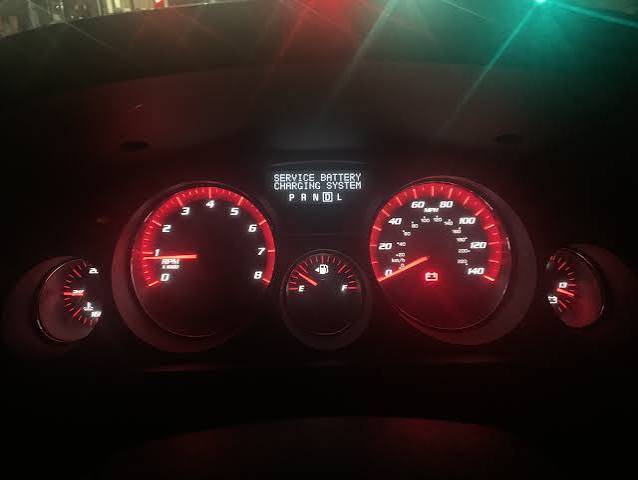
What Does “Service Battery Charging System” Mean?
When your GMC Acadia displays the “Service Battery Charging System” warning, it indicates that the vehicle has detected an abnormal condition within its charging system. Contrary to what many drivers believe, this message does not automatically mean the battery is defective. Instead, it signals that one or more components responsible for generating, regulating, or delivering electrical power are not functioning as intended.
The charging system is designed to keep the battery fully charged while supplying electricity to every electrical component in the vehicle. After the engine starts, the alternator becomes the primary source of electrical power, while the battery serves mainly as a reserve power supply. If the alternator fails to generate sufficient voltage or another component disrupts the electrical circuit, the battery begins to discharge. As the battery voltage drops, various electronic systems may malfunction before the vehicle eventually stalls.
Several major components work together to maintain proper charging performance. The battery stores electrical energy for engine starting and supports the electrical system when demand temporarily exceeds alternator output. The alternator converts mechanical energy from the engine into electricity to recharge the battery and power accessories. The voltage regulator controls charging voltage to prevent both undercharging and overcharging, helping protect sensitive electronic modules. The serpentine belt drives the alternator pulley, while battery cables and ground connections ensure electricity flows efficiently throughout the vehicle. Modern GMC Acadia models also rely on the Engine Control Module (ECM) and Body Control Module (BCM) to monitor charging performance and trigger dashboard warnings whenever abnormal voltage levels or communication faults are detected.
Because multiple components are involved, the warning should always be treated as a charging system issue rather than simply a battery problem. Proper diagnosis is essential before replacing any parts, as unnecessary battery or alternator replacements can result in wasted time and money while the underlying issue remains unresolved.
Common Causes of the GMC Acadia Service Battery Charging System Warning
Understanding the root cause of the warning is the first step toward an effective repair. While the battery is often suspected first, many charging system failures originate elsewhere. Below are the most common reasons why the Service Battery Charging System warning appears on a GMC Acadia.
Weak or Failing Battery
A battery naturally loses capacity as it ages. Most automotive batteries last between three and five years, depending on climate, driving habits, and maintenance. As the battery deteriorates, it may no longer hold a full charge or provide stable voltage during engine startup. Internal cell damage, sulfation, or excessive corrosion can all reduce battery performance. Common symptoms include slow engine cranking, dim interior lights, and difficulty starting the vehicle, especially during cold weather.
Failing Alternator
The alternator is responsible for generating electrical power once the engine is running. If it begins to fail, the battery will no longer receive sufficient charging current, causing its voltage to gradually decrease. A worn alternator may produce inconsistent voltage, overcharge the battery, or stop charging altogether. Drivers often notice flickering headlights, electrical accessories behaving erratically, whining noises from the engine compartment, or a battery warning light before the charging system message appears.
Corroded or Loose Battery Terminals
Battery terminals are constantly exposed to moisture, heat, and chemical reactions that can cause corrosion over time. White or bluish deposits around the terminals increase electrical resistance, reducing charging efficiency. Loose battery cables can create intermittent electrical connections, leading to voltage fluctuations that trigger warning messages even when the battery and alternator remain in good condition.
Damaged Serpentine Belt
The serpentine belt transfers engine power to the alternator. If the belt becomes worn, stretched, cracked, or begins slipping, the alternator may not rotate fast enough to generate adequate charging voltage. In some cases, a failed belt tensioner allows the belt to lose proper tension, producing squealing noises and reducing charging performance. Ignoring belt wear can eventually lead to complete charging system failure.
Faulty Voltage Regulator
The voltage regulator ensures that the alternator supplies a consistent charging voltage regardless of engine speed or electrical demand. If the regulator fails, the alternator may undercharge or overcharge the battery. Undercharging gradually drains the battery, while overcharging can shorten battery life, damage electronic components, and cause the battery to overheat.
Poor Ground Connections
Every electrical circuit depends on reliable ground connections. Loose, rusted, or corroded engine and chassis grounds can interrupt current flow, resulting in unstable system voltage. Ground issues often produce intermittent electrical problems that are difficult to diagnose because symptoms may appear and disappear depending on vibration, humidity, or engine temperature.
Damaged Wiring Harness
Electrical wiring throughout the charging system can deteriorate due to heat, vibration, moisture, or physical damage. Rodents occasionally chew insulation, exposing wires and causing shorts or open circuits. Damaged connectors and broken wires may prevent communication between the alternator, battery, ECM, and BCM, leading to inaccurate voltage readings and charging system warnings.
Blown Fuse or Fusible Link
The charging system includes several high-current fuses and fusible links that protect electrical circuits from overload. If one of these protective devices fails, power flow between the alternator and battery may be interrupted. Although less common than battery or alternator failures, a blown fuse can produce the same dashboard warning and should always be inspected during diagnosis.
Symptoms That Often Appear Before the Warning
In many cases, the Service Battery Charging System message is not the first indication of trouble. The charging system often exhibits subtle warning signs before the dashboard alert appears. Recognizing these early symptoms can help prevent a roadside breakdown and reduce repair costs.
One of the earliest indicators is a battery warning light illuminating on the dashboard. While this light is frequently mistaken for a bad battery, it usually signals that the charging system is not maintaining the correct voltage. As charging performance continues to decline, headlights may become noticeably dimmer, particularly when the vehicle is idling or stopped at traffic lights. Interior lights may flicker, and the instrument cluster brightness may fluctuate unexpectedly.
Drivers may also experience slow engine cranking during startup because the battery is no longer receiving enough charge between trips. Electrical accessories such as power windows, heated seats, the infotainment system, and the air conditioning blower motor may operate sluggishly or shut off unexpectedly as battery voltage drops. In more severe cases, the radio may reset, dashboard warning messages may appear intermittently, or multiple warning lights may illuminate simultaneously due to insufficient electrical power.
Modern GMC Acadia models rely heavily on electronic control modules. As voltage becomes unstable, these systems may behave unpredictably. Drivers might notice reduced power steering assist, delayed transmission shifts, malfunctioning driver assistance features, or intermittent communication errors between onboard modules. If the charging system failure continues without repair, the engine may begin to misfire, stall while driving, or fail to restart after being turned off because the battery has become completely discharged.
Recognizing these symptoms early allows you to diagnose the charging system before a minor electrical issue develops into a major repair or leaves you stranded on the side of the road.
Can You Drive With the Service Battery Charging System Warning?
Whether you can continue driving after seeing the Service Battery Charging System warning depends on the severity of the underlying problem. In some situations, the warning may appear because of a weak battery or a temporary voltage fluctuation, allowing the vehicle to continue operating for a short distance. However, if the alternator has stopped charging the battery, the vehicle is running entirely on the battery’s remaining power. Once that power is exhausted, the engine will shut down and cannot be restarted until the charging system is repaired.
If the warning appears but the vehicle is operating normally, avoid unnecessary electrical loads such as heated seats, rear defrosters, high-powered audio systems, and unnecessary lighting. Drive only as far as necessary to reach a repair shop or a safe location. Even under ideal conditions, there is no guaranteed distance the vehicle can travel because battery capacity depends on its age, state of charge, outside temperature, and the electrical demand placed on the system.
You should stop driving immediately if the warning is accompanied by additional symptoms such as dimming headlights, multiple warning lights, a burning smell, squealing noises from the engine compartment, loss of power steering assist, or engine hesitation. These symptoms often indicate that the alternator has failed completely or that the serpentine belt has broken, preventing the alternator from generating electricity. Continuing to drive under these conditions increases the risk of engine stalling in traffic, loss of critical safety systems, and expensive electrical damage.
Although some drivers successfully travel several miles after the warning appears, relying on the remaining battery charge is a risky decision. Scheduling a prompt inspection can prevent an inconvenient roadside breakdown and minimize repair costs.
How to Diagnose the Charging System
Diagnosing the GMC Acadia Service Battery Charging System warning requires a systematic approach. Replacing parts based on guesswork often leads to unnecessary expenses while the actual fault remains unresolved. Following these diagnostic steps can help identify the source of the problem accurately.
Begin with a thorough visual inspection. Open the hood and examine the battery for corrosion, cracked casing, leaking electrolyte, or loose terminals. Inspect the serpentine belt for signs of cracking, glazing, fraying, or improper tension. Also check for damaged wiring, loose connectors, or evidence of rodent damage around the alternator and battery cables.
Next, measure battery voltage using a digital multimeter. A healthy battery with the engine turned off should typically read between 12.4 and 12.7 volts. Start the engine and measure the voltage again. Under normal conditions, the alternator should increase system voltage to approximately 13.8 to 14.7 volts. If the reading remains close to the battery’s resting voltage, the alternator may not be charging correctly. A voltage significantly above 15 volts may indicate a faulty voltage regulator causing overcharging.
After verifying voltage, inspect both positive and negative battery terminals for corrosion or loose connections. Clean any corrosion using an appropriate battery terminal cleaner and ensure all cable connections are securely tightened. Poor electrical contact can create excessive resistance and produce charging system warnings even when major components are functioning properly.
Continue by inspecting the serpentine belt and automatic belt tensioner. A slipping belt may reduce alternator output, particularly during acceleration or when multiple electrical accessories are operating simultaneously. Replace any worn belt before performing additional electrical tests.
The alternator itself should then be tested under electrical load. Turn on the headlights, climate control blower, rear defroster, and other major accessories while monitoring charging voltage. If voltage drops below the manufacturer’s specifications, the alternator may be unable to supply sufficient current for normal operation.
Finally, connect an OBD-II scan tool to retrieve diagnostic trouble codes stored by the vehicle’s computer. Common charging system related codes include P0562 for low system voltage, P0563 for high system voltage, P0621 for generator lamp control circuit issues, P2500 for charging system output faults, and, on certain model years, B1325 for abnormal system voltage. These codes provide valuable direction for further diagnosis but should always be interpreted alongside electrical test results rather than used as the sole basis for replacing components.
How to Fix the Problem
Once the root cause has been identified, repairing the charging system becomes much more straightforward. The appropriate solution depends entirely on which component has failed.
If testing confirms that the battery can no longer hold a charge, replacing it is the most effective solution. After installation, the charging system should be tested again to ensure the battery failure was not caused by an underlying alternator problem. Installing a new battery without addressing a failing alternator often results in premature battery failure.
A defective alternator should be replaced if it cannot maintain proper charging voltage or produces unstable electrical output. Many alternator failures occur gradually, with charging performance deteriorating over time before complete failure. Replacing the alternator restores the vehicle’s ability to recharge the battery and supply electrical power while driving.
Corroded battery terminals or damaged battery cables should be cleaned or replaced to eliminate excessive electrical resistance. Applying dielectric grease after cleaning helps reduce future corrosion and improves long-term electrical reliability.
If the serpentine belt shows signs of wear, glazing, or cracking, replacing the belt and inspecting the belt tensioner are recommended. A worn tensioner can allow even a new belt to slip, reducing alternator efficiency.
When the voltage regulator fails, replacement is necessary to restore proper charging voltage. On many GMC Acadia models, the voltage regulator is integrated into the alternator assembly, meaning the entire alternator must be replaced rather than servicing the regulator separately.
Damaged wiring, loose ground connections, or corroded connectors should be repaired according to factory wiring diagrams. Electrical repairs require careful inspection because intermittent wiring faults can mimic battery or alternator failures. Replacing major components without correcting wiring issues rarely solves the problem permanently.
If all major charging components test within specification but the warning persists, advanced diagnosis of the Engine Control Module, Body Control Module, battery current sensor, or related communication networks may be required. These issues are less common but can produce charging system warnings due to inaccurate voltage monitoring or module communication failures. Professional diagnostic equipment is often necessary to isolate these faults accurately.
Addressing the problem promptly not only restores normal charging performance but also protects sensitive electronic systems from voltage fluctuations that could lead to additional repairs in the future.
Estimated Repair Costs
The cost of repairing a GMC Acadia Service Battery Charging System warning depends on the failed component, your vehicle’s model year, labor rates in your area, and whether you choose OEM or aftermarket replacement parts. While some issues, such as cleaning battery terminals, can be completed at minimal cost, replacing major components like the alternator or repairing electrical wiring may require a more significant investment.
The table below provides typical repair cost estimates for GMC Acadia models.
| Repair | Estimated Cost (USD) |
|---|---|
| Battery Replacement | $180–$350 |
| Alternator Replacement | $500–$900 |
| Serpentine Belt Replacement | $120–$300 |
| Battery Cable Replacement | $80–$250 |
| Ground Connection Repair | $50–$150 |
| Voltage Regulator Replacement* | $250–$600 |
| Electrical System Diagnosis | $120–$220 |
| Wiring Harness Repair | $150–$800 |
| Battery Current Sensor Replacement | $150–$350 |
| ECM or BCM Diagnosis | $150–$400 |
On many GMC Acadia models, the voltage regulator is integrated into the alternator, meaning the entire alternator assembly must be replaced rather than the regulator alone.
Labor costs typically account for a significant portion of the total repair bill. Replacing a battery usually takes less than 30 minutes, while alternator replacement can require two to four hours depending on the engine configuration and model year. Wiring repairs vary considerably because technicians must first locate the damaged section before performing the repair.
Although aftermarket components are generally less expensive, OEM parts often provide better compatibility and reliability, particularly for complex charging system components. Investing in quality replacement parts can reduce the likelihood of recurring electrical problems and extend the lifespan of the charging system.
If multiple components fail simultaneously, the repair cost can increase substantially. For example, a worn alternator may overwork an aging battery, resulting in both components needing replacement at the same time. Performing a complete charging system diagnosis before replacing parts helps avoid unnecessary expenses.
How to Prevent Future Charging System Problems
Preventive maintenance is the best way to avoid seeing the Service Battery Charging System warning in the future. Because the charging system consists of several interconnected components, regular inspections can identify minor issues before they develop into major electrical failures.
Start by testing the battery at least once a year, especially if it is more than three years old. Most auto parts stores offer complimentary battery testing, allowing you to evaluate battery health before it fails unexpectedly. Replacing a weak battery proactively is often less expensive than dealing with a breakdown caused by a completely discharged battery.
Keep the battery terminals clean and free of corrosion. Corrosion increases electrical resistance, reducing charging efficiency and potentially triggering false warning messages. Periodically inspect the battery cables for loose connections, cracked insulation, or signs of excessive wear.
The serpentine belt should also be inspected during routine maintenance. Look for cracks, frayed edges, glazing, or excessive wear. A slipping belt reduces alternator performance and can eventually lead to complete charging system failure if left unaddressed.
Pay attention to unusual electrical behavior. Flickering headlights, intermittent dashboard warnings, slow engine cranking, or electronic accessories behaving unpredictably may indicate charging system problems long before the warning message appears. Addressing these symptoms early often prevents more expensive repairs.
Avoid installing high-powered aftermarket accessories without ensuring the charging system can handle the increased electrical demand. Large audio amplifiers, auxiliary lighting, winches, and other power-hungry equipment may overload the alternator if the vehicle is not properly upgraded.
During routine maintenance, ask your technician to verify charging voltage and inspect ground connections. Loose or corroded grounds are a surprisingly common cause of intermittent charging issues and can often be corrected quickly before they lead to larger electrical problems.
Finally, keep the engine compartment clean and dry whenever possible. Excessive moisture, road salt, and accumulated debris can accelerate corrosion of electrical connectors and wiring, increasing the likelihood of charging system faults over time.
Frequently Asked Questions
Why does my GMC Acadia say “Service Battery Charging System”?
This warning indicates that the vehicle has detected a problem within the charging system. The issue may involve the battery, alternator, voltage regulator, serpentine belt, battery cables, ground connections, or another electrical component responsible for maintaining proper system voltage.
Is the warning caused by the battery or the alternator?
Either component could be responsible. A weak battery can trigger the warning, but alternator failure is one of the most common causes. Proper voltage testing is the only reliable way to determine which component has failed.
Can a bad battery trigger the Service Battery Charging System warning?
Yes. A battery with low capacity or internal cell damage can cause voltage fluctuations that activate the warning. However, replacing the battery without testing the alternator may not solve the problem if the charging system is failing.
Can I continue driving after the warning appears?
You may be able to drive for a short distance if the battery still has sufficient charge, but doing so is risky. If the alternator has stopped charging the battery, the vehicle will eventually lose electrical power and stall. Driving directly to a repair facility is recommended whenever possible.
How much does it cost to fix a charging system problem?
Repair costs vary depending on the failed component. Simple repairs such as cleaning battery terminals may cost less than $100, while alternator replacement typically ranges from $500 to $900. Comprehensive electrical diagnostics may also be required before repairs begin.
Can I reset the warning without fixing the problem?
Clearing the warning with a scan tool may temporarily remove the message, but it will usually return if the underlying issue remains unresolved. Resetting the system should never be considered a permanent repair.
Will the vehicle stop running if I ignore the warning?
Yes. If the charging system is no longer supplying electrical power, the battery will eventually become fully discharged. Once battery voltage falls below the minimum operating threshold, the engine may stall and fail to restart until the charging system has been repaired.
Does cold weather make this warning more common?
Cold temperatures reduce battery performance and increase the electrical load required to start the engine. As a result, existing battery or alternator problems often become more noticeable during winter, making charging system warnings more likely to appear.
Conclusion
The GMC Acadia Service Battery Charging System warning should never be ignored, even if your vehicle appears to be driving normally. While the message is often associated with a failing battery, it can also indicate problems with the alternator, voltage regulator, serpentine belt, battery cables, ground connections, or other critical electrical components. Identifying the true cause through proper diagnosis is essential for preventing unnecessary repairs and avoiding unexpected vehicle breakdowns.
Fortunately, most charging system issues can be resolved efficiently when detected early. Simple maintenance tasks such as cleaning battery terminals, replacing a worn serpentine belt, or installing a new battery may restore normal operation in some cases. More complex repairs involving the alternator or electrical wiring require professional diagnosis but can prevent further damage to the vehicle’s electronic systems.
Routine battery testing, regular inspections of charging system components, and prompt attention to warning signs such as dim headlights, slow engine cranking, or flickering interior lights can significantly reduce the risk of future failures. Taking a proactive approach not only improves vehicle reliability but also helps extend the lifespan of the battery, alternator, and other electrical components.
If your GMC Acadia displays the Service Battery Charging System warning, don’t assume the battery is the only problem. Perform a systematic inspection, verify charging voltage, and address the underlying issue as soon as possible. Acting early can save you hundreds of dollars in repair costs while ensuring your SUV remains dependable and safe for every journey.