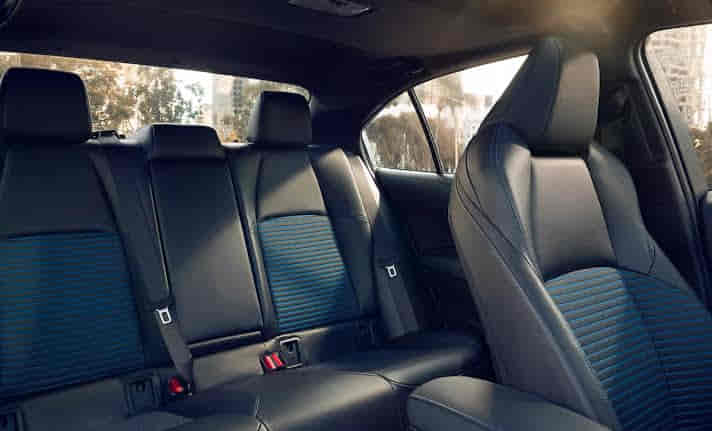
Choosing between SofTex and leather is more than comparing two seat materials. It is a decision that influences daily comfort, long-term maintenance costs, cabin appearance, durability, and the overall ownership experience. While genuine leather has long been associated with luxury and premium vehicle interiors, SofTex has become a popular alternative, particularly in modern Toyota models, because it combines a leather-like appearance with easier maintenance and greater resistance to everyday wear.
The better option depends on how you use your vehicle rather than on which material costs more. A family with children may prioritize stain resistance and easy cleaning, while someone purchasing a luxury SUV may value the natural texture and prestige of genuine leather. Climate, driving frequency, maintenance habits, and ownership period also affect which upholstery delivers the greatest long-term value.
This guide compares SofTex vs leather through the factors that matter most to car buyers, including material construction, comfort, durability, breathability, water resistance, maintenance, environmental impact, resale value, and cost of ownership. Instead of relying on marketing claims, each comparison explains how the two materials perform in real-world driving conditions so you can confidently choose the upholstery that best matches your lifestyle and budget.
What Is the Difference Between SofTex and Leather?
The main difference between SofTex and leather is that SofTex is a premium synthetic upholstery material engineered for durability and low maintenance, while genuine leather is a natural material made from animal hide that emphasizes luxury, softness, and authenticity. Although both materials create an upscale appearance inside a vehicle, they differ significantly in composition, performance, maintenance requirements, and long-term ownership costs.
SofTex is Toyota’s proprietary synthetic upholstery developed as an alternative to genuine leather. It consists of multiple engineered layers that replicate the appearance and texture of natural leather while improving resistance to moisture, stains, and abrasion. Unlike traditional vinyl, SofTex has a softer surface and greater flexibility, making it more comfortable during everyday driving. Because the material is manufactured rather than harvested from animal hides, its texture, thickness, and color remain highly consistent across every seat, reducing the natural imperfections commonly found in genuine leather.
Genuine leather is produced from processed animal hide through tanning, dyeing, and finishing procedures that preserve the natural grain. Every leather hide contains unique characteristics such as pores, wrinkles, and grain variations, giving each interior a distinctive appearance. These natural attributes are one of the primary reasons leather is widely associated with premium vehicles and luxury trim levels. Over time, high-quality leather develops a patina that many owners consider attractive because it reflects years of use without completely losing its character.
The manufacturing process is one of the biggest factors separating these two materials. SofTex is engineered to deliver predictable performance under a wide range of environmental conditions. Manufacturers can optimize the material for scratch resistance, water repellency, UV protection, and color stability before it is installed in the vehicle. Genuine leather, on the other hand, relies on the quality of the original hide and the tanning process. While premium leather can remain beautiful for many years, its long-term condition depends heavily on routine care and environmental exposure.
Another important distinction is how each material responds to daily use. SofTex forms a protective surface that prevents liquids from penetrating quickly, making accidental spills easier to remove before permanent staining occurs. Coffee, soft drinks, mud, or food residue typically remain on the surface long enough to be wiped away with a damp microfiber cloth. Genuine leather is naturally porous despite its protective coating. If spills are not cleaned promptly, moisture and contaminants can gradually penetrate the surface, increasing the likelihood of discoloration, staining, or premature wear.
Comfort also differs because the two materials transfer heat differently. Genuine leather generally feels softer and more supple due to its natural fiber structure, which conforms slightly to the occupant over time. Many drivers appreciate this characteristic during long-distance travel because the seating surface becomes increasingly comfortable as the leather ages. SofTex maintains a more uniform texture throughout its lifespan and resists stretching, helping seats retain their original shape after years of regular use. However, some drivers perceive synthetic upholstery as slightly firmer than premium leather, particularly during the first years of ownership.
Maintenance requirements further separate the two materials. SofTex is designed for minimal upkeep and usually requires only periodic cleaning with mild soap and water. Because the protective surface resists moisture and dirt, owners rarely need specialized cleaning products. Genuine leather requires regular conditioning to preserve natural oils, prevent drying, and minimize surface cracking. Without proper care, prolonged exposure to sunlight, heat, and low humidity can gradually reduce the material’s flexibility and appearance.
Environmental considerations have also become increasingly relevant when comparing SofTex and leather. Producing genuine leather involves livestock farming, tanning chemicals, and substantial water consumption. Although leather is biodegradable under certain conditions, its manufacturing process has a larger environmental footprint than many synthetic alternatives. SofTex was developed partly to reduce resource consumption during production while maintaining a premium cabin appearance. For buyers who prioritize sustainability alongside durability, this distinction often becomes an important part of the purchasing decision.
Ultimately, neither material is universally better because they are designed to satisfy different priorities. SofTex focuses on practicality, durability, and lower maintenance costs, making it attractive for commuters, families, and drivers who expect their vehicle to withstand heavy daily use. Genuine leather emphasizes craftsmanship, luxury, and a premium tactile experience, making it the preferred choice for buyers who value authentic materials and are willing to invest more time in preserving their vehicle’s interior.
Top 10 Differences Between SofTex and Leather
SofTex and genuine leather differ in material composition, appearance, comfort, breathability, durability, water resistance, maintenance, environmental impact, ownership cost, and resale value. Although both materials are positioned as premium upholstery options, each one is designed to satisfy different ownership priorities. Understanding these differences helps buyers choose a seat material that aligns with their driving habits instead of relying solely on appearance or brand perception.
The first difference lies in the material itself. SofTex is a synthetic upholstery engineered from multiple layers of advanced polymers to mimic the look and feel of leather while improving resistance to moisture and abrasion. Genuine leather is manufactured from animal hide through an extensive tanning and finishing process that preserves its natural grain. Because leather is a natural product, every hide has unique textures, pores, and surface patterns that cannot be perfectly replicated. SofTex, by contrast, delivers a more consistent finish across every seat because it is manufactured under controlled production standards.
Appearance is another factor that immediately separates the two materials. Genuine leather has a richer texture and a natural grain that evolves over time, creating a premium cabin atmosphere associated with luxury vehicles. Many premium brands continue to use genuine leather because buyers often associate natural materials with craftsmanship and exclusivity. SofTex closely resembles leather from a visual perspective, especially in modern vehicle interiors, but its texture remains more uniform throughout its lifespan. While many drivers cannot distinguish the two materials at first glance, closer inspection often reveals leather’s organic grain variations and softer surface characteristics.
Comfort also changes the ownership experience. Genuine leather gradually becomes softer as it ages because the natural fibers adapt to repeated use. This flexibility creates a seating surface that many drivers consider more luxurious during long-distance travel. SofTex maintains a firmer structure throughout its service life, allowing the seat cushions to preserve their original shape for longer periods. Drivers who prioritize consistent support often appreciate this characteristic, while those seeking a softer tactile experience usually prefer natural leather.
Breathability becomes increasingly important in regions with extreme temperatures. Leather naturally contains microscopic pores that allow a limited exchange of air and moisture, making it more comfortable during extended driving sessions when paired with ventilated seats. SofTex relies on engineered surface technology rather than natural pores, so it generally traps more heat against the occupant. Modern seat ventilation systems reduce this difference significantly, but in vehicles without ventilated seats, genuine leather often provides a more breathable seating surface during prolonged use.
Durability is one of the strongest advantages of SofTex. The synthetic surface is specifically engineered to resist scratches, abrasion, fading, and daily wear caused by repeated entry and exit from the vehicle. It is less likely to develop wrinkles or surface cracks when exposed to regular commuting conditions. Genuine leather is also highly durable when properly maintained, but neglecting routine conditioning may cause the material to dry out, harden, or crack after years of exposure to sunlight and fluctuating temperatures. In practical ownership, SofTex generally tolerates heavy daily use with less maintenance than natural leather.
Water and stain resistance further distinguish the two materials. SofTex creates a protective barrier that prevents liquids from penetrating the upholstery quickly. Coffee, juice, mud, sunscreen, and many everyday contaminants usually remain on the surface long enough to be cleaned before permanent staining occurs. Genuine leather includes protective coatings, but its natural structure remains more absorbent than engineered synthetic materials. Liquids left unattended may gradually penetrate the surface, increasing the risk of discoloration or long-term damage. This difference makes SofTex particularly attractive for families with young children or owners who frequently transport pets.
Maintenance requirements also influence total ownership costs. SofTex is designed for convenience and typically requires only routine cleaning with a soft cloth, warm water, and a mild cleaning solution. Because the material does not depend on natural oils to remain flexible, owners rarely need specialized conditioners or restoration products. Genuine leather requires more comprehensive care to preserve its softness and appearance. Periodic cleaning removes accumulated dirt, while leather conditioners replenish moisture that gradually evaporates through heat and sunlight. Skipping these maintenance steps may shorten the lifespan of the upholstery and reduce its visual appeal.
Environmental impact has become a growing consideration for modern car buyers. Producing genuine leather involves livestock farming, water-intensive processing, and chemical tanning procedures that contribute to a larger environmental footprint. Manufacturers have responded by developing synthetic alternatives that consume fewer natural resources during production. SofTex was introduced partly to reduce environmental impact while maintaining a premium interior appearance. Although synthetic materials rely on petroleum-based components, advances in manufacturing have improved production efficiency and reduced waste compared with traditional leather processing.
Cost is another area where the differences become apparent. Vehicles equipped with SofTex generally cost less than equivalent models featuring genuine leather, while still offering an upscale interior design. Lower maintenance expenses throughout ownership further improve the long-term value proposition. Genuine leather typically increases the purchase price because of higher material costs and more labor-intensive manufacturing. Buyers who prioritize luxury and prestige often consider this premium worthwhile, whereas practical owners may find SofTex delivers a better balance between appearance, durability, and operating costs.
Resale value depends more on the overall condition of the interior than on the upholstery material alone. A well-maintained leather interior can increase buyer interest because genuine leather remains a desirable premium feature in the used vehicle market. However, neglected leather showing cracks, fading, or heavy wear may reduce resale appeal significantly. SofTex often ages more consistently because its engineered surface resists many common signs of deterioration. As a result, vehicles with properly maintained SofTex interiors frequently retain an attractive appearance even after years of daily use, helping preserve resale competitiveness despite using synthetic upholstery.
Is SofTex More Durable Than Leather?
Yes, SofTex is generally more durable than genuine leather for everyday vehicle use because it is engineered to resist abrasion, moisture, UV exposure, and surface cracking with minimal maintenance. Genuine leather can last just as long—or even longer—in premium vehicles, but only when it receives regular cleaning and conditioning throughout its lifespan. For most daily drivers, the difference in durability depends less on the material itself and more on how much maintenance the owner is willing to perform.
Abrasion resistance is one of SofTex’s strongest advantages. Every time a driver enters or exits a vehicle, friction is created between clothing and the seat surface. Over thousands of driving cycles, this repeated movement gradually wears the upholstery. SofTex is manufactured with a protective outer layer specifically designed to withstand constant rubbing without losing its texture or color. As a result, the driver’s seat—which typically experiences the greatest amount of wear—often maintains a more uniform appearance after years of commuting. Genuine leather also withstands abrasion well, but once its protective finish begins to wear away, the exposed natural fibers become more susceptible to scratches, wrinkles, and surface damage.
Long-term exposure to sunlight creates another major difference between the two materials. Ultraviolet radiation gradually breaks down the natural oils found in leather, causing the surface to dry out and lose flexibility. Without periodic conditioning, leather may become stiff before eventually developing fine cracks, particularly along seat bolsters and frequently used areas. SofTex does not rely on natural oils to remain flexible. Its synthetic composition is designed to maintain elasticity under prolonged UV exposure, allowing the upholstery to preserve its appearance more consistently in regions with intense sunlight. Drivers who regularly park outdoors often notice this advantage after several years of ownership.
Temperature fluctuations also influence durability. In climates where summers are extremely hot and winters are cold, upholstery repeatedly expands and contracts as cabin temperatures change. Genuine leather naturally reacts to these environmental conditions because it is an organic material. Over time, repeated expansion and contraction can accelerate aging if moisture levels inside the leather are not maintained through conditioning. SofTex remains dimensionally stable under the same conditions because its engineered structure is less affected by humidity and temperature changes. This stability helps reduce deformation and surface fatigue during long-term use.
Moisture resistance further improves SofTex’s durability. Rainwater, sweat, spilled beverages, and humidity are unavoidable during everyday driving. SofTex forms a protective barrier that prevents most liquids from penetrating beneath the surface, reducing the likelihood of permanent staining or internal deterioration. Genuine leather is finished with protective coatings, but its natural structure remains more absorbent. If liquids remain on the seat for extended periods, moisture can gradually penetrate the leather, affecting both appearance and flexibility. Repeated exposure without proper cleaning may accelerate wear and shorten the material’s service life.
Resistance to cracking is another area where SofTex consistently performs well. Surface cracks typically develop when upholstery loses flexibility after years of environmental exposure. Because SofTex maintains a stable synthetic structure, it is significantly less likely to crack under normal ownership conditions. Genuine leather can remain free from cracking for many years, but only if it is cleaned regularly and conditioned to replace the natural oils that gradually evaporate. Owners who neglect maintenance often begin to notice fine stress lines before visible cracks appear, especially on heavily used seating surfaces.
Daily practicality also favors SofTex in high-traffic vehicles. Families, ride-share drivers, and commuters expose vehicle interiors to frequent use, constant entry and exit, food spills, pet claws, backpacks, and changing weather conditions. Under these circumstances, SofTex generally maintains its appearance with relatively little effort. Its resistance to stains and scratches allows the interior to continue looking clean even after years of intensive use. Leather remains highly durable, but preserving its premium appearance requires more attention, particularly in vehicles that experience heavy daily wear.
That does not mean genuine leather lacks longevity. High-quality leather found in luxury vehicles can remain in excellent condition for well over a decade when properly maintained. Regular cleaning removes abrasive dirt particles, while conditioning restores flexibility and reduces the risk of drying. Many premium vehicles still retain attractive leather interiors after 15 years or more because owners consistently follow recommended maintenance schedules. In these cases, leather develops a natural patina that many enthusiasts consider a desirable sign of quality rather than deterioration.
The expected lifespan of either material ultimately depends on ownership habits. SofTex is designed to deliver predictable performance with minimal maintenance, making it an excellent choice for drivers seeking durability and convenience. Genuine leather rewards owners who invest time in regular care by offering exceptional longevity and a premium appearance that matures over time. Buyers who prioritize low maintenance and consistent durability will generally benefit more from SofTex, while those who appreciate authentic craftsmanship and are willing to maintain their interior may find genuine leather remains the more satisfying long-term investment.
Which Material Is More Comfortable?
Genuine leather is generally more comfortable for drivers who prioritize softness and a premium tactile experience, while SofTex offers more consistent comfort through better shape retention and easier day-to-day usability. The more comfortable material ultimately depends on driving habits, climate, seat design, and the vehicle’s comfort features rather than the upholstery alone.
The most noticeable difference begins with the surface texture. Genuine leather contains natural fibers that create a softer and more supple feel when touched. As the material ages, repeated use gradually loosens the fibers, allowing the seat to conform more naturally to the driver’s body. This characteristic creates a seating experience that many luxury vehicle owners describe as increasingly comfortable over time. Rather than feeling worn out, high-quality leather often develops a smoother and richer texture that enhances the perception of craftsmanship.
SofTex provides a different type of comfort because it is engineered to maintain a consistent surface throughout its service life. Instead of becoming noticeably softer with age, it preserves nearly the same firmness and elasticity from the day the vehicle leaves the factory. This consistency allows the seat cushion to retain its original support for a longer period, which many drivers appreciate during daily commuting. People who spend one or two hours behind the wheel each day often value this predictable support because the seating position changes very little over years of ownership.
Breathability is another important factor influencing comfort, particularly during long journeys. Genuine leather contains microscopic pores that allow a limited exchange of heat and moisture between the occupant and the seat surface. Although modern automotive leather is protected by coatings that reduce permeability, it generally dissipates body heat more effectively than many synthetic alternatives. This characteristic becomes more noticeable during extended highway driving, where continuous contact between the driver’s body and the seat can gradually increase heat buildup.
SofTex relies on engineered coatings rather than natural pores to protect the upholstery from stains and moisture. While this design significantly improves durability and simplifies cleaning, it also reduces natural airflow through the material. As a result, SofTex may retain slightly more body heat during prolonged driving in vehicles that do not include ventilated seats. However, advances in upholstery engineering have narrowed this gap considerably compared with earlier generations of synthetic seat materials, making the difference much less significant than many buyers expect.
Climate also influences which material feels more comfortable throughout the year. During hot summer months, genuine leather can absorb solar heat quickly when exposed to direct sunlight, causing the seat surface to become noticeably warm before the air conditioning cools the cabin. Dark-colored leather interiors are particularly susceptible because they absorb more radiant heat. SofTex behaves similarly under direct sunlight, but its lower thermal mass often allows the surface temperature to stabilize more quickly once cabin cooling begins. Using windshield sunshades or covered parking reduces this difference regardless of the upholstery material.
Cold weather presents another consideration. Leather naturally feels cooler immediately after entering the vehicle because it transfers heat away from the body more efficiently during the first few minutes of contact. Drivers living in colder climates often notice this effect during winter mornings before the cabin reaches a comfortable temperature. SofTex typically feels slightly less cold upon initial contact because synthetic materials conduct heat differently. Although the difference lasts only a short time, it contributes to the perception that SofTex is more comfortable during winter starts in vehicles without heated seats.
Modern seat technology has reduced many of the historical comfort differences between the two materials. Heated seats rapidly warm both SofTex and leather, minimizing the initial discomfort experienced in cold weather. Likewise, ventilated seats continuously circulate air through the cushion and backrest, reducing heat accumulation during summer driving. In vehicles equipped with these features, the overall seat design, foam density, lumbar support, and ergonomic engineering have a greater influence on comfort than the upholstery material itself.
Long-distance driving places additional emphasis on pressure distribution and fatigue reduction. Genuine leather gradually adapts to the occupant’s body shape, creating a personalized seating surface that many drivers find beneficial during journeys lasting several hours. SofTex compensates by maintaining structural consistency, ensuring that seat support remains stable even after years of repeated compression. This characteristic can reduce uneven wear that sometimes develops in heavily used leather seats, particularly around the driver’s bolster.
Comfort should also be evaluated alongside maintenance and ownership expectations. A luxurious seating surface quickly becomes less enjoyable if it develops cracks, wrinkles, or discoloration because of neglected care. SofTex requires significantly less attention to preserve its original appearance, allowing owners to enjoy a clean and supportive interior with minimal effort. Genuine leather rewards regular maintenance with exceptional softness and visual richness, but preserving these qualities requires consistent cleaning and conditioning throughout the vehicle’s life.
Ultimately, neither material delivers superior comfort in every situation. Drivers who prioritize natural texture, premium craftsmanship, and a refined tactile experience will generally prefer genuine leather. Buyers seeking dependable everyday comfort, consistent seat support, and minimal maintenance often find SofTex to be the more practical choice. The best decision depends not only on how the seat feels during a dealership test drive but also on how it will perform after years of real-world ownership under your specific driving conditions.
Which Material Is Easier to Maintain?
SofTex is easier to maintain than genuine leather because its engineered surface resists moisture, stains, and daily wear without requiring specialized care. Genuine leather demands more attention throughout its lifespan, including regular cleaning and conditioning, to preserve its softness, appearance, and structural integrity. For drivers who prioritize convenience and lower ownership costs, maintenance is one of the most significant advantages of SofTex.
Routine cleaning illustrates the biggest difference between the two materials. SofTex is manufactured with a protective outer layer that prevents most dirt and liquids from penetrating the surface. Dust, mud, coffee, sunscreen, and food residue usually remain on the exterior long enough to be removed with a microfiber cloth and a mild soap solution. Because contaminants rarely seep into the upholstery immediately, owners can restore the original appearance with minimal effort during regular vehicle cleaning.
Genuine leather requires a more careful cleaning process because it remains a natural material beneath its protective finish. Fine dust particles, body oils, and perspiration gradually accumulate within the grain of the leather, reducing its natural texture and causing the surface to appear dull over time. Simply wiping the seats with water is often insufficient to remove these contaminants. Automotive leather cleaners are formulated to lift embedded dirt without damaging the protective coating, allowing the material to retain its original appearance while minimizing premature wear.
Conditioning is another maintenance requirement unique to genuine leather. Natural leather contains fibers that gradually lose moisture as they are exposed to sunlight, heat, and dry air. Without replenishing these oils through leather conditioners, the material becomes progressively stiffer and less flexible. Over several years, neglected leather may begin to show fine wrinkles before developing visible cracks along seat bolsters, cushions, and frequently used areas. Conditioning helps restore elasticity, slows the aging process, and preserves the supple feel that distinguishes premium leather interiors.
SofTex eliminates this maintenance step entirely because it does not rely on natural oils to maintain flexibility. Its synthetic construction remains stable regardless of seasonal humidity or temperature fluctuations, allowing owners to focus on basic cleaning rather than preventative preservation. This advantage is particularly valuable for drivers who use their vehicles daily but have limited time for detailed interior care. Instead of following scheduled conditioning routines every few months, most SofTex owners simply clean the seats whenever visible dirt appears.
Spill resistance further reduces maintenance demands. Everyday accidents such as spilled coffee, soft drinks, milk, or bottled water are common in family vehicles and commuter cars. SofTex forms a barrier that prevents most liquids from soaking into the upholstery immediately, giving owners valuable time to clean the surface before staining occurs. Even sticky substances such as fruit juice or melted chocolate can often be removed without leaving permanent marks when addressed promptly.
Leather responds differently because liquids can gradually migrate through microscopic openings in the protective coating, particularly if the spill remains untreated. Dark-colored beverages, oils, and acidic liquids have a greater chance of causing discoloration or leaving residue that requires professional cleaning. Although premium leather finishes provide substantial protection, prolonged exposure to moisture increases the likelihood of staining and may contribute to long-term deterioration if repeated frequently.
Families with children often experience additional maintenance challenges that highlight the practical advantages of SofTex. Car seats, snacks, crayons, muddy shoes, and accidental spills expose vehicle interiors to constant abuse. SofTex generally withstands these situations with little visible damage because its surface resists both staining and abrasion. Parents can usually remove fingerprints, food residue, or dirt without worrying about damaging the upholstery through frequent cleaning.
Pet owners also benefit from SofTex’s durable surface. Dog hair, cat fur, muddy paws, and occasional scratches from claws are unavoidable when animals travel regularly inside a vehicle. While neither material is completely scratch-proof, SofTex typically resists superficial scuffs more effectively than leather under everyday conditions. Pet hair is also easier to remove because the synthetic surface creates less friction, allowing vacuum cleaners or lint rollers to work more efficiently.
Long-term maintenance costs further distinguish the two materials. SofTex generally requires only inexpensive household cleaning supplies or automotive interior cleaners, resulting in very low maintenance expenses throughout ownership. Genuine leather often requires specialized cleaning products, conditioners, UV protectants, and, in some cases, professional detailing to maintain its appearance. Over a period of eight to ten years, these additional care requirements can noticeably increase the total cost of ownership even if the leather remains in excellent condition.
Maintenance habits also influence resale value. Buyers evaluating a used vehicle often judge its overall condition by inspecting the seats first because upholstery provides an immediate indication of how well the car has been cared for. SofTex’s resistance to staining and fading helps many vehicles maintain a clean, uniform appearance despite years of regular use. Leather can create an even stronger premium impression when properly maintained, but visible cracks, discoloration, or neglected surfaces can quickly reduce buyer confidence and diminish perceived value.
For most drivers, the maintenance decision ultimately reflects lifestyle rather than material quality. Owners who enjoy detailing their vehicles and appreciate the craftsmanship of natural leather may consider periodic care a worthwhile investment. Drivers seeking maximum convenience, lower maintenance costs, and reliable long-term durability will generally find SofTex to be the more practical upholstery option for everyday ownership.
Is SofTex Better for Families?
Yes, SofTex is generally a better choice for families because it combines excellent stain resistance, low maintenance, and long-term durability with a premium appearance. While genuine leather offers a softer feel and a more luxurious cabin, SofTex is better suited to the everyday challenges of transporting children, pets, groceries, sports equipment, and other items that place constant stress on a vehicle’s interior.
Family vehicles experience significantly different usage patterns than personal commuter cars. Instead of carrying only one or two occupants, they frequently transport children, school bags, strollers, snacks, beverages, and outdoor equipment. Every trip increases the likelihood of accidental spills, muddy shoes, sunscreen residue, crayons, or food stains reaching the seats. Under these conditions, upholstery is exposed to continuous wear rather than occasional use. SofTex is specifically designed to withstand this type of repetitive daily exposure without requiring extensive maintenance.
Liquid resistance is one of the most practical advantages for parents. Children frequently spill milk, juice, bottled water, or soft drinks during travel. Because SofTex has a protective synthetic surface, most liquids remain on top of the material instead of immediately soaking into the seat. This provides enough time to wipe away the spill before permanent staining develops. Genuine leather also includes a protective finish, but prolonged exposure to moisture increases the possibility of discoloration or damage if spills are not cleaned promptly. For busy parents, the additional time required to protect leather after every accident can become an ongoing responsibility.
Food-related messes create another challenge inside family vehicles. Crackers, cookies, chocolate, fruit, and fast-food meals inevitably leave crumbs, grease, and sticky residue behind. SofTex’s smooth protective coating allows most food residue to be removed using common interior cleaning products without affecting the material’s appearance. Leather can also be cleaned successfully, but grease and oils require greater attention because they may gradually penetrate the natural grain if left untreated. Over several years, repeated exposure to food residue can accelerate visible wear on neglected leather interiors.
Child safety seats also influence long-term upholstery performance. Modern child seats apply constant pressure to the seat cushion while straps and rigid anchors create concentrated stress points on the upholstery. Because SofTex maintains a stable synthetic structure, it generally recovers more consistently after prolonged compression. Genuine leather is naturally softer and may develop visible impressions or stretching beneath child safety seats if they remain installed for extended periods. Although these marks often diminish after the seat is removed, repeated compression can gradually affect the appearance of the leather.
Pet owners encounter similar challenges that further highlight SofTex’s practicality. Dogs introduce mud, moisture, loose fur, and occasional scratches from their claws every time they enter the vehicle. Cats transported in carriers may also leave marks as the carrier shifts during travel. SofTex’s abrasion-resistant surface tolerates these everyday situations well and is relatively easy to vacuum because pet hair does not cling as tightly to the material. Leather remains durable, but repeated scratching can eventually damage the protective coating, making careful maintenance increasingly important.
Families often keep their vehicles for many years, making long-term ownership costs an important consideration. Routine cleaning represents only a small portion of interior maintenance over the vehicle’s lifespan. Leather generally requires specialized cleaners, conditioners, and UV protection to preserve its premium appearance. SofTex eliminates most of these ongoing maintenance expenses while maintaining a consistent finish despite years of heavy use. For households balancing multiple financial priorities, lower maintenance costs can provide meaningful savings throughout ownership.
The demands of everyday commuting also favor SofTex. Children entering the vehicle after school, sports practice, or outdoor activities frequently carry dirt, grass, sand, or rainwater into the cabin. Weekend road trips expose the interior to luggage, camping equipment, bicycles, and shopping bags that repeatedly contact the seats. SofTex’s resistance to abrasion and staining allows the interior to withstand this constant activity without requiring frequent detailing. This practical durability makes it particularly attractive for crossover SUVs, minivans, and family-oriented sedans that experience heavy daily use.
Resale value should also be considered from a family ownership perspective. Vehicles used by families often accumulate more visible interior wear than privately driven commuter cars. Because SofTex resists discoloration, cracking, and surface deterioration, it frequently maintains a cleaner appearance after years of intensive use. A well-preserved interior creates a stronger first impression for prospective buyers and can improve the vehicle’s competitiveness in the used car market. Although well-maintained leather remains highly desirable, neglect caused by the demands of family life may reduce its visual appeal more quickly.
That does not mean genuine leather is unsuitable for families. Luxury SUVs and premium family vehicles equipped with high-quality leather continue to deliver outstanding comfort and elegance when owners are committed to regular maintenance. Drivers who value a softer seating surface, refined craftsmanship, and a premium cabin atmosphere may still prefer genuine leather despite its additional care requirements. However, for households seeking the best balance of durability, convenience, maintenance, and long-term practicality, SofTex remains the upholstery material that better matches the realities of everyday family life.
Is Leather Worth the Extra Cost?
Yes, genuine leather is worth the extra cost for buyers who prioritize luxury, craftsmanship, and long-term ownership, but it is not automatically the better financial investment for every driver. Whether leather justifies its higher price depends on how the vehicle will be used, how long it will be owned, and how much value the owner places on premium materials versus practical durability.
The first reason many buyers choose leather is its premium appearance. Genuine leather has long been associated with luxury automobiles because its natural grain, soft texture, and distinctive aroma create an upscale cabin environment that synthetic materials cannot fully replicate. Even before touching the seats, occupants often recognize leather through its subtle variations in texture and stitching. These natural characteristics contribute to a perception of exclusivity that remains an important selling point for luxury sedans, executive SUVs, and flagship vehicle trims.
Leather also delivers a unique ownership experience that evolves over time. Unlike synthetic upholstery, which is designed to maintain a consistent appearance, genuine leather gradually develops a natural patina through regular use. The surface becomes softer, richer in color, and more personalized as the fibers adapt to the driver’s movements. Many automotive enthusiasts consider this aging process a sign of authenticity rather than deterioration because it reflects the character of a well-maintained vehicle. High-end manufacturers often emphasize this quality as part of their craftsmanship and interior design philosophy.
Another factor supporting leather’s higher price is its position within vehicle trim hierarchies. Manufacturers typically reserve genuine leather for premium models that include additional comfort and technology features such as ventilated seats, memory seating systems, upgraded audio systems, panoramic sunroofs, premium interior lighting, and advanced driver assistance technologies. As a result, buyers are often paying for an entire luxury package rather than the upholstery material alone. The perceived value therefore extends beyond the seats and includes a broader ownership experience.
Comfort over extended ownership further explains why some buyers willingly pay more for leather. Natural leather gradually conforms to the occupant’s body shape, creating a softer seating surface after years of regular use. Drivers who spend long hours behind the wheel frequently appreciate this adaptive quality because it contributes to a more refined driving experience. Combined with high-density seat foam and ergonomic seat construction, leather upholstery enhances the feeling of craftsmanship that distinguishes premium vehicles from mainstream models.
However, the additional purchase price should also be evaluated against long-term maintenance costs. Leather requires periodic cleaning, conditioning, and protection from prolonged exposure to sunlight to preserve its appearance. Owners who neglect these maintenance requirements may eventually experience fading, stiffness, wrinkles, or cracking that reduce both comfort and resale value. These ongoing care expenses should be included when calculating the true cost of ownership rather than considering only the initial purchase price.
SofTex presents a compelling alternative because it delivers many of the visual benefits associated with leather while significantly reducing maintenance requirements. Modern synthetic upholstery closely resembles genuine leather in both appearance and texture, allowing manufacturers to create premium-looking interiors at a lower production cost. Buyers who are primarily interested in aesthetics rather than natural materials often find SofTex provides excellent value because it combines an upscale design with superior stain resistance and easier maintenance.
Ownership duration also affects whether leather represents a worthwhile investment. Drivers who lease a vehicle for two or three years may experience little practical difference between SofTex and leather because both materials typically remain in excellent condition over a relatively short ownership period. Buyers who plan to keep their vehicles for ten years or longer may benefit more from leather if they are committed to regular maintenance. Properly cared-for leather can remain attractive for well over a decade, rewarding owners who view interior preservation as part of long-term vehicle ownership.
Resale considerations introduce another important perspective. Genuine leather continues to attract buyers in the used vehicle market because it is widely recognized as a premium feature. Luxury vehicles equipped with well-maintained leather interiors often generate stronger buyer interest than comparable models with synthetic upholstery. Nevertheless, condition remains more important than material. A clean SofTex interior frequently creates a better impression than leather that shows cracking, discoloration, or neglected maintenance. Buyers evaluating used vehicles generally respond more positively to upholstery that appears well cared for regardless of its composition.
Lifestyle ultimately determines whether leather deserves its premium price. Professionals seeking an executive appearance, luxury vehicle enthusiasts, and owners who appreciate authentic craftsmanship are likely to find genuine leather a worthwhile investment. In contrast, commuters, families, ride-share drivers, and buyers focused on minimizing maintenance costs may achieve greater long-term value with SofTex. For these drivers, the practical advantages of easier cleaning, stronger stain resistance, and lower ownership costs often outweigh the prestige associated with natural leather.
Rather than asking whether leather is objectively better than SofTex, buyers should evaluate whether its additional benefits align with their personal priorities. If premium materials, refined craftsmanship, and a luxury ownership experience justify the extra purchase price and ongoing maintenance, genuine leather remains an outstanding choice. If practicality, durability, and low maintenance are the primary goals, SofTex often provides the stronger overall value without sacrificing a premium-looking interior.
Which Toyota Models Use SofTex Seats?
Toyota uses SofTex primarily on mid-range and premium trim levels to provide a premium interior without the higher cost and maintenance requirements of genuine leather. Rather than reserving upscale upholstery exclusively for luxury models, Toyota positions SofTex as a balance between comfort, durability, and affordability across many of its most popular vehicles.
The Toyota RAV4 is one of the best-known models equipped with SofTex seating. Depending on the model year and market, trims such as the XLE Premium, Limited, Adventure, TRD Off-Road, Hybrid XSE, and Prime XSE commonly feature SofTex upholstery. This strategy allows buyers to enjoy a cabin that feels more premium than cloth seats without paying for a full leather interior. Since the RAV4 is frequently purchased by families and commuters, SofTex complements the vehicle’s practical character by providing excellent stain resistance and simplified maintenance.
The Toyota Highlander also uses SofTex extensively across several trim levels. Popular versions such as the XLE, XSE, and Limited often feature SofTex seats combined with heated front seats, power-adjustable seating, and upgraded interior materials. Because the Highlander is designed for family transportation and long-distance travel, SofTex supports Toyota’s emphasis on durability and everyday usability. Parents transporting children, pets, or outdoor equipment benefit from upholstery that is easier to clean than genuine leather while still maintaining an upscale appearance.
Another model where SofTex has become a defining interior feature is the Toyota Camry. Mid-level trims including the XSE and selected hybrid variants frequently pair SofTex with fabric inserts or use SofTex across the entire seating surface, depending on the market specification. This configuration allows Toyota to create a sportier interior while controlling production costs. Drivers purchasing the Camry often seek a balance between comfort, reliability, and ownership value, making SofTex a practical alternative to leather.
The Toyota Corolla Cross has expanded SofTex availability into the compact SUV segment. Higher trims such as the XLE commonly replace cloth upholstery with SofTex, enhancing the cabin’s premium feel without significantly increasing the vehicle’s price. Because compact SUVs often serve as daily commuter vehicles, SofTex aligns well with the needs of buyers who prioritize durability and easy maintenance over luxury-oriented materials.
Toyota’s larger SUVs also demonstrate the company’s confidence in SofTex technology. Models such as the Sequoia and certain configurations of the 4Runner include SofTex on selected trim levels. These vehicles are frequently used for family road trips, towing, outdoor recreation, and off-road driving, all of which expose the interior to greater wear. SofTex’s resistance to moisture, dirt, and abrasion makes it well suited to these demanding environments, where preserving a clean cabin can be challenging.
Pickup truck buyers also encounter SofTex in the Toyota Tacoma and Toyota Tundra. Premium trims often feature SofTex upholstery because truck owners regularly move between work environments and everyday driving. Construction materials, tools, muddy clothing, and outdoor equipment can place considerable stress on seat surfaces. SofTex allows these vehicles to maintain a refined interior while providing greater resilience against the wear associated with active lifestyles.
Toyota has also integrated SofTex into many of its hybrid and electrified models. Vehicles such as the RAV4 Hybrid, Highlander Hybrid, Corolla Cross Hybrid, and Prius commonly offer SofTex on upper trims. This decision reflects Toyota’s broader sustainability strategy by pairing fuel-efficient powertrains with upholstery designed to reduce reliance on traditional leather production. Buyers interested in environmentally conscious transportation often view this combination as a logical extension of the vehicle’s overall design philosophy.
It is important to recognize that SofTex availability varies according to model year, trim level, and regional market. A trim equipped with SofTex in North America may use fabric or genuine leather in another country because manufacturers frequently adjust equipment packages to match local demand and pricing strategies. Buyers should therefore verify the official specifications for the exact vehicle they intend to purchase instead of assuming every trim includes the same upholstery.
The growing adoption of SofTex across Toyota’s lineup reflects changing consumer preferences. Modern buyers increasingly prioritize durability, low maintenance, and long-term ownership value alongside premium styling. Rather than treating synthetic upholstery as a budget compromise, Toyota positions SofTex as a premium material capable of satisfying the expectations of families, commuters, outdoor enthusiasts, and professionals alike.
For buyers specifically considering SofTex vs leather, Toyota’s product strategy demonstrates that the decision is no longer determined solely by vehicle price. Many of the brand’s most popular SUVs, sedans, hybrids, and pickup trucks now rely on SofTex because it offers a practical balance of appearance, comfort, durability, and ownership costs that aligns with the needs of today’s drivers.
Read more: 3.0 Hurricane Engine Problems
When Should You Choose SofTex Instead of Leather?
You should choose SofTex instead of leather if you prioritize durability, easy maintenance, lower ownership costs, and everyday practicality over the prestige of natural materials. SofTex is designed for drivers who expect their vehicle to perform reliably under daily use without requiring frequent interior maintenance.
Daily commuters are among the drivers who benefit most from SofTex. A vehicle used every day is exposed to constant entry and exit, prolonged sunlight, changing weather conditions, and repeated contact with clothing, backpacks, and personal belongings. Over several years, these small interactions gradually wear the seat upholstery. SofTex is engineered to resist abrasion, fading, and surface deterioration, allowing the interior to maintain a clean appearance with minimal effort. Drivers who spend hours commuting each week often appreciate this consistency because it reduces the need for specialized interior care.
Families should also strongly consider SofTex because it is better equipped to handle the unpredictable nature of everyday travel. Children introduce food spills, drinks, muddy shoes, crayons, and sports equipment into the cabin on a regular basis. Pets add fur, moisture, and occasional scratches from their claws. Rather than requiring immediate conditioning or specialized cleaning after every incident, SofTex allows most dirt and liquids to be removed quickly using common automotive interior cleaners. This practical advantage reduces both maintenance time and long-term ownership costs.
Drivers living in regions with intense sunlight may also find SofTex to be the more suitable option. Continuous UV exposure gradually dries natural leather and increases the likelihood of fading or cracking if routine conditioning is neglected. SofTex is manufactured with UV-resistant properties that help preserve its texture and color over many years of outdoor parking. Although using a windshield sunshade benefits any interior, SofTex generally tolerates direct sunlight with less ongoing maintenance than genuine leather.
Budget-conscious buyers frequently view SofTex as the best value proposition. Many vehicles equipped with SofTex deliver an interior appearance that closely resembles genuine leather while keeping the purchase price lower than equivalent leather-equipped models. The savings continue throughout ownership because SofTex requires fewer specialized cleaning products and virtually eliminates the need for leather conditioners or restoration treatments. Buyers focused on minimizing total ownership costs often discover that SofTex provides an excellent balance between premium aesthetics and financial practicality.
Ride-share drivers, delivery professionals, and fleet operators also benefit from SofTex’s durability. Vehicles used for commercial purposes experience significantly more passenger traffic than privately owned cars. Frequent entry and exit increase abrasion, while passengers introduce a greater risk of accidental spills and stains. SofTex’s engineered surface withstands this intensive use more effectively than many natural materials, allowing commercial vehicles to maintain a professional interior appearance despite high annual mileage.
SofTex is equally attractive for buyers planning to keep their vehicles for many years with minimal maintenance. Rather than investing time in scheduled conditioning and detailed leather care, owners can focus on routine cleaning while still preserving an attractive cabin. For drivers who value convenience as much as appearance, SofTex offers one of the strongest long-term ownership experiences available in modern automotive upholstery.
When Is Genuine Leather the Better Choice?
Genuine leather is the better choice when luxury, craftsmanship, prestige, and long-term premium ownership are more important than maintenance convenience. Although leather requires greater care throughout its lifespan, it continues to represent the highest level of interior refinement for many automotive manufacturers and enthusiasts.
Luxury vehicle buyers often prefer genuine leather because it provides an authenticity that synthetic materials cannot completely duplicate. Every leather hide contains natural grain patterns, subtle texture variations, and unique characteristics that contribute to an exclusive interior environment. Rather than appearing perfectly uniform, leather reflects the individuality of natural materials, creating a cabin that many owners associate with craftsmanship and premium quality.
Drivers who spend long hours behind the wheel may also appreciate leather’s evolving comfort. As natural fibers gradually adapt to repeated use, the seating surface becomes increasingly supple while maintaining structural support. This gradual softening creates a personalized seating experience that many owners find especially comfortable during extended highway travel. Combined with premium seat foam, ergonomic design, and advanced comfort features, leather enhances the overall refinement expected in executive sedans and luxury SUVs.
Enthusiasts who maintain their vehicles meticulously often consider leather a worthwhile investment because proper care significantly extends its lifespan. Regular cleaning removes abrasive contaminants while conditioning preserves the material’s flexibility and prevents premature drying. Well-maintained leather can remain attractive for well over a decade, developing a rich patina that many collectors and enthusiasts view as a sign of quality rather than wear.
Resale perception is another reason buyers continue to choose leather. Premium vehicles equipped with genuine leather interiors often attract stronger interest in the used vehicle market because leather remains widely recognized as a luxury feature. Although condition always matters more than material alone, buyers frequently associate leather with higher trim levels, superior craftsmanship, and greater overall vehicle value. For owners planning to sell or trade their vehicle in the future, maintaining a pristine leather interior may contribute positively to buyer confidence.
Leather is also an excellent choice for owners who place emotional value on craftsmanship. Purchasing a premium vehicle is not always a purely financial decision. Many buyers choose luxury automobiles because they appreciate the materials, design philosophy, and driving experience that accompany higher-end models. For these individuals, the natural aroma, tactile softness, and visual richness of genuine leather contribute meaningfully to ownership satisfaction in ways that extend beyond measurable durability or maintenance costs.
Ultimately, leather delivers its greatest value when owners are willing to preserve it properly. Buyers who regularly clean, condition, and protect their vehicle’s interior often enjoy decades of premium comfort while maintaining a cabin that continues to reflect luxury and craftsmanship long after the initial purchase.
Which Should You Choose?
Neither SofTex nor genuine leather is universally better because each material is designed to satisfy different ownership priorities. The right choice depends on how you use your vehicle, how much maintenance you are willing to perform, and which qualities matter most throughout ownership.
Drivers seeking maximum practicality will generally benefit more from SofTex. Its resistance to stains, scratches, moisture, and UV exposure makes it an excellent option for commuters, families, ride-share drivers, and anyone who expects their vehicle to handle heavy daily use. Combined with lower maintenance requirements and a more affordable purchase price, SofTex delivers outstanding long-term value without sacrificing a premium cabin appearance.
Buyers who prioritize luxury, authenticity, and craftsmanship will likely find genuine leather more rewarding. The natural texture, evolving softness, distinctive grain, and premium image continue to make leather one of the most desirable interior materials available. Although it requires greater care, proper maintenance allows leather to age gracefully while preserving both comfort and resale appeal.
Rather than choosing based solely on price or appearance, evaluate your lifestyle first. If convenience, durability, and low ownership costs define your priorities, SofTex is likely the smarter investment. If you appreciate natural materials and are willing to invest time in preserving your interior, genuine leather remains the benchmark for premium automotive upholstery. By matching the upholstery material to your driving habits instead of following market trends, you are more likely to enjoy your vehicle throughout every stage of ownership.