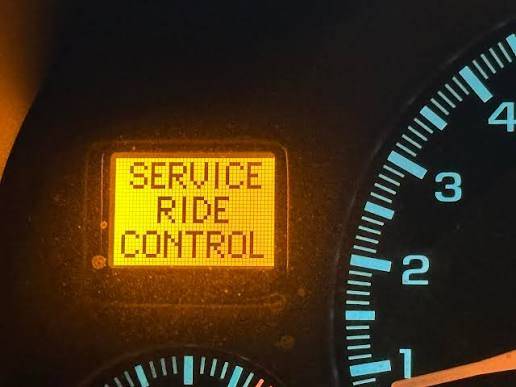
Have you recently noticed the Service Ride Control Message appear on your dashboard? While it may seem like just another warning light, this message should never be ignored. It indicates that your vehicle’s electronic suspension system has detected a fault that could affect ride comfort, handling, and overall driving safety. Although your car may continue to operate normally for a short time, the underlying issue can worsen if left unresolved, leading to expensive repairs and compromised vehicle stability.
Modern vehicles, particularly many Cadillac, Chevrolet, GMC, and Buick models, rely on advanced ride control systems to automatically adjust suspension performance based on road conditions. Whether equipped with Magnetic Ride Control, adaptive dampers, or an air suspension system, these technologies are designed to deliver a smoother ride, improved cornering, and better overall control. When a critical component such as a shock absorber, ride height sensor, suspension control module, or electrical connection fails, the onboard computer displays the Service Ride Control Message to alert the driver.
Many vehicle owners assume this warning simply means it’s time for routine maintenance. In reality, it often signals a malfunction that requires prompt diagnosis. Ignoring the problem can result in uneven tire wear, excessive bouncing, poor handling, longer braking distances, and increased stress on other suspension components. In severe cases, continuing to drive without addressing the fault may reduce vehicle stability, especially during emergency maneuvers or on rough roads.
This comprehensive guide explains everything you need to know about the Service Ride Control Message, including its meaning, the most common causes, warning signs to watch for, diagnostic procedures, repair options, estimated repair costs, and practical maintenance tips to help prevent future suspension problems. By the end of this article, you’ll have a clear understanding of what triggers this warning and the steps you should take to keep your vehicle safe, comfortable, and performing at its best.
What Does the Service Ride Control Message Mean?
The Service Ride Control Message is a dashboard warning that indicates your vehicle has detected a malfunction within its electronic suspension system. Unlike traditional suspension systems that rely solely on mechanical components, modern ride control systems continuously monitor road conditions and adjust suspension performance in real time. When the vehicle’s computer identifies an abnormal reading from one or more suspension components, it stores a diagnostic trouble code and displays this warning to alert the driver.
The message does not necessarily mean the suspension has completely failed. Instead, it tells you that one or more components responsible for maintaining ride quality and vehicle stability are no longer functioning correctly. Depending on the severity of the problem, the system may disable certain adaptive suspension features to prevent further damage. In some vehicles, the suspension automatically switches to a default setting that feels noticeably stiffer or softer than normal.
Electronic ride control systems are commonly found in premium and performance-oriented vehicles. Many Cadillac, Chevrolet, GMC, and Buick models use technologies such as Magnetic Ride Control, adaptive dampers, or electronically controlled air suspension to provide a smoother driving experience. These systems continuously process information from multiple sensors and make hundreds of adjustments every second to improve comfort, handling, and stability.
Although the vehicle may still be drivable after the warning appears, ignoring it can allow minor suspension problems to develop into major mechanical failures. A timely inspection can help identify the faulty component before it causes excessive tire wear, poor steering response, or damage to other suspension parts.
How Does the Ride Control System Work?
To understand why the Service Ride Control Message appears, it helps to know how the ride control system operates. Unlike conventional suspension systems that maintain a fixed damping rate, electronic ride control systems actively adjust suspension behavior based on driving conditions. Their primary goal is to maximize ride comfort while maintaining optimal vehicle stability, cornering performance, and braking control.
At the center of the system is the Suspension Control Module (SCM). This computer receives information from several sensors located throughout the vehicle and calculates the ideal suspension settings in real time. Depending on road conditions, steering input, vehicle speed, and body movement, the module sends commands to electronically controlled shock absorbers or air suspension components.
Several key components work together to keep the system functioning properly.
Ride Height Sensors
These sensors measure the distance between the vehicle body and the suspension. They help the control module detect whether one corner of the vehicle is sitting lower or higher than expected. A failed ride height sensor can cause incorrect suspension adjustments and trigger the warning message.
Electronic Shock Absorbers
Unlike conventional shocks, electronically controlled dampers can instantly change their damping force. This allows the suspension to remain soft over rough roads while becoming firmer during aggressive cornering or hard braking.
Magnetic Ride Control
Some GM vehicles use Magnetic Ride Control, an advanced suspension technology that contains magnetorheological fluid inside the shock absorbers. By changing the strength of an electromagnetic field, the system can alter the fluid’s viscosity in milliseconds, allowing the suspension to respond almost instantly to changing road conditions.
Wheel Speed Sensors
The ride control system also relies on wheel speed information from the ABS system. This data helps determine vehicle dynamics and allows the suspension to respond appropriately during acceleration, braking, and cornering.
Wiring and Electrical Connectors
Because the entire system depends on electronic communication, damaged wiring, loose connectors, corrosion, or moisture intrusion can interrupt signals between components and generate the Service Ride Control Message even when mechanical parts remain in good condition.
When every component works together correctly, the system delivers a balanced combination of comfort and performance. If any sensor, actuator, or control module reports abnormal data, the onboard computer records a fault code and alerts the driver with the warning message.
Common Causes of the Service Ride Control Message
There are many possible reasons why the Service Ride Control Message appears. Some issues are relatively minor and inexpensive to repair, while others may require replacing costly suspension components. Understanding the most common causes can help narrow down the problem before beginning the diagnostic process.
Failed Shock Absorbers
One of the leading causes is worn or damaged electronic shock absorbers. Over time, internal seals wear out, hydraulic fluid leaks, and electronic valves lose their ability to adjust damping force accurately. Drivers may notice excessive bouncing, increased body roll, or a rough ride before the warning message appears.
Electronic shocks typically last between 60,000 and 100,000 miles, although driving habits and road conditions can significantly affect their lifespan.
Faulty Ride Height Sensors
Ride height sensors continuously monitor suspension position. Exposure to dirt, road salt, moisture, and debris can damage the sensor or its linkage, causing inaccurate readings. When the control module receives incorrect height information, it may assume the suspension is malfunctioning and display the warning.
Common symptoms include an uneven ride height, inconsistent suspension performance, or one corner of the vehicle sitting noticeably lower than the others.
Suspension Control Module Failure
The Suspension Control Module acts as the brain of the entire ride control system. Internal electronic failures, software issues, or voltage irregularities can prevent it from communicating with other suspension components. In some cases, a module software update may resolve the issue, while more severe failures require complete replacement.
Damaged Wiring or Electrical Connections
Electrical problems are often overlooked during diagnosis. Wiring harnesses located underneath the vehicle are constantly exposed to water, mud, road debris, and extreme temperatures. Corroded connectors, broken wires, loose terminals, or even rodent damage can interrupt communication between sensors and the control module, triggering false suspension warnings.
Technicians typically perform a thorough visual inspection and electrical continuity test before replacing expensive suspension components.
Magnetic Ride Control Failure
Vehicles equipped with Magnetic Ride Control rely on specialized electronically controlled shock absorbers filled with magnetorheological fluid. As these shocks age, internal components may wear out or lose their ability to respond correctly to electrical commands. Because these shock absorbers are considerably more expensive than conventional units, repairs involving Magnetic Ride Control often represent one of the highest suspension repair costs.
Air Suspension Problems
Some luxury vehicles use air suspension instead of traditional coil springs. Air compressors, air springs, valve blocks, and pneumatic lines can all develop leaks or mechanical failures over time. If the system cannot maintain the correct air pressure, the vehicle may sag on one side or fail to maintain proper ride height, causing the Service Ride Control Message to appear.
Faulty Wheel Speed Sensors
Although wheel speed sensors primarily support the anti-lock braking system and stability control, many electronic suspension systems also depend on this data. A faulty ABS sensor can therefore trigger suspension-related warnings even when the suspension itself is functioning properly.
Because multiple systems share sensor information, a professional diagnostic scan is often necessary to determine the true source of the warning.
Symptoms That Often Accompany the Service Ride Control Message
The Service Ride Control Message rarely appears without other noticeable symptoms. In many cases, drivers begin experiencing changes in ride quality or handling before the warning is displayed. Paying close attention to these symptoms can help identify the problem early and reduce the risk of more extensive suspension damage.
One of the most common signs is a noticeably rougher ride. Since the electronic suspension can no longer adjust damping correctly, the vehicle may feel unusually stiff when driving over bumps or excessively soft on uneven roads. Instead of absorbing road imperfections smoothly, the suspension transmits more impact into the cabin, making every pothole and speed bump much more noticeable.
Another frequent symptom is excessive bouncing after hitting a bump. Healthy shock absorbers quickly stabilize the vehicle after encountering rough pavement. When electronic dampers begin to fail, the vehicle may continue bouncing several times before settling. This not only reduces passenger comfort but also decreases tire contact with the road, affecting braking performance and cornering stability.
Uneven ride height is another warning sign, particularly in vehicles equipped with air suspension or ride height sensors. One corner of the vehicle may appear lower than the others, or the entire vehicle may lean slightly to one side while parked. This often indicates a leaking air spring, faulty height sensor, or malfunctioning air compressor.
Drivers may also notice increased body roll during turns. The vehicle feels less stable when cornering because the suspension is unable to stiffen appropriately. Similarly, excessive nose dive during braking or rear-end squat during acceleration suggests the shock absorbers are no longer providing adequate damping control.
Suspension-related noises are another indication that something is wrong. Clunking, knocking, squeaking, or rattling sounds coming from underneath the vehicle may indicate worn suspension bushings, damaged shocks, loose mounting hardware, or failing suspension components. While these noises do not always trigger the Service Ride Control Message, they frequently accompany suspension faults.
In some situations, multiple dashboard warning lights appear simultaneously. Because modern vehicles share data between various control modules, a suspension problem may also trigger ABS, traction control, or stability control warnings if the underlying issue involves wheel speed sensors or electrical communication failures.
The following table summarizes the most common symptoms and their possible causes.
| Symptom | Possible Cause |
|---|---|
| Rough ride quality | Worn electronic shock absorbers |
| Excessive bouncing | Failed dampers or magnetic shocks |
| Vehicle leaning | Air suspension leak or faulty height sensor |
| Body roll in corners | Weak suspension damping |
| Nose dive while braking | Damaged front shocks |
| Suspension noise | Worn suspension components |
| Uneven tire wear | Suspension misalignment or poor damping |
| Multiple warning lights | Electrical or sensor malfunction |
Even if only one symptom is present, it is important to have the vehicle inspected as soon as possible. Suspension problems often worsen gradually, and early repairs are typically less expensive than replacing multiple damaged components later.
Is It Safe to Drive with a Service Ride Control Message?
Whether you can continue driving after seeing the Service Ride Control Message depends on the severity of the underlying problem. In many cases, the vehicle remains operational because the suspension control module places the system into a protective mode. While this allows you to reach your destination or a repair facility, it does not mean the issue should be ignored.
If the vehicle still feels stable, steering remains responsive, and there are no unusual noises or severe handling issues, short-distance driving at moderate speeds is generally possible. However, the suspension may no longer provide its full level of comfort or stability. You should avoid aggressive acceleration, hard braking, high-speed cornering, and rough roads until the system has been diagnosed.
Certain symptoms indicate that driving should be minimized or stopped immediately. If one corner of the vehicle has dropped significantly, the suspension produces loud knocking sounds, steering feels unstable, or the vehicle bounces excessively after every bump, continuing to drive may create a serious safety hazard. These conditions reduce tire contact with the road and can negatively affect braking performance, especially during emergency maneuvers.
Ignoring the warning for an extended period may also increase repair costs. A faulty shock absorber can place additional stress on suspension bushings, control arms, wheel bearings, and tires. Air suspension leaks can force the compressor to run continuously until it eventually burns out, resulting in a much more expensive repair than replacing the leaking component alone.
Another consequence of delaying repairs is uneven tire wear. Poor suspension control prevents tires from maintaining consistent contact with the road surface, causing irregular wear patterns that shorten tire life and reduce traction during wet weather.
If the warning appears while driving, the safest approach is to reduce speed, avoid rough roads whenever possible, and schedule a professional inspection as soon as possible. Although the vehicle may seem to drive normally at first, the suspension system is no longer operating as designed, and its performance may deteriorate without warning.
How to Diagnose the Problem
Diagnosing the cause of a Service Ride Control Message requires more than simply replacing parts. Because the warning can result from mechanical failures, electrical issues, sensor malfunctions, or software problems, technicians follow a systematic diagnostic process to identify the exact source of the fault.
The first step is connecting a professional OBD-II scan tool capable of communicating with the suspension control module. Unlike basic code readers, advanced diagnostic equipment can retrieve manufacturer-specific suspension fault codes that reveal which component has reported a malfunction. These diagnostic trouble codes provide valuable direction before any physical inspection begins.
After scanning the vehicle, the technician performs a visual inspection of the suspension system. Electronic shock absorbers are checked for oil leaks, physical damage, loose mounting bolts, and worn bushings. Air suspension components are inspected for cracked air springs, damaged air lines, and signs of compressor failure. If the vehicle uses Magnetic Ride Control, the electrical connectors attached to each shock absorber are carefully examined for corrosion or broken wiring.
Ride height sensors are then inspected to ensure their linkages move freely and produce accurate readings. Bent sensor arms, damaged connectors, or excessive dirt buildup can interfere with normal operation and trigger the warning message.
The wiring harness is another critical inspection point. Since many suspension components are mounted underneath the vehicle, electrical connectors are exposed to water, mud, road salt, and debris. Technicians check for damaged insulation, loose terminals, corroded connectors, and broken wires that may interrupt communication between the sensors and the suspension control module.
If no obvious mechanical or electrical faults are found, additional testing may include measuring sensor voltages, checking module communication, and verifying software updates released by the vehicle manufacturer. Some suspension faults are caused by outdated control module software rather than failed hardware.
Finally, a road test confirms whether the repair has resolved the issue. During the test drive, technicians monitor live suspension data while evaluating ride quality, steering response, braking stability, and warning light behavior. Once the fault has been corrected, the stored diagnostic codes are cleared, and the Service Ride Control Message should no longer appear during normal driving.
How to Fix the Service Ride Control Message
The correct solution for a Service Ride Control Message depends entirely on what caused the warning in the first place. Since the message can be triggered by anything from a damaged sensor to a failed suspension control module, replacing parts without proper diagnosis often leads to unnecessary expenses and recurring problems. The most effective repair begins with identifying the exact fault code and confirming the failed component through a complete inspection.
If worn electronic shock absorbers are responsible, replacing them is usually the only permanent solution. Conventional shock absorbers lose their damping ability gradually, while electronically controlled dampers may also experience internal electrical failures. Many manufacturers recommend replacing shocks in pairs on the same axle to maintain balanced suspension performance. Installing only one new shock may create uneven handling characteristics and reduce ride quality.
When a faulty ride height sensor is identified, replacement is generally straightforward. After installing the new sensor, many vehicles require a suspension calibration procedure so the control module can accurately recognize the vehicle’s ride height. Skipping this calibration may cause the warning message to return even though the sensor has been replaced.
Electrical repairs are another common solution. Corroded connectors, damaged wiring, loose terminals, or broken harnesses can interrupt communication between suspension components. In many cases, repairing or replacing a section of wiring eliminates the warning without replacing any expensive suspension parts. Thorough electrical testing should always be completed before assuming that a major component has failed.
Vehicles equipped with Magnetic Ride Control may require replacement of one or more magnetic shock absorbers. Because these units contain specialized internal technology, they generally cannot be rebuilt or repaired. Although they are significantly more expensive than conventional shocks, installing high-quality replacement parts helps restore the vehicle’s original ride comfort and handling performance.
Air suspension systems require a different approach. If an air spring develops a leak, replacing only the compressor will not solve the problem because the new compressor will continue working overtime until it eventually fails. A complete diagnosis should identify leaking air springs, damaged air lines, faulty valve blocks, or compressor problems before any components are replaced.
Occasionally, the issue originates from the Suspension Control Module itself. Some vehicles simply need a software update released by the manufacturer, while others require module replacement followed by programming with factory diagnostic equipment. Since the module communicates with several other vehicle systems, proper programming is essential for normal operation.
After all repairs have been completed, technicians erase the stored diagnostic trouble codes and perform a road test. If no new faults are detected, the Service Ride Control Message should disappear permanently. If the warning returns immediately, additional diagnostics may be necessary to locate secondary faults that were not initially detected.
Can You Reset the Service Ride Control Message Yourself?
Many drivers search for a quick way to reset the Service Ride Control Message, hoping the warning will disappear without expensive repairs. While it is sometimes possible to clear the message temporarily, resetting the warning alone does not fix the underlying problem. If the original fault still exists, the vehicle’s computer will usually detect it again within a short period of driving.
One commonly attempted method is disconnecting the vehicle’s battery for several minutes. This may temporarily erase certain stored system data and cause the warning to disappear after reconnecting the battery. However, modern vehicles retain many diagnostic trouble codes even after battery power has been removed, making this method unreliable for permanent repairs.
Using an advanced OBD-II scan tool provides a more effective way to clear suspension fault codes. Professional scanners can communicate directly with the Suspension Control Module, erase stored codes, and verify whether the repair has been successful. If the system completes a self-test without detecting any additional faults, the warning message will remain off.
Some vehicle owners discover that the message disappears after replacing a damaged sensor or shock absorber. While this occasionally happens automatically, many manufacturers require the suspension system to complete a recalibration procedure before recognizing the newly installed component. Certain GM models also require module programming after replacing electronic suspension parts.
It is important to understand that resetting the warning should always be the final step after repairs have been completed. Clearing the message before diagnosing the vehicle can erase valuable fault information that technicians use to identify the original cause. This may make troubleshooting more difficult and increase diagnostic time.
If the Service Ride Control Message returns immediately after being cleared, the problem has not been resolved. Continuing to reset the warning without repairing the fault only delays necessary maintenance and may allow additional suspension components to wear prematurely.
The safest approach is to perform a complete diagnostic inspection, repair the defective component, clear the stored fault codes using the appropriate scan tool, and confirm the repair during a road test.
How Much Does It Cost to Fix a Service Ride Control Message?
Repair costs for a Service Ride Control Message vary considerably depending on the vehicle model, the type of suspension system, labor rates in your area, and the specific component that has failed. Simple electrical repairs may cost less than a few hundred dollars, while replacing multiple Magnetic Ride Control shock absorbers or an entire air suspension system can cost several thousand dollars.
The diagnostic process is usually the first expense. Most repair shops charge between $80 and $180 for a professional inspection and computer scan. Although some owners hesitate to pay for diagnostics, accurately identifying the problem often prevents unnecessary parts replacement and reduces the overall repair bill.
Replacing a ride height sensor is generally one of the least expensive repairs. Including parts and labor, most owners can expect to pay between $100 and $350. Wiring repairs vary depending on the location and extent of the damage, with most repairs ranging from $100 to $500.
Electronic shock absorbers represent one of the more significant expenses. Standard electronically controlled shocks typically cost between $250 and $1,200 per unit installed. Vehicles equipped with Magnetic Ride Control often require specialized dampers that range from $700 to $2,000 each, making a complete suspension replacement considerably more expensive.
Air suspension repairs also vary widely. Replacing an air compressor generally costs between $500 and $1,500, while repairing leaking air springs or valve blocks may increase the total cost depending on how many components require replacement.
If the Suspension Control Module has failed, owners can expect repair costs ranging from $400 to $1,200, including programming and calibration. Software updates, however, are often much less expensive and may even be covered under certain manufacturer service programs.
The following table provides a general estimate of common repair costs.
| Repair Item | Estimated Cost (USD) |
|---|---|
| Professional diagnostic scan | $80 to $180 |
| Ride height sensor replacement | $100 to $350 |
| Wiring or connector repair | $100 to $500 |
| Electronic shock absorber | $250 to $1,200 |
| Magnetic Ride Control shock | $700 to $2,000 |
| Air suspension compressor | $500 to $1,500 |
| Suspension Control Module | $400 to $1,200 |
These figures are intended only as general estimates. Actual repair costs vary depending on the vehicle’s make and model, the availability of replacement parts, labor rates, dealership pricing, and whether original equipment or aftermarket components are used. Obtaining quotes from multiple qualified repair shops is often the best way to ensure fair pricing while maintaining repair quality.
Addressing the Service Ride Control Message early is usually far less expensive than delaying repairs. Replacing a faulty sensor or repairing damaged wiring promptly may prevent additional wear on shock absorbers, tires, suspension bushings, and other components, ultimately saving hundreds or even thousands of dollars in future repair costs.
How to Prevent Future Ride Control Problems
Although some suspension components naturally wear out over time, many Service Ride Control Message warnings can be prevented through routine maintenance and careful driving habits. Since modern electronic suspension systems combine mechanical parts with advanced electronics, keeping every component in good condition is essential for maintaining both ride comfort and vehicle safety.
One of the most effective preventive measures is scheduling regular suspension inspections. During routine maintenance, technicians can identify leaking shock absorbers, worn bushings, damaged control arms, or loose mounting hardware before they develop into more serious problems. Catching these issues early often reduces repair costs and prevents additional stress on surrounding components.
Driving carefully on rough roads also plays a significant role in extending suspension life. Potholes, speed bumps taken at excessive speeds, and repeated curb impacts place enormous stress on shock absorbers, springs, sensors, and suspension linkages. Slowing down on uneven pavement helps minimize unnecessary wear while improving overall vehicle stability.
Keeping the vehicle clean, especially underneath the chassis, is another simple yet effective maintenance practice. Mud, road salt, and moisture can accelerate corrosion on electrical connectors and wiring harnesses that communicate with the Suspension Control Module. Washing the undercarriage periodically, particularly after driving in snowy or coastal environments, helps protect these sensitive electrical components.
Routine tire maintenance is equally important. Maintaining proper tire pressure and rotating tires according to the manufacturer’s recommendations reduces unnecessary strain on the suspension. Uneven tire wear can also serve as an early warning sign that the suspension is no longer operating correctly.
Vehicle owners should never ignore unusual suspension behavior, even if no dashboard warning has appeared. Increased bouncing, excessive body roll, clunking noises, or uneven ride height often indicate developing problems that can be repaired before they trigger the Service Ride Control Message.
Using high-quality replacement parts is another key factor in preventing recurring issues. While inexpensive aftermarket components may reduce initial repair costs, they often fail to match the durability and performance of original equipment or premium aftermarket alternatives. Investing in reliable suspension components helps maintain proper system operation and reduces the likelihood of repeated repairs.
Finally, respond promptly to any warning lights or unusual vehicle behavior. Electronic suspension systems continuously monitor themselves, and addressing small issues early can prevent them from escalating into costly repairs involving multiple suspension components.
By combining regular inspections, careful driving habits, proper maintenance, and timely repairs, drivers can significantly extend the lifespan of their electronic suspension system while reducing the risk of seeing the Service Ride Control Message again.
Frequently Asked Questions
Can I drive with the Service Ride Control Message on?
Yes, in many cases you can continue driving for a short distance if the vehicle remains stable and there are no severe handling issues. However, the warning indicates that the suspension system is not functioning properly, so you should schedule an inspection as soon as possible. If the vehicle leans to one side, bounces excessively, or produces loud suspension noises, it is safer to stop driving and have it inspected immediately.
What causes the Service Ride Control Message to appear?
The warning can be triggered by several issues, including failed electronic shock absorbers, faulty ride height sensors, damaged wiring, Suspension Control Module failures, Magnetic Ride Control malfunctions, air suspension leaks, or defective wheel speed sensors. A professional diagnostic scan is usually required to identify the exact cause.
Will the warning disappear on its own?
In most situations, no. Although the message may temporarily disappear after restarting the vehicle, the onboard computer will usually detect the same fault during its next system check. The warning typically remains until the underlying problem has been repaired and the fault codes have been cleared.
Can a low battery cause the Service Ride Control Message?
Yes. A weak battery or unstable charging system can occasionally trigger communication errors between electronic control modules. Low system voltage may produce temporary suspension warnings, especially during engine startup. Before replacing expensive suspension components, technicians often verify battery condition and charging system performance.
Can I reset the Service Ride Control Message myself?
You can clear the warning using a compatible diagnostic scanner if the original fault has already been repaired. Simply disconnecting the battery may temporarily erase some system data, but it rarely provides a permanent solution. If the underlying problem remains, the message will usually return.
How long does it take to diagnose the problem?
A basic diagnostic inspection generally takes between 30 minutes and one hour. More complex electrical faults or intermittent suspension problems may require additional testing, road tests, and advanced diagnostic procedures, which can extend the inspection time.
Is repairing the Service Ride Control system expensive?
Repair costs vary widely depending on the failed component. Minor wiring repairs or sensor replacements may cost only a few hundred dollars, while replacing multiple Magnetic Ride Control shock absorbers or air suspension components can cost several thousand dollars. Early diagnosis is often the best way to minimize repair expenses.
Conclusion
The Service Ride Control Message is much more than a simple maintenance reminder. It serves as an early warning that your vehicle’s electronic suspension system has detected a problem that could affect ride comfort, handling, and overall driving safety. Whether the issue stems from worn electronic shock absorbers, a faulty ride height sensor, damaged wiring, an air suspension leak, or a malfunctioning Suspension Control Module, addressing the problem promptly is essential to prevent further damage.
Although many vehicles remain drivable after the warning appears, delaying repairs can lead to uneven tire wear, poor steering response, increased braking distances, and significantly higher repair costs. A thorough diagnostic inspection allows technicians to identify the exact cause, replace only the necessary components, and restore the suspension system to proper working condition.
Routine maintenance, careful driving habits, and regular suspension inspections remain the most effective ways to reduce the likelihood of future ride control problems. Paying attention to early warning signs such as excessive bouncing, unusual suspension noises, or uneven ride height can help you resolve small issues before they become major repairs.
If your dashboard is displaying the Service Ride Control Message, don’t ignore it. Having the system professionally diagnosed as soon as possible can protect your vehicle’s suspension, improve driving safety, and save you money in the long run.
Have you experienced a Service Ride Control Message on your vehicle? Share your experience, the model you drive, or any questions you have in the comments below. Your story may help other drivers identify similar suspension problems and find the right solution more quickly.