A Range Rover Gearbox Fault warning can worry any driver. Many owners immediately think the transmission has failed. In reality, the warning can point to several different problems. Low transmission fluid, faulty sensors, software glitches, or electrical issues often trigger the message. However, ignoring the warning can turn a small repair into a costly transmission replacement.
Modern Range Rover models use advanced transmission control systems to monitor every gear change. These systems check hydraulic pressure, fluid temperature, and communication between electronic modules. When they detect unusual data, they trigger the gearbox fault warning. The system also stores diagnostic trouble codes to help technicians identify the cause. In some cases, the vehicle limits performance to protect the transmission from further damage.
Most drivers notice warning signs before the transmission develops a serious fault. Rough shifting, delayed gear engagement, slipping gears, vibration, and unusual noises are among the most common symptoms. Some vehicles continue to drive with minor performance issues. Others enter limp mode within seconds after the warning appears. Recognizing these symptoms early can help you avoid expensive repairs and prevent additional damage.
This guide explains everything you need to know about a Range Rover Gearbox Fault. You will learn what causes the warning, how to recognize the symptoms, and how professionals diagnose the problem. You will also discover typical repair costs, effective repair options, and practical maintenance tips. Whether you already own a Range Rover or plan to buy a used model, this guide will help you make informed decisions and protect your investment.
What Does a Range Rover Gearbox Fault Mean?
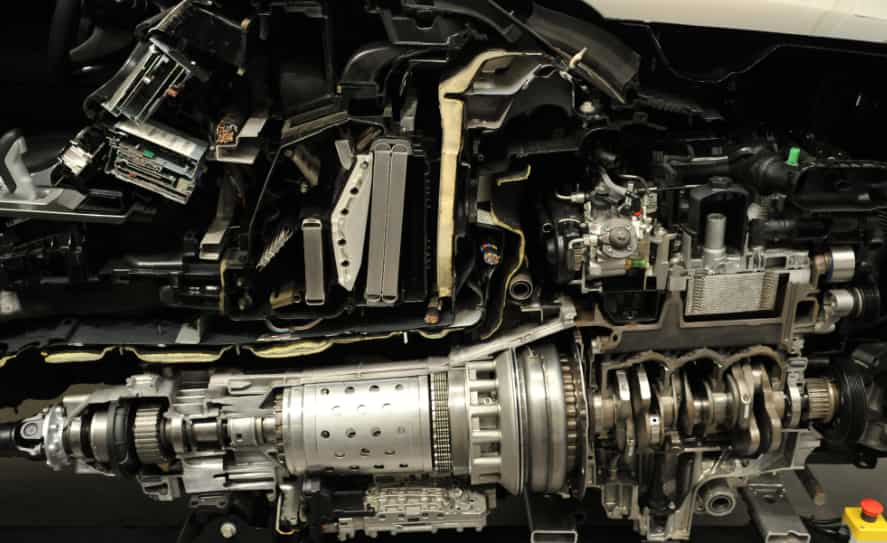
A Range Rover Gearbox Fault warning means the transmission control system has detected a problem that affects normal gearbox operation. The issue may involve a mechanical component, an electrical circuit, or the transmission software. Although the warning often appears suddenly, the underlying problem usually develops over time. Early diagnosis helps prevent additional damage and reduces repair costs.
The transmission control module constantly monitors information from multiple sensors throughout the gearbox. It tracks gear selection, hydraulic pressure, transmission fluid temperature, engine speed, and vehicle speed. When the data falls outside the expected range, the module records a diagnostic trouble code and displays the gearbox fault warning. In some cases, it also limits engine power or activates limp mode to protect the transmission.
Not every gearbox fault indicates complete transmission failure. A worn speed sensor, low transmission fluid, or outdated software can trigger the same warning. However, damaged clutch packs, a failing torque converter, or a faulty valve body may produce similar symptoms. For this reason, a professional diagnostic scan remains the fastest way to identify the actual cause.
Many drivers continue using their vehicle after the warning appears because the gearbox still shifts between gears. This approach increases the risk of more serious damage. A transmission that slips, overheats, or shifts roughly creates additional wear every time the vehicle moves. Repairing a minor fault early often costs far less than rebuilding or replacing the entire gearbox.
You should never ignore a Range Rover Gearbox Fault warning. Even if the vehicle feels normal, hidden transmission problems can become more severe without proper attention. Identifying the fault quickly protects the gearbox, improves driving performance, and helps extend the service life of your Range Rover.
Common Symptoms of a Range Rover Gearbox Fault
A Range Rover Gearbox Fault rarely appears without warning. In most cases, the transmission begins to show subtle changes before the problem becomes serious. Many drivers first notice rough gear changes or delayed engagement when shifting between Park, Reverse, and Drive. The vehicle may hesitate for a few seconds before moving, or it may shift with an unusual jolt during acceleration. Although these symptoms often seem minor at first, they usually indicate that the transmission is struggling to maintain proper hydraulic pressure or electronic control. Ignoring these early signs can increase wear inside the gearbox and lead to much higher repair costs.
As the fault progresses, additional symptoms often become more noticeable. The transmission may slip out of gear, hesitate during acceleration, or produce higher engine speed without delivering normal power to the wheels. Some drivers also experience vibration, whining noises, or a burning smell after longer journeys. These warning signs frequently develop when transmission fluid becomes contaminated, internal components wear out, or excessive heat affects gearbox performance. In many cases, the vehicle activates limp mode to protect the transmission from further damage. When this happens, engine power decreases significantly, and the gearbox may remain locked in a single gear until the fault is diagnosed and repaired.
Dashboard warning messages provide another important indication of transmission trouble. Your Range Rover may display alerts such as Gearbox Fault, Transmission Fault, or Gearbox Limited Function while storing diagnostic trouble codes in the transmission control module. Some vehicles continue to drive with reduced performance, while others become difficult to operate safely. Even if the gearbox still functions, unusual noises, fluid leaks, poor acceleration, or inconsistent shifting should never be ignored. Identifying these symptoms early allows technicians to repair minor faults before they develop into major transmission failures, helping you protect both the reliability and long term value of your Range Rover.
Main Causes of a Range Rover Gearbox Fault
A Range Rover Gearbox Fault can develop for many reasons, ranging from simple maintenance issues to serious internal transmission damage. One of the most common causes is low or contaminated transmission fluid. The gearbox relies on clean fluid to lubricate moving parts, maintain hydraulic pressure, and control gear changes. When the fluid level drops or becomes contaminated with dirt and metal particles, the transmission cannot operate efficiently. As a result, drivers may experience delayed shifting, slipping gears, overheating, or harsh gear changes. Regular fluid inspections and timely replacement can prevent many of these problems before they become expensive repairs.
Electronic faults also play a significant role in modern Range Rover transmission issues. The transmission control module receives information from several sensors that monitor speed, temperature, pressure, and gear position. A faulty sensor, damaged wiring, or outdated software can interrupt communication between these components and trigger a gearbox fault warning. In many cases, the transmission itself remains mechanically sound, but incorrect sensor readings cause the control system to limit performance as a safety measure. Professional diagnostic equipment helps identify these faults quickly and reduces the risk of replacing parts unnecessarily.
Mechanical wear becomes more common as mileage increases. Components such as the valve body, torque converter, clutch packs, seals, and transmission solenoids gradually wear under normal driving conditions. Excessive heat, heavy towing, aggressive acceleration, and poor maintenance can accelerate this process. As internal wear increases, the gearbox may produce unusual noises, lose hydraulic pressure, or struggle to shift smoothly between gears. Addressing these issues early often prevents complete transmission failure and significantly lowers the overall repair cost, making routine maintenance one of the most effective ways to extend the lifespan of a Range Rover gearbox.
How to Diagnose a Range Rover Gearbox Fault
Diagnosing a Range Rover Gearbox Fault requires a systematic approach because the warning can result from both mechanical and electronic problems. The first step is to observe how the vehicle behaves under different driving conditions. Pay attention to delayed gear engagement, rough shifting, slipping gears, vibration, unusual noises, or a sudden loss of power. These symptoms often provide valuable clues about the source of the problem. You should also note whether the warning appears only during cold starts, heavy acceleration, or normal driving, as this information helps narrow down the possible causes.
The next step is to perform a diagnostic scan using a professional OBD II scanner that supports Land Rover transmission systems. Reading the stored fault codes allows technicians to identify communication errors, sensor failures, pressure problems, or transmission control module faults. Simply clearing the warning message without investigating the stored codes is not recommended because the fault will usually return if the underlying issue remains unresolved. After scanning the vehicle, inspect the transmission fluid for both level and condition. Clean fluid should appear clear and free from a burnt smell or excessive debris. Dark fluid, metal particles, or low fluid levels often indicate internal wear or poor maintenance.
A complete diagnosis should also include a visual inspection of wiring harnesses, electrical connectors, and transmission cooling lines. Damaged wiring or loose connectors can interrupt communication between sensors and the transmission control module, causing false gearbox fault warnings. If no electrical issues are found, technicians typically perform a road test while monitoring live transmission data. This process helps evaluate hydraulic pressure, shift timing, fluid temperature, and torque converter performance under real driving conditions. Combining diagnostic trouble codes with live data provides the most accurate way to identify the root cause of a Range Rover Gearbox Fault and ensures that repairs address the actual problem rather than the symptoms.
Range Rover Gearbox Fault Repair Costs
The cost of repairing a Range Rover Gearbox Fault depends on the underlying cause, the vehicle model, and the extent of the damage. Minor repairs are usually affordable, while major transmission failures can require a complete rebuild or replacement. For example, replacing a faulty sensor, repairing damaged wiring, or updating the transmission software often costs significantly less than repairing internal gearbox components. A transmission fluid service is also one of the least expensive maintenance procedures and can sometimes resolve shifting problems if contaminated or low fluid is the primary cause.
Repair costs increase when the problem involves worn mechanical parts. Replacing transmission solenoids, repairing the valve body, or installing a new torque converter requires more labor and specialized equipment. If the gearbox has suffered extensive internal damage, technicians may recommend rebuilding the transmission with new clutches, bearings, seals, and other wear components. In the most severe cases, replacing the entire gearbox becomes the most reliable solution, especially when multiple internal parts have failed. Although this option has the highest upfront cost, it often provides greater long term reliability than repeatedly repairing individual components.
Vehicle owners should also consider diagnostic and preventive maintenance costs when budgeting for transmission repairs. A professional diagnostic inspection helps identify the exact cause of the warning before any parts are replaced, reducing unnecessary expenses and avoiding incorrect repairs. Regular transmission fluid changes, cooling system maintenance, and early attention to shifting problems can significantly extend gearbox life and reduce the risk of major failures. Investing in routine maintenance almost always costs less than repairing a severely damaged transmission. Addressing a Range Rover Gearbox Fault as soon as the warning appears remains the most effective way to control repair costs and maintain reliable vehicle performance.
Proven Fixes for a Range Rover Gearbox Fault
Fixing a Range Rover Gearbox Fault begins with identifying the exact cause instead of replacing parts based on guesswork. Many gearbox warnings result from issues that technicians can resolve without rebuilding the entire transmission. If diagnostic testing reveals low or contaminated transmission fluid, replacing the fluid and installing a new filter often restores smoother gear changes and improves overall transmission performance. Software updates may also solve communication errors between the transmission control module and other electronic systems, especially in newer Range Rover models. Completing these basic repairs early can prevent additional wear and reduce the likelihood of more expensive mechanical failures.
When electronic components trigger the warning, technicians typically inspect the transmission control module, speed sensors, wiring harnesses, and electrical connectors. Damaged wiring or faulty sensors can send incorrect information to the control system and cause unnecessary gearbox warnings. Replacing defective components and clearing the stored fault codes usually restores normal operation if no internal damage has occurred. Some vehicles also benefit from resetting the transmission adaptation values after repairs. This procedure allows the transmission control module to relearn shift patterns and optimize gear changes based on the current condition of the gearbox.
Mechanical faults require more extensive repairs because worn internal components cannot recover through software updates or fluid replacement alone. A damaged valve body, failing torque converter, worn clutch packs, or leaking internal seals often reduce hydraulic pressure and prevent smooth gear engagement. Depending on the level of damage, technicians may repair individual components, rebuild the transmission, or install a replacement gearbox. Choosing a qualified Land Rover specialist and using high quality replacement parts greatly improves long term reliability. Combined with regular maintenance and timely transmission servicing, these proven repair methods help restore normal performance and reduce the risk of future Range Rover Gearbox Fault warnings.
How to Prevent Future Gearbox Faults
Preventing a Range Rover Gearbox Fault is much easier and less expensive than repairing a damaged transmission. Regular maintenance remains the most effective way to keep the gearbox operating smoothly for many years. Checking the transmission fluid at the recommended service intervals helps maintain proper lubrication, stable hydraulic pressure, and efficient cooling. Fresh transmission fluid also reduces friction between internal components and minimizes wear caused by heat and contamination. Following the manufacturer’s maintenance schedule is one of the simplest ways to extend the life of the gearbox.
Driving habits also have a significant impact on transmission health. Aggressive acceleration, sudden braking, frequent towing beyond the recommended capacity, and prolonged stop and go traffic can place extra stress on the gearbox. Allowing the vehicle to warm up before demanding heavy acceleration helps the transmission fluid circulate properly, especially in cold weather. Smooth and consistent driving reduces unnecessary strain on the clutch packs, valve body, and torque converter, helping these components last longer.
Routine inspections can identify small problems before they become major repairs. Drivers should pay attention to fluid leaks, unusual noises, delayed shifting, or warning messages that appear on the dashboard. Even minor changes in gearbox performance deserve immediate attention because early diagnosis often prevents more serious damage. Scheduling a professional transmission inspection after the first sign of trouble can save thousands of dollars in future repair costs. By combining proper maintenance, careful driving habits, and prompt repairs, you can significantly reduce the risk of a Range Rover Gearbox Fault and keep your vehicle performing reliably for many years.
Frequently Asked Questions
What causes a Range Rover Gearbox Fault?
A Range Rover Gearbox Fault can result from low transmission fluid, contaminated fluid, faulty sensors, damaged wiring, transmission control module issues, worn clutch packs, a failing torque converter, or internal gearbox wear. A professional diagnostic scan is the most reliable way to identify the exact cause.
Can I drive with a Range Rover Gearbox Fault?
You should avoid driving the vehicle if the transmission slips, makes unusual noises, overheats, or enters limp mode. Continuing to drive with a serious gearbox fault can increase internal damage and lead to much higher repair costs.
How much does it cost to repair a Range Rover Gearbox Fault?
Repair costs vary depending on the fault. Minor electrical repairs and transmission fluid services are generally inexpensive, while replacing a valve body, torque converter, or rebuilding the transmission can cost significantly more. An accurate diagnosis helps prevent unnecessary expenses.
Can low transmission fluid trigger a gearbox fault warning?
Yes. Low transmission fluid is one of the most common reasons for a gearbox fault warning. Insufficient fluid reduces hydraulic pressure, increases operating temperature, and affects normal gear changes.
Can a weak battery cause a gearbox fault?
Yes. A weak battery or unstable voltage can interfere with communication between electronic control modules and trigger temporary gearbox fault warnings. Testing the battery and charging system is often part of the diagnostic process.
How long does a Range Rover gearbox last?
A well maintained Range Rover gearbox can last well beyond 150,000 miles. Regular transmission servicing, timely fluid changes, and early repairs help maximize its service life.
Can I reset a Range Rover Gearbox Fault myself?
Clearing the warning without repairing the underlying problem is not recommended. The fault message usually returns if the original issue remains unresolved. Always diagnose the cause before resetting the system.
How can I prevent future gearbox problems?
Regular maintenance, clean transmission fluid, careful driving habits, and prompt attention to early warning signs are the best ways to reduce the risk of future gearbox faults and extend transmission life.
Conclusion
A Range Rover Gearbox Fault does not always mean the transmission has reached the end of its service life. In many cases, the warning results from issues such as low transmission fluid, faulty sensors, electrical faults, or software problems that technicians can resolve without replacing the entire gearbox. The key is to recognize the warning signs early and complete a proper diagnosis before the problem becomes more serious.
Understanding the common symptoms, identifying the underlying causes, and choosing the correct repair method can save both time and money. Regular maintenance also plays an essential role in preventing transmission failure and preserving long term performance. Simple tasks such as replacing transmission fluid, checking for leaks, and responding quickly to dashboard warnings often prevent expensive repairs later.
If your vehicle displays a Range Rover Gearbox Fault warning, do not ignore it or rely on temporary fixes. A professional inspection provides the most accurate diagnosis and ensures that the correct components receive attention. Taking action early protects your gearbox, improves driving performance, and helps maintain the reliability and value of your Range Rover for years to come.