Choosing the correct Range Rover coolant type is one of the simplest yet most important steps you can take to protect your vehicle’s engine. While many drivers focus on engine oil, brakes, or Choosing the correct Range Rover coolant type protects your engine and keeps the cooling system working efficiently. Many owners pay close attention to engine oil, tires, and brakes, but they often overlook coolant maintenance. This small mistake can lead to overheating, corrosion, water pump failure, and costly engine repairs.
Every Range Rover uses a cooling system that depends on the correct coolant specification. Modern models feature aluminum engine components that require advanced corrosion protection. Using the wrong coolant can reduce cooling performance and damage important parts over time. Mixing incompatible coolant formulas can create even more serious problems.
Many drivers believe coolant color tells them everything they need to know. In reality, color does not guarantee compatibility. Orange, pink, and red coolants may look similar, but manufacturers often use different chemical formulas. You should always match the coolant to the required Jaguar Land Rover specification instead of relying on its appearance.
This guide explains the correct Range Rover coolant type for every major model and model year. You will learn which coolant specification your vehicle needs, how to choose a compatible replacement, and when to replace old coolant. We also cover coolant colors, mixing rules, maintenance intervals, and common warning signs. By the end of this guide, you will know how to protect your Range Rover from expensive cooling system failures and keep it performing at its best.
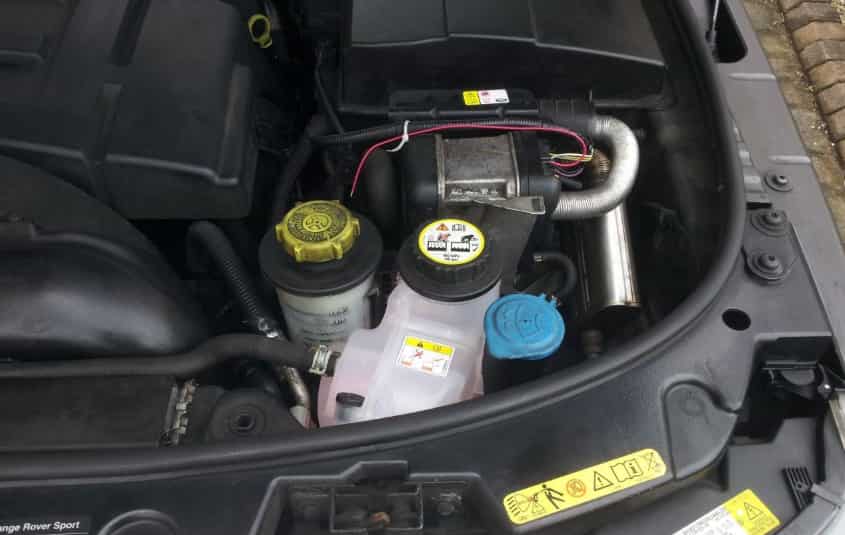
What Coolant Type Does a Range Rover Use?
The correct Range Rover coolant type depends on the vehicle’s model year, engine, and factory specification. Most modern Range Rover models use Organic Acid Technology coolant, which many manufacturers describe as OAT coolant. This formula protects aluminum engine components from corrosion, improves heat transfer, and delivers long service life under normal driving conditions.
Jaguar Land Rover developed specific coolant requirements for its vehicles instead of recommending a generic antifreeze. Owners should always choose a product that meets the required Jaguar Land Rover specification listed in the owner’s manual or official service information. Selecting coolant based on the correct specification provides much better protection than choosing a product because it has a similar color.
Many drivers assume that orange, pink, or red coolant always indicates the correct product. This assumption often causes expensive cooling system problems. Manufacturers can use similar colors for completely different chemical formulas. Two coolants may look identical while containing incompatible corrosion inhibitors. For this reason, coolant color should never serve as the only factor when selecting a replacement.
Most recent Range Rover vehicles use an OAT coolant that offers excellent protection against rust, scale buildup, and corrosion. This coolant also helps maintain stable engine temperatures in both hot and cold climates. Its long service life reduces maintenance requirements when owners follow the recommended replacement schedule.
Older Range Rover models may require a different coolant specification. Some earlier vehicles use Hybrid Organic Acid Technology coolant or other formulas that match the engineering standards of their production period. Before adding or replacing coolant, owners should always verify the required specification for their exact model year and engine.
Using the wrong coolant can reduce corrosion protection and shorten the life of important cooling system components. Radiators, heater cores, water pumps, hoses, and engine passages all depend on the proper coolant chemistry. Even a small amount of incompatible coolant may reduce the effectiveness of the entire cooling system.
If you are unsure which Range Rover coolant type your vehicle requires, always identify the correct specification before purchasing coolant. Matching the manufacturer’s requirement remains the safest way to protect your engine and maintain reliable cooling performance for years to come.
Range Rover Coolant Type by Model
The correct Range Rover coolant type depends on the model, production year, and engine. Many modern Range Rover vehicles use Organic Acid Technology coolant. However, one product does not fit every model. Jaguar Land Rover introduced different coolant specifications over the years. Each specification supports a specific engine design and cooling system. Choosing the correct coolant helps control engine temperature. It also prevents corrosion and extends the life of the radiator, water pump, heater core, and hoses.
Recent versions of the Range Rover, Range Rover Sport, Range Rover Velar, and Range Rover Evoque usually require long life Organic Acid Technology coolant. This formula protects aluminum engine components from corrosion. It also reduces scale buildup inside the cooling system. The coolant maintains stable operating temperatures in both hot and cold climates. Although these models often share similar coolant technology, the required specification may still vary. Always confirm compatibility before adding or replacing coolant.
Older Range Rover models may require a different coolant formula. These vehicles use cooling systems designed for earlier engineering standards. Using the wrong coolant can reduce corrosion protection. Mixing incompatible products can also create deposits inside the cooling system. These deposits may restrict coolant flow and reduce cooling efficiency. If you do not know the existing coolant type, perform a complete system flush before refilling it. Always verify the model year, engine, and factory specification first. This simple step helps prevent expensive repairs and keeps the cooling system working reliably.
Range Rover Coolant Color: Orange, Pink, Red, or Green?
Many owners identify the Range Rover coolant type by its color. This method may seem simple, but it often leads to costly mistakes. Coolant color does not identify the chemical formula or the manufacturer specification. Different brands can use the same color for completely different coolant technologies. Always verify the required specification before purchasing or adding coolant.
Most modern Range Rover models use orange or pink Organic Acid Technology coolant. This coolant provides excellent corrosion protection for aluminum engines and other cooling system components. It also offers a longer service life than many traditional coolant formulas. However, some aftermarket products use similar colors without meeting Jaguar Land Rover requirements. Color alone cannot confirm compatibility.
Older Range Rover models may use a different coolant technology. Some vehicles require Hybrid Organic Acid Technology coolant or another approved formula. Filling the system with the wrong product can reduce corrosion protection and affect cooling performance. Mixing different coolant technologies may also create sludge or deposits inside the radiator and engine passages. These deposits can restrict coolant flow and increase the risk of overheating.
The safest approach is to ignore coolant color and focus on the required specification. Check the owner’s manual or factory service information before replacing coolant. If you cannot confirm the existing coolant type, perform a complete cooling system flush before adding fresh coolant. Following the correct specification protects the engine, improves cooling efficiency, and helps extend the service life of the entire cooling system.
OEM Range Rover Coolant vs Aftermarket Coolant
Choosing between OEM and aftermarket products is an important step when selecting the correct Range Rover coolant type. Genuine Jaguar Land Rover coolant is designed for the cooling systems used in Range Rover vehicles. It meets the required factory specification and provides reliable protection against corrosion, rust, and scale buildup. Many owners choose OEM coolant because it offers consistent performance and reduces the risk of compatibility issues.
High quality aftermarket coolant can also protect the cooling system when it meets the correct Jaguar Land Rover specification. Several trusted manufacturers produce coolants that match the required performance standards. Before buying any product, read the label carefully. The package should clearly state that it meets the required specification for your Range Rover model and engine. A product with a similar color is not always a suitable replacement.
Avoid choosing coolant based on price alone. A low cost product may not provide the corrosion protection or thermal performance required by modern Range Rover engines. Using an incompatible coolant can shorten the life of the radiator, water pump, thermostat, and heater core. It may also increase maintenance costs over time.
The safest choice is to verify the factory specification before purchasing coolant. Compare the product label with your owner’s manual or official service information. If the coolant already in the vehicle is unknown, flush the cooling system before adding new coolant. This approach prevents chemical contamination and helps maintain reliable engine cooling in all driving conditions.
Can You Mix Different Coolants in a Range Rover?
Many owners ask whether they can mix different products when the coolant level becomes low. In most cases, the answer is no. Mixing different coolant technologies can reduce corrosion protection and change the chemical balance inside the cooling system. Even if two products have the same color, they may contain different additives. These differences can affect long term cooling performance and increase the risk of expensive repairs.
Adding the wrong coolant may create deposits that restrict coolant flow through the radiator and engine passages. It can also reduce the efficiency of the water pump and thermostat. As contamination increases, the engine may operate at higher temperatures. Continuous overheating can shorten the life of important engine components and lead to unexpected maintenance costs.
If you need to top off the cooling system, use the same Range Rover coolant type that is already in the vehicle. When you cannot identify the existing coolant, avoid mixing products. Instead, drain the old coolant and perform a complete cooling system flush. After the system is clean, refill it with coolant that meets the correct Jaguar Land Rover specification. This process removes contamination and restores the proper level of corrosion protection.
Routine coolant inspections also help prevent cooling system problems. Check the coolant level regularly and look for leaks around the radiator, hoses, water pump, and expansion tank. Replacing worn components before they fail keeps the cooling system working efficiently. Following the correct maintenance procedure also helps your Range Rover deliver reliable performance throughout its service life.
Range Rover Coolant Mixture Ratio
Using the correct coolant mixture is just as important as choosing the correct Range Rover coolant type. The proper mixture protects the engine from extreme temperatures and helps the cooling system operate efficiently throughout the year. Most Range Rover models perform best with a mixture that contains equal parts coolant and distilled water. This balance improves heat transfer while protecting the engine against corrosion, freezing, and overheating.
Many coolant products are available in two forms. Some come pre mixed and are ready to use. Others are sold as concentrated coolant and require mixing before installation. If you purchase concentrated coolant, always mix it with distilled or deionized water. These water types contain very few minerals and help prevent scale buildup inside the radiator, engine block, and heater core. Tap water may contain minerals that reduce cooling efficiency over time.
Adding too much water can lower freeze protection and reduce the coolant’s ability to prevent corrosion. Using too much concentrated coolant can also reduce heat transfer and place additional stress on the cooling system. Following the recommended mixture helps maintain stable engine temperatures in both hot and cold climates. It also supports the long term performance of the water pump, thermostat, hoses, and radiator.
Always check your owner’s manual before changing coolant. Some engines have specific service requirements or cooling system capacities. Filling the system with the correct Range Rover coolant type and the proper mixture helps protect critical components, improves cooling performance, and reduces the risk of costly repairs.
Signs Your Range Rover Needs Coolant Service
Recognizing the early signs of coolant problems can help prevent expensive engine repairs. Even the correct Range Rover coolant type cannot protect the cooling system if the coolant level becomes too low or the fluid begins to break down. Regular inspections allow you to detect small issues before they become serious mechanical failures. Paying attention to warning signs also helps maintain stable engine performance throughout the year.
A low coolant warning light is one of the most common signs that the cooling system needs attention. This warning may appear because of normal coolant loss over time, but it can also indicate a leak. Check the coolant reservoir and inspect the radiator, hoses, and expansion tank for signs of moisture or dried coolant residue. Finding a leak early can prevent overheating and reduce repair costs.
An engine that runs hotter than normal also deserves immediate attention. Rising engine temperatures often indicate low coolant, restricted coolant flow, or a failing water pump. Steam from the engine compartment, a sweet smell inside or outside the vehicle, and visible coolant under the vehicle are also common warning signs. Ignoring these symptoms can lead to severe engine damage.
You should also monitor heater performance during cold weather. A heater that blows cool air instead of warm air may indicate trapped air, low coolant, or poor coolant circulation. If you notice any of these symptoms, inspect the cooling system as soon as possible. Replacing old coolant with the correct Range Rover coolant type and repairing leaks early will help protect the engine, improve cooling efficiency, and extend the life of the entire cooling system.
How Often Should You Change Range Rover Coolant?
Changing coolant at the right time helps protect the engine and keeps the cooling system working efficiently. Even the correct Range Rover coolant type loses its protective properties over time. Heat, pressure, and normal engine operation gradually reduce its ability to prevent corrosion and transfer heat. Replacing old coolant before it breaks down helps prevent expensive cooling system repairs.
Most modern Range Rover models use long life Organic Acid Technology coolant. Under normal driving conditions, this coolant can last several years before replacement becomes necessary. However, the exact service interval depends on the model, engine, and manufacturer recommendations. Owners should always follow the maintenance schedule listed in the owner’s manual or official service information. Following the correct interval helps maintain reliable engine performance and protects important cooling system components.
Driving conditions can also affect coolant life. Frequent towing, heavy traffic, high temperatures, and repeated short trips place additional stress on the cooling system. These conditions may reduce coolant performance more quickly than normal highway driving. Regular coolant inspections help identify contamination, discoloration, or a low coolant level before serious problems develop.
It is also a good idea to inspect the radiator, hoses, water pump, thermostat, and expansion tank whenever the coolant is replaced. Replacing worn parts during routine maintenance reduces the risk of future failures. Using the correct Range Rover coolant type and following the recommended service schedule will improve cooling efficiency, extend component life, and help your vehicle deliver reliable performance for many years.
Frequently Asked Questions
What coolant type does a Range Rover use?
Most modern Range Rover models use Organic Acid Technology coolant that meets the required Jaguar Land Rover specification. However, the correct coolant still depends on the model year and engine. Always check the owner’s manual or factory service information before adding or replacing coolant. Using the correct Range Rover coolant type helps protect the engine and maintain cooling system performance.
Can I use universal coolant in my Range Rover?
Some universal coolants claim to work with many vehicles, but not all products meet Jaguar Land Rover requirements. Always read the product label before making a purchase. Choose a coolant that clearly states it meets the required manufacturer specification. This simple step helps prevent compatibility problems and protects the cooling system.
Does coolant color matter?
Coolant color can provide a general reference, but it should never determine your final choice. Different manufacturers may use the same color for different chemical formulas. Always match the coolant to the required specification instead of relying on its appearance. This approach reduces the risk of contamination and protects the engine from corrosion.
What happens if I use the wrong coolant?
Using the wrong coolant can reduce corrosion protection and lower cooling efficiency. It may also create deposits inside the radiator and engine passages. These deposits can restrict coolant flow and increase engine temperatures. Continued use of an incompatible coolant may damage the radiator, water pump, thermostat, and other cooling system components.
Can I mix old and new coolant?
You should only mix coolant when both products use the same technology and meet the same manufacturer specification. If you cannot confirm compatibility, avoid mixing them. Drain the old coolant and flush the cooling system before adding fresh coolant. This process helps restore proper cooling performance and extends the life of important engine components.
Conclusion
Choosing the correct Range Rover coolant type is one of the best ways to protect your engine and maintain reliable cooling system performance. The right coolant helps control engine temperature, prevents corrosion, and extends the service life of important components such as the radiator, water pump, thermostat, and heater core. It also reduces the risk of overheating and expensive repairs.
Always identify your vehicle’s model, engine, and production year before purchasing coolant. Do not rely on coolant color alone because similar colors can represent different chemical formulas. Instead, select a product that meets the required Jaguar Land Rover specification. If you are unsure which coolant is already in the system, perform a complete cooling system flush before adding fresh coolant. This approach helps prevent contamination and ensures the cooling system operates as intended.
Routine coolant inspections are just as important as choosing the correct product. Check the coolant level regularly and inspect the cooling system for leaks or worn components. Replacing old coolant at the recommended service interval will help maintain consistent engine performance in every season.
We hope this guide has helped you understand the correct Range Rover coolant type for your vehicle. If you still have questions about coolant compatibility, maintenance, or replacement, leave a comment below. Sharing your experience may also help other Range Rover owners choose the right coolant and keep their vehicles running at their best.