The Aisin AS69RC transmission powers many Ram heavy duty trucks equipped with the 6.7L High Output Cummins engine. It delivers impressive towing capacity and handles high torque with confidence. Many owners choose this transmission because it offers strong performance and long service life under demanding conditions.
However, no transmission lasts forever. Heat, contaminated transmission fluid, heavy towing, and delayed maintenance gradually increase internal wear. Software calibration issues and worn components can also reduce shifting performance. These conditions often create noticeable symptoms before a major failure occurs.
Drivers usually notice hard shifting, delayed gear engagement, transmission shudder, overheating, or warning lights during the early stages of a problem. Ignoring these signs allows internal damage to spread. Early diagnosis often prevents expensive repairs and helps preserve transmission performance.
This guide explains the most common Ram Aisin transmission problems and the reasons behind them. It also covers the warning signs, diagnostic methods, repair options, and maintenance practices that improve long term reliability. Whether you already own a Ram truck or plan to buy one, this information will help you protect your investment and make informed maintenance decisions.
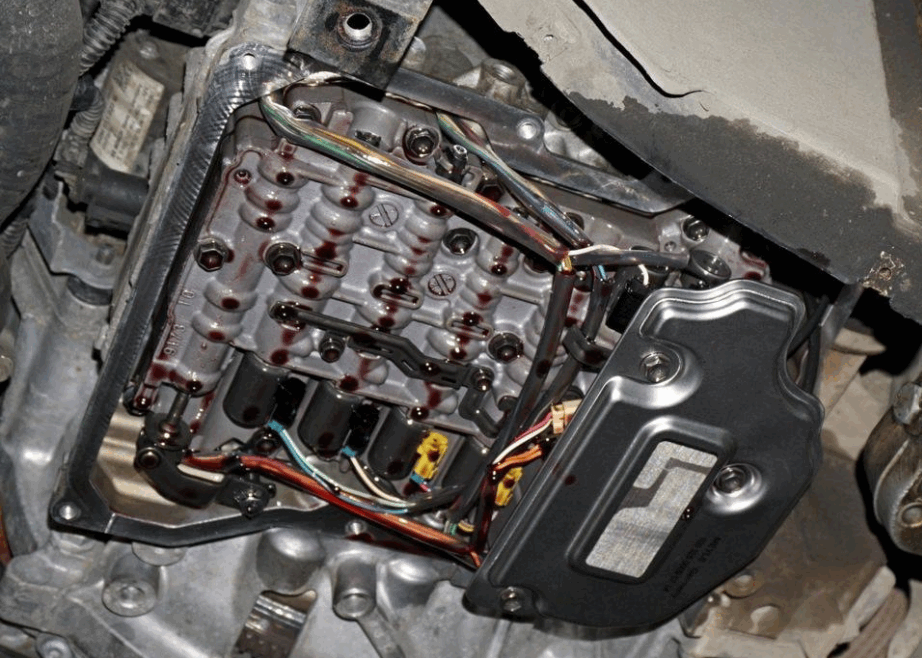
What Are the Most Common Ram Aisin Transmission Problems?
The Aisin AS69RC transmission delivers excellent durability, but it can still develop mechanical and electronic problems over time. Most issues appear after prolonged towing, high mileage, or inconsistent maintenance. While some problems only reduce driving comfort, others can lead to serious internal damage if left unresolved.
Hard shifting is one of the most common complaints among Ram owners. The transmission may shift aggressively between gears or hesitate before completing a gear change. Worn transmission fluid, valve body wear, outdated software, or failing shift solenoids often trigger this condition. Drivers usually notice the problem during acceleration or when the transmission changes gears under load.
Delayed gear engagement also affects many high-mileage trucks. The transmission may pause for several seconds before shifting into Drive or Reverse after the gear selector moves. Low hydraulic pressure, internal seal wear, or a weak torque converter commonly causes this delay. Ignoring the issue increases clutch wear and accelerates internal transmission damage.
Many owners also report transmission shudder or gear slipping during normal driving. The truck may vibrate while accelerating, struggle to maintain the selected gear, or unexpectedly change gears. These symptoms often indicate torque converter wear, deteriorated clutch packs, or contaminated transmission fluid. Continuing to drive under these conditions increases heat and places additional stress on internal components.
Overheating remains another major concern for trucks that regularly tow heavy trailers. High operating temperatures reduce fluid lubrication and speed up component wear. As heat builds inside the transmission, owners may notice warning messages, reduced performance, or limp mode activation. The transmission enters this protective mode to prevent further damage until operating conditions return to normal.
Not every transmission symptom indicates complete failure. Many Ram Aisin transmission problems begin as minor hydraulic, electrical, or maintenance-related issues. Identifying the root cause early often reduces repair costs and prevents extensive damage to critical transmission components.
What Symptoms Indicate a Failing Ram Aisin Transmission?
A failing Ram Aisin transmission usually shows clear warning signs before a major breakdown occurs. Most symptoms develop gradually instead of appearing overnight. Recognizing these changes early helps prevent expensive repairs and extends the transmission’s service life.
Hard or delayed shifting is often the first symptom drivers notice. The transmission may hesitate before changing gears or shift with a noticeable jolt. These problems usually occur during acceleration, deceleration, or when selecting Drive or Reverse. Worn transmission fluid, low hydraulic pressure, or valve body wear commonly causes this behavior.
Gear slipping is another common indicator of internal transmission wear. Engine speed may increase without a matching rise in vehicle speed. In some cases, the transmission shifts unexpectedly or struggles to stay in the selected gear. Worn clutch packs, a damaged torque converter, or low fluid pressure often creates these symptoms.
Many owners also experience transmission shudder during light acceleration or while towing. The truck may produce a vibration that feels similar to driving over rough pavement. A failing torque converter clutch or contaminated transmission fluid frequently causes this condition. The vibration usually becomes more noticeable as the transmission reaches operating temperature.
Dashboard warning lights can also indicate transmission problems. The Check Engine Light or a transmission warning message often appears when the control module detects abnormal operating conditions. Diagnostic trouble codes provide valuable information and help technicians identify electrical faults, pressure issues, or sensor failures before disassembly begins.
Overheating is another symptom that owners should never ignore. High transmission temperatures reduce fluid performance and increase internal friction. As temperatures continue to rise, the transmission may enter limp mode to protect critical components. The truck limits power and restricts gear selection until the transmission cools down.
Fluid leaks also deserve immediate attention. Healthy transmission fluid appears clean and has a bright red color. Dark fluid, a burnt smell, or leaks beneath the vehicle often indicate excessive heat or internal wear. Addressing these symptoms early reduces the risk of complete transmission failure and lowers long-term repair costs.
What Causes Ram Aisin Transmission Problems?
Several factors contribute to Ram Aisin transmission problems. Most failures develop over time instead of resulting from a single defective component. Regular maintenance, driving habits, and operating conditions all influence transmission performance and service life.
Degraded transmission fluid is one of the leading causes of transmission failure. Automatic transmission fluid lubricates internal components, transfers hydraulic pressure, and removes heat from the system. As the fluid ages, it loses its protective properties and collects debris from normal wear. Dirty fluid increases friction, reduces hydraulic efficiency, and accelerates damage to internal parts.
Excessive heat also shortens transmission life. Heavy towing, steep grades, stop-and-go traffic, and overloaded trucks generate additional heat inside the transmission. High temperatures break down transmission fluid more quickly and reduce its ability to protect clutch packs, bearings, and seals. Continuous overheating often leads to premature component failure.
Valve body wear can also create shifting problems. The valve body controls hydraulic pressure and directs transmission fluid through different passages. As internal valves wear, pressure becomes unstable and gear changes become less consistent. Drivers may notice delayed shifts, harsh engagement, or gear hunting during normal driving.
Electronic components also play an important role. The Transmission Control Module continuously monitors vehicle speed, engine load, and throttle position to determine the correct shift timing. Outdated software, faulty sensors, or damaged shift solenoids can interrupt this process. These faults often trigger warning lights, abnormal shifting behavior, or limp mode.
Mechanical wear becomes more common as mileage increases. Clutch packs, seals, bearings, and the torque converter gradually lose efficiency after years of heavy use. Frequent towing, aggressive acceleration, and delayed maintenance place even greater stress on these components. As wear increases, the transmission becomes less responsive and more vulnerable to expensive internal damage.
Most Ram Aisin transmission problems develop from several contributing factors rather than a single cause. Routine fluid service, proper cooling, and early diagnosis reduce unnecessary wear and help the transmission operate reliably for many years.
How Can You Diagnose Ram Aisin Transmission Problems?
Accurate diagnosis is the first step toward fixing Ram Aisin transmission problems. Many symptoms resemble engine or drivetrain issues, so replacing parts without proper testing often wastes time and money. A systematic inspection helps identify the actual cause before repairs begin.
Start by observing how the transmission behaves during normal driving. Pay attention to hard shifting, delayed engagement, gear slipping, or unusual vibrations. Notice whether the problem appears only when the transmission is cold or after it reaches operating temperature. This information helps narrow down possible mechanical or electronic faults.
Next, inspect the transmission fluid. Healthy fluid has a bright red color and a clean appearance. Dark fluid, metal particles, or a burnt smell usually indicate excessive heat or internal wear. Low fluid levels can also reduce hydraulic pressure and create shifting problems. Correcting the fluid level may improve performance, but contaminated fluid often requires a complete service.
Scanning the vehicle for diagnostic trouble codes provides another important step. The Transmission Control Module records faults related to sensors, shift solenoids, pressure control, and communication systems. These codes help technicians locate electrical problems without disassembling the transmission. However, fault codes should always support the physical inspection instead of replacing it.
If the initial inspection does not reveal the problem, technicians often perform additional hydraulic and mechanical tests. They may measure transmission pressure, inspect the valve body, or evaluate torque converter performance. These procedures confirm whether the issue comes from internal wear or a faulty control component.
Early diagnosis prevents minor problems from becoming major repairs. Addressing abnormal symptoms as soon as they appear reduces internal damage, lowers repair costs, and helps the Aisin AS69RC transmission deliver reliable performance for many more miles.
How Do You Fix Common Ram Aisin Transmission Problems?
The best repair depends on the root cause of the transmission problem. Some issues require only routine maintenance, while others demand major mechanical repairs. An accurate diagnosis helps avoid unnecessary expenses and restores normal transmission performance more efficiently.
Replacing old transmission fluid is often the first solution. Fresh fluid restores proper lubrication, improves hydraulic pressure, and removes contaminants that interfere with gear changes. Many shifting complaints improve after a complete fluid and filter service, especially when the problem develops during the early stages of wear.
Software updates can also resolve certain transmission concerns. Ram periodically releases Transmission Control Module calibrations that improve shift quality and correct known programming issues. Updating the software may eliminate delayed shifting, harsh gear changes, or unnecessary limp mode activation without replacing any mechanical components.
Some repairs require replacing worn parts inside the transmission. Faulty shift solenoids, damaged valve bodies, and worn torque converters commonly cause persistent shifting problems. Replacing these components restores hydraulic control and improves overall transmission operation. Addressing these faults early often prevents additional damage to clutch packs and other internal parts.
Severe internal wear may require a complete transmission rebuild. Worn clutch packs, damaged bearings, broken seals, or excessive metal contamination usually indicate extensive mechanical failure. A professional rebuild replaces damaged components and restores the transmission to proper operating condition. In cases where the housing or major assemblies suffer significant damage, installing a remanufactured transmission may provide a more reliable long-term solution.
After completing any repair, technicians should verify transmission performance through a road test and a diagnostic scan. Confirming proper shift timing, stable operating temperatures, and normal hydraulic pressure ensures the repair fully resolves the original problem. Regular maintenance after the repair also helps prevent future transmission failures and extends the service life of the Aisin AS69RC transmission.
Which Ram Model Years Experience the Most Transmission Problems?
Ram trucks equipped with the Aisin AS69RC transmission have earned a strong reputation for durability. However, some model years receive more owner complaints than others. In most cases, the problems relate to software calibration, heavy-duty use, or maintenance history instead of a widespread design defect.
Early fourth-generation Ram trucks introduced the Aisin transmission to support higher towing capacities and increased engine torque. Some owners of these early models reported harsh shifting, delayed gear engagement, and inconsistent shift quality. Manufacturers addressed many of these concerns through software updates that improved transmission control and shift timing.
Model years produced between 2019 and 2022 generally demonstrate better overall reliability. Ram refined the transmission control strategy and introduced updated calibrations to improve performance under varying driving conditions. Even so, trucks that tow heavy trailers on a regular basis may still experience accelerated wear if owners delay fluid service or ignore overheating.
The condition of the truck often matters more than the model year. A well-maintained Ram with high mileage usually performs better than a newer truck that has missed routine maintenance. Regular transmission fluid changes, cooling system inspections, and prompt repairs significantly reduce the risk of premature transmission failure.
Owners should also review the vehicle’s service history before purchasing a used Ram truck. Maintenance records reveal whether the transmission received scheduled fluid changes, software updates, and previous repairs. A professional pre-purchase inspection can identify fluid contamination, abnormal shifting behavior, or stored diagnostic codes that may indicate hidden transmission problems.
No specific Ram model year guarantees transmission failure or perfect reliability. Driving habits, towing frequency, maintenance quality, and operating conditions have a much greater impact on the long-term performance of the Aisin AS69RC transmission. Choosing a well-maintained truck and following the recommended service schedule remain the most effective ways to avoid costly transmission repairs.
How Reliable Is the Ram Aisin Transmission Compared With the 68RFE?
The Aisin AS69RC and the 68RFE are both popular automatic transmissions used in Ram heavy-duty trucks. Although both units support the 6.7L Cummins diesel engine, they target different applications. The Aisin transmission focuses on maximum towing capability and heavy commercial use, while the 68RFE suits drivers who prioritize lower ownership costs and lighter workloads.
The Aisin AS69RC generally offers greater durability under heavy loads. It features stronger internal components and higher torque capacity, making it the preferred choice for trucks that frequently tow large trailers or carry heavy payloads. Many commercial operators choose the Aisin because it maintains consistent performance during demanding towing conditions.
The 68RFE performs well in everyday driving but typically requires more attention when used for continuous heavy towing. Owners often report valve body wear, clutch failures, and shifting concerns after prolonged operation under high loads. While the Aisin transmission can also develop similar problems, it usually withstands heavy-duty use more effectively when owners follow the recommended maintenance schedule.
Maintenance costs also differ between the two transmissions. The Aisin AS69RC uses specialized components and transmission fluid, so routine service and major repairs often cost more than those for the 68RFE. However, many owners accept the higher maintenance expense because the transmission provides better durability and a longer service life in demanding applications.
Neither transmission is completely free from problems. Poor maintenance, overheating, contaminated fluid, and aggressive driving habits reduce the lifespan of both units. Regular fluid changes, proper cooling, and early diagnosis remain the most effective ways to improve long-term reliability regardless of the transmission model.
The better transmission ultimately depends on how the truck is used. Drivers who tow heavy equipment on a regular basis often benefit from the strength of the Aisin AS69RC. Owners who use their trucks primarily for daily driving or moderate towing may find the 68RFE offers a practical balance between performance, maintenance costs, and overall reliability.
How Can You Prevent Future Ram Aisin Transmission Problems?
Preventive maintenance is the most effective way to reduce the risk of Ram Aisin transmission problems. Although the AS69RC transmission is built for heavy-duty performance, it still requires regular service to maintain smooth operation and long-term reliability. Following the recommended maintenance schedule helps protect internal components and reduces the likelihood of expensive repairs.
Changing the transmission fluid at the correct interval is one of the most important maintenance tasks. Fresh fluid provides proper lubrication, maintains hydraulic pressure, and removes heat from internal components. Over time, the fluid collects debris and loses its protective properties. Replacing old fluid before it deteriorates helps minimize clutch wear and improves overall shift quality.
Keeping transmission temperatures under control also extends service life. Heavy towing, steep grades, and high ambient temperatures place additional stress on the transmission. Drivers should avoid exceeding the truck’s rated towing capacity and ensure the transmission cooling system remains clean and operates correctly. Lower operating temperatures slow fluid degradation and reduce internal wear.
Driving habits also influence transmission longevity. Smooth acceleration, gradual braking, and allowing the transmission to complete each gear change reduce unnecessary stress on clutch packs and hydraulic components. Aggressive driving and rapid throttle changes increase heat generation and accelerate mechanical wear, especially when towing heavy loads.
Routine inspections help identify small problems before they become major failures. Owners should check for fluid leaks, unusual noises, warning lights, and changes in shift quality during normal driving. Addressing these symptoms early often prevents internal damage and lowers long-term repair costs.
Consistent maintenance, responsible driving habits, and early diagnosis provide the best protection against transmission failure. With proper care, the Ram Aisin AS69RC transmission can deliver dependable performance for hundreds of thousands of miles, even under demanding towing and commercial operating conditions.
Conclusion
The Ram Aisin AS69RC transmission remains one of the most capable automatic transmissions available for heavy duty pickup trucks. Its strong internal design allows it to handle high torque, demanding towing conditions, and commercial workloads with confidence. However, like any complex mechanical system, it still requires proper maintenance and timely repairs to deliver consistent long term performance.
Most Ram Aisin transmission problems begin with small warning signs such as hard shifting, delayed gear engagement, transmission shudder, overheating, or fluid contamination. Identifying these symptoms early allows owners to correct minor issues before they develop into costly internal failures. Regular fluid service, software updates, and routine inspections also play an important role in extending transmission life.
Buying a Ram truck equipped with the Aisin AS69RC should not depend only on the model year. A complete maintenance history, proper servicing, and careful driving habits have a much greater impact on long term reliability than production date alone. Trucks that receive regular maintenance often provide dependable performance well beyond 200,000 miles.
If your truck begins showing unusual transmission behavior, schedule a professional inspection as soon as possible. Early diagnosis reduces repair costs, improves driving safety, and helps preserve the performance that makes the Ram Aisin AS69RC transmission a trusted choice for heavy duty towing and everyday work.