Seeing the “Mitsubishi Airbag System Service Required” warning message appear on your dashboard can be alarming, especially if your vehicle seems to be driving normally. While it may be tempting to ignore the notification and continue your daily commute, this warning should never be taken lightly. The airbag system, also known as the Supplemental Restraint System (SRS), plays a critical role in protecting occupants during a collision. If the system detects a fault, it may not function properly when you need it the most.
Many Mitsubishi owners are left wondering whether it is still safe to drive, what exactly triggered the warning, and how much the repair might cost. In some cases, the issue could be something relatively simple, such as a loose connector beneath the seat. In other situations, it may involve a faulty crash sensor, a damaged clock spring, or a malfunctioning SRS control module that requires professional attention.
In this guide, we will explain what the Mitsubishi Airbag System Service Required message means, explore the most common causes behind it, and provide practical solutions to help you address the problem quickly and safely. By understanding the warning signs early, you can avoid unnecessary expenses while ensuring that your vehicle’s most important safety features remain fully operational.
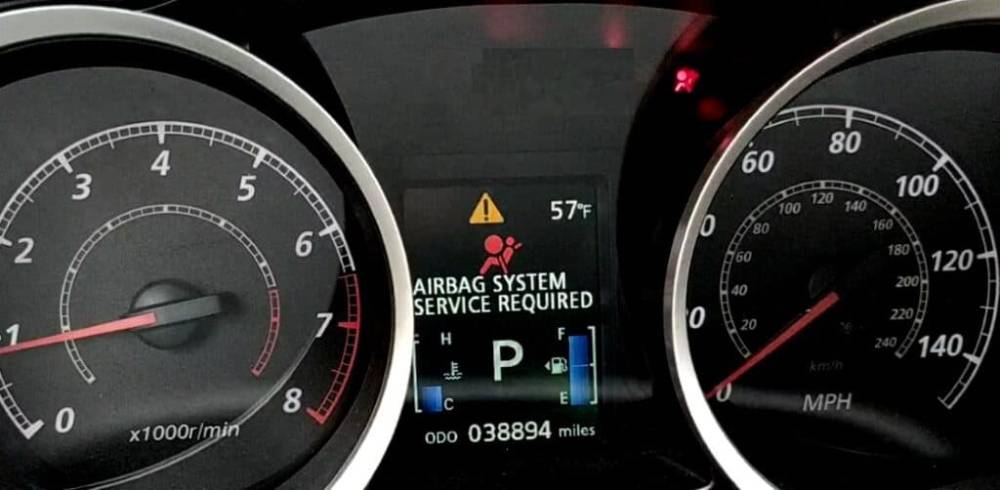
What Does “Mitsubishi Airbag System Service Required” Mean?
The “Mitsubishi Airbag System Service Required” warning indicates that the vehicle’s Supplemental Restraint System has detected a fault that requires inspection and repair. The SRS is designed to work alongside seat belts to reduce the risk of serious injury during a collision. When one or more components within this system fail to operate correctly, the warning message appears on the instrument cluster to alert the driver.
The airbag system in Mitsubishi vehicles consists of several interconnected components, including front and side airbags, crash sensors, seat belt pretensioners, the SRS control module, wiring harnesses, and the steering wheel clock spring. These parts continuously communicate with one another. If the control module detects abnormal resistance, communication errors, or component failures, it stores a diagnostic trouble code and triggers the warning message.
Although the vehicle may continue to drive normally, the presence of this warning means the airbag system cannot be guaranteed to function as intended during an accident. Depending on the nature of the fault, one or more airbags may fail to deploy, or the system could disable itself entirely as a safety precaution.
Understanding the meaning behind this warning is the first step toward protecting yourself and your passengers. Ignoring it for an extended period increases the risk of compromised safety in the event of a collision. Prompt diagnosis and repair are essential to restore the full functionality of the SRS system.
Is It Safe to Continue Driving?
One of the most common questions Mitsubishi owners ask after seeing this warning is whether they can continue driving their vehicle safely. The answer depends on what you mean by “safe.”
From a mechanical standpoint, the engine, transmission, brakes, and steering systems are typically unaffected by an SRS fault. In most cases, the vehicle remains operational, allowing you to drive it to work, home, or a repair facility without experiencing performance issues.
However, the concern lies in the vehicle’s ability to protect occupants during an accident. If the airbag warning message is active, the system may not deploy the airbags correctly when a collision occurs. Since airbags are designed to supplement seat belts and reduce the severity of injuries, driving with a malfunctioning SRS system means accepting an increased level of risk.
For this reason, it is not advisable to ignore the warning or postpone repairs indefinitely. If the warning appears while driving, avoid panic and continue operating the vehicle cautiously. Schedule a professional inspection as soon as possible to identify the root cause of the issue.
If the warning is accompanied by other electrical problems, unusual dashboard behavior, or evidence of previous collision damage, the vehicle should be evaluated immediately. Addressing the problem early often results in simpler repairs and lower costs while ensuring your safety systems remain ready when you need them most.
Common Causes of the Mitsubishi Airbag System Service Required Warning
Several factors can trigger the airbag warning message in Mitsubishi vehicles. Some issues are minor and inexpensive to resolve, while others require specialized diagnostic equipment and professional repairs.
One of the most common causes is a loose or damaged connector beneath the front seats. Since wiring associated with seat belt pretensioners often passes under the seats, repeatedly moving the seats backward and forward can stress these connections over time.
Another frequent culprit is a weak or recently replaced battery. The SRS control module is sensitive to voltage fluctuations. A sudden drop in voltage during battery replacement or a failing battery can generate fault codes that activate the warning light.
A faulty crash sensor may also be responsible. These sensors monitor impact forces and provide critical information to the control module. Exposure to moisture, age-related wear, or previous accidents can affect their performance.
Problems involving the steering wheel clock spring are also relatively common. The clock spring maintains electrical connections between the steering wheel and various systems, including the driver’s airbag. When it fails, drivers may notice additional symptoms such as a non-functioning horn or steering wheel control buttons.
In more serious cases, the issue may stem from a malfunctioning SRS control module. This component serves as the brain of the airbag system, processing information from sensors and determining when airbags should deploy. Damage caused by water intrusion, electrical faults, or unresolved crash data can compromise its operation.
Finally, vehicles that have been involved in previous accidents may develop SRS issues if repairs were incomplete or improperly performed. Failure to replace deployed components or reset the control module correctly can lead to persistent warning messages long after the collision occurred.
Identifying the exact cause requires a proper diagnostic scan capable of reading manufacturer-specific SRS codes. Because multiple issues can produce similar warning symptoms, accurate diagnosis is crucial to avoid unnecessary repairs and expenses.
How to Diagnose the Problem Correctly
When the Mitsubishi Airbag System Service Required warning appears, identifying the exact cause is essential before replacing any parts. Since the SRS consists of multiple interconnected components, guessing which part has failed can lead to unnecessary expenses and prolonged safety risks.
The first step is to pay attention to any additional symptoms. If the horn stops working or steering wheel controls become unresponsive, the clock spring may be faulty. If the warning appeared shortly after replacing the battery, voltage instability could be the underlying cause. Likewise, if the vehicle has a history of collision repairs, previously damaged SRS components should be considered during the inspection process.
The most reliable method of diagnosis involves using a professional scan tool capable of reading manufacturer specific SRS fault codes. Standard OBD II scanners often focus on engine related issues and may not provide access to airbag system data. A compatible diagnostic tool can retrieve stored codes from the SRS control module, helping technicians pinpoint the affected component.
After identifying the fault code, a physical inspection should be performed. Wiring connections under the seats should be checked for looseness, corrosion, or damage. The condition of the battery and charging system should also be evaluated to rule out voltage related problems. Depending on the code retrieved, additional testing of crash sensors, seat belt pretensioners, or the clock spring may be required.
Accurate diagnosis is critical because replacing parts without confirming the source of the problem can increase repair costs significantly. A systematic approach ensures that only defective components are repaired or replaced, restoring the system’s reliability and maintaining occupant safety.
How to Fix the Mitsubishi Airbag System Service Required Warning
The appropriate repair depends entirely on the root cause of the warning message. In some situations, the solution is simple and inexpensive. In others, specialized repairs may be necessary.
If the issue is caused by a loose seat connector, securing the connection and cleaning any corrosion may resolve the problem. Once the repair is completed, the stored fault code must typically be cleared using a diagnostic scanner to confirm that the system is functioning correctly.
If testing reveals a weak battery or charging system issue, replacing the battery or addressing alternator related problems may eliminate the warning. Stable electrical performance is essential for the proper operation of sensitive safety systems such as the SRS.
A damaged clock spring will usually require replacement. Since this component maintains electrical continuity while allowing the steering wheel to rotate, proper installation is important to prevent additional issues affecting the driver’s airbag or steering wheel controls.
Faulty crash sensors or seat belt pretensioners should be replaced according to manufacturer specifications. These components play a vital role in determining how the restraint system responds during a collision, making professional installation highly recommended.
In cases involving a defective SRS control module, technicians may need to reset crash data, reprogram the module, or replace it entirely. Vehicles that have been involved in previous accidents often require this type of service to restore the airbag system to normal operation.
Because the airbag system is directly related to passenger safety, do it yourself repairs should only be attempted when the individual possesses the necessary expertise and diagnostic equipment. For most vehicle owners, seeking assistance from a qualified technician remains the safest option.
Estimated Repair Costs
The cost of resolving a Mitsubishi Airbag System Service Required warning can vary depending on the affected component, labor rates in your area, and the specific Mitsubishi model you own. Understanding potential expenses in advance can help you make informed decisions and avoid unexpected financial surprises.
Diagnostic inspections are usually the first expense. Many repair facilities charge between 30 and 80 dollars to perform a comprehensive SRS scan and identify the stored fault codes. While this may seem like an added cost, accurate diagnosis often prevents unnecessary replacement of functioning parts.
Repairing or reconnecting loose seat wiring is generally among the least expensive fixes, with costs ranging from 20 to 100 dollars. If the issue involves the steering wheel clock spring, replacement expenses may fall between 150 and 400 dollars, depending on parts availability and labor requirements.
Replacing a faulty crash sensor may cost approximately 100 to 300 dollars, while resetting crash data within the SRS control module often ranges from 50 to 150 dollars. However, if the control module itself requires replacement, total expenses can increase substantially, sometimes reaching 300 to 800 dollars or more.
Additional costs may arise if seat belt pretensioners, wiring harnesses, or multiple SRS components have been damaged as a result of a previous accident. Vehicles repaired using genuine Mitsubishi parts may also involve higher expenses compared with aftermarket alternatives.
Although repair costs can seem significant, delaying necessary work on the airbag system may compromise the protection provided during a serious collision. Investing in timely repairs helps ensure that your Mitsubishi continues to deliver the level of safety it was originally engineered to provide.
How to Prevent Airbag System Problems in the Future
While not every SRS malfunction can be avoided, proper vehicle maintenance can significantly reduce the likelihood of encountering the Mitsubishi Airbag System Service Required warning. Taking a proactive approach to vehicle care not only helps preserve the reliability of the airbag system but also contributes to the overall safety of everyone inside the vehicle.
Regular inspections should be part of your routine maintenance schedule. During service visits, ask technicians to check for signs of damaged wiring, loose connectors, or unusual warning lights that may indicate early stage electrical issues. Identifying these problems before they worsen can prevent more expensive repairs later.
Battery health is another important factor. Since the SRS control module depends on a stable electrical supply, replacing aging batteries before they fail and ensuring that charging system components are functioning correctly can minimize voltage related faults. If a battery replacement is necessary, following the correct procedures helps reduce the risk of triggering unnecessary warning messages.
Vehicle owners should also exercise caution when adjusting or removing seats. Repeated movement or improper handling may place stress on wiring connectors located beneath the seats. If interior modifications are performed, ensuring that all electrical connections remain secure is essential.
After any collision, even one that appears minor, the airbag system should be inspected thoroughly by qualified professionals. Hidden damage to crash sensors, pretensioners, or the SRS control module may not be immediately obvious but can affect the system’s performance during future accidents.
By combining regular maintenance with prompt attention to warning signs, Mitsubishi owners can help ensure that their airbag systems remain dependable and fully prepared to provide protection when it matters most.
Frequently Asked Questions
Can I continue driving if the Mitsubishi Airbag System Service Required warning is on?
In most cases, the vehicle will continue to operate normally from a mechanical perspective. However, the warning indicates that the Supplemental Restraint System may not function correctly during an accident. Although short distance driving to a repair facility is generally possible, scheduling an inspection as soon as possible is strongly recommended.
Can I reset the airbag warning light myself?
Resetting the warning light without correcting the underlying issue is not advisable. While certain scan tools can clear SRS fault codes, the warning will often return if the root cause remains unresolved. Accurate diagnosis should always come before attempting a reset.
What is the most common cause of this warning?
Loose wiring connections beneath the seats and battery related voltage fluctuations are among the most frequently reported causes. However, defective crash sensors, clock spring failures, and SRS control module issues can also trigger the warning message.
How long does it take to repair an SRS fault?
The repair time depends on the complexity of the issue. Simple fixes involving wiring adjustments may take less than an hour, while replacing major components or diagnosing intermittent faults could require several hours or multiple visits to a repair facility.
Will the airbags deploy unexpectedly because of the warning?
In most situations, an active warning light indicates that the system has detected a fault and may disable certain functions as a protective measure. Unexpected deployment is uncommon. Nevertheless, professional diagnosis is necessary to confirm the condition of the system.
Does insurance cover airbag system repairs?
Coverage varies depending on the reason for the repair and the terms of the insurance policy. Damage resulting from a covered collision claim may qualify for reimbursement, whereas wear related failures often fall under the owner’s responsibility. Reviewing your policy details or contacting your insurance provider can provide clarification.
Conclusion
The appearance of the Mitsubishi Airbag System Service Required warning should never be ignored. Although your vehicle may continue to drive normally, the message serves as an indication that one of its most important safety systems requires immediate attention. Because airbags and seat belt pretensioners are designed to reduce the severity of injuries during a collision, ensuring that these components operate correctly is essential for the protection of both drivers and passengers.
As discussed throughout this guide, the warning can stem from a variety of causes ranging from simple electrical connection issues to more complex problems involving crash sensors, clock springs, or the SRS control module. The key to resolving the issue efficiently lies in obtaining an accurate diagnosis rather than replacing components based on assumptions.
Timely repairs not only restore the functionality of the airbag system but may also help prevent more extensive damage and higher repair costs in the future. Whether the solution involves reconnecting a loose wire or replacing a critical safety component, addressing the problem promptly demonstrates a commitment to responsible vehicle ownership.
If your Mitsubishi displays the Mitsubishi Airbag System Service Required message, do not postpone inspection and repairs. Consulting a qualified technician and restoring the system to proper working condition can provide peace of mind, knowing that your vehicle is prepared to protect you and your loved ones when every second counts.