A Mercedes that shifts harshly or suddenly enters limp mode can worry any driver. Many owners immediately fear complete transmission failure. However, that is not always the case. When a scanner displays the Mercedes P0715 code, the problem usually involves the transmission input speed sensor circuit. In many situations, a damaged wire, poor electrical connection, or faulty sensor causes the warning. Learning what this code means helps you avoid unnecessary repairs and expensive mistakes.
The transmission control module stores the Mercedes P0715 code after detecting an abnormal signal from the input speed sensor circuit. This sensor monitors the rotational speed entering the transmission. It continuously sends data to the control module, which uses the information to calculate shift timing and verify gear ratios. As a result, the transmission can deliver smooth gear changes under different driving conditions. If the signal becomes weak, intermittent, or disappears, the control module can no longer calculate transmission operation correctly.
Drivers often notice several warning signs after the Mercedes P0715 code appears. The transmission may shift roughly, hesitate during acceleration, or remain in a single gear. In some cases, the vehicle enters limp mode to protect important transmission components. The Check Engine Light may also illuminate. Although these symptoms can feel serious, they do not automatically indicate internal transmission failure. Electrical faults account for many cases, so technicians should complete a proper diagnosis before replacing expensive components.
This guide explains everything you need to know about the Mercedes P0715 code. You will learn its meaning, common symptoms, possible causes, diagnostic procedures, repair options, and estimated repair costs. You will also discover whether it is safe to continue driving and how to prevent the code from returning. By following a logical diagnostic process, you can identify the real fault and choose the most effective repair solution.
What Does the Mercedes P0715 Code Mean?
The Mercedes P0715 code indicates that the transmission control module has detected a problem in the input speed sensor circuit. This sensor measures the rotational speed of the transmission input shaft and sends that information to the control module. The module compares the sensor signal with engine speed and output shaft speed to determine when the transmission should change gears. When the signal becomes inaccurate or disappears, the system cannot calculate transmission performance correctly. As a result, it stores the diagnostic trouble code and may activate a protective operating mode.
Although many drivers associate the Mercedes P0715 code with a failed transmission, the code itself does not confirm mechanical damage. Instead, it reports that the control module has identified an abnormal electrical signal. Several conditions can trigger this fault. A defective input speed sensor, damaged wiring, loose connectors, corrosion, or an internal transmission problem may all produce the same diagnostic code. For this reason, technicians should always verify the source of the fault before replacing any components.
The input speed sensor performs an essential role during normal driving. It continuously reports how fast the transmission input shaft rotates while the engine delivers power through the torque converter. The control module combines this information with data from other sensors to calculate gear ratios and adjust shift timing. Accurate speed data allows the transmission to deliver smooth acceleration, efficient fuel consumption, and consistent performance under different driving conditions.
When the control module receives an unstable or missing signal, it can no longer manage the transmission with confidence. The vehicle may shift harshly, hesitate during acceleration, or enter limp mode to reduce the risk of further damage. In many cases, the Check Engine Light also appears to alert the driver that the transmission requires attention. Although these symptoms may seem severe, many vehicles only require electrical repairs instead of a complete transmission replacement.
It is also important to understand that the exact location of the input speed sensor varies between Mercedes models and transmission designs. Some transmissions use an external sensor that technicians can replace separately. Others integrate the sensor into an internal conductor plate or electronic assembly. Therefore, technicians should always identify the transmission model before beginning any repair procedure. This approach improves diagnostic accuracy and prevents unnecessary replacement of expensive parts.
How the Input Speed Sensor Works in a Mercedes Transmission
The input speed sensor helps the transmission control module understand how the transmission operates in real time. It monitors the rotational speed of the transmission input shaft as power flows from the engine through the torque converter. The sensor then converts this movement into an electrical signal and sends it to the control module. The module analyzes this information many times each second. It also compares the signal with engine speed, output shaft speed, and vehicle speed to control every gear change with precision.
Accurate speed information allows the transmission to respond quickly to changing driving conditions. During gentle acceleration, the control module can select higher gears to improve fuel efficiency. During rapid acceleration, it can delay upshifts to provide stronger performance. The module also adjusts torque converter operation and monitors gear ratios to confirm that every gear engages correctly. Because the transmission relies on continuous sensor feedback, even a small interruption can reduce shift quality and trigger diagnostic trouble codes.
The control module does not rely on the input speed sensor alone. Instead, it compares several sensor signals before making a decision. Engine speed shows how fast the crankshaft rotates, while the output speed sensor measures the speed of the transmission output shaft. By comparing these values, the module can calculate the actual gear ratio and determine whether the transmission operates as expected. If the calculated ratio falls outside the acceptable range, the system recognizes that something is wrong and begins a diagnostic process.
Understanding the difference between the input speed sensor and the output speed sensor is essential during diagnosis. The input speed sensor measures the speed entering the transmission, while the output speed sensor measures the speed leaving the transmission. These two signals work together to help the control module monitor transmission performance. If either signal becomes inaccurate, the module may struggle to calculate gear ratios correctly. As a result, drivers may notice delayed shifts, harsh engagement, reduced performance, or limp mode.
A faulty sensor is not the only reason the Mercedes P0715 code appears. The control module expects a clean and consistent electrical signal at all times. Damaged wiring, poor connector contact, corrosion, fluid contamination, or internal transmission problems can interrupt communication between the sensor and the control module. Therefore, technicians should inspect the complete circuit before replacing any components. A systematic diagnosis saves time, reduces repair costs, and prevents unnecessary transmission repairs.
Common Symptoms of Mercedes P0715
The Mercedes P0715 code can affect transmission performance in several ways. Some drivers notice only the Check Engine Light, while others experience serious shifting problems. The symptoms often depend on the root cause and the severity of the fault. Electrical issues may cause intermittent problems, while internal transmission faults usually create more consistent drivability concerns. Identifying the symptoms early can reduce repair costs and prevent further damage.
One of the most common symptoms is the Check Engine Light. The transmission control module stores the Mercedes P0715 code after detecting an abnormal input speed sensor signal. Many Mercedes models may also display a transmission warning message to alert the driver that the system requires attention.
Harsh shifting, delayed gear changes, and hesitation during acceleration are also common. The control module relies on accurate speed data to determine the correct shift timing. When the signal becomes unreliable, gear changes may feel rough or occur later than expected. In more severe cases, the transmission may enter limp mode and remain in a single gear to protect internal components.
Drivers may also notice poor acceleration or unusually high engine speed before the transmission shifts. Although these symptoms resemble internal transmission failure, they often result from an electrical problem rather than mechanical damage. Damaged wiring, loose connectors, or a faulty input speed sensor can all interrupt communication with the control module.
Because these symptoms can appear gradually or intermittently, a professional diagnosis is essential. A complete inspection of the sensor, wiring, transmission fluid, and related components helps identify the actual cause and prevents unnecessary replacement of expensive transmission parts.
What Causes the Mercedes P0715 Code?
The Mercedes P0715 code appears when the transmission control module detects an abnormal signal from the input speed sensor circuit. Although the code often points to the sensor, it does not confirm that the sensor has failed. Several electrical and mechanical problems can interrupt the signal and trigger the same diagnostic trouble code. Identifying the exact cause requires a complete inspection of the transmission system.
A faulty input speed sensor is one of the most common causes. Over time, heat, vibration, and normal wear can reduce the sensor’s ability to produce a stable signal. When the control module receives inconsistent or missing data, it stores the Mercedes P0715 code and may activate limp mode.
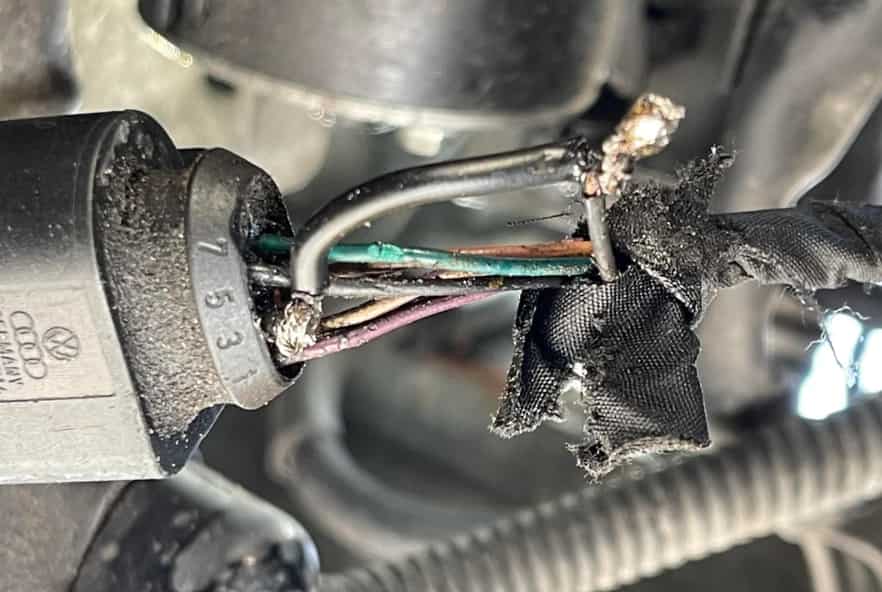
Damaged wiring or poor electrical connections can also create this fault. Broken wires, loose connectors, corrosion, or fluid contamination may interrupt communication between the sensor and the transmission control module. Even a small amount of resistance in the circuit can affect signal quality and lead to incorrect transmission operation.
Some Mercedes transmissions use an internal conductor plate that integrates multiple sensors. If this assembly develops an internal fault, the control module may no longer receive accurate input speed information. However, technicians should confirm the failure through proper testing because not every vehicle with Mercedes P0715 requires conductor plate replacement.
Low or contaminated transmission fluid may also contribute to shifting problems and abnormal sensor readings. Although fluid condition does not usually create an electrical fault by itself, it can affect overall transmission performance and complicate the diagnosis. In rare cases, an internal transmission problem or a faulty transmission control module may also trigger the code. A systematic diagnostic process remains the best way to identify the true cause and avoid unnecessary repairs.
How to Diagnose Mercedes P0715
A proper diagnosis is the most important step when the Mercedes P0715 code appears. Although many drivers suspect a failed transmission, the actual fault may involve a simple electrical issue. Following a logical inspection process helps identify the root cause and prevents unnecessary repairs.
Begin by scanning the vehicle with a Mercedes compatible diagnostic tool. Record the Mercedes P0715 code along with any additional transmission related codes. Freeze frame data and live data provide valuable information because they show the operating conditions when the fault occurred. If several related codes appear together, they may help narrow the diagnosis.
Next, inspect the wiring harness and electrical connectors connected to the transmission. Look for damaged insulation, loose terminals, corrosion, or signs of fluid contamination. A poor electrical connection can interrupt the sensor signal and trigger the same code as a failed sensor. Repairing a damaged connector often solves the problem without replacing expensive components.
After checking the electrical system, inspect the transmission fluid. Confirm that the fluid level is correct and verify that the fluid remains clean and free from excessive debris or a burnt odor. Dirty or degraded fluid does not usually create the Mercedes P0715 code by itself, but it can contribute to poor transmission performance and make diagnosis more difficult.
The next step is to evaluate live sensor data. Compare engine speed, input speed, and output speed while the vehicle operates under different driving conditions. The input speed signal should respond smoothly as engine speed changes. A missing, unstable, or unrealistic reading often indicates a problem within the sensor circuit or an internal transmission component.
If the external inspection reveals no obvious faults, technicians may need to test the input speed sensor circuit with a digital multimeter. They should verify power supply, ground, continuity, and signal integrity according to the manufacturer’s service information. Some Mercedes transmissions integrate the input speed sensor into an internal conductor plate. In these cases, additional inspection may require removal of the transmission oil pan.
After completing all necessary repairs, clear the stored fault codes and perform a road test. Monitor live data throughout the drive to confirm that the input speed signal remains stable and that the transmission shifts normally. If the Mercedes P0715 code does not return, the repair has successfully resolved the fault. If the code reappears, continue testing until every possible electrical and mechanical cause has been eliminated.
How to Fix Mercedes P0715
The correct repair for the Mercedes P0715 code depends entirely on the results of the diagnosis. Replacing parts without testing often wastes time and money because several different faults can trigger the same code. A systematic repair process helps restore normal transmission operation and reduces the chance of recurring problems.
If the inspection identifies damaged wiring or poor electrical connections, repair or replace the affected section of the harness. Clean corroded terminals and secure any loose connectors before clearing the fault code. Even a minor wiring problem can interrupt the input speed sensor signal and cause transmission performance issues.
When testing confirms that the input speed sensor has failed, replace the sensor with a high quality component that meets the manufacturer’s specifications. Some Mercedes models allow technicians to replace the sensor separately, while others integrate it into an internal conductor plate. Always verify the transmission design before ordering replacement parts.
If the conductor plate is defective, replace the complete assembly according to the recommended service procedure. Some vehicles may also require adaptation or programming after installation. Completing every required step helps the transmission control module recognize the new component and restore normal shifting.
Transmission fluid should also receive attention during the repair. Replace contaminated fluid and install a new filter whenever the service schedule or inspection indicates excessive wear. Using the correct fluid specification supports proper transmission performance and helps protect internal components.
After completing the repair, clear all stored diagnostic codes with a compatible scan tool. Perform a thorough road test while monitoring live transmission data. Confirm that the input speed signal remains stable, gear changes occur smoothly, and the Mercedes P0715 code does not return. If the fault reappears, continue the diagnosis instead of replacing additional parts without evidence. A careful repair process provides the best long term solution and helps avoid unnecessary transmission replacement.
Mercedes P0715 Repair Cost
The repair cost for the Mercedes P0715 code varies because several different faults can trigger the same diagnostic trouble code. A simple electrical repair costs far less than replacing major transmission components. For this reason, a complete diagnosis should always come before any repair decision.
The first expense is usually the diagnostic inspection. A qualified technician will scan the transmission control module, review live data, and inspect the wiring, connectors, and transmission fluid. This process identifies the root cause and helps prevent unnecessary part replacement.
If the problem involves damaged wiring or a loose electrical connector, the repair is often straightforward and relatively inexpensive. Replacing an input speed sensor also remains affordable on models that use a separate sensor. However, some Mercedes transmissions integrate the sensor into an internal conductor plate. In these cases, labor costs increase because the technician must remove the transmission oil pan and access internal components.
More serious repairs become necessary when the diagnosis reveals valve body problems, internal transmission damage, or a faulty transmission control module. These repairs require additional labor, specialized equipment, and, in some cases, programming after installation. As a result, the total cost can increase significantly.
Several factors influence the final repair bill. The Mercedes model, transmission type, labor rates, part availability, and regional pricing all affect the total expense. Choosing a repair based only on the fault code can lead to unnecessary costs. A professional diagnosis remains the most effective way to identify the actual problem and avoid replacing expensive transmission components that still function correctly.
Can You Drive With the Mercedes P0715 Code?
You may still be able to drive your vehicle after the Mercedes P0715 code appears, but doing so is not recommended for an extended period. The transmission control module may limit transmission operation to protect internal components when it detects an unreliable input speed sensor signal. As a result, the vehicle may shift poorly, remain in a single gear, or enter limp mode.
If the vehicle continues to accelerate normally and the transmission shifts smoothly, you may be able to drive a short distance to a repair facility. However, avoid long trips, heavy acceleration, towing, or high speed driving until the problem has been diagnosed. These conditions place additional stress on the transmission and may increase the risk of further damage.
Stop driving immediately if the transmission slips, refuses to change gears, produces unusual noises, or displays multiple transmission warning messages. A professional diagnosis will determine whether the fault involves the sensor circuit, wiring, conductor plate, or an internal transmission component.
How to Prevent Mercedes P0715
Preventing the Mercedes P0715 code starts with regular transmission maintenance and routine inspections. Although some electronic components fail because of age or normal wear, many transmission problems develop gradually and can be detected before they become serious. Following the recommended maintenance schedule helps keep the transmission in good condition and reduces the risk of unexpected warning codes.
Always use the transmission fluid specified for your Mercedes model and replace it at the recommended service interval. Clean fluid provides proper lubrication, removes heat, and supports smooth transmission operation. During every transmission service, inspect the fluid for discoloration, a burnt smell, or excessive metal particles. These signs may indicate internal wear that requires further investigation before it leads to more serious damage.
Electrical components also deserve regular attention. Inspect the wiring harness and transmission connectors for corrosion, loose terminals, damaged insulation, or signs of fluid contamination. A secure electrical connection allows the input speed sensor to transmit accurate data to the transmission control module. Repairing minor electrical problems early can prevent intermittent signal loss and reduce the likelihood of storing the Mercedes P0715 code.
Pay close attention to any change in transmission performance. Delayed shifts, harsh gear engagement, hesitation during acceleration, or unexpected warning lights should never be ignored. Scheduling a professional inspection at the first sign of trouble often prevents small issues from becoming expensive repairs.
Finally, use a Mercedes compatible diagnostic scanner whenever the Check Engine Light appears. Reading fault codes early allows technicians to identify developing problems before they affect overall transmission performance. Consistent maintenance, timely inspections, and prompt repairs remain the most effective ways to prevent the Mercedes P0715 code from returning and to extend the service life of your transmission.
Frequently Asked Questions
Is Mercedes P0715 always caused by a bad input speed sensor?
No. A faulty sensor is only one possible cause. Damaged wiring, loose connectors, a defective conductor plate, transmission control module faults, or internal transmission problems can also trigger the Mercedes P0715 code.
Can low transmission fluid cause Mercedes P0715?
Low or contaminated transmission fluid can affect transmission performance and contribute to abnormal operation. However, technicians should also inspect the sensor circuit because fluid condition alone does not usually create this electrical fault.
Will clearing the code fix the problem?
No. Clearing the code only removes the stored fault from the control module. If the underlying problem remains, the Mercedes P0715 code will usually return after the system detects the fault again.
Does Mercedes P0715 mean the transmission must be replaced?
No. Many vehicles require only electrical repairs or sensor replacement. A complete diagnosis should always confirm the cause before anyone considers major transmission repairs.
How serious is the Mercedes P0715 code?
The code should be taken seriously because it can affect shifting performance and vehicle safety. Prompt diagnosis reduces the risk of additional transmission damage and helps prevent unnecessary repair costs.
Conclusion
The Mercedes P0715 code indicates that the transmission control module has detected a problem within the input speed sensor circuit. Although the warning may suggest a serious transmission issue, the actual cause often involves a faulty sensor, damaged wiring, poor electrical connections, or an internal conductor plate rather than complete transmission failure.
A careful diagnostic process provides the best path to an accurate repair. Checking fault codes, reviewing live data, inspecting the wiring, verifying transmission fluid condition, and testing the sensor circuit allow technicians to identify the real source of the problem. This approach prevents unnecessary parts replacement and reduces repair costs.
If your Mercedes displays the Mercedes P0715 code, do not ignore the warning or assume the worst. Schedule a professional inspection as soon as possible and repair the fault before it affects overall transmission performance. Early diagnosis not only restores reliable operation but also helps protect your transmission from more costly damage in the future.