A Mercedes-Benz sunroof is more than just a luxury feature. It enhances the driving experience by bringing natural light into the cabin, improving ventilation, and creating a more open and comfortable atmosphere. Whether equipped with a standard sunroof or a panoramic roof system, Mercedes-Benz vehicles are designed to deliver premium comfort and sophistication.
However, even the most advanced sunroof systems can develop problems over time. Many Mercedes-Benz owners encounter issues such as water leaks, unusual noises, slow operation, or sunroofs that become stuck in the open or closed position. What may initially seem like a minor inconvenience can quickly escalate into a costly repair if left unaddressed. In some cases, a leaking sunroof can cause damage to the headliner, interior electronics, carpets, and other expensive components.
One of the biggest challenges for vehicle owners is identifying the root cause of the problem. A malfunctioning sunroof may be caused by clogged drain tubes, worn tracks, damaged seals, electrical faults, or a failing motor assembly. Understanding these common issues is the first step toward preventing further damage and reducing repair costs.
In this guide, we will explore the most common Mercedes-Benz sunroof problems, their underlying causes, and the most effective repair solutions. Whether you are experiencing a leaking panoramic roof or a sunroof that refuses to operate, this article will help you make informed decisions and protect your investment.
Understanding the Mercedes-Benz Sunroof System
Before diagnosing any sunroof problem, it is important to understand how the Mercedes-Benz sunroof system works. Modern Mercedes-Benz vehicles feature highly engineered sunroof assemblies that combine mechanical components, electrical systems, and advanced control modules to provide smooth and reliable operation.
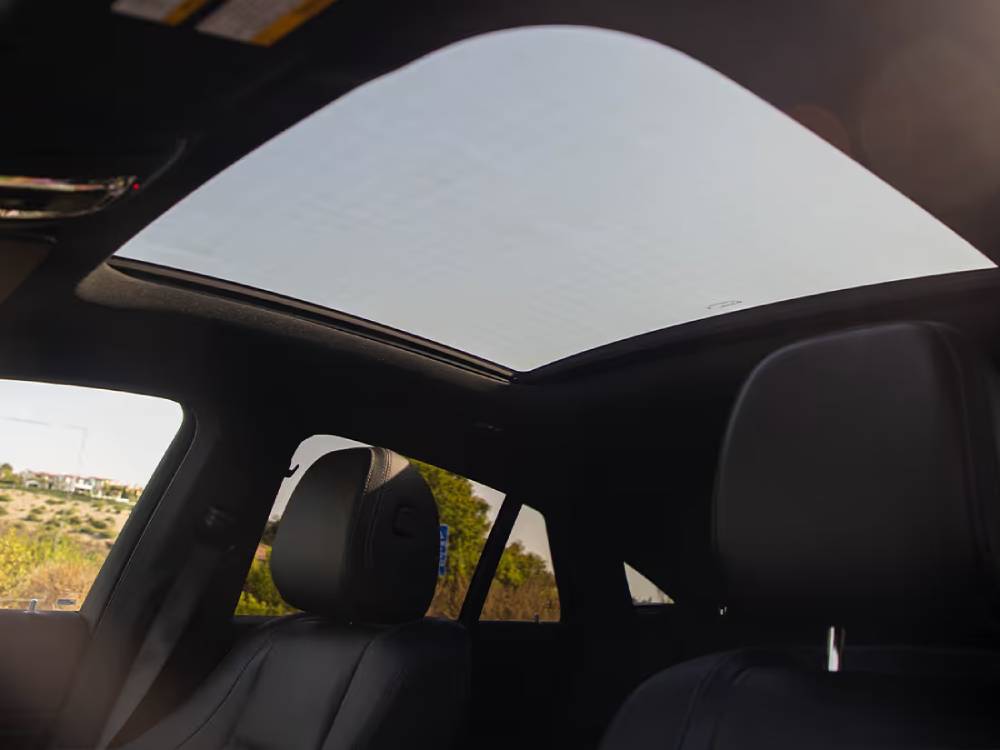
Depending on the model, a Mercedes-Benz may be equipped with either a traditional sunroof or a panoramic sunroof. While a standard sunroof typically consists of a single glass panel, panoramic roof systems feature larger glass sections that extend across a significant portion of the roof, providing a brighter and more spacious cabin experience.
Several key components work together to ensure proper operation. The sunroof motor supplies the power required to move the glass panel. Tracks and guide rails direct the movement of the glass, while cables help maintain alignment during opening and closing. Rubber seals protect the interior from water intrusion, and a drainage system channels rainwater away from the vehicle. Electronic control modules, sensors, and switches manage the entire operation and ensure the system functions safely.
Because these components are interconnected, a failure in one area can affect the performance of the entire system. For example, a clogged drain tube may cause water leaks, while a damaged track can place excessive strain on the motor and eventually lead to motor failure. Understanding these relationships helps owners recognize warning signs early and seek repairs before a minor issue develops into a major expense.
Routine maintenance and timely inspections are essential for keeping the sunroof system functioning properly. By familiarizing yourself with the basic design of the system, you can better understand the causes of common problems and make informed decisions when repairs become necessary.
Most Common Mercedes-Benz Sunroof Problems
Mercedes-Benz sunroof systems are designed for durability, but like any mechanical and electrical component, they are subject to wear and tear over time. Recognizing the most common problems can help prevent further damage and reduce repair costs.
Sunroof Will Not Open or Close
One of the most frequently reported issues is a sunroof that fails to open or close properly. In some cases, the sunroof may not respond at all when the switch is pressed. In others, it may move partially before stopping unexpectedly.
This problem is often caused by a faulty motor, damaged wiring, blown fuses, malfunctioning switches, or software calibration errors within the vehicle’s control system. A professional diagnostic inspection is usually required to determine the exact cause.
Sunroof Stuck Halfway
A sunroof that becomes stuck during operation is another common complaint. Owners may notice jerky movement, resistance, or complete stoppage before the glass reaches its fully open or closed position.
The most common causes include worn tracks, damaged guide rails, debris accumulation, or misaligned components. Dirt and contaminants can gradually build up inside the track assembly, restricting movement and increasing stress on the motor.
Water Leaks
Water leaks are among the most serious sunroof problems because they can affect multiple areas of the vehicle. Drivers may notice water stains on the headliner, damp carpets, moisture around the pillars, or even electrical malfunctions.
Contrary to popular belief, the sunroof itself is not completely waterproof. Mercedes-Benz designs its sunroof systems with drainage channels that direct water away from the cabin. When these drain tubes become clogged with dirt, leaves, or debris, water can overflow into the interior.
Grinding, Clicking, or Popping Noises
Unusual noises during sunroof operation should never be ignored. Grinding, clicking, or popping sounds often indicate mechanical wear within the system.
These noises may result from worn gears, damaged cables, dry tracks, broken guide components, or excessive friction between moving parts. If left untreated, these issues can lead to complete system failure and significantly higher repair costs.
Panoramic Sunroof Motor Failure
Panoramic roofs place greater demands on the motor assembly due to their larger size and increased weight. Over time, the motor may wear out or fail completely.
Common symptoms include slow operation, intermittent movement, unusual noises, or a complete inability to open or close the roof. In many cases, motor replacement is the most effective solution when internal components have reached the end of their service life.
What Causes Mercedes-Benz Sunroof Problems?
Understanding the root causes of sunroof failure can help owners take preventive measures and avoid expensive repairs. While some issues result from normal wear, many problems can be minimized through proper maintenance and early intervention.
Lack of Regular Maintenance
One of the leading causes of sunroof problems is neglecting routine maintenance. Dust, dirt, pollen, and environmental contaminants can accumulate inside the tracks and drainage channels over time. As buildup increases, moving components experience greater resistance, causing premature wear and reducing system efficiency.
Regular cleaning and lubrication help maintain smooth operation and extend the lifespan of critical components.
Clogged Drainage Tubes
Mercedes-Benz sunroof systems rely on drainage tubes to remove rainwater efficiently. These tubes can become blocked by leaves, dirt, insects, or other debris. When water cannot flow through the drainage system properly, it begins to accumulate and eventually enters the cabin.
Water intrusion can damage upholstery, electronic modules, wiring harnesses, and interior trim, leading to repair bills that far exceed the cost of preventive maintenance.
Exposure to Extreme Weather
Environmental conditions play a significant role in sunroof longevity. Continuous exposure to intense sunlight, heavy rainfall, snow, and fluctuating temperatures can accelerate wear on rubber seals and plastic components.
Over time, seals may harden, crack, or shrink, allowing water to penetrate areas that were previously protected. Temperature changes can also cause expansion and contraction of materials, increasing stress on moving parts.
Aging Components
Even with proper maintenance, every mechanical system experiences wear as it ages. Motors, cables, guide rails, gears, and seals gradually deteriorate after years of operation. Older vehicles are more likely to experience component failures simply because parts have reached the end of their expected service life.
Identifying aging components before they fail completely can help prevent more extensive damage.
Improper Repairs or Low-Quality Parts
Previous repair work can sometimes contribute to future problems. Incorrect installation procedures, poor alignment, and low-quality replacement parts may compromise system performance and reliability.
For this reason, many Mercedes-Benz specialists recommend using high-quality OEM or OEM-equivalent components whenever repairs are performed. Proper installation helps ensure smooth operation and reduces the risk of recurring issues.
Mercedes-Benz Models Commonly Affected by Sunroof Problems
While sunroof issues can occur in almost any vehicle equipped with a sunroof system, certain Mercedes-Benz models are more frequently associated with specific problems due to their design, age, or extensive use of panoramic roof systems.
Mercedes-Benz C-Class
The C-Class is one of the brand’s most popular models and is commonly equipped with either a standard sunroof or a panoramic roof. Owners often report drainage issues, clogged water channels, and track wear as the vehicle ages. In some cases, neglected maintenance can result in water leaks that damage interior trim and electronic components located beneath the carpeting.
Mercedes-Benz E-Class
The E-Class combines luxury and advanced technology, which means its sunroof system incorporates multiple electrical and mechanical components. Common complaints include motor failures, calibration issues, and water intrusion caused by deteriorated seals. Because the E-Class contains numerous electronic modules throughout the cabin, even minor leaks should be addressed immediately.
Mercedes-Benz GLC
The GLC is frequently equipped with a panoramic sunroof, making it particularly susceptible to track and guide rail wear. Some owners report clicking noises, uneven movement, or difficulty opening and closing the roof. These symptoms often develop gradually and can worsen if not inspected promptly.
Mercedes-Benz GLE
The larger panoramic roof system found in many GLE models places additional strain on moving components. Over time, guide mechanisms, cables, and motors may experience increased wear. Owners may notice slower operation, unusual sounds, or intermittent functionality before a complete failure occurs.
Mercedes-Benz S-Class
As Mercedes-Benz’s flagship luxury sedan, the S-Class incorporates sophisticated electronic systems and advanced comfort features. Sunroof problems in the S-Class often involve electronic calibration, sensor faults, or control module issues. Because of the complexity of these systems, professional diagnostics are usually required to identify and resolve the underlying cause accurately.
Regardless of the model, routine maintenance remains the most effective way to prevent unexpected failures. Regular inspections can identify early signs of wear before they develop into costly repairs.
Professional Mercedes-Benz Sunroof Repair Solutions
When a Mercedes-Benz sunroof begins to malfunction, professional diagnosis is often the fastest and most cost-effective path to a lasting repair. Modern sunroof systems contain numerous interconnected components, making accurate troubleshooting essential.
Comprehensive Diagnostic Inspection
The repair process typically begins with a detailed inspection. Technicians evaluate both the mechanical and electrical aspects of the system to identify the exact source of the problem. This may include testing switches, motors, wiring, sensors, control modules, and mechanical components such as tracks and cables.
Accurate diagnosis prevents unnecessary parts replacement and helps ensure that the correct repair is performed the first time.
Drain Cleaning and Water Leak Repair
For vehicles experiencing water leaks, technicians usually inspect and clean the drainage system. Specialized tools are used to remove obstructions from drain tubes and verify proper water flow.
If damaged seals or cracked components are discovered, replacement parts may be installed to restore the system’s ability to protect the cabin from moisture intrusion.
Track and Guide Rail Repair
Damaged tracks and guide rails can prevent smooth sunroof operation. Repair procedures may involve cleaning accumulated debris, correcting alignment issues, replacing worn guide components, or installing new track assemblies when damage is extensive.
Restoring proper alignment reduces stress on the motor and helps prevent future failures.
Cable and Mechanism Replacement
Sunroof cables play a critical role in moving the glass panel smoothly along its designated path. Over time, cables may stretch, fray, or break. Replacing worn cables can restore normal operation and eliminate binding or jerky movement.
In some situations, complete mechanism replacement may be necessary if multiple components have suffered significant wear.
Motor Replacement and Electronic Repairs
When the sunroof motor fails, replacement is often required. Technicians may also need to perform electronic calibration procedures to ensure proper communication between the motor, sensors, and control modules.
For vehicles experiencing software-related issues, system updates or recalibration can often resolve operational problems without replacing major components.
Choosing a repair facility with Mercedes-Benz experience is particularly important because specialized diagnostic equipment and manufacturer-specific knowledge can significantly improve repair accuracy and long-term reliability.
Mercedes-Benz Sunroof Repair Costs and Preventive Maintenance Tips
The cost of Mercedes-Benz sunroof repair varies considerably depending on the nature of the problem, the vehicle model, and the extent of component damage. Addressing issues early can often save owners thousands of dollars compared to waiting until a complete system failure occurs.
Minor services such as drain cleaning and basic inspections are typically among the most affordable repairs. These procedures help prevent water damage and maintain proper system performance. Seal replacement generally falls into the moderate repair category and can restore protection against moisture intrusion before significant interior damage develops.
Track repairs, cable replacements, and guide rail repairs tend to be more expensive because they require extensive disassembly of the sunroof assembly. Motor replacement costs may increase further depending on the complexity of the roof system and the labor required to access internal components.
Panoramic roof systems are generally more costly to repair due to their larger size and additional mechanical parts. In severe cases involving extensive structural damage or multiple failed components, complete sunroof replacement may be recommended.
Fortunately, many of these expenses can be avoided through preventive maintenance.
Owners should clean sunroof tracks regularly to remove dirt and debris that can interfere with smooth operation. Drainage channels should be inspected periodically to ensure water can flow freely through the system. Applying manufacturer-approved lubricants to moving components can help reduce friction and extend the lifespan of tracks, cables, and guide mechanisms.
It is also important to pay attention to warning signs. Unusual noises, slow movement, water leaks, or intermittent operation often indicate developing problems that should be inspected immediately. Prompt action can prevent minor issues from escalating into major repairs.
Annual inspections performed by a qualified Mercedes-Benz specialist provide an additional layer of protection. Identifying worn components before they fail can significantly reduce repair costs while helping maintain the comfort, functionality, and value of the vehicle for years to come.
Frequently Asked Questions About Mercedes-Benz Sunroof Repair
Why is my Mercedes-Benz sunroof leaking?
A leaking sunroof is most commonly caused by clogged drain tubes rather than a defective glass panel. Mercedes-Benz sunroof systems are designed with drainage channels that direct water away from the cabin. When these channels become blocked by dirt, leaves, or debris, water can overflow into the interior. Damaged weather seals, cracked drain hoses, or improper previous repairs may also contribute to leaks.
Can a Mercedes-Benz panoramic sunroof be repaired?
Yes. In many cases, a panoramic sunroof can be repaired without replacing the entire assembly. Common repairs include drain cleaning, track repair, cable replacement, motor replacement, seal replacement, and electronic recalibration. A professional inspection is necessary to determine the most cost-effective solution.
Why won’t my Mercedes-Benz sunroof close completely?
A sunroof that stops before fully closing may indicate a track obstruction, misaligned guide rail, damaged cable, faulty motor, or sensor-related issue. Some vehicles may also require electronic recalibration if the system loses its programmed position settings.
How long does a sunroof repair take?
Repair time depends on the complexity of the problem. Basic services such as drain cleaning or calibration may take less than an hour. More extensive repairs involving track replacement, cable installation, or motor replacement can require several hours or even a full day of labor.
Is it safe to drive with a broken sunroof?
While the vehicle may remain drivable, operating it with a damaged or leaking sunroof is not recommended. Water intrusion can damage electronic systems, upholstery, carpeting, and interior trim. If the sunroof is stuck open, weather exposure can create additional risks and increase repair costs.
How can I prevent future sunroof problems?
Regular maintenance is the best form of prevention. Cleaning tracks, inspecting drain tubes, lubricating moving components, and scheduling periodic inspections can significantly reduce the likelihood of major repairs. Addressing unusual noises or operational changes early can also help prevent more serious damage.
Does insurance cover sunroof repair?
Coverage depends on the cause of the damage and the terms of the insurance policy. Damage resulting from accidents, falling objects, or certain weather-related events may be covered, while normal wear and tear is generally considered the owner’s responsibility. Contact your insurance provider for specific coverage details.
Conclusion
A properly functioning sunroof enhances the luxury, comfort, and driving enjoyment that Mercedes-Benz owners expect from their vehicles. However, even the most advanced sunroof systems can develop problems over time due to normal wear, environmental exposure, or lack of maintenance. Issues such as water leaks, stuck panels, motor failures, damaged tracks, and unusual operating noises should never be ignored, as they often signal underlying problems that can become more expensive to repair if left unresolved.
Understanding the most common Mercedes-Benz sunroof problems and their causes allows owners to take proactive steps before significant damage occurs. Routine inspections, regular cleaning of drainage channels, and timely maintenance can help extend the lifespan of the entire system while reducing the risk of costly repairs.
When symptoms such as slow operation, leaking water, clicking noises, or intermittent functionality appear, seeking professional diagnosis is often the best course of action. Experienced technicians can accurately identify the source of the issue and recommend the most effective repair solution, whether it involves cleaning, recalibration, component replacement, or a more comprehensive repair.
Investing in timely Mercedes-Benz sunroof repair not only protects your vehicle’s interior and electronic systems but also preserves the comfort, safety, and value of your luxury vehicle. By addressing minor concerns early and maintaining the system properly, you can enjoy years of reliable sunroof performance and avoid unnecessary repair expenses in the future.