Mercedes-Benz vehicles represent luxury, innovation, and advanced automotive technology. However, even premium vehicles can face technical challenges. Many owners experience Mercedes-Benz Audio System Problems that affect their daily driving experience.
A faulty audio system can create unexpected frustration. Drivers may lose sound from their speakers, experience unstable Bluetooth connections, or deal with an infotainment screen that stops responding. These problems can reduce the comfort and convenience that Mercedes-Benz owners expect from their vehicles.
Many people think audio failures always require expensive repairs. However, several issues come from simple causes. Software errors, outdated system updates, weak battery voltage, and connection problems can all affect audio performance. Finding the correct cause helps owners avoid unnecessary part replacements and costly repairs.
This guide explains the most common Mercedes-Benz Audio System Problems, including sound failures, connectivity issues, MBUX problems, and Burmester system faults. It also covers the causes, symptoms, and practical fixes that can help restore your vehicle’s audio performance.
Whether you drive a Mercedes-Benz C-Class, E-Class, S-Class, GLE, or GLS, understanding these problems can help you maintain your infotainment system and enjoy a better driving experience.
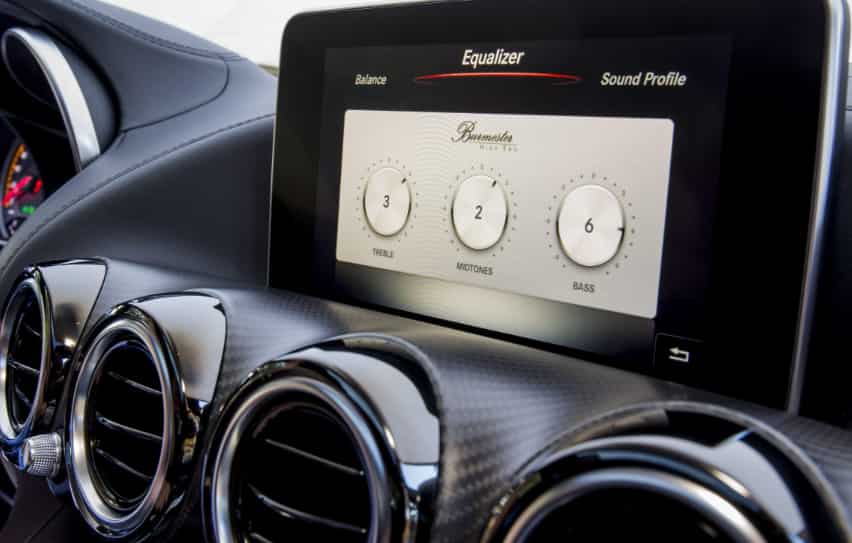
Understanding Mercedes-Benz Audio Systems
Mercedes-Benz uses advanced audio technology to create a premium entertainment experience inside its vehicles. The audio system does more than play music. It connects with navigation, phone calls, voice commands, and other vehicle functions. When one component fails, drivers may notice problems across the entire infotainment experience.
Different Mercedes-Benz models use different audio platforms. Older vehicles often feature the COMAND system, while newer models use the MBUX infotainment system. MBUX provides a faster interface, voice control through the “Hey Mercedes” assistant, smartphone integration, and advanced digital features. However, more technology also creates more opportunities for software and connectivity issues.
The audio system depends on several important components that work together. The head unit controls the main functions and communicates with other vehicle modules. The amplifier increases the audio signal and sends power to the speakers. The speakers produce the final sound output, while connectivity modules manage Bluetooth, Apple CarPlay, and Android Auto connections.
Some Mercedes-Benz vehicles also include the Burmester sound system, which delivers a higher level of audio quality through advanced speakers and tuning technology. While premium systems provide better sound performance, they also include more components that require proper diagnosis when problems appear.
Understanding these components helps owners identify Mercedes-Benz Audio System Problems more accurately. A sound failure does not always mean a damaged speaker. The issue may come from software, electrical connections, the amplifier, or another part of the infotainment system.
Common Mercedes-Benz Audio System Problems and Symptoms
Mercedes-Benz Audio System Problems can appear in many different forms. Some owners notice small issues, such as delayed Bluetooth connections or inconsistent sound quality. Others experience major failures, such as complete audio loss. Understanding the symptoms helps drivers find the right solution before the problem becomes more expensive.
No Sound or Audio Loss
One of the most common Mercedes-Benz Audio System Problems is a complete loss of sound. The infotainment screen may still work, and the radio may still display information, but the speakers produce no audio.
Several factors can cause this issue. A software error may interrupt communication between the infotainment system and audio components. A damaged amplifier may also prevent the speakers from receiving the correct signal. In some cases, a weak battery or electrical issue can affect the audio system performance.
Drivers may also notice missing sounds from specific functions. For example, music may work while navigation instructions or Bluetooth calls remain silent. These differences can help technicians identify the affected component.
Bluetooth and Smartphone Connectivity Problems
Many Mercedes-Benz owners rely on Bluetooth, Apple CarPlay, and Android Auto for daily driving. Connection problems can quickly become frustrating when the system disconnects, fails to recognize a device, or stops playing audio.
Software compatibility often causes these issues. An outdated infotainment system may not communicate properly with newer smartphones. Incorrect pairing settings can also create unstable connections.
Simple solutions often include deleting the existing Bluetooth connection, restarting the device, and pairing the phone again. If the problem continues, the vehicle may need a software update or professional diagnosis.
MBUX and Infotainment System Failures
The MBUX infotainment system offers advanced features, but software problems can affect its performance. Some drivers report frozen screens, slow responses, unexpected restarts, or temporary audio interruptions.
These problems usually relate to software bugs, outdated firmware, or system overload. A basic reset can often restore normal operation. However, repeated failures may require a deeper inspection of the infotainment module.
Speaker and Burmester Sound System Issues
Mercedes-Benz models with the Burmester sound system provide excellent audio quality, but premium components can still develop faults. Common symptoms include distorted sound, weak bass, unusual noise, or one or more speakers stopping completely.
These issues may come from damaged speakers, amplifier problems, or wiring faults. A proper diagnosis helps determine whether the problem affects one component or the entire audio system.
Recognizing these symptoms allows Mercedes-Benz owners to respond quickly. Early troubleshooting can prevent minor audio problems from developing into costly repairs.
What Causes Mercedes-Benz Audio System Problems?
Mercedes-Benz Audio System Problems can develop from different sources. Some failures come from software limitations, while others result from electrical or hardware damage. Finding the correct cause remains the most important step because each problem requires a different repair approach.
Software and Firmware Problems
Modern Mercedes-Benz vehicles depend heavily on software to control audio, navigation, smartphone connections, and vehicle settings. When the software develops errors, the audio system may behave unpredictably.
Outdated firmware can create compatibility problems with newer smartphones and applications. Drivers may experience Bluetooth disconnections, slow system responses, or temporary sound interruptions. Software bugs can also affect the MBUX infotainment system and cause screen freezes or unexpected restarts.
Mercedes-Benz regularly releases software updates to improve system stability. Keeping the infotainment system updated can prevent many common audio issues and improve overall performance.
Electrical and Hardware Failures
The audio system relies on stable electrical power to operate correctly. A weak battery, voltage fluctuations, or damaged wiring can interrupt communication between audio components.
The amplifier plays an important role because it controls the power sent to the speakers. When the amplifier fails, the system may lose sound completely or produce poor audio quality. Damaged speakers, loose connections, and faulty modules can also create sound problems.
Electrical problems often appear after battery replacement, aftermarket modifications, or long periods without proper vehicle maintenance. A complete diagnostic check helps identify whether the issue comes from the audio components or the vehicle’s electrical system.
Vehicle Communication Errors
Mercedes-Benz vehicles use complex electronic networks to connect different modules. The infotainment system communicates with components through systems such as the CAN bus network.
Communication errors can prevent audio components from working together correctly. For example, the head unit may fail to send signals to the amplifier, or the vehicle may not recognize a connected device.
These issues often require professional diagnostic equipment because basic troubleshooting may not reveal the exact cause. Technicians can use diagnostic tools to check error codes and identify communication failures.
Understanding the causes behind Mercedes-Benz Audio System Problems helps owners choose the right solution. Instead of replacing expensive parts immediately, drivers should first identify whether the issue comes from software, electricity, hardware, or system communication.
How to Fix Mercedes-Benz Audio System Problems
Fixing Mercedes-Benz Audio System Problems requires the right troubleshooting approach. Many owners replace expensive components too quickly because they cannot identify the real cause of the failure. A step-by-step diagnosis helps save time, reduce repair costs, and prevent unnecessary part replacements.
Restart the Mercedes Infotainment System
A simple system restart can solve many temporary audio problems. Software errors, memory issues, or minor glitches may cause the infotainment system to stop working correctly.
Drivers can try turning off the vehicle, locking the doors, and waiting several minutes before restarting the system. This process allows the electronic modules to shut down completely and restart properly.
If the audio system returns to normal after a restart, the problem may come from a temporary software issue rather than a damaged component.
Check Audio Settings and Connections
Incorrect settings can sometimes create audio problems that appear more serious than they are. Owners should check the volume level, mute settings, balance, and fader controls before looking for hardware failures.
Bluetooth users should also remove old connections and pair their smartphones again. This simple step can fix many connection errors with Bluetooth, Apple CarPlay, and Android Auto.
Drivers should also test different audio sources. For example, checking the radio, USB connection, and phone audio can help determine whether the problem affects the entire system or only one feature.
Update Software and Firmware
Software updates play an important role in maintaining Mercedes-Benz infotainment performance. Updates can fix known bugs, improve smartphone compatibility, and increase system stability.
Owners should check whether their vehicle has available updates through Mercedes-Benz service channels. An outdated MBUX or COMAND system may continue experiencing problems until the latest software version is installed.
Inspect the Amplifier and Speaker Components
When basic troubleshooting does not solve the issue, the problem may involve hardware components. Technicians can inspect the amplifier, speakers, wiring, and audio modules to find damaged parts.
A failed amplifier often causes complete audio loss, while damaged speakers may create distortion or weak sound quality. Proper testing helps identify the exact component that needs repair or replacement.
Perform Professional Diagnostic Testing
Some Mercedes-Benz Audio System Problems require advanced diagnostic equipment. Professional technicians can scan the vehicle’s electronic modules, check error codes, and analyze communication problems.
This approach provides a more accurate solution compared with replacing parts based only on symptoms. A proper diagnosis helps owners avoid unnecessary expenses and restore the original audio performance of their Mercedes-Benz vehicle.
Mercedes-Benz Audio System Repair Costs
The cost of fixing Mercedes-Benz Audio System Problems depends on the source of the failure. A minor software issue may require only a simple reset, while a damaged amplifier or infotainment module can lead to a much higher repair bill.
Many Mercedes owners worry about expensive repairs because premium vehicles often use advanced electronic systems. However, the final cost depends on the damaged component, the vehicle model, and whether the repair requires replacement parts or software adjustments.
Software-related problems usually have lower repair costs. A system reset, firmware update, or Bluetooth reconfiguration can often solve issues without replacing hardware components. These solutions are usually the first steps technicians recommend.
Hardware repairs usually cost more because they involve physical components. Speaker replacement may require moderate investment, while amplifier repairs or replacements can become significantly more expensive. The MBUX head unit represents one of the most costly components because it controls multiple vehicle functions beyond audio.
| Problem | Estimated Repair Level |
|---|---|
| Infotainment reset or software update | Low cost |
| Bluetooth connection repair | Low to medium cost |
| Speaker replacement | Medium cost |
| Amplifier repair or replacement | High cost |
| MBUX head unit replacement | Very high cost |
Mercedes owners should avoid replacing parts without proper diagnosis. A faulty connection or software problem can sometimes create symptoms that look like hardware failure. Professional testing helps identify the real issue and prevents unnecessary spending.
Regular maintenance can also reduce future repair costs. Keeping the battery in good condition, installing software updates, and addressing early warning signs can help maintain reliable audio system performance.
Mercedes-Benz Models That Commonly Experience Audio Issues
Mercedes-Benz Audio System Problems can appear across different vehicle models. Each model uses different infotainment technologies, audio components, and software systems. Understanding common issues by model helps owners recognize potential causes faster and choose the right troubleshooting method.
Mercedes-Benz C-Class
The Mercedes-Benz C-Class combines luxury features with advanced infotainment technology. Many owners report issues related to Bluetooth connections, COMAND system performance, and occasional audio interruptions.
Older C-Class models may experience problems with outdated software or aging electronic components. Drivers may notice delayed system responses, connection failures, or inconsistent audio output. Updating the software and checking the vehicle’s electrical system can often improve performance.
Mercedes-Benz E-Class
The Mercedes-Benz E-Class offers a more advanced technology package, which can create more complex audio system challenges. Some owners experience amplifier problems, sound interruptions, or infotainment system errors.
The E-Class often uses multiple electronic modules that communicate with each other. A communication failure between these modules can affect audio performance. Professional diagnostics can help identify whether the issue comes from software, wiring, or hardware components.
Mercedes-Benz S-Class
The Mercedes-Benz S-Class represents the highest level of luxury and technology within the brand’s lineup. Many models feature premium Burmester sound systems that deliver exceptional audio quality.
However, advanced systems also include more components that can develop faults. Owners may experience speaker distortion, amplifier failures, or infotainment problems. Because the S-Class uses complex electronic architecture, accurate diagnosis becomes especially important.
Mercedes-Benz GLE and GLS
Mercedes-Benz SUVs such as the GLE and GLS use modern MBUX infotainment systems with advanced connectivity features. Some owners report problems with frozen screens, Bluetooth instability, and software-related audio interruptions.
These issues often connect to firmware updates, smartphone compatibility, or system configuration. Keeping the software current and maintaining proper vehicle voltage can help prevent many common audio problems.
Although different Mercedes-Benz models may experience different symptoms, most audio failures share similar causes. Software errors, electrical issues, and component failures remain the main factors behind Mercedes-Benz Audio System Problems. Early identification can help owners protect their investment and maintain a premium driving experience.
How to Prevent Mercedes-Benz Audio System Problems
Preventing Mercedes-Benz Audio System Problems starts with regular care and proper system maintenance. Modern Mercedes-Benz vehicles rely on advanced electronic systems, so small issues can become more serious when owners ignore early warning signs.
Keeping the infotainment software updated is one of the easiest ways to improve system reliability. Software updates can fix known bugs, improve smartphone compatibility, and enhance the overall performance of MBUX and COMAND systems.
Battery health also plays an important role in audio system stability. Mercedes-Benz vehicles depend on consistent electrical power to operate multiple electronic modules. A weak battery or unstable voltage can create communication errors and affect the infotainment system.
Owners should also avoid unnecessary electrical modifications. Poor-quality aftermarket accessories, incorrect wiring, or incompatible devices can interfere with the vehicle’s electronic network and create unexpected audio problems.
Using compatible smartphones and maintaining clean Bluetooth connections can reduce connectivity issues. Drivers should remove unused devices from the system and reconnect their phones when they experience pairing problems.
Regular vehicle inspections can help identify potential problems before they become expensive repairs. Professional diagnostic checks can detect communication errors, software faults, and early signs of component failure.
Mercedes-Benz Audio System Problems do not always require major repairs. Proper maintenance, timely updates, and early troubleshooting can help owners protect their audio system and enjoy a reliable entertainment experience for years.
Conclusion
Mercedes-Benz Audio System Problems can affect the comfort and luxury experience that owners expect from their vehicles. From missing sound and Bluetooth connection failures to MBUX glitches and Burmester system issues, different problems can come from software, electrical systems, or hardware components.
Understanding the symptoms helps drivers make better decisions when problems appear. A silent audio system does not always mean a damaged speaker, and a frozen infotainment screen does not always require expensive replacement parts. Many issues start with simple causes, such as outdated software, weak battery voltage, or incorrect settings.
Proper diagnosis remains the most effective way to solve Mercedes-Benz Audio System Problems. Owners should begin with basic troubleshooting, including system resets, connection checks, and software updates. When these steps do not solve the issue, professional diagnostic testing can identify the exact cause and prevent unnecessary repair costs.
Regular maintenance also plays an important role in protecting the vehicle’s audio system. Keeping software updated, maintaining battery health, and addressing early warning signs can improve reliability and extend the lifespan of Mercedes-Benz technology.
Have you experienced Mercedes-Benz Audio System Problems with your vehicle? Share your Mercedes model, year, and symptoms to help other owners understand common issues and find the right solution.