If you own a Chevrolet Silverado, GMC Sierra, Tahoe, Yukon, Camaro, Corvette, or another General Motors vehicle equipped with the 6L80 automatic transmission, one of the most important maintenance questions you’ll eventually ask is: How much transmission fluid does a 6L80 hold?
While the answer may seem straightforward, the reality is more complicated. The 6L80 transmission fluid capacity varies depending on the type of service being performed. A simple pan drop requires significantly less fluid than a complete overhaul, torque converter replacement, or a dry fill after rebuilding the transmission. Unfortunately, many online sources provide inconsistent numbers without explaining why they differ, leaving vehicle owners confused and increasing the risk of improper servicing.
Using too little transmission fluid can cause delayed gear engagement, clutch slippage, overheating, and premature internal wear. On the other hand, overfilling the transmission may result in fluid foaming, erratic shifting, excessive operating temperatures, and long-term damage to critical components. Because the 6L80 does not use a traditional transmission dipstick, checking the fluid level also requires following a specific temperature-based procedure. Missing even one step can lead to inaccurate readings and unnecessary repairs.
This comprehensive guide explains everything you need to know about 6L80 transmission fluid capacity, including the correct refill amounts for a pan drop, filter replacement, torque converter service, and complete rebuild. You’ll also find vehicle-specific capacity charts, recommendations for the proper Dexron VI transmission fluid, instructions for checking the fluid level correctly, maintenance intervals, and practical tips to help extend the life of your transmission. Whether you’re a DIY enthusiast or simply want to better understand your vehicle before visiting a repair shop, this guide provides the accurate information you need to service your 6L80 with confidence.
Understanding the 6L80 Transmission
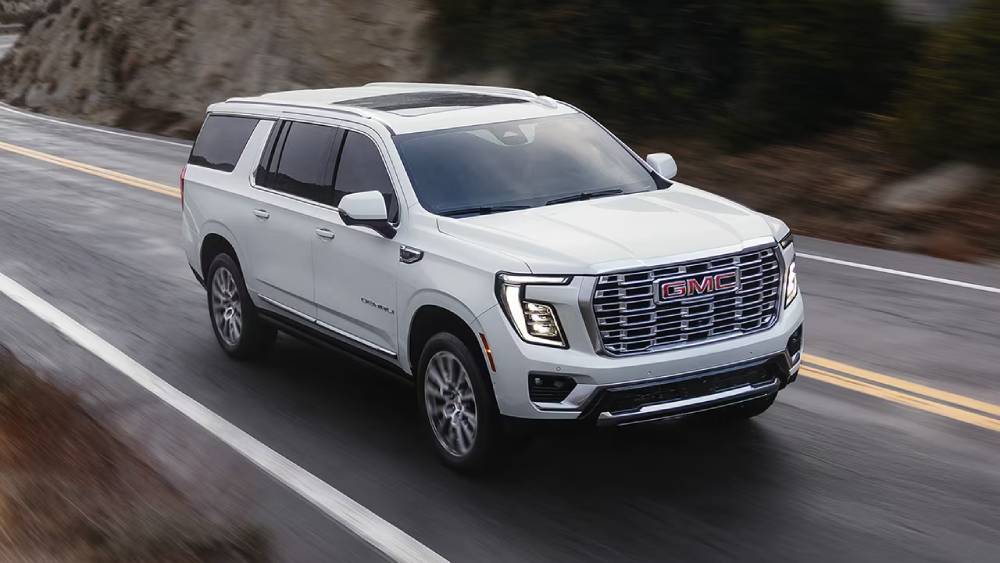
The GM 6L80 is a six speed automatic transmission designed for longitudinal engine layouts and rear wheel drive or four wheel drive applications. General Motors introduced it for the 2006 model year, and it eventually became one of the company’s most widely used automatic transmissions. It appeared in millions of trucks, sport utility vehicles, performance cars, and specialty applications. Common examples include the Chevrolet Silverado, Tahoe, Suburban, Camaro, and Corvette, along with the GMC Sierra, Yukon, and Cadillac Escalade.
The name 6L80 provides a basic description of the unit. The number 6 identifies its six forward gears, while the letter L refers to its longitudinal installation. The number 80 represents its relative torque capacity within General Motors’ transmission family. Although the 6L80 shares some design concepts with the heavier 6L90, the two transmissions are not identical, and their service specifications should not be treated as interchangeable.
One reason the 6L80 became so common is its ability to combine a low first gear with two overdrive ratios. This arrangement gives trucks strong acceleration from a stop while allowing the engine to run at a lower speed during highway driving. The transmission also uses electronic controls to manage shift timing, clutch pressure, torque converter operation, and communication with the engine control system.
These electronic controls can make the transmission feel smooth and responsive when everything is operating correctly. However, they also make correct fluid level and fluid condition extremely important. The 6L80 depends on transmission fluid for hydraulic pressure, lubrication, cooling, torque transfer, and clutch operation. A small fluid level error may affect several of these functions at the same time.
Vehicles Equipped With the 6L80
The 6L80 was installed in numerous General Motors platforms, but availability varied by engine, model year, trim level, drivetrain, and market. A vehicle name alone is not enough to confirm that it has a 6L80.
Common applications include:
| Brand | Common 6L80 Applications |
|---|---|
| Chevrolet | Silverado 1500, Tahoe, Suburban, Avalanche, Camaro, Corvette, Express |
| GMC | Sierra 1500, Yukon, Yukon XL, Savana |
| Cadillac | Escalade, Escalade ESV, Escalade EXT |
| Other GM applications | Selected performance, fleet, police, and specialty vehicles |
For example, General Motors documentation identifies the Hydra Matic 6L80 in certain Yukon Denali and Escalade models. Chevrolet Performance also continues to publish installation information for standalone Supermatic 6L80 packages, confirming that the transmission remains relevant for restoration, conversion, and performance projects.
Before purchasing fluid or beginning service, confirm the transmission by checking the vehicle identification information, option codes, transmission label, or service documentation. Some models were offered with different transmissions during the same production year. Assuming that every Silverado, Camaro, or Tahoe uses a 6L80 can lead to buying the wrong filter, gasket, fluid quantity, or service parts.
The transmission pan and cooling arrangement also matter. A vehicle may have an auxiliary cooler, longer cooler lines, an aftermarket deep pan, or a replacement torque converter. Each of these components can change the amount of fluid needed to reach the correct operating level.
This is why 6L80 transmission fluid capacity should always be treated as a starting estimate rather than a blind fill target. The final level must be confirmed through the approved checking procedure.
6L80 Transmission Fluid Capacity
The most useful answer for a standard 6L80 is that a pan removal and filter replacement generally requires approximately 6.0 quarts, or 5.7 liters, while a transmission overhaul requires approximately 10.5 quarts, or 9.9 liters, for the transmission itself. Chevrolet Performance lists the approximate complete system capacity, including cooler volume, at 12.2 quarts, or 11.5 liters.
| Service Condition | Approximate Fluid Capacity |
|---|---|
| Pan removal and filter replacement | 6.0 quarts or 5.7 liters |
| Transmission overhaul volume | 10.5 quarts or 9.9 liters |
| Complete system including cooler | 12.2 quarts or 11.5 liters |
These figures explain why owners often find different answers when researching 6L80 transmission fluid capacity. A person who drains the pan may report using about six quarts, while a rebuilder filling an empty transmission may use more than ten quarts. Both numbers can be reasonable because they describe different service conditions.
Pan Removal and Filter Replacement
During a normal pan service, much of the fluid remains trapped inside the torque converter, clutch circuits, valve body passages, cooler, and cooler lines. Removing the pan does not empty the entire transmission.
For that reason, approximately six quarts is a practical reference for many standard pan and filter services. General Motors published the same six quart figure for a 2018 Silverado 1500 Special Service model when the fluid pan was removed and the filter replaced.
However, the exact amount drained can vary. Fluid temperature, vehicle angle, drain time, pan design, and previous fluid level all influence the measured quantity. A technician who allows the transmission to drain for an extended period may remove more fluid than someone performing a quick service.
A deeper aftermarket pan may also require additional fluid. In that situation, the original six quart estimate no longer represents the complete refill amount.
Overhaul or Dry Transmission Fill
An overhauled transmission contains far less residual fluid than a unit receiving routine maintenance. Chevrolet Performance lists approximately 10.5 quarts for the transmission volume after overhaul. This figure is substantially higher than the pan service quantity because internal passages, clutch drums, and other components must be replenished.
The term “dry fill” can still create confusion. A newly rebuilt transmission may not be completely dry. The rebuilder may have lubricated internal components during assembly, added fluid to the torque converter, or prefilled certain circuits. As a result, the amount poured into the transmission after installation may be lower than the published overhaul capacity.
Complete Transmission System Capacity
The complete system includes more than the transmission case. It may also include:
- The torque converter
- Transmission cooler
- Cooler lines
- Internal hydraulic circuits
- Additional cooling equipment
Chevrolet Performance provides an approximate complete system figure of 12.2 quarts, including cooler volume. This is the best general reference for a fully empty standard installation, but it should not be used as an instruction to pour all 12.2 quarts into every vehicle at once. Cooler size and line length can change total capacity.
A large auxiliary cooler may increase the required quantity, while a compact factory cooling circuit may hold less. Fluid should be added gradually, circulated through the transmission, and checked according to the appropriate service procedure.
Why the Refill Amount May Be Lower Than Expected
Owners sometimes become concerned when the transmission reaches the correct level before accepting the amount shown in an online chart. This does not automatically indicate a problem.
The most common reasons include:
- Fluid remained inside the torque converter.
- The cooler and lines were not drained.
- The transmission was not completely empty.
- The pan design differs from the reference application.
- The previous fluid level was already low or high.
- Fluid temperature affected the level reading.
- The vehicle uses a different transmission variant.
The safest approach is to measure the fluid removed, begin with slightly less than the expected refill quantity, and make small adjustments. Published capacity is an estimate. The verified fluid level is the final authority.
6L80 Fluid Capacity by Vehicle
Many factory 6L80 applications use an approximate six quart refill after pan removal and filter replacement. However, model specific capacity charts can be misleading when they ignore production changes, transmission substitutions, cooling packages, or aftermarket modifications.
The following table provides a practical reference for common 6L80 vehicles. The figures represent typical service expectations for a standard transmission pan, not a guarantee for every year and configuration.
| Vehicle Application | Typical Pan and Filter Refill | Typical Overhaul Reference | Important Note |
|---|---|---|---|
| Chevrolet Silverado 1500 | About 6 quarts | About 10.5 quarts | Confirm transmission option and pan type |
| GMC Sierra 1500 | About 6 quarts | About 10.5 quarts | Cooler equipment may affect total capacity |
| Chevrolet Tahoe | About 6 quarts | About 10.5 quarts | Verify model year and drivetrain |
| Chevrolet Suburban | About 6 quarts | About 10.5 quarts | Longer cooling circuits can affect total fill |
| GMC Yukon and Yukon XL | About 6 quarts | About 10.5 quarts | Not every trim uses the same transmission |
| Cadillac Escalade | About 6 quarts | About 10.5 quarts | Confirm transmission identification before service |
| Chevrolet Camaro | Approximately 5 to 6 quarts | About 10.5 quarts | Pan and cooling configuration may differ from trucks |
| Chevrolet Corvette | Approximately 5 to 6 quarts | About 10.5 quarts | Vehicle specific service information is essential |
| Chevrolet Express and GMC Savana | About 6 quarts | About 10.5 quarts | Some versions may use the heavier 6L90 |
The six quart pan service figure is directly supported by GM documentation for certain Silverado configurations and by Chevrolet Performance’s 6L80 installation specifications. The broader vehicle entries should be treated as planning estimates until the exact year, transmission code, and service procedure have been confirmed.
Chevrolet Silverado and GMC Sierra
The Silverado and Sierra are among the most familiar 6L80 applications. For a standard pan removal and filter replacement, approximately six quarts is a reasonable starting point. A documented 2018 Silverado Special Service configuration lists 6.0 quarts, or 5.7 liters, for this procedure.
Owners should still verify the transmission because some trucks use a 6L90, 8L90, 10L80, or another unit depending on engine and production year. Four wheel drive does not necessarily change the internal transmission capacity, but cooling equipment, line routing, and related hardware can influence total system volume.
Chevrolet Tahoe, Suburban, GMC Yukon, and Cadillac Escalade
These full size SUVs commonly share major powertrain components with GM pickup trucks, and many 6L80 versions require a similar amount after a pan and filter service. Approximately six quarts is an appropriate initial estimate for many standard configurations.
Long wheelbase vehicles such as the Suburban, Yukon XL, and Escalade ESV may have different cooling layouts. That does not always create a major difference during a simple pan service because the cooler circuit is not normally emptied. It becomes more important when the cooler, lines, torque converter, or transmission assembly has been replaced.
Chevrolet Camaro and Corvette
Performance cars equipped with the 6L80 may not drain exactly the same amount as truck applications. Pan shape, installation angle, cooling layout, and service access can differ. A refill in the range of approximately five to six quarts may be expected after a routine pan service, but technicians should consult the correct model year procedure instead of relying solely on a truck specification.
This distinction matters because pouring in a fixed amount without checking the level can create an overfill condition. The correct quantity is whatever brings the fluid to the approved level at the specified temperature.
Chevrolet Express and GMC Savana
Some Express and Savana models use the 6L80, while heavier configurations may use the 6L90. The transmissions look similar and belong to the same family, but service information and parts can differ.
Before ordering a filter or calculating fluid quantity, verify the transmission identification. A vehicle identification number lookup, option code list, scan tool, or transmission tag can help prevent an expensive mistake.
Does 2WD or 4WD Change 6L80 Capacity?
The difference between two wheel drive and four wheel drive does not normally create a large change in the basic pan service quantity. The transfer case is a separate component with its own lubricant and capacity.
However, different vehicle configurations may use different transmission cases, output hardware, cooling arrangements, or calibrations. Therefore, drivetrain type should still be included when looking up service information.
The most reliable strategy is simple: use the vehicle specific manual to confirm the expected capacity, add fluid conservatively, and verify the final level under the required operating conditions. Never assume that a capacity chart replaces the level checking procedure.
Which Transmission Fluid Does the 6L80 Use?
Selecting the correct transmission fluid is just as important as using the proper fluid quantity. Even if the 6L80 transmission fluid capacity is correct, using an incompatible fluid can lead to poor shift quality, increased clutch wear, excessive operating temperatures, and premature transmission failure.
General Motors specifies DEXRON-VI Automatic Transmission Fluid for the 6L80 transmission. Introduced as the successor to DEXRON-III, DEXRON-VI offers significantly improved oxidation resistance, enhanced shear stability, and better protection against wear. These improvements allow the fluid to maintain its viscosity over a longer service life while providing consistent hydraulic performance under both normal driving and heavy-duty conditions.
Because the 6L80 relies on electronically controlled clutch engagement, hydraulic pressure must remain stable throughout every shift. DEXRON-VI was specifically engineered to meet these requirements. It also provides superior resistance to high operating temperatures, making it well suited for towing, hauling, mountain driving, and other demanding applications.
OEM vs Aftermarket Transmission Fluids
Vehicle owners generally have two options when replacing transmission fluid.
The first option is genuine GM DEXRON-VI Automatic Transmission Fluid. This fluid is manufactured to General Motors specifications and is the safest choice for maintaining factory performance.
The second option is a licensed aftermarket DEXRON-VI fluid produced by reputable manufacturers. Many premium synthetic transmission fluids are officially licensed to meet GM’s DEXRON-VI specification and perform similarly to the original factory fluid.
Popular brands include:
- ACDelco DEXRON-VI
- Mobil DEXRON-VI ATF
- Valvoline DEXRON-VI Full Synthetic ATF
- Castrol Transmax DEXRON-VI
- Pennzoil Platinum LV Multi Vehicle ATF that meets DEXRON-VI requirements
Always verify that the product label specifically states compatibility with the current DEXRON-VI specification. Generic automatic transmission fluids that merely claim “suitable for most vehicles” without formal approval should be avoided.
Can You Use DEXRON-III Instead?
The answer is no.
Although older GM transmissions were originally designed for DEXRON-III, the 6L80 was engineered around DEXRON-VI. Using DEXRON-III may result in incorrect friction characteristics, reduced thermal stability, and accelerated clutch wear.
In addition, DEXRON-III is no longer licensed by General Motors. Modern DEXRON-VI fluids are fully backward compatible with many older GM transmissions, but the reverse is not true.
Can Different Brands Be Mixed?
Mixing different brands of licensed DEXRON-VI fluid is generally acceptable because they are required to meet the same GM performance specification.
However, mixing different fluid technologies or different specifications is not recommended. For example, combining DEXRON-VI with universal ATF, CVT fluid, or dual-clutch transmission fluid can negatively affect shift performance and transmission durability.
If the transmission fluid has become contaminated or the previous fluid type is unknown, performing a complete fluid exchange is often the safest solution.
Why Synthetic Fluid Matters
Modern synthetic transmission fluids provide several important advantages over conventional formulations.
They resist oxidation at high temperatures, maintain stable viscosity over extended service intervals, reduce varnish formation inside the valve body, and improve cold-weather performance. These characteristics are especially beneficial for drivers who frequently tow trailers, carry heavy loads, or operate their vehicles in extremely hot or cold climates.
Because transmission temperatures can easily exceed 200°F (93°C) during heavy use, thermal stability is one of the most important factors affecting long-term transmission reliability.
How to Check 6L80 Transmission Fluid Level
Unlike older automatic transmissions equipped with a dipstick, the 6L80 uses a sealed design that requires a specific inspection procedure. Checking the fluid level correctly is critical because even a small measurement error can result in overfilling or underfilling the transmission.
Many owners mistakenly assume they can determine the proper fluid level immediately after adding the recommended quantity. In reality, the correct level can only be verified after the transmission reaches its specified operating temperature.
Step 1: Park the Vehicle on a Level Surface
Begin by parking the vehicle on a completely level surface.
Apply the parking brake securely and keep the engine running throughout the inspection process. The transmission must remain in operation so hydraulic circuits stay fully pressurized.
An uneven parking surface can produce an incorrect fluid reading.
Step 2: Bring the Transmission to Operating Temperature
Fluid expands considerably as temperature increases.
For this reason, General Motors specifies checking the transmission within a particular fluid temperature range rather than when the transmission is cold.
Using a professional scan tool is the most accurate method for monitoring transmission fluid temperature because it reads the internal transmission temperature sensor directly.
Attempting to check the fluid immediately after a cold start often results in overfilling because cold fluid occupies less volume than warm fluid.
Step 3: Cycle Through Every Gear
With the engine running, slowly move the gear selector through every gear position.
Pause briefly in each position before returning the selector to Park.
This process allows transmission fluid to circulate through the valve body, clutch assemblies, torque converter, and cooler passages while eliminating trapped air pockets.
Step 4: Remove the Level Check Plug
Once the transmission reaches the specified operating temperature, carefully remove the transmission level check plug.
If a small stream or slow drip of fluid exits the opening, the transmission is generally at the correct level.
If no fluid appears, additional DEXRON-VI should be added gradually until fluid begins to flow from the inspection opening.
If a heavy stream pours out continuously, the transmission may be overfilled and excess fluid should be allowed to drain until only a slow trickle remains.
Step 5: Reinstall the Plug
After confirming the correct level, reinstall the inspection plug and tighten it to the manufacturer’s specified torque.
Finally, inspect the transmission for leaks around the pan gasket, drain plug, cooler lines, and fill plug before completing the service.
Common Fluid Level Checking Mistakes
Several common mistakes can produce inaccurate fluid readings.
Checking the transmission before it reaches operating temperature is one of the most frequent errors.
Another mistake is shutting off the engine before checking the level. Once the engine stops, hydraulic circuits begin to drain, changing the fluid level inside the transmission.
Adding the entire published capacity before verifying the level is another common problem. Published capacities are approximate values intended for planning purposes rather than exact refill instructions.
The final fluid level should always be confirmed using the approved inspection procedure.
How Much Fluid Is Needed After a Pan Drop?
A routine pan removal is the most common maintenance service performed on a 6L80 transmission. Unlike a complete overhaul, this procedure drains only the fluid stored inside the transmission pan while leaving a significant amount inside the torque converter, valve body, clutch assemblies, cooler lines, and transmission cooler.
As a result, most standard pan services require approximately 6 quarts (5.7 liters) of DEXRON-VI transmission fluid. This figure serves as an excellent starting point, but it should never be treated as the exact refill amount for every vehicle.
The actual quantity depends on several factors, including how long the transmission was allowed to drain, whether the filter was replaced, the design of the transmission pan, and whether any additional cooling components are installed.
Typical Pan Drop Procedure
A standard transmission service generally includes the following steps.
Drain the existing transmission fluid by removing the pan.
Inspect the old fluid for excessive metal particles, clutch material, or signs of overheating.
Replace the transmission filter and install a new pan gasket if required.
Reinstall the transmission pan using the proper torque sequence.
Add approximately five to five and a half quarts of fresh DEXRON-VI through the fill opening.
Start the engine and cycle through every gear position.
Continue adding fluid in small increments until the transmission reaches the correct operating level according to the approved temperature-based inspection procedure.
This gradual filling method significantly reduces the risk of overfilling the transmission.
Why You Should Never Add the Full Capacity Immediately
Many first-time DIY mechanics make the mistake of adding the published overhaul capacity after performing a simple pan service.
This often results in severe overfilling because much of the original transmission fluid never left the transmission.
Instead, begin with slightly less than the expected refill quantity and adjust the level only after the transmission reaches the specified operating temperature.
Professional technicians rarely rely on capacity charts alone. They use published capacities as estimates while allowing the final fluid level inspection to determine exactly how much additional fluid is required.
When More Than Six Quarts May Be Required
Certain situations may require additional transmission fluid after servicing.
These include:
- Installation of an aftermarket deep transmission pan
- Replacement of the transmission cooler
- Replacement of cooler lines
- Torque converter replacement
- Partial transmission disassembly
- Extended drain time that removes more residual fluid than usual
In these situations, the final refill amount may exceed the typical six-quart estimate.
Regardless of the service performed, the most accurate method is always the same. Add fluid gradually, monitor transmission temperature, verify the level through the inspection plug, and make final adjustments only after the transmission reaches the specified operating conditions.
Common Mistakes When Filling a 6L80 Transmission
Even experienced DIY mechanics can make mistakes when servicing a 6L80 transmission. Most transmission problems that occur immediately after a fluid change are not caused by defective parts. Instead, they result from incorrect service procedures, inaccurate fluid level checks, or using the wrong transmission fluid.
Understanding these common mistakes can help you avoid expensive repairs and ensure your transmission continues to operate smoothly for years.
Overfilling the Transmission
Many people believe adding extra transmission fluid provides additional protection. In reality, overfilling can be just as harmful as running the transmission low on fluid.
When the fluid level is too high, rotating internal components begin to whip the fluid into foam. Foamy transmission fluid contains air bubbles that reduce hydraulic pressure throughout the transmission.
Lower hydraulic pressure can cause:
- Erratic shifting
- Delayed gear engagement
- Increased transmission temperatures
- Torque converter shudder
- Premature clutch wear
- Reduced lubrication efficiency
Because the 6L80 relies on precise hydraulic pressure for every shift, even moderate overfilling may noticeably affect transmission performance.
Underfilling the Transmission
Operating with too little transmission fluid presents an even greater risk.
Low fluid levels reduce oil flow to the hydraulic circuits and clutch packs. Without sufficient lubrication and cooling, internal temperatures increase rapidly.
Common symptoms include:
- Delayed engagement when shifting into Drive or Reverse
- Gear slipping during acceleration
- Harsh or inconsistent shifts
- High transmission temperatures
- Transmission warning messages
- Accelerated clutch failure
If the transmission begins slipping because of insufficient fluid, continued driving may permanently damage internal clutch packs.
Using the Wrong Transmission Fluid
The 6L80 was specifically engineered to operate with DEXRON-VI automatic transmission fluid.
Using an older fluid specification, a universal automatic transmission fluid that does not meet GM requirements, or a fluid intended for continuously variable or dual-clutch transmissions may alter friction characteristics and hydraulic performance.
Potential consequences include:
- Poor shift quality
- Torque converter shudder
- Increased clutch wear
- Valve body performance issues
- Reduced transmission life
Always verify that the transmission fluid clearly states compliance with the current DEXRON-VI specification.
Checking the Fluid at the Wrong Temperature
The 6L80 does not use a traditional dipstick. Instead, fluid level is verified at a specified operating temperature using the transmission level check plug.
Checking the transmission while it is too cold typically results in overfilling because cold fluid occupies less volume.
Checking the transmission when it is excessively hot may produce the opposite result, encouraging unnecessary fluid removal.
Following the manufacturer’s recommended temperature range is essential for obtaining an accurate fluid level.
Ignoring Small Fluid Leaks
Many transmission failures begin with a slow leak that goes unnoticed for months.
Common leak locations include:
- Transmission pan gasket
- Drain plug
- Fill plug
- Cooler lines
- Transmission cooler fittings
- Front pump seal
- Output shaft seal
Even a minor leak can gradually lower the fluid level enough to affect transmission performance.
Inspect the transmission regularly for fresh fluid around the pan, crossmember, and surrounding components.
Assuming Every Vehicle Uses the Same Capacity
Although many GM vehicles equipped with the 6L80 require approximately six quarts after a pan service, there is no universal refill quantity.
Vehicle configuration, transmission pan design, auxiliary coolers, torque converter replacement, and previous service history all influence the actual refill amount.
Published capacities should always be treated as reference values rather than exact refill instructions.
The final fluid level must always be confirmed using the approved inspection procedure.
Recommended Service Intervals for the 6L80
One of the most common questions among vehicle owners is how often the transmission fluid should be replaced.
While some manufacturers have promoted “lifetime transmission fluid,” real-world experience shows that automatic transmission fluid gradually deteriorates due to heat, oxidation, contamination, and normal clutch wear.
Replacing the fluid at appropriate intervals helps maintain hydraulic performance, reduces operating temperatures, and extends transmission life.
Normal Driving Conditions
Vehicles used primarily for highway driving, light commuting, and moderate weather generally place less stress on the transmission.
Under these conditions, many transmission specialists recommend replacing the transmission fluid approximately every 45,000 to 60,000 miles (72,000 to 96,000 kilometers).
Replacing the transmission filter during scheduled service is also recommended whenever the transmission pan is removed.
Severe Driving Conditions
Transmission fluid degrades much more quickly under heavy loads.
Severe service includes:
- Frequent towing
- Carrying heavy cargo
- Stop-and-go city driving
- Mountain driving
- Off-road use
- Commercial fleet operation
- High ambient temperatures
For these vehicles, servicing the transmission every 30,000 to 45,000 miles (48,000 to 72,000 kilometers) is generally considered a safer maintenance interval.
Frequent fluid replacement helps remove clutch material and contaminants before they can circulate through the valve body.
Signs That Your Transmission Fluid Needs Attention
Mileage is only one factor in determining service intervals.
You should also inspect the transmission if you notice:
- Delayed shifting
- Rough gear changes
- Slipping during acceleration
- Transmission overheating
- Burnt-smelling transmission fluid
- Dark brown or black fluid
- Metal particles inside the transmission pan
- Transmission warning lights
Ignoring these symptoms can allow minor issues to develop into major transmission repairs.
Is Lifetime Transmission Fluid Really Lifetime?
The phrase “lifetime fluid” often causes confusion.
In many cases, manufacturers use this term to describe the expected service life under ideal operating conditions rather than suggesting the fluid never needs replacement.
Every automatic transmission generates heat and friction. Over time, additives break down, oxidation increases, and microscopic clutch material accumulates in the fluid.
Replacing aged transmission fluid remains one of the most cost-effective ways to protect a 6L80 transmission from premature wear.
Frequently Asked Questions
How many quarts of transmission fluid does a 6L80 hold?
A standard pan removal and filter replacement typically requires approximately 6 quarts (5.7 liters) of DEXRON-VI transmission fluid. A completely rebuilt or dry transmission generally requires approximately 10.5 quarts (9.9 liters), while the complete transmission system, including the cooler, may hold approximately 12.2 quarts (11.5 liters) depending on the application.
What transmission fluid should I use in a 6L80?
General Motors recommends using DEXRON-VI Automatic Transmission Fluid. Using the correct specification helps maintain proper hydraulic pressure, clutch performance, and long-term transmission durability.
Can I use DEXRON-III instead of DEXRON-VI?
No.
The 6L80 was engineered specifically for DEXRON-VI. Older DEXRON-III fluids do not provide the same friction characteristics or thermal stability required by this transmission.
Why did my transmission take less fluid than the published capacity?
Most routine services remove only the fluid stored inside the transmission pan.
Large amounts of fluid remain inside the torque converter, valve body, cooler lines, and transmission cooler.
For this reason, the actual refill amount after a pan service is significantly lower than the transmission’s total capacity.
Should I replace the transmission filter every time I change the fluid?
Whenever the transmission pan is removed, replacing the filter is considered best practice.
A new filter helps maintain proper fluid flow and prevents contaminants from circulating through the hydraulic system.
Can I overfill a sealed transmission?
Yes.
Although the 6L80 does not have a dipstick, overfilling remains possible.
Too much transmission fluid can create foaming, unstable hydraulic pressure, increased operating temperatures, and poor shift quality.
Always verify the fluid level using the approved temperature-based inspection procedure.
How often should I inspect the transmission for leaks?
A visual inspection during every engine oil change is a good habit.
Checking for leaks around the transmission pan, cooler lines, and seals allows small problems to be corrected before fluid loss affects transmission performance.
Is a complete fluid exchange better than a pan service?
It depends on the transmission’s condition.
A routine pan service replaces only part of the fluid but also allows inspection of the filter and pan for metal debris or clutch material.
A complete fluid exchange replaces a greater percentage of old fluid but may not provide the opportunity to inspect internal wear unless the pan is also removed.
For most vehicles that receive regular maintenance, combining periodic pan services with scheduled fluid exchanges provides excellent long-term protection for the 6L80 transmission.
Conclusion
Understanding the correct 6L80 transmission fluid capacity is essential for maintaining smooth shifting, reliable performance, and the long-term durability of your vehicle’s transmission. Although many online sources provide a single fluid capacity figure, the reality is that the correct amount depends entirely on the type of service being performed. A routine pan drop, a filter replacement, a complete overhaul, or a dry transmission installation all require different amounts of fluid, making it important to follow the proper service procedure instead of relying solely on published capacity numbers.
Equally important is using the correct transmission fluid. The 6L80 was specifically engineered for DEXRON-VI Automatic Transmission Fluid, which provides the friction characteristics, thermal stability, and wear protection required by this electronically controlled transmission. Using the proper fluid, filling the transmission gradually, and verifying the final level at the recommended operating temperature will help prevent common issues such as slipping, harsh shifting, overheating, and premature clutch wear.
Regular maintenance also plays a major role in extending transmission life. Replacing the transmission fluid and filter at appropriate service intervals, inspecting for leaks, and addressing small problems before they become major repairs can save thousands of dollars in future maintenance costs. Whether your vehicle is used for daily commuting, towing heavy loads, off-road adventures, or commercial work, keeping the transmission in excellent condition should always be a priority.
By following the recommendations in this guide, you can confidently service your 6L80 transmission, avoid common maintenance mistakes, and maximize the lifespan of one of General Motors’ most widely used automatic transmissions.
If you found this guide helpful, consider bookmarking it for future maintenance reference. You can also share it with fellow GM owners or leave a comment describing your experience servicing a 6L80 transmission. Real-world maintenance tips and observations often help other drivers diagnose problems and perform transmission service more confidently.
Frequently Referenced 6L80 Transmission Fluid Capacities at a Glance
For quick reference, here are the most commonly used fluid capacity figures discussed throughout this guide:
| Service Type | Approximate Capacity |
|---|---|
| Pan Removal and Filter Replacement | 6.0 quarts (5.7 L) |
| Transmission Overhaul | 10.5 quarts (9.9 L) |
| Complete System Including Cooler | 12.2 quarts (11.5 L) |