The GM L87 6.2L V8 is one of General Motors’ most powerful and refined small-block engines, delivering an impressive 420 horsepower and 460 lb-ft of torque. Introduced for full-size trucks and SUVs, the L87 combines modern technologies such as Direct Fuel Injection (DI), Dynamic Fuel Management (DFM), and Variable Valve Timing (VVT) to improve both performance and fuel efficiency. It powers some of GM’s most popular vehicles, including the Chevrolet Silverado 1500, GMC Sierra 1500, Chevrolet Tahoe, Chevrolet Suburban, GMC Yukon, and Cadillac Escalade.
While the L87 offers exceptional towing capability, smooth acceleration, and excellent driving dynamics, it has also become the subject of increasing discussion among owners and automotive technicians. Reports of lifter failures, DFM-related malfunctions, fuel system issues, and excessive oil consumption have raised questions about the engine’s long-term reliability. Although many L87-powered vehicles accumulate high mileage without major issues, others experience costly repairs that can occur unexpectedly, making preventive maintenance more important than ever.
If you own a vehicle equipped with the L87 engine or are considering purchasing a used GM truck or SUV, understanding these potential problems can save you thousands of dollars in repair costs. Recognizing early warning signs allows you to address minor issues before they develop into serious engine damage.
In this comprehensive guide, we’ll examine the most common L87 engine problems, explain their causes and symptoms, discuss typical repair costs, and provide practical maintenance tips to help maximize the lifespan of your GM 6.2L V8. Whether you’re troubleshooting an existing issue or simply researching the engine’s reliability, this guide will help you make informed decisions and keep your vehicle running at its best.
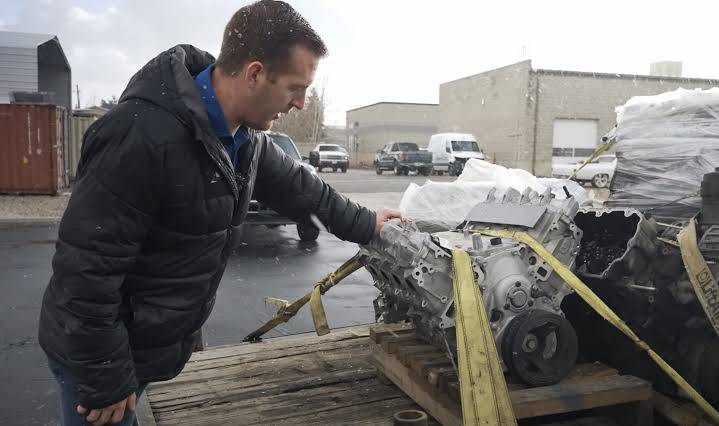
Overview of the GM L87 Engine
The GM L87 is a 6.2-liter naturally aspirated V8 engine that belongs to General Motors’ fifth-generation Small Block engine family. Introduced for the 2019 model year, it was designed to replace the earlier L86 while delivering improved fuel efficiency, lower emissions, and enhanced overall performance. The L87 achieves these goals by incorporating advanced technologies such as Dynamic Fuel Management (DFM), Direct Fuel Injection (DI), and continuously variable valve timing.
Despite its modern design, the engine maintains the proven pushrod overhead valve architecture that has made GM V8 engines popular for decades. This combination of traditional engineering and modern electronics allows the L87 to produce outstanding towing capability, responsive acceleration, and respectable fuel economy for a full-size truck or SUV.
Key specifications of the GM L87 include:
- Engine Type: 6.2L Naturally Aspirated V8
- Displacement: 6,162 cc
- Horsepower: 420 hp
- Torque: 460 lb-ft
- Compression Ratio: 11.5:1
- Fuel System: Direct Injection
- Valve Train: Overhead Valve (OHV), 2 valves per cylinder
- Variable Valve Timing (VVT)
- Dynamic Fuel Management (DFM)
The L87 engine is found in several of GM’s premium trucks and SUVs, including:
- Chevrolet Silverado 1500
- GMC Sierra 1500
- Chevrolet Tahoe
- Chevrolet Suburban
- GMC Yukon
- GMC Yukon XL
- Cadillac Escalade
- Cadillac Escalade ESV
Although the L87 has earned praise for its smooth power delivery and towing performance, its sophisticated fuel-saving technologies have introduced additional mechanical complexity. As a result, owners have reported several recurring issues that prospective buyers should understand before purchasing a vehicle equipped with this engine.
Common L87 Engine Problem #1: Lifter Failure
One of the most widely reported L87 engine problems is lifter failure, which is also considered the most expensive and potentially damaging issue affecting this engine. The problem is closely associated with the engine’s Dynamic Fuel Management (DFM) system, which constantly activates and deactivates cylinders to improve fuel efficiency.
Under normal operation, specialized hydraulic lifters collapse and expand as the DFM system switches between different cylinder modes. Over time, these lifters can become stuck or fail to operate correctly. When this occurs, the affected valve no longer opens or closes as intended, resulting in poor engine performance and, in severe cases, significant internal engine damage.
Several factors may contribute to lifter failure, including manufacturing defects, insufficient lubrication, contaminated engine oil, excessive wear, or prolonged operation under heavy loads. Because the lifters are located deep within the engine, repairs often require extensive disassembly, making this one of the costliest repairs for L87 owners.
Common symptoms of lifter failure include:
- A noticeable ticking or tapping noise from the engine
- Rough idle that becomes worse over time
- Engine misfires
- Reduced power during acceleration
- Illuminated Check Engine Light
- Poor fuel economy
- Increased engine vibration
- Loss of cylinder compression
Ignoring these warning signs can allow a failed lifter to damage the camshaft, pushrods, rocker arms, or valves. In extreme cases, the engine may require a complete rebuild or replacement.
Repair costs vary depending on the extent of the damage. Replacing only the failed lifters typically costs between $2,000 and $4,000, while repairs involving a damaged camshaft or additional internal components can exceed $6,000.
The best way to reduce the risk of lifter failure is to follow strict maintenance practices. Using the correct engine oil, changing oil at appropriate intervals, monitoring oil levels regularly, and addressing unusual engine noises immediately can significantly improve the longevity of the valvetrain.
Common L87 Engine Problem #2: Dynamic Fuel Management (DFM) System Issues
Dynamic Fuel Management is one of the L87 engine’s defining technologies. Unlike the older Active Fuel Management (AFM) system, which could switch between eight and four cylinders, DFM can operate using multiple cylinder combinations. This allows the engine to continuously adjust power output based on driving conditions, improving fuel efficiency without sacrificing performance.
Although the technology is innovative, its increased complexity also creates more opportunities for mechanical and electronic failures. Many reported L87 engine problems are directly or indirectly related to the DFM system because it relies on hydraulic lifters, oil pressure, sensors, and sophisticated control software working together flawlessly.
When the DFM system begins to malfunction, drivers may notice inconsistent engine performance. Some vehicles experience hesitation during acceleration as the system transitions between cylinder modes. Others develop rough idling, intermittent vibrations, or occasional misfires that become more frequent over time. In many cases, these symptoms are accompanied by an illuminated Check Engine Light and diagnostic trouble codes related to cylinder deactivation or valve operation.
Typical symptoms of DFM problems include:
- Engine hesitation during acceleration
- Rough idle
- Intermittent engine vibration
- Misfire codes
- Reduced fuel economy
- Slower throttle response
- Check Engine Light
- Abnormal engine noises during cylinder transitions
Several factors can contribute to DFM issues, including faulty hydraulic lifters, oil pressure irregularities, outdated engine control software, worn internal components, or contaminated engine oil. Because the DFM system depends heavily on proper oil pressure, skipping routine oil changes or using the wrong oil viscosity can accelerate wear and increase the likelihood of failure.
Diagnosing DFM problems often requires professional scan tools capable of monitoring cylinder activation, oil pressure, and valve timing in real time. In some situations, a software update issued by General Motors may resolve drivability concerns. However, if mechanical components such as lifters or camshaft lobes have already been damaged, replacing the affected parts is usually the only permanent solution.
Routine maintenance remains the most effective way to minimize DFM-related failures. Keeping the lubrication system in excellent condition, following the manufacturer’s recommended service intervals, and investigating unusual engine behavior as soon as it appears can help prevent small issues from developing into major engine repairs.
Common L87 Engine Problem #3: Excessive Oil Consumption
Although the L87 engine is not as widely criticized for oil consumption as some earlier GM V8 engines, a number of owners have reported that their engines consume more oil than expected between scheduled service intervals. In many cases, the issue develops gradually, making it difficult to detect until the oil level becomes critically low.
Excessive oil consumption can result from several factors. Normal engine wear may allow small amounts of oil to pass the piston rings and enter the combustion chamber. A malfunctioning Positive Crankcase Ventilation (PCV) system can also draw excess oil vapor into the intake manifold, where it is burned during combustion. In higher-mileage engines, worn valve seals or piston rings may further increase oil consumption. Heavy towing, prolonged high-speed driving, and infrequent oil changes can accelerate these conditions.
Drivers may first notice the problem when the low oil warning appears long before the next scheduled oil change. Other symptoms include blue smoke from the exhaust during startup or acceleration, a burning oil smell, reduced lubrication performance, and increased engine wear. Some owners discover the issue only after checking the dipstick and finding the oil level significantly below the recommended range.
Common symptoms include:
- Low engine oil level between oil changes
- Oil warning light
- Blue exhaust smoke
- Burning oil odor
- Increased engine noise
- Reduced lubrication performance
- Premature engine wear
Running the engine with insufficient oil significantly increases the risk of damaging critical components such as hydraulic lifters, camshaft lobes, crankshaft bearings, and timing components. Because the L87 relies heavily on proper oil pressure for the Dynamic Fuel Management system, low oil levels can also contribute to additional DFM-related problems.
If excessive oil consumption is suspected, owners should begin by inspecting the engine for external leaks, verifying that the correct oil viscosity is being used, and monitoring oil consumption over several thousand miles. In more severe cases, a compression test or leak-down test may be required to determine whether internal engine wear is responsible.
The best prevention strategy is simple but effective. Check the oil level regularly, especially before long road trips or towing heavy loads. Follow the manufacturer’s recommended maintenance schedule, use high-quality synthetic oil that meets GM specifications, and investigate any sudden increase in oil consumption before it leads to more expensive repairs.
Common L87 Engine Problem #4: Fuel Injector Problems
The L87 engine uses a high-pressure direct fuel injection system that delivers fuel directly into each combustion chamber. This technology improves combustion efficiency, increases power output, and reduces fuel consumption. However, direct injection systems operate under extremely high pressure, making fuel injectors more susceptible to contamination and wear than traditional port fuel injection systems.
Fuel injectors can become partially clogged by carbon deposits or contaminated fuel over time. Internal electrical failures may also prevent an injector from opening or closing correctly. When an injector fails to deliver the proper amount of fuel, the engine’s air-fuel mixture becomes unbalanced, affecting both performance and fuel economy.
Early symptoms are often subtle. Drivers may notice slightly rough acceleration, hesitation during passing maneuvers, or a rough idle when the engine is cold. As the condition worsens, misfires become more frequent, fuel economy declines, and the Check Engine Light may illuminate.
Common symptoms of injector problems include:
- Rough idle
- Engine hesitation
- Poor acceleration
- Engine misfires
- Reduced fuel economy
- Hard starting
- Increased exhaust emissions
- Check Engine Light
A malfunctioning injector can also create secondary problems. If an injector delivers too much fuel, it may wash lubricating oil from the cylinder walls, increasing internal wear. Conversely, a restricted injector can cause lean combustion, resulting in elevated combustion temperatures that may eventually damage pistons or valves.
Diagnosis usually involves scanning diagnostic trouble codes, measuring fuel pressure, and performing injector balance or flow tests. In some cases, professional injector cleaning restores normal operation. Severely worn or electrically failed injectors typically require replacement.
To minimize the risk of injector problems, owners should purchase fuel from reputable stations, avoid allowing the fuel tank to run nearly empty on a regular basis, and follow recommended maintenance intervals. Periodic use of high-quality fuel system cleaners may also help reduce deposit formation, although they cannot repair mechanically damaged injectors.
Common L87 Engine Problem #5: High Pressure Fuel Pump Failure
The L87’s direct injection system depends on a mechanically driven high-pressure fuel pump to deliver fuel at pressures that can exceed several thousand psi. This pump ensures that the injectors receive sufficient fuel under all operating conditions, from idle to full-throttle acceleration. Because it operates under extreme pressure and continuous mechanical load, the pump experiences significant stress throughout its service life.
As mileage increases, internal wear, contamination, or component fatigue may reduce the pump’s ability to maintain adequate fuel pressure. In some cases, electronic control issues or fuel quality problems may also contribute to premature pump failure.
A failing high-pressure fuel pump often causes noticeable drivability issues. Drivers may experience extended cranking before the engine starts, hesitation during acceleration, reduced engine power, or occasional stalling under heavy load. If fuel pressure drops below the required level, the engine control module may trigger diagnostic trouble codes and illuminate the Check Engine Light.
Typical symptoms include:
- Long crank before starting
- Hard starting
- Loss of engine power
- Poor acceleration
- Engine hesitation
- Stalling under load
- Check Engine Light
- Fuel pressure diagnostic codes
Because these symptoms can resemble those caused by faulty fuel injectors or a weak low-pressure fuel pump, accurate diagnosis is essential. Technicians generally verify the condition by measuring high-pressure fuel delivery with specialized diagnostic equipment and comparing the readings against factory specifications.
Replacing the high-pressure fuel pump is generally less expensive than repairing internal engine damage, but it still represents a significant repair. Depending on the vehicle model and labor rates, replacement costs typically range from $800 to $1,800, including parts and installation.
Owners can help extend the life of the high-pressure fuel pump by using clean, high-quality gasoline, replacing fuel filters when applicable, avoiding contaminated fuel sources, and addressing fuel system warning signs promptly. Early diagnosis not only reduces repair costs but also helps protect the injectors and other fuel system components from secondary damage.
Common L87 Engine Problem #6: Carbon Buildup on Intake Valves
Like many modern gasoline engines equipped with direct fuel injection, the L87 is susceptible to carbon buildup on the intake valves. Unlike traditional port fuel injection systems, where gasoline continuously washes over the intake valves and helps remove deposits, direct injection sprays fuel directly into the combustion chamber. As a result, oil vapors and combustion byproducts from the crankcase ventilation system gradually accumulate on the intake valves, forming hard carbon deposits over time.
Carbon buildup is usually a slow process that becomes more noticeable as mileage increases. Vehicles driven primarily on short trips or in stop-and-go traffic may experience deposit formation more quickly because the engine spends less time operating at optimal temperatures.
As deposits continue to accumulate, airflow into the combustion chamber becomes restricted. This can negatively affect combustion efficiency, resulting in rough engine operation, sluggish acceleration, and reduced fuel economy. While carbon buildup rarely causes catastrophic engine damage, it can significantly reduce performance and drivability if left untreated.
Common symptoms include:
- Rough idle
- Hesitation during acceleration
- Reduced engine power
- Poor throttle response
- Lower fuel economy
- Engine misfires
- Increased emissions
- Check Engine Light
Diagnosing carbon buildup often requires a visual inspection using a borescope inserted through the intake ports. In severe cases, technicians may remove the intake manifold to inspect the valves directly.
The most effective cleaning method is walnut blasting, a procedure that uses crushed walnut shell media to safely remove carbon deposits without damaging engine components. Professional walnut blasting is typically recommended every 60,000 to 100,000 miles, depending on driving conditions and maintenance history. Chemical intake cleaners may help reduce minor deposits, but they are generally less effective once heavy carbon accumulation has formed.
Owners can reduce the rate of carbon buildup by using high-quality fuel, following recommended oil change intervals, avoiding excessive short-distance driving whenever possible, and ensuring the PCV system remains in good working condition.
Common L87 Engine Problem #7: Cooling System Problems
Although the L87 engine is designed to operate efficiently under demanding conditions, cooling system problems can develop over time and should never be ignored. Maintaining proper engine temperature is essential for protecting internal components, preserving lubrication, and preventing premature wear.
Several cooling system components can contribute to overheating if they begin to fail. The thermostat may become stuck in either the open or closed position, preventing coolant from circulating correctly. Water pumps can develop bearing wear or seal failures, leading to coolant leaks and reduced cooling performance. Radiator hoses, coolant reservoirs, and hose connections may also deteriorate with age, allowing coolant to escape.
Early warning signs are often easy to recognize if owners pay attention to the vehicle’s temperature gauge and coolant levels. A gradual rise in operating temperature, visible coolant leaks beneath the vehicle, or repeated low coolant warnings may indicate an underlying issue that requires immediate attention.
Common symptoms include:
- Rising engine temperature
- Coolant leaks
- Low coolant warning
- Steam from the engine compartment
- Heater performance issues
- Engine overheating
- Sweet coolant odor
- Check Engine Light
Continuing to drive with an overheating engine can have severe consequences. Excessive heat may warp cylinder heads, damage head gaskets, reduce engine oil effectiveness, and accelerate wear on internal engine components. In extreme cases, prolonged overheating can lead to complete engine failure.
Routine cooling system maintenance is the best defense against expensive repairs. Owners should inspect coolant levels regularly, replace coolant according to GM’s maintenance schedule, examine hoses for cracks or leaks, and address any signs of overheating immediately. Replacing a faulty thermostat or water pump early is considerably less expensive than repairing damage caused by excessive engine temperatures.
Common L87 Engine Problem #8: Timing Chain Wear
The timing chain is a critical component of the L87 engine because it synchronizes the rotation of the crankshaft and camshaft, ensuring that the intake and exhaust valves open and close at precisely the correct time. Although timing chains are generally more durable than timing belts, they are not immune to wear, particularly in engines that experience poor maintenance or prolonged operation with contaminated engine oil.
Over time, the timing chain can stretch slightly, while the chain guides and tensioners may wear or lose effectiveness. As this occurs, valve timing gradually becomes less accurate, reducing engine performance and increasing the likelihood of diagnostic trouble codes.
One of the earliest symptoms of timing chain wear is a metallic rattling noise during engine startup, especially after the vehicle has been sitting overnight. As wear progresses, drivers may notice rough idling, sluggish acceleration, engine misfires, or decreased fuel economy. In some cases, the Check Engine Light will illuminate because the engine control module detects that camshaft timing is outside the expected range.
Typical symptoms include:
- Rattling noise during startup
- Rough idle
- Engine misfires
- Loss of power
- Poor fuel economy
- Check Engine Light
- Camshaft timing fault codes
- Difficult starting
Ignoring timing chain problems can eventually allow the chain to skip timing, causing severe engine damage. Although the L87 is not generally considered an interference engine under all operating conditions, incorrect valve timing can still damage internal components and result in costly repairs.
Diagnosing timing chain wear typically involves scanning diagnostic trouble codes, evaluating camshaft timing data with professional diagnostic equipment, and listening for abnormal mechanical noises. If excessive wear is confirmed, technicians usually replace the timing chain, guides, tensioners, and related components as a complete assembly rather than replacing individual parts.
Because engine oil lubricates both the timing chain and its tensioning system, maintaining clean oil at the proper level is one of the most effective ways to maximize timing chain life. Consistent oil changes using the manufacturer-recommended oil specification can significantly reduce wear and help prevent premature failure.
Symptoms You Should Never Ignore
Many L87 engine problems begin with subtle warning signs that are easy to overlook. A slight ticking noise, an occasional rough idle, or a brief hesitation during acceleration may not seem alarming at first. However, these minor symptoms often indicate developing mechanical issues that can become significantly more expensive if left unresolved.
Modern GM vehicles continuously monitor engine performance through dozens of sensors. When abnormal operating conditions are detected, the engine control module records diagnostic trouble codes and may illuminate the Check Engine Light. Although some warning lights are triggered by relatively minor issues, others can signal serious engine damage in progress. Ignoring these alerts may allow a simple repair to develop into a complete engine overhaul.
Owners should pay close attention to any unusual changes in the way the engine sounds, feels, or performs. Even if the vehicle continues to drive normally, recurring symptoms should always be investigated as soon as possible.
The following warning signs should never be ignored:
Check Engine Light
An illuminated Check Engine Light is often the first indication that the engine management system has detected an abnormal condition. Common causes include ignition misfires, fuel injector problems, DFM malfunctions, timing issues, or emissions-related faults. A diagnostic scan should be performed promptly to identify the underlying cause.
Metallic Ticking or Tapping Noise
Persistent ticking noises coming from the top of the engine frequently indicate hydraulic lifter wear or valvetrain problems. Because lifter failure is one of the most common L87 engine problems, unusual ticking should never be dismissed as normal engine noise.
Rough Idle
A properly functioning L87 engine should idle smoothly with minimal vibration. Rough idling may indicate injector imbalance, ignition issues, carbon buildup, vacuum leaks, or DFM-related malfunctions.
Engine Misfires
Misfires occur when one or more cylinders fail to ignite properly. Drivers may notice shaking, hesitation, reduced power, or flashing warning lights. Continuing to drive with active misfires may damage the catalytic converters and increase repair costs.
Loss of Power
Reduced acceleration or sluggish engine response often indicates fuel delivery problems, valve train issues, restricted airflow, or improper valve timing. Any noticeable decrease in engine performance should be investigated immediately.
Hard Starting
Long cranking before startup or repeated starting attempts may point to fuel pressure problems, injector faults, ignition system failures, or sensor malfunctions.
Excessive Oil Consumption
If the engine regularly requires additional oil between scheduled services, internal wear or PCV system issues may be developing. Low oil levels also increase the likelihood of lifter failure and timing component wear.
Engine Overheating
An overheating engine should never be driven for an extended period. Excessive temperatures can damage cylinder heads, head gaskets, pistons, and numerous internal engine components within a short time.
Poor Fuel Economy
A sudden decrease in fuel efficiency may indicate injector problems, carbon buildup, oxygen sensor faults, DFM malfunctions, or ignition system issues. While declining fuel economy alone may not indicate a major failure, it often serves as an early warning that something is no longer operating efficiently.
Recognizing these symptoms early can significantly reduce repair costs and help prevent catastrophic engine damage. Prompt diagnosis allows technicians to correct minor faults before they affect additional components throughout the engine.
What Causes Most L87 Engine Problems?
Although the L87 engine incorporates advanced engineering and modern fuel-saving technology, most reported failures can be traced to a combination of mechanical wear, maintenance practices, and operating conditions rather than a single design flaw. Understanding these contributing factors allows owners to reduce the likelihood of unexpected repairs and maximize engine longevity.
Infrequent Oil Changes
Engine oil performs several critical functions beyond lubrication. It reduces friction, removes contaminants, cools internal components, and provides the hydraulic pressure required for the Dynamic Fuel Management system. Delaying oil changes allows contaminants to accumulate, reducing lubrication quality and accelerating wear on lifters, camshaft lobes, timing components, and bearings.
Incorrect Engine Oil
Using an oil viscosity or specification that differs from GM’s recommendations may affect oil pressure and lubrication performance. Because the DFM system relies on precise hydraulic operation, improper oil can contribute to lifter malfunction and reduced engine reliability.
Low Oil Levels
Allowing the engine to operate with insufficient oil is one of the fastest ways to accelerate internal wear. Low oil levels reduce lubrication throughout the engine and may cause hydraulic lifters to operate improperly, increasing the risk of expensive valvetrain damage.
Heavy Towing and High Loads
The L87 is designed for towing, but frequent operation near its maximum towing capacity places additional stress on the cooling system, lubrication system, and internal engine components. Vehicles used for heavy-duty towing generally require closer maintenance intervals than those driven under normal conditions.
Short Trip Driving
Frequent short-distance driving prevents the engine from reaching full operating temperature. Moisture and fuel contamination remain in the oil longer, while carbon deposits accumulate more rapidly inside the intake system. Over time, these conditions contribute to reduced engine efficiency and increased wear.
Poor Fuel Quality
Low-quality or contaminated gasoline may lead to injector deposits, combustion irregularities, and reduced fuel system performance. Using fuel from reputable suppliers helps minimize contamination and maintain consistent engine operation.
Carbon Deposit Formation
Because the L87 uses direct fuel injection, intake valves are not continuously cleaned by gasoline. Over time, carbon deposits accumulate and restrict airflow, leading to rough idle, hesitation, and reduced performance.
Cooling System Neglect
Ignoring coolant leaks, delaying coolant replacement, or continuing to drive with overheating symptoms significantly increases the risk of engine damage. Maintaining proper cooling system operation is essential for long-term reliability.
Delayed Repairs
Many engine failures become significantly more expensive because early warning signs are ignored. A minor ticking noise, intermittent misfire, or coolant leak may initially require only a relatively inexpensive repair. Delaying service can allow secondary damage to occur, dramatically increasing repair costs.
Routine maintenance remains the single most effective strategy for preventing the majority of L87 engine problems. Following GM’s recommended service schedule, using quality fluids, and addressing unusual symptoms early can substantially extend engine life.
L87 Engine Repair Costs
Repair costs for the L87 engine vary considerably depending on the affected component, labor rates, vehicle model, and the extent of the damage. Early diagnosis usually results in significantly lower repair expenses, while continued operation after symptoms appear can lead to secondary damage that increases the overall cost.
The following estimates represent typical repair ranges for common L87 engine problems.
| Repair | Estimated Cost | Severity |
|---|---|---|
| Lifter Replacement | $2,000–$4,000 | High |
| Camshaft and Lifter Repair | $4,000–$6,500+ | Very High |
| Fuel Injector Replacement | $400–$1,200 | Medium |
| High Pressure Fuel Pump Replacement | $800–$1,800 | Medium |
| Carbon Cleaning (Walnut Blasting) | $400–$900 | Low |
| Water Pump Replacement | $600–$1,200 | Medium |
| Thermostat Replacement | $300–$700 | Low |
| Timing Chain Replacement | $2,000–$4,500 | High |
| Cooling System Leak Repair | $200–$1,000 | Low to Medium |
Among these repairs, hydraulic lifter failure remains the most expensive issue reported by many owners because replacing the lifters often requires extensive engine disassembly. If the failed lifter has already damaged the camshaft, repair costs increase substantially due to additional labor and replacement parts.
Fuel system repairs are generally less expensive but should still be addressed promptly. Continuing to operate the engine with failing injectors or inadequate fuel pressure may create secondary issues that affect engine performance and emissions components.
Preventive maintenance remains far less expensive than major engine repairs. Spending a modest amount on regular oil changes, coolant service, and routine inspections can help avoid repair bills that reach several thousand dollars.
How to Prevent L87 Engine Problems
Although no engine is completely immune to mechanical issues, proper maintenance can dramatically reduce the likelihood of experiencing major L87 engine problems. Many of the failures discussed in this guide are linked to lubrication quality, cooling efficiency, and delayed repairs rather than unavoidable manufacturing defects. By following a proactive maintenance routine, owners can improve reliability, extend engine life, and reduce long-term ownership costs.
Change the Engine Oil on Time
Regular oil changes are the single most important maintenance task for the L87 engine. Clean engine oil provides lubrication for the crankshaft, camshaft, timing chain, hydraulic lifters, and Dynamic Fuel Management system. As oil ages, it loses its protective properties and becomes contaminated with dirt, fuel residue, and microscopic metal particles.
Always use the oil viscosity and specification recommended by General Motors. High-quality full synthetic oil offers better protection against wear, especially for vehicles that frequently tow trailers or operate in extreme temperatures.
Monitor Oil Level Frequently
Do not rely solely on the oil life monitoring system. Check the dipstick regularly, particularly before long trips or when towing heavy loads. If the engine begins consuming oil faster than normal, identifying the issue early can help prevent serious internal damage.
Use High-Quality Fuel
The L87’s direct injection system operates under extremely high pressure and depends on clean fuel for optimal performance. Purchasing gasoline from reputable fuel stations helps reduce the risk of injector deposits and contamination.
Using the recommended octane rating also allows the engine to deliver maximum performance while minimizing the likelihood of spark knock or combustion irregularities.
Keep the Cooling System in Good Condition
Inspect coolant levels periodically and look for signs of leaks around the radiator, water pump, thermostat housing, and coolant hoses. Replace coolant according to the manufacturer’s maintenance schedule to maintain corrosion protection and cooling efficiency.
An overheating engine should never be ignored, as excessive temperatures can quickly damage cylinder heads, head gaskets, and internal engine components.
Address Warning Signs Immediately
Small problems rarely remain small. Unusual engine noises, rough idle, hesitation during acceleration, or an illuminated Check Engine Light should always be investigated promptly.
Early diagnosis often prevents secondary damage and significantly lowers repair costs.
Follow the Recommended Maintenance Schedule
Routine maintenance extends far beyond oil changes. Air filters, spark plugs, coolant, transmission fluid, and other service items all contribute to overall engine health.
Following the factory maintenance schedule ensures that critical components continue operating as designed throughout the engine’s lifespan.
Drive Responsibly During Cold Starts
Allow the engine to reach normal operating temperature before aggressive acceleration or heavy towing. Cold engine oil does not lubricate components as effectively as fully warmed oil, increasing wear during the first few minutes of operation.
Perform Periodic Diagnostic Scans
Modern vehicles store diagnostic trouble codes long before noticeable symptoms appear. Periodically scanning the engine control module can reveal developing issues that may otherwise remain undetected.
Preventive maintenance cannot eliminate every possible mechanical failure, but it greatly reduces the likelihood of major repairs while helping the L87 deliver dependable performance for many years.
Is the L87 Engine Reliable?
Overall, the GM L87 6.2L V8 is a capable and powerful engine that offers impressive performance, excellent towing capability, and smooth everyday drivability. For many owners, the engine provides years of dependable service with relatively few mechanical issues.
However, its long-term reputation has been affected by several well-documented concerns, particularly hydraulic lifter failures associated with the Dynamic Fuel Management system. While these failures do not occur on every engine, they have generated enough owner reports to become the most commonly discussed reliability concern.
Beyond lifter issues, the majority of reported problems are relatively typical for modern direct injection engines. Carbon buildup, fuel injector wear, cooling system component failures, and occasional timing chain wear are not unique to the L87 and can often be managed through consistent maintenance.
Owners who follow recommended service intervals, use high-quality fluids, monitor oil levels regularly, and respond quickly to warning signs generally experience fewer major repairs than those who postpone maintenance.
From a performance perspective, the L87 remains one of GM’s strongest naturally aspirated V8 engines. It delivers excellent horsepower, substantial torque, refined highway manners, and outstanding towing capability. For buyers seeking a powerful full-size truck or SUV, the engine remains an attractive option despite its known weaknesses.
Pros include:
- Strong 420-horsepower performance
- Excellent towing capability
- Smooth power delivery
- Proven Small Block V8 architecture
- Good overall durability with proper maintenance
Potential drawbacks include:
- Hydraulic lifter failures
- Dynamic Fuel Management complexity
- Carbon buildup associated with direct injection
- Higher repair costs for major internal engine work
In summary, the L87 should not be considered an unreliable engine, but it does require attentive maintenance. Owners who understand its common failure points and address problems early are more likely to enjoy long service life and dependable performance.
Frequently Asked Questions
How long does the L87 engine last?
With proper maintenance, the L87 engine can commonly exceed 200,000 miles. Vehicles that receive regular oil changes, cooling system maintenance, and timely repairs are more likely to achieve a long service life.
Is lifter failure common on the L87 engine?
Lifter failure is one of the most frequently reported issues involving the L87 engine. Although not every engine experiences this problem, it remains the most significant reliability concern due to the high repair costs involved.
What vehicles use the L87 engine?
The L87 powers several GM full-size trucks and SUVs, including the Chevrolet Silverado 1500, GMC Sierra 1500, Chevrolet Tahoe, Chevrolet Suburban, GMC Yukon, GMC Yukon XL, Cadillac Escalade, and Cadillac Escalade ESV.
Can Dynamic Fuel Management problems be prevented?
There is no guaranteed method to prevent DFM-related failures. However, regular oil changes using the correct oil specification, maintaining proper oil levels, and addressing unusual engine behavior promptly can help reduce the risk.
Is the L87 better than the L86?
The L87 offers improved fuel efficiency, updated engine management, and more advanced cylinder deactivation technology. However, the additional complexity of the DFM system introduces new maintenance considerations that were less common with the earlier L86.
Should I buy a used vehicle with the L87 engine?
A used vehicle equipped with the L87 can be an excellent purchase if it has a documented maintenance history and passes a thorough pre-purchase inspection. Buyers should pay particular attention to engine noises, oil consumption, service records, and any evidence of previous valvetrain repairs.
Conclusion
The L87 engine combines impressive V8 performance with advanced technologies designed to improve efficiency and everyday drivability. Its 6.2-liter displacement, strong horsepower, and exceptional towing capability have made it a popular choice for GM’s premium trucks and SUVs. However, like any sophisticated powertrain, it is not without its weaknesses.
Among the most significant L87 engine problems are hydraulic lifter failures, Dynamic Fuel Management issues, excessive oil consumption, fuel system malfunctions, carbon buildup, cooling system failures, and timing chain wear. While these problems can be costly if ignored, many begin with recognizable warning signs that provide owners with an opportunity to act before major engine damage occurs.
The key to maximizing the lifespan of the L87 is consistent preventive maintenance. Regular oil changes, routine inspections, proper cooling system care, and immediate attention to unusual engine behavior can significantly reduce the likelihood of expensive repairs. Investing in maintenance today is far less costly than replacing major engine components tomorrow.
If you currently own an L87-powered vehicle, understanding these common issues will help you protect your investment and enjoy years of reliable performance. If you are considering purchasing a used Chevrolet, GMC, or Cadillac equipped with this engine, a comprehensive mechanical inspection and complete maintenance history should always be part of your buying decision.
Have you experienced any L87 engine problems with your own vehicle? Share your experience in the comments below and let other owners know what symptoms you encountered, how the issue was diagnosed, and what repairs ultimately resolved the problem. Your insight could help someone identify a problem before it becomes a costly repair.