Have you ever adjusted the climate control in your Jeep Grand Cherokee only to find that one side blows cold air while the other side stays warm? Or perhaps you have noticed an annoying clicking or ticking sound coming from behind the dashboard every time you start your vehicle or turn on the air conditioning system. These problems are often caused by a failing blend door actuator.
The blend door actuator is a small but essential component inside your Jeep Grand Cherokee’s HVAC system. It controls the position of the blend door, which regulates the flow of hot and cold air into the cabin. When this actuator fails, your climate control system may stop responding correctly, leaving you uncomfortable during extreme weather conditions.
Many Jeep owners delay repairs because they assume replacing a blend door actuator requires expensive dealership service or removing the entire dashboard. However, depending on your vehicle model year and actuator location, this repair can often be completed as a DIY project with the right tools and preparation.
In this complete Jeep Grand Cherokee Blend Door Actuator Replacement guide, you will learn how to identify actuator failure symptoms, locate the faulty component, choose the right replacement part, and complete the replacement process step by step. Whether you are dealing with uneven temperatures, clicking noises, or HVAC problems, this guide will help you understand the repair process and make a confident decision.
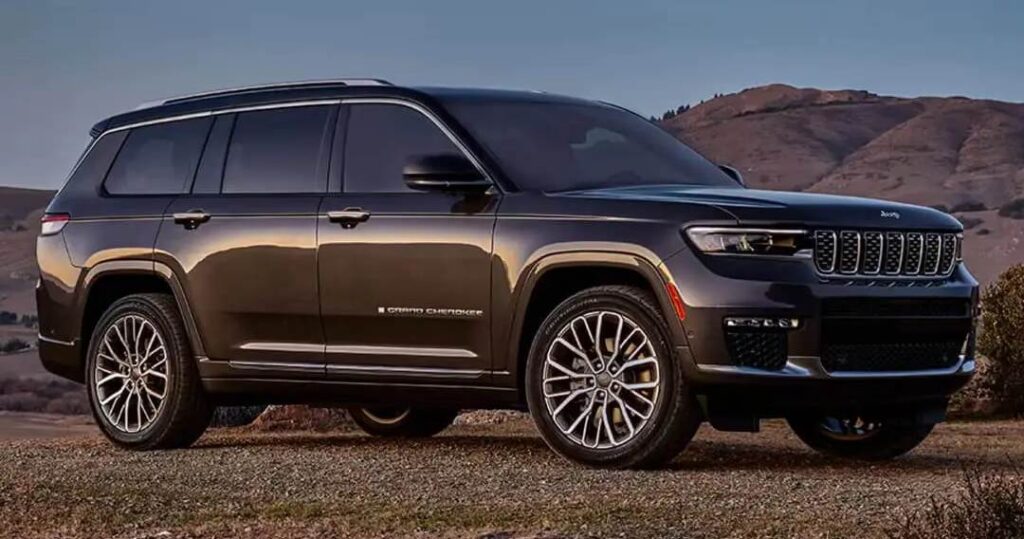
What Is a Blend Door Actuator and Why Does It Fail?
The blend door actuator is one of the most important components inside your Jeep Grand Cherokee’s HVAC system. Although it is a small electrical device, it plays a major role in controlling cabin comfort by managing the position of the blend door inside the heating and air conditioning housing.
When you adjust the temperature settings on your climate control panel, the actuator receives signals from the vehicle’s HVAC control module. It then moves the blend door to control how much warm or cold air enters the cabin. In vehicles equipped with dual-zone climate control, separate actuators may control the driver and passenger side temperatures independently.
A properly functioning blend door actuator allows your Jeep Grand Cherokee to maintain accurate temperature settings and distribute airflow correctly. However, when the actuator starts to fail, the climate control system may become unpredictable. You may experience warm air when the AC is turned on, uneven temperatures between cabin zones, or strange noises coming from behind the dashboard.
Several factors can cause a blend door actuator to fail over time. One of the most common reasons is worn internal plastic gears. Since the actuator moves frequently whenever you adjust the temperature or airflow settings, these small gears can eventually crack, strip, or lose their ability to move the blend door properly.
Electrical problems can also contribute to actuator failure. A weak motor, damaged wiring connection, or incorrect signals from the HVAC control module may prevent the actuator from operating correctly. In some cases, a stuck blend door can place extra stress on the actuator motor, causing premature failure.
Replacing a faulty actuator is usually much more affordable than replacing the entire HVAC assembly. Understanding how this component works can help Jeep Grand Cherokee owners diagnose problems early and avoid unnecessary repair expenses.
Common Symptoms of a Bad Jeep Grand Cherokee Blend Door Actuator
A failing blend door actuator often produces noticeable warning signs before it completely stops working. Recognizing these symptoms early can help you confirm the problem and prevent unnecessary replacement of other HVAC components.
Clicking or Ticking Noise Behind the Dashboard
One of the most common signs of a bad Jeep Grand Cherokee blend door actuator is a repeated clicking or ticking sound behind the dashboard. Many owners notice this noise immediately after starting the vehicle, turning on the ignition, or changing the climate control settings.
This sound usually occurs when the internal gears inside the actuator become damaged. The motor continues trying to move the blend door, but the worn gears cannot maintain proper contact, creating a clicking noise.
If the noise disappears when you turn off the climate control system, the actuator is one of the first components you should inspect.
One Side Blows Hot Air While the Other Side Is Cold
Jeep Grand Cherokee models equipped with dual-zone climate control can experience uneven temperature problems when a blend door actuator fails.
A common complaint is that the driver side produces cold air while the passenger side blows warm air, or the opposite situation occurs. This happens because one actuator may no longer be positioning its blend door correctly.
Before replacing expensive components such as the AC compressor or heater core, checking the blend door actuator can save significant time and money.
Temperature Controls Stop Responding
Another indication of actuator failure is when changing the temperature setting does not create any noticeable difference.
You may increase or decrease the temperature on the control panel, but the air coming from the vents remains unchanged. This usually means the actuator is not moving the blend door as commanded.
Incorrect Airflow Direction
A faulty actuator can also affect airflow distribution. You may notice that air does not switch correctly between different modes, including:
Defrost mode for windshield airflow
Panel vents for face-level cooling
Floor vents for heating
If the system cannot redirect airflow properly, the actuator responsible for controlling the air distribution door may need replacement.
HVAC System Calibration Problems
Some Jeep Grand Cherokee models may experience calibration issues after actuator failure. The HVAC system relies on actuator feedback to determine the correct door position. When the actuator loses its position accuracy, the system may require recalibration after installation of a new component.
Jeep Grand Cherokee Blend Door Actuator Location
Finding the correct blend door actuator location is one of the most important steps before starting a Jeep Grand Cherokee blend door actuator replacement. Many owners make the mistake of purchasing a replacement part before confirming which actuator has failed.
The exact location depends on the Jeep Grand Cherokee model year, HVAC configuration, and whether the vehicle uses single-zone or dual-zone climate control.
For older Jeep Grand Cherokee models, including some WK generation vehicles, the blend door actuators are typically located around the HVAC housing behind the dashboard. Access may require removing interior panels, the glove box, or other trim components.
For Jeep Grand Cherokee WK2 models from 2011 and newer, actuator locations can vary depending on their function. Some actuators are positioned behind the glove box area, while others may be located deeper inside the dashboard near the center HVAC assembly.
Common actuator locations include:
The passenger side behind the glove box
The driver side near the steering column area
The center section of the dashboard near the HVAC housing
Before removing any parts, it is important to identify which actuator controls the problem you are experiencing. A Jeep Grand Cherokee HVAC system may contain multiple actuators, including:
Temperature blend door actuator
Mode door actuator
Recirculation door actuator
Replacing the wrong actuator will not solve the original problem and can lead to wasted time and additional repair costs.
Before beginning the repair, check your vehicle’s model year, engine configuration, and climate control system. Taking pictures of the original actuator position and electrical connections can also make the installation process much easier.
Proper identification is the foundation of a successful Jeep Grand Cherokee Blend Door Actuator Replacement. A careful inspection before starting can help you complete the repair faster and avoid unnecessary complications.
Tools and Parts Needed for Jeep Grand Cherokee Blend Door Actuator Replacement
Before starting a Jeep Grand Cherokee Blend Door Actuator Replacement, preparing the correct tools and replacement parts will make the repair process smoother and help prevent unnecessary delays. Although the actuator itself is a small component, accessing it can sometimes require careful removal of interior panels and tight working areas behind the dashboard.
Having the right equipment is especially important because forcing panels or using incorrect tools can cause broken clips, damaged wiring connectors, or additional repair costs.
Essential Tools for the Job
The exact tools required may vary depending on your Jeep Grand Cherokee model year, but most replacements can be completed with common automotive hand tools.
Socket Set and Ratchet
A small socket set is usually required to remove mounting screws that secure the actuator to the HVAC housing. Many Jeep interior components use smaller metric fasteners, so having multiple socket sizes available is recommended.
Screwdrivers
Both flathead and Phillips screwdrivers may be needed for removing trim panels, covers, or electrical connectors. A magnetic screwdriver can be helpful when working in narrow dashboard areas where dropped screws are difficult to retrieve.
Trim Removal Tools
Plastic trim removal tools are highly recommended when removing dashboard panels. These tools help prevent scratches and reduce the chance of breaking plastic clips.
Using metal tools on interior trim can easily leave marks or damage delicate components.
Flashlight or Inspection Light
The actuator is often located in a dark area behind the dashboard. A bright flashlight or flexible inspection light makes it easier to identify the correct component and avoid disconnecting the wrong parts.
Gloves and Safety Equipment
Protective gloves can prevent cuts from sharp plastic edges and metal brackets inside the dashboard area. Disconnecting the battery before working on electrical components is also an important safety step.
Choosing the Correct Replacement Actuator
Selecting the correct replacement part is just as important as having the right tools. Jeep Grand Cherokee models may use different actuators depending on the year, trim level, and HVAC system configuration.
Before purchasing a replacement, confirm:
Your Jeep Grand Cherokee model year
Whether the vehicle uses single-zone or dual-zone climate control
The exact actuator location and function
The manufacturer part number if available
OEM vs Aftermarket Blend Door Actuator
Many Jeep owners choose between OEM and aftermarket replacement actuators.
OEM actuators are designed specifically for Jeep vehicles and usually provide excellent compatibility. They may cost more, but they often provide reliable long-term performance.
Aftermarket actuators can be a more affordable option and many perform well when purchased from reputable manufacturers. However, extremely cheap parts may use lower-quality internal gears or motors, which can result in premature failure.
Choosing a high-quality replacement actuator can save time and money by reducing the chance of repeating the repair in the future.
Step-by-Step Jeep Grand Cherokee Blend Door Actuator Replacement
Replacing a blend door actuator on a Jeep Grand Cherokee requires patience and attention to detail. While the repair process is not always complicated, access can be challenging because the actuator is located behind interior components.
The exact procedure may vary depending on your vehicle generation, but the following steps provide a general guide for completing the replacement safely.
Step 1: Disconnect the Battery
Before working on any electrical component inside your Jeep Grand Cherokee, disconnect the negative battery terminal.
The actuator connects directly to the vehicle’s electrical system, and disconnecting the battery reduces the risk of electrical shorts or accidental activation of other systems.
After disconnecting the battery, wait several minutes before beginning the repair. This allows vehicle electronics to fully shut down.
Step 2: Identify the Faulty Actuator
Before removing any dashboard components, confirm which actuator needs replacement.
Your Jeep Grand Cherokee may contain several HVAC actuators, including temperature blend actuators, mode actuators, and recirculation actuators.
Replacing the wrong actuator is one of the most common mistakes during this repair.
Use the symptoms as a guide:
A temperature problem may indicate a blend door actuator issue.
Airflow direction problems may point toward a mode door actuator.
Air circulation problems may involve the recirculation actuator.
If possible, compare the actuator location with a repair manual or vehicle-specific service information before removing parts.
Step 3: Remove Interior Panels for Access
Once you confirm the correct actuator location, carefully remove the necessary interior panels.
Depending on your Jeep Grand Cherokee model, this may include:
The glove box assembly
Lower dashboard panels
Trim covers
Access panels around the HVAC housing
Take your time during this step. Interior clips can become brittle as vehicles age, especially in areas exposed to heat and sunlight.
Place removed screws and clips in a small container to prevent losing hardware during the repair.
Taking photos before removal can also help you remember the correct installation position later.
Step 4: Disconnect the Electrical Connector
After reaching the actuator, locate the electrical connector attached to the unit.
Press the locking tab carefully and disconnect the connector. Avoid pulling on the wiring because damaged electrical connections can create additional HVAC problems.
Inspect the connector for:
Broken pins
Corrosion
Loose connections
A damaged connector should be repaired before installing a new actuator.
Step 5: Remove the Old Actuator
The blend door actuator is usually secured with several small screws. Remove these screws carefully and keep them organized for installation of the new component.
Once the screws are removed, gently pull the actuator away from the HVAC housing.
Do not force the actuator if it does not come out easily. The internal blend door connection may still have slight tension, and excessive force could damage the HVAC housing.
Compare the old actuator with the replacement part before installation. Check that:
The mounting holes match
The electrical connector is identical
The actuator arm or gear position is compatible
The replacement part matches the original design
Step 6: Install the New Actuator
Position the new actuator in the same location as the original unit.
Carefully align the actuator shaft with the blend door mechanism. Incorrect alignment may cause the actuator to operate incorrectly or create clicking noises after installation.
Secure the actuator with the original screws and tighten them firmly. Avoid over-tightening because plastic HVAC components can crack under excessive pressure.
Reconnect the electrical connector until it clicks securely into place.
Step 7: Reinstall Removed Interior Components
After installing the new actuator, reinstall all removed panels and trim pieces.
Before completely closing everything, it is a good idea to test the system first. If the actuator does not operate correctly, accessing it again will be much easier before reinstalling all panels.
Step 8: Perform HVAC Calibration
Many Jeep Grand Cherokee models require HVAC calibration after actuator replacement.
Calibration allows the climate control system to relearn the actuator’s operating range and identify the correct door positions.
Depending on the vehicle model, calibration may be completed through:
A professional diagnostic scan tool
A manufacturer-specific HVAC reset procedure
An automatic relearn process after reconnecting the battery
Skipping calibration can result in continued temperature problems even with a new actuator installed.
Step 9: Test the Climate Control System
After completing the installation, test all HVAC functions.
Check:
Temperature adjustment from hot to cold
Driver and passenger side temperature control
Airflow direction changes
Unusual noises from behind the dashboard
Proper operation of the AC and heater system
A successful repair should restore smooth temperature control and eliminate clicking sounds caused by the failed actuator.
Completing each step carefully will help ensure a reliable Jeep Grand Cherokee Blend Door Actuator Replacement and reduce the possibility of future HVAC problems.
Jeep Grand Cherokee Blend Door Actuator Replacement Cost
Understanding the cost of a Jeep Grand Cherokee Blend Door Actuator Replacement can help you decide whether a DIY repair or professional service is the better option. The total expense depends on several factors, including the vehicle model year, actuator type, replacement part quality, and labor costs.
For many Jeep Grand Cherokee owners, the actuator itself is not an expensive component. The main cost difference usually comes from the time required to access and replace the part.
DIY Replacement Cost
If you choose to replace the blend door actuator yourself, your primary expense will be the replacement part and any tools you may need to purchase.
A DIY repair typically includes:
The cost of the replacement actuator
Basic hand tools if you do not already own them
Possible diagnostic equipment for calibration
Many owners choose the DIY approach because it can significantly reduce labor costs. If the actuator is located in an accessible area, the repair may only require a few hours of work.
However, saving money requires careful preparation. Buying the wrong actuator or damaging interior components during removal can increase the overall repair cost.
Professional Repair Cost
Taking your Jeep Grand Cherokee to a repair shop or dealership usually increases the total cost because of labor charges.
Professional service costs may vary depending on:
The location of the actuator
The amount of dashboard disassembly required
The hourly labor rate
The replacement part selected
Some actuator replacements are relatively simple, while others require more time because the technician must remove multiple interior panels to access the HVAC housing.
Factors That Affect Replacement Price
Several factors influence the final cost of a Jeep Grand Cherokee Blend Door Actuator Replacement.
Vehicle Model Year
Different Jeep Grand Cherokee generations have different HVAC designs. Newer models may have more advanced climate control systems, which can affect repair complexity.
Actuator Location
An easily accessible actuator behind the glove box is usually faster to replace than one located deeper inside the dashboard.
OEM vs Aftermarket Parts
OEM replacement parts typically cost more but provide factory-level compatibility. Aftermarket parts may reduce costs while still providing good performance when sourced from reliable manufacturers.
Additional HVAC Problems
Sometimes a failed actuator is only part of a larger HVAC issue. A technician may discover damaged wiring, a stuck blend door, or control module problems during diagnosis.
For most owners, replacing the actuator early after noticing symptoms is the best way to prevent more expensive repairs later.
Common Mistakes to Avoid During Jeep Grand Cherokee Blend Door Actuator Replacement
Although replacing a blend door actuator is a manageable repair for many experienced DIY enthusiasts, several mistakes can turn a simple repair into a frustrating and expensive project.
Understanding the most common errors can help you complete the job successfully the first time.
Replacing the Wrong Actuator
One of the biggest mistakes is replacing an actuator without properly confirming that it is the source of the problem.
The Jeep Grand Cherokee HVAC system may contain multiple actuators, and each one controls a different function.
Before purchasing a replacement part, verify:
The symptoms match actuator failure
The actuator location is correct
The replacement part matches your vehicle specifications
Replacing the wrong component wastes time and money while leaving the original problem unresolved.
Skipping HVAC Calibration
Installing a new actuator does not always mean the repair is complete.
Some Jeep Grand Cherokee models require calibration or relearning after replacement. Without this step, the HVAC system may not correctly recognize the new actuator position.
Symptoms after skipping calibration may include:
Incorrect temperature control
Repeated clicking noises
Airflow problems
Unresponsive climate settings
Always check whether your specific model requires an HVAC reset procedure.
Choosing Low-Quality Replacement Parts
Saving money by purchasing the cheapest available actuator can create problems later.
Low-quality replacement parts may have weaker motors or plastic gears that wear out quickly. Since accessing the actuator can be time-consuming, replacing it again soon after installation can be frustrating.
A reliable replacement part from a trusted manufacturer is usually a better long-term investment.
Damaging Interior Panels During Removal
Dashboard components are often made from plastic that becomes more fragile with age.
Using excessive force when removing trim panels can cause:
Broken clips
Scratched surfaces
Loose interior pieces
New rattling noises
Using proper trim tools and working carefully can help protect your Jeep’s interior.
Failing to Test Before Reassembly
Many DIY repairs become more difficult because owners reinstall all panels before testing the new actuator.
Before completing the final assembly:
Reconnect the battery
Test climate control functions
Listen for unusual noises
Confirm temperature changes
Testing early allows you to fix any remaining issues without repeating the entire removal process.
Avoiding these common mistakes will make your Jeep Grand Cherokee Blend Door Actuator Replacement faster, easier, and more successful.
Jeep Grand Cherokee Blend Door Actuator Replacement: DIY vs Professional Repair
When dealing with a faulty blend door actuator, many Jeep Grand Cherokee owners wonder whether they should complete the repair themselves or hire a professional technician.
The right choice depends on your mechanical experience, available tools, and the location of the failed actuator.
When DIY Replacement Makes Sense
A DIY Jeep Grand Cherokee Blend Door Actuator Replacement can be a good option if you have experience with basic automotive repairs.
DIY may be suitable when:
You are comfortable removing interior panels
You have basic hand tools
You can identify the correct actuator
You have enough time to complete the repair carefully
The main advantage of DIY repair is cost savings. You avoid labor charges and gain a better understanding of your vehicle’s HVAC system.
For accessible actuator locations, a careful DIY repair can provide excellent results.
When Professional Repair Is Better
Professional service may be the better option in certain situations.
Consider hiring a technician if:
The actuator location is difficult to access
The dashboard requires extensive disassembly
You cannot confirm which actuator has failed
The HVAC system has multiple problems
You do not have the necessary tools
Experienced technicians can quickly diagnose HVAC issues and use professional scan tools for calibration procedures.
Finding the Right Balance
The best approach is to evaluate the complexity of your specific Jeep Grand Cherokee model.
A simple actuator replacement may be a rewarding weekend project for an experienced owner. A complicated repair involving deep dashboard access may be better handled by a professional to avoid accidental damage.
Regardless of which option you choose, diagnosing the problem correctly is the most important step. Replacing the correct actuator with a quality part can restore proper climate control performance and help keep your Jeep Grand Cherokee comfortable in all weather conditions.
Conclusion
A faulty blend door actuator can quickly turn a comfortable Jeep Grand Cherokee driving experience into a frustrating problem. Whether you are dealing with uneven temperatures, clicking sounds behind the dashboard, or climate control settings that no longer respond correctly, identifying the issue early can help prevent unnecessary repair costs.
A successful Jeep Grand Cherokee Blend Door Actuator Replacement starts with accurate diagnosis. Before purchasing a replacement part, make sure you identify the correct actuator, confirm its location, and choose a high-quality replacement that matches your vehicle’s specifications.
For experienced DIY enthusiasts, replacing a blend door actuator can be a practical way to save money while gaining valuable knowledge about your vehicle’s HVAC system. With the right tools, careful preparation, and attention to detail, many owners can complete this repair successfully.
However, professional assistance may be the better choice when the actuator is difficult to access, the HVAC system has additional problems, or specialized calibration equipment is required.
A properly functioning blend door actuator helps restore accurate temperature control, balanced airflow, and a more comfortable driving experience. Taking action when you first notice symptoms can save time, reduce repair expenses, and keep your Jeep Grand Cherokee performing at its best.
Have you completed a Jeep Grand Cherokee Blend Door Actuator Replacement before? Share your vehicle model year, repair experience, and any helpful tips in the comments below to help other Jeep owners solve similar HVAC problems.