Finding the correct Jeep Cherokee paint code location is the first step toward achieving a flawless paint repair. Whether you’re touching up a small scratch, repainting a replacement body panel, or restoring an older Cherokee, using the exact factory paint color ensures a seamless finish that matches the rest of your vehicle. Unfortunately, many Jeep owners discover that locating the paint code isn’t always straightforward. The sticker may be placed in different locations depending on the model year and generation, leaving owners searching under the hood, inside door frames, or throughout the cabin without success.
The good news is that every Jeep Cherokee left the factory with a designated paint code that identifies its original exterior color. Once you know where to look, finding this code takes only a few minutes. However, because the Cherokee has evolved through multiple generations, including the XJ, KJ, KK, and KL models, the location of the paint code label has changed over time.
This comprehensive guide explains the Jeep Cherokee paint code location for every major model year, helping you quickly identify your factory color code. You’ll also learn how to read the paint code, recognize common Jeep color codes, and discover alternative ways to identify your paint color if the original sticker is missing or damaged. By the end of this guide, you’ll have everything you need to order the correct OEM touch-up paint and restore your Jeep with confidence.
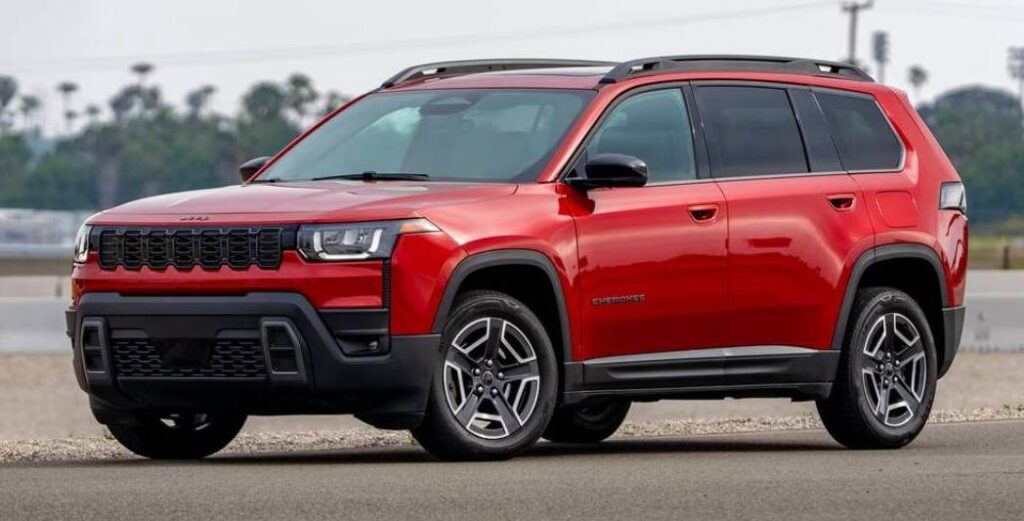
What Is a Jeep Cherokee Paint Code?
A Jeep Cherokee paint code is a short sequence of letters and numbers used to identify the exact exterior color applied to the vehicle at the factory. It is sometimes called a color code, factory paint code, OEM paint code, or body color code. Although these terms may sound different, they usually refer to the same essential information.
The paint code allows a Jeep dealership, body shop, paint supplier, or vehicle owner to find a color formula that matches the original finish. For example, two Jeep Cherokees may both appear black, but one could be Diamond Black Crystal Pearl while another could have a different black finish from an earlier model year. The colors may look similar in a photograph, yet their metallic particles, pearl effects, undertones, and mixing formulas can be noticeably different.
Most Jeep paint codes contain three characters, although the format can vary by year and market. Common examples include PW7 for Bright White, PXJ for Diamond Black Crystal Pearl, PAU for Granite Crystal Metallic, and PRV for Velvet Red Pearl. On some labels or paint supplier databases, the code may appear with an additional letter before it. For instance, PW7 may also be displayed as GW7, depending on the catalog or labeling system. The core color identifier is often the final three characters.
The paint code should not be confused with the Vehicle Identification Number. A VIN is a unique 17 character number that identifies the vehicle, manufacturer, production details, and other specifications. The paint code is much shorter and identifies the factory exterior color. The VIN does not normally display the paint color in a way that an owner can decode by simply reading it. However, a Jeep dealership may be able to use the VIN to access the original build information and retrieve the factory paint code. Jeep states that the VIN can be found near the driver side dashboard below the windshield and on official documents such as the registration, title, and insurance paperwork.
Knowing the exact code is important because a color name alone may not be enough to purchase matching automotive paint. Jeep can use similar names across several model years, while the underlying formula may change. Different colors can also look nearly identical in shade, especially when viewed on a phone screen or under artificial lighting.
You should therefore confirm both the paint code and the model year before ordering touch up paint, spray cans, paint pens, or refinishing materials. This small step can prevent an expensive mismatch and make the finished repair look much more professional.
Why the Jeep Cherokee Paint Code Matters
Finding the correct Jeep Cherokee paint code location matters because automotive paint matching is more precise than simply choosing a color that looks close. Modern vehicle finishes often contain several layers, including a primer, base coat, metallic or pearl particles, and a protective clear coat. Even a small difference in the base color can become obvious after the repair dries.
One of the most common reasons owners search for the paint code is to repair stone chips, scratches, and small areas of paint loss. A properly matched paint pen can make minor damage less noticeable and protect exposed metal from moisture and corrosion. However, using the wrong white, silver, black, or red can make the repaired area stand out more than the original scratch.
The code is also essential when replacing a damaged bumper, fender, hood, mirror cover, or door. A body shop must begin with the correct factory formula before adjusting the paint to account for the condition of the vehicle. Without the original code, the technician has to spend more time identifying the closest available formula.
This does not mean that a factory code guarantees an invisible repair in every situation. Paint changes gradually as a vehicle ages. Sunlight, heat, road salt, washing chemicals, oxidation, previous repairs, and environmental exposure can alter its appearance. A Cherokee that has spent ten years outdoors may no longer look exactly like freshly mixed factory paint.
Professional body shops address this problem by creating test cards, comparing color variants, and blending new paint into an adjacent panel. The paint code provides the correct starting formula, while visual matching and blending help compensate for age and environmental wear.
Using the right code is particularly important for metallic and pearl finishes. Metallic paint contains small reflective particles that can look lighter or darker depending on how the paint is mixed and sprayed. Pearl finishes can shift in appearance under sunlight, shade, and indoor lighting. A paint that seems close while still inside the container may look completely different once it is applied to the vehicle.
The correct paint code can also protect the visual condition and resale appeal of your Jeep Cherokee. Buyers often notice mismatched panels, visible touch up spots, and poorly repaired body damage. While a small paint repair may not dramatically change a vehicle’s value, clean and consistent bodywork can create a stronger impression that the Jeep has been properly maintained.
The code can help with the following projects:
- Repairing rock chips on the hood or front bumper
- Covering scratches on doors and quarter panels
- Painting a replacement mirror cap or door handle
- Refinishing a damaged bumper, fender, or tailgate
- Restoring an older Jeep Cherokee
- Confirming the original color after a previous repaint
- Ordering OEM or aftermarket touch up paint
The greatest customer pain point is discovering a mismatch after the product has already been applied. Automotive touch up paint may darken or change slightly as it dries, so an incorrect color is not always obvious immediately. Removing it and starting again can require sanding, cleaning, polishing, or professional refinishing. Locating the correct code before purchasing paint is much easier and less expensive.
Jeep Cherokee Paint Code Location by Model Year
The first place to check on most Jeep Cherokee models is the driver side door opening. Open the front driver door and inspect the door jamb, the edge of the door, and the vertical body pillar near the latch. Look for a manufacturer certification label containing the VIN, production information, tire data, and other vehicle details.
The exterior paint code may appear near a label such as PNT, PAINT, COLOR, EXT PNT, or BODY COLOR. It is usually a short code containing letters and numbers. Do not assume that every short code on the label represents the paint color because the same area may contain trim, axle, transmission, or equipment codes.
Label placement and format can vary by assembly plant, country, model generation, and production year. Some vehicles may not show the paint code clearly on the certification label. The following guide identifies the most likely places to inspect, but owners should verify the result through a Jeep dealer or paint supplier before ordering a large quantity of paint.
1984 to 2001 Jeep Cherokee XJ
For a Jeep Cherokee XJ, begin by checking the driver side door jamb and the door itself. Look carefully around the latch area and along the body pillar. Older labels can fade, crack, become covered with dirt, or disappear after body repairs.
If the door area does not contain a readable code, inspect the engine compartment. Depending on the production year and market, identifying information may be attached to the firewall, radiator support, inner fender, or another painted metal surface under the hood.
Owners of older XJ models should also consider that the door, hood, or body panel may have been replaced during the vehicle’s life. A label attached to a replacement door may not match the rest of the body. Similarly, the Jeep may have been repainted in a different color while the original factory records still show its first color.
Before buying restoration paint, compare the code with an OEM color chart for the exact model year. A professional paint scan is strongly recommended when the paint is heavily faded or when previous repairs are visible.
2002 to 2007 Jeep Cherokee KJ
In North America, this generation was sold as the Jeep Liberty. In many international markets, it carried the Cherokee name. This difference matters when searching online because parts catalogs and paint databases may list the same vehicle under different model names.
Start your search at the driver side door jamb or B pillar. Inspect the vehicle certification label and look for a paint identifier. You may need to clean the surface gently because road dust and years of use can make small print difficult to read.
If the label does not display a recognizable code, record the VIN and contact a Jeep parts department. Make sure you tell the paint supplier whether the vehicle is listed as a Cherokee or Liberty in your market. Searching both names may help you find the correct color catalog.
2008 to 2013 Jeep Cherokee KK
The KK generation was also marketed as the Liberty in the United States and as the Cherokee in a number of other regions. The driver side door opening remains the best place to begin.
Check the B pillar, door frame, and certification sticker. Use a flashlight and take a clear photograph of the entire label. Enlarging the photo on your phone may make small codes easier to identify.
Do not confuse the paint code with the trim code. The trim code refers to interior materials and colors, while the exterior paint code is used for the body finish. When several codes appear together, provide the complete label photograph to a reputable automotive paint supplier instead of guessing.
2014 to 2023 Jeep Cherokee KL
On the KL generation, inspect the manufacturer label in the driver side door jamb or on the driver side body pillar. This label generally contains the VIN and important production details. Search for a three character paint code or a field associated with exterior paint.
If you cannot find the code, use the VIN when contacting an authorized Jeep dealership. A dealer may be able to access the build information associated with the vehicle. Jeep also provides owner resources and vehicle related services through its official website, although the information available can differ by country and model year.
Be careful when purchasing paint for KL models because several popular colors use metallic, crystal, or pearl effects. A basic color name from a used vehicle listing is not reliable enough. Confirm the actual code before ordering.
2024 and Newer Cherokee Models
Model availability and naming can vary significantly by country. The KL Cherokee ended production for the North American market after the 2023 model year, while the Cherokee name and later offerings may differ across regions. Current Jeep listings should therefore be checked for the specific country, model, and production date rather than assuming the same model year range applies worldwide. Jeep’s current official model pages show that Cherokee availability and specifications continue to evolve.
For any newer vehicle carrying the Cherokee name, begin with the driver side door frame or certification label. If no paint code is printed there, contact an authorized Jeep service or parts department with the complete VIN. The dealership can confirm whether the code is stored in the factory build record.
Avoid ordering paint based only on the color displayed in an online configurator. Screen brightness, photography, image processing, and lighting can make a factory color appear different from the physical finish.
Quick Location Checklist
Before assuming the paint code label is missing, inspect these areas carefully:
- Driver side door jamb
- Driver side B pillar
- Edge of the driver door
- Manufacturer certification label
- Firewall or radiator support on older models
- Inner fender area under the hood
- Original build records available through a Jeep dealer
Once you find a possible code, photograph the label and record the VIN. Confirm the code with a trusted paint supplier, especially when buying expensive spray equipment, base coat, or professional refinishing materials. Taking a few minutes to verify the Jeep Cherokee paint code location can prevent wasted money, extra repair work, and a highly visible color mismatch.
How to Read a Jeep Cherokee Paint Code
Once you have located the paint code label, the next step is understanding what the code actually means. Fortunately, Jeep paint codes are relatively simple compared to many other vehicle identification numbers. In most cases, the factory paint code consists of two or three letters and numbers that correspond to a specific exterior color formula.
For example, one of the most common Jeep Cherokee paint codes is PW7, which represents Bright White. Another popular code is PXJ, used for Diamond Black Crystal Pearl. Metallic colors such as Granite Crystal Metallic are identified by PAU, while Billet Silver Metallic uses PSC. These codes are recognized by OEM paint manufacturers, automotive paint suppliers, and professional body shops around the world.
Below are several factory paint codes commonly found on Jeep Cherokee models.
| Paint Code | Factory Color |
|---|---|
| PW7 | Bright White |
| PXJ | Diamond Black Crystal Pearl |
| PAU | Granite Crystal Metallic |
| PSC | Billet Silver Metallic |
| PRV | Velvet Red Pearl |
| PBJ | Hydro Blue Pearl |
| PSE | Bright Silver Metallic |
| PDM | Maximum Steel Metallic |
| PVP | Deep Cherry Red Crystal Pearl |
Depending on the production year, you may notice additional letters before the paint code. For instance, PW7 may appear as GW7 in certain databases or parts catalogs. This does not usually indicate a different paint color. Instead, it reflects Jeep’s internal coding system or the format used by the paint supplier. When ordering paint, always provide the complete code exactly as it appears on the vehicle label or confirm the equivalent code with the supplier.
Another important point is that the paint code identifies only the factory color. It does not specify the finish quality, the amount of metallic flake, or the application technique required for a professional repair. Even with the correct code, factors such as spray pressure, paint thickness, blending technique, and clear coat application all influence the final appearance.
If you are purchasing touch up paint online, double check that the product specifically lists compatibility with your Jeep Cherokee model year. Many reputable suppliers allow you to search by paint code, ensuring you receive the correct factory formula instead of a similar looking aftermarket color.
When in doubt, send both your paint code and vehicle year to the paint supplier before placing an order. This simple verification step greatly reduces the chance of receiving the wrong product.
What Does the Paint Code Sticker Look Like?
Many Jeep owners know that a paint code exists but are unsure what they are actually looking for. The manufacturer label contains several different numbers and abbreviations, making it easy to overlook the paint code even when it is directly in front of you.
On most Jeep Cherokee models, the label is a white, silver, or black rectangular sticker attached to the driver’s side door jamb or B pillar. It typically includes information such as the Vehicle Identification Number, manufacturing date, tire specifications, Gross Vehicle Weight Rating, and safety certification details.
Some labels clearly identify the paint code with descriptions such as PNT, PAINT, EXT PNT, BODY COLOR, or COLOR. On other models, only the code itself is displayed without an obvious description. This is why many owners mistake the paint code for another manufacturing code.
The sticker may also include information such as:
• Vehicle Identification Number (VIN)
• Manufacturing date
• Gross Vehicle Weight Rating (GVWR)
• Tire pressure recommendations
• Trim code
• Axle code
• Transmission code
• Engine information
Because several short alphanumeric codes appear on the same label, take your time before assuming one of them is the paint code. Comparing the code with an official Jeep color chart or an OEM paint database is often the easiest way to confirm you have identified the correct one.
Older Jeep Cherokee models present additional challenges. Heat, moisture, cleaning chemicals, and years of exposure can cause the label to fade or peel away completely. Dirt and grease may also hide important details. If the sticker appears dirty, gently wipe it with a soft microfiber cloth and mild cleaner. Avoid using harsh solvents that could damage the printed information.
Taking a clear photo with your smartphone is another useful technique. Zooming in on the image often reveals small characters that are difficult to read with the naked eye.
What If You Cannot Find the Paint Code?
Although the driver side door jamb is the most common location, there are situations where the original paint code label is missing or unreadable. This is especially common on older Jeep Cherokee models that have undergone collision repairs, door replacements, restorations, or repainting.
Fortunately, several reliable alternatives can help you identify the correct factory color.
The first option is contacting an authorized Jeep dealership. By providing the Vehicle Identification Number, the dealership can often access the original build record and confirm the factory paint code that was assigned when the vehicle was manufactured.
Another option is using a reputable VIN lookup service offered by professional paint suppliers. Some databases can retrieve factory paint information from manufacturer records. However, not every free VIN lookup website includes paint color data, so always verify the information before purchasing expensive paint products.
If your Jeep has previously been repainted, the factory paint code may no longer match the vehicle’s current appearance. In this situation, a professional body shop can use a computerized paint spectrophotometer to scan the existing finish. This equipment analyzes the color and generates the closest available paint formula, even if the original factory color has faded over time.
Owners restoring classic Cherokee XJ models should be particularly cautious. Many vehicles from the 1980s and 1990s have received multiple paint repairs throughout their lifetime. The body may no longer match the original factory records, especially if replacement doors, fenders, or tailgates were installed from donor vehicles.
If you are uncertain whether your Jeep still wears its original paint, inspect hidden areas such as the inside of the fuel filler door, the engine compartment, or behind interior trim panels. These locations are often less exposed to sunlight and may preserve the original color more accurately than exterior body panels.
Before purchasing paint, always compare the factory code, the vehicle’s current appearance, and the intended repair area. Spending a few extra minutes confirming the correct color can save hours of sanding, repainting, and unnecessary expense later.
Common Mistakes When Looking for the Paint Code
Finding the Jeep Cherokee paint code location is usually straightforward once you know where to look, but many owners still make simple mistakes that lead to ordering the wrong paint. Understanding these common errors can save both time and money while ensuring you purchase the correct factory color.
One of the most frequent mistakes is confusing the paint code with the Vehicle Identification Number. Although both appear on the manufacturer’s certification label, they serve completely different purposes. The VIN is a unique 17 character identifier that provides information about the vehicle’s manufacturer, model, engine, production plant, and model year. The paint code is much shorter and is used only to identify the factory exterior color.
Another common mistake is reading the trim code instead of the paint code. Many Jeep labels include codes for the interior upholstery, seat material, transmission, axle ratio, and optional equipment. Owners sometimes assume any short alphanumeric code represents the paint color, which can result in purchasing an incorrect paint formula.
Some owners also rely solely on the color name without verifying the actual paint code. For example, Jeep has offered several shades of white, black, gray, and silver over the years. Bright White, Stone White, White Knuckle, and Bright Silver may sound similar, but each has a different paint formula. Ordering paint based only on the color name can easily result in a noticeable mismatch.
Another mistake is ignoring the model year. Even when Jeep uses the same paint code across multiple years, manufacturers occasionally update paint formulations to meet environmental regulations or improve durability. Reputable paint suppliers typically ask for both the model year and paint code to ensure the closest possible match.
Owners of older Cherokee models should also be cautious if the vehicle has been repainted. A previous owner may have changed the exterior color completely while leaving the original certification label in place. In this situation, the factory paint code no longer matches the current finish. A professional paint scan is often the best solution for vehicles with extensive repaint history.
Weathering is another factor many people overlook. Years of exposure to sunlight, rain, snow, road salt, and air pollution gradually alter the appearance of automotive paint. Even when using the correct OEM formula, a freshly painted area may look slightly different until it has been professionally blended into the surrounding panels.
Finally, avoid purchasing paint from unknown sellers that advertise colors as “close enough” without referencing the official Jeep paint code. Quality automotive paint suppliers formulate their products using OEM specifications, giving you a much higher chance of achieving an accurate repair.
Before placing any order, verify three pieces of information:
- The correct Jeep Cherokee model year.
- The factory paint code.
- The current condition of the vehicle’s existing paint.
Taking a few extra minutes to confirm these details can prevent costly mistakes and produce a much more professional repair.
Frequently Asked Questions
Where is the paint code located on a Jeep Cherokee?
On most Jeep Cherokee models, the paint code is located on the manufacturer’s certification label inside the driver’s side door jamb or on the driver’s side B pillar. Older models may also have identifying labels in the engine compartment.
Can I find the paint code using the VIN?
Yes, in many cases an authorized Jeep dealership can retrieve the original factory paint code using your Vehicle Identification Number. Some professional paint suppliers also offer VIN based paint code lookup services.
Is the paint code the same as the VIN?
No. The VIN identifies the vehicle, while the paint code identifies the original factory exterior color. They are two separate pieces of information.
What if my paint code sticker is missing?
If the original label has been removed or damaged, contact a Jeep dealership with your VIN. If the vehicle has been repainted, a professional body shop can use a digital paint scanner to determine the closest matching color.
Can I buy touch up paint without the paint code?
Yes, but it is not recommended. Purchasing paint based only on the vehicle’s color name or appearance significantly increases the risk of receiving the wrong shade. The factory paint code remains the most accurate method of selecting touch up paint.
Why does the new paint still look slightly different?
Automotive paint naturally changes over time due to sunlight, oxidation, weather conditions, and regular use. Even with the correct factory paint code, professional blending may be necessary to achieve an invisible repair on older vehicles.
Do all Jeep Cherokee models use the same paint code location?
No. While the driver’s side door jamb is the most common location, the exact placement can vary by generation, production year, and manufacturing plant. Older Cherokee models may have additional labels inside the engine compartment.
Can aftermarket paint match the original factory color?
High quality aftermarket paint can closely match the factory finish when mixed using the correct OEM paint code. Choosing an experienced paint supplier is just as important as locating the correct paint code.
Conclusion
Locating the Jeep Cherokee paint code location is one of the most important steps before purchasing touch up paint, repainting body panels, or restoring your vehicle’s original appearance. Although the exact location varies between the XJ, KJ, KK, and KL generations, the manufacturer’s certification label inside the driver’s side door jamb remains the first place every owner should inspect.
Once you identify the factory paint code, you can confidently order OEM compatible paint that matches your Jeep’s original finish. If the label is missing, your VIN, dealership records, or a professional paint scan can help you determine the correct color without relying on guesswork.
Taking a few minutes to verify the paint code before buying paint can save significant time, money, and frustration. A properly matched repair not only improves the appearance of your Jeep Cherokee but also helps preserve its value and protects exposed body panels from further damage.
Whether you are repairing a small stone chip, restoring a classic Cherokee XJ, or replacing an entire body panel, using the correct factory paint code is always the foundation of a successful paint repair.
If you found this guide helpful, consider bookmarking it for future reference or sharing it with other Jeep Cherokee owners. Knowing exactly where to find the paint code can make every paint repair faster, easier, and far more accurate.