Mercedes-Benz vehicles are known for their luxurious interiors, advanced engineering, and intelligent climate control systems. However, even these sophisticated air conditioning systems can occasionally experience software glitches or temporary electronic issues. If your Mercedes air conditioner suddenly starts blowing warm air, the climate control panel becomes unresponsive, or the system behaves abnormally after a battery replacement, you may not need an expensive repair right away. In many cases, performing a Mercedes Air Conditioning Reset can restore normal operation and save both time and money.
Modern Mercedes models rely on multiple electronic control modules to manage the Heating, Ventilation, and Air Conditioning (HVAC) system. These modules continuously communicate with sensors throughout the vehicle to maintain the desired cabin temperature and airflow. Like any computer-controlled system, temporary software errors, voltage fluctuations, or interrupted calibrations can sometimes cause unexpected behavior. Resetting the air conditioning system allows these modules to reboot and reinitialize, potentially resolving minor issues without replacing any parts.
This comprehensive guide explains everything you need to know about performing a Mercedes Air Conditioning Reset safely and correctly. You’ll learn the common signs that indicate a reset may help, step-by-step reset procedures, model-specific considerations, and situations where resetting alone will not solve the problem. By the end of this guide, you’ll know whether a simple reset is all your Mercedes needs or if it’s time to seek professional diagnosis for a more serious HVAC issue.
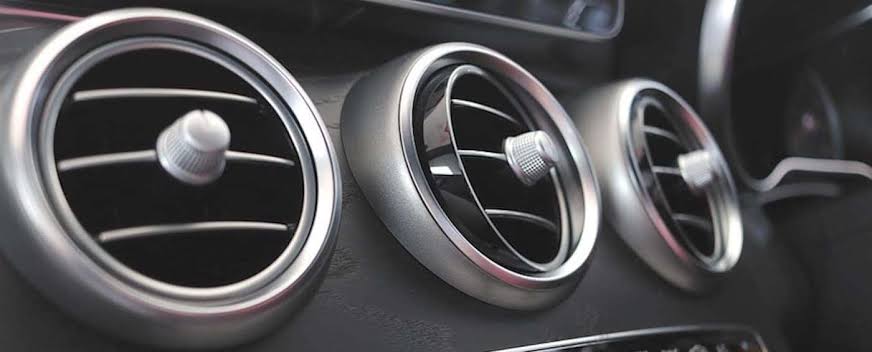
What Does a Mercedes Air Conditioning Reset Do?
A Mercedes air conditioning reset restarts or reinitializes the electronic controls responsible for managing cabin temperature, fan speed, airflow direction, and air conditioning operation. Modern Mercedes-Benz vehicles use a sophisticated Heating, Ventilation, and Air Conditioning system, commonly known as the HVAC system. Instead of relying only on mechanical switches, this system uses electronic modules, sensors, actuators, and control software to maintain the temperature selected by the driver and passengers.
The climate control module receives information from several components. Depending on the model and equipment level, these may include interior temperature sensors, exterior temperature sensors, sunlight sensors, evaporator temperature sensors, air-quality sensors, and refrigerant pressure sensors. The module processes this information and adjusts the blower motor, air distribution flaps, heater output, and air conditioning compressor accordingly.
Mercedes-Benz owner manuals show that climate control layouts and available functions vary across vehicle models and generations. Controls may include automatic climate mode, manual airflow adjustment, an A/C function, synchronization between temperature zones, defrost settings, and pre-entry climate control on certain vehicles. For that reason, there is no single reset sequence guaranteed to work on every Mercedes-Benz model.
A reset may help when the climate control module experiences a temporary communication error, incorrect stored setting, low-voltage event, or incomplete initialization. These issues may occur after a weak battery, battery replacement, jump-start, electrical repair, software interruption, or temporary sensor communication failure.
During a reset, the system may clear temporary operating data and restart communication between the climate control panel and related control modules. In some vehicles, the air distribution actuators may also move through their operating range while the system recalibrates their positions. This can help restore normal airflow when a flap or actuator has temporarily lost its reference position.
A successful Mercedes Air Conditioning Reset may correct symptoms such as:
- A climate control panel that responds slowly or appears frozen
- Fan speed that does not match the selected setting
- Airflow coming from the wrong vents
- Different temperatures from the driver and passenger vents
- Abnormal operation after replacing or disconnecting the battery
- An A/C function that does not respond until the vehicle is restarted
- Temporary error messages related to climate control
However, resetting the system does not repair damaged parts. It cannot replace missing refrigerant, seal a refrigerant leak, repair a failed compressor, restore a burned fuse, or fix a broken blend-door actuator. It also cannot solve wiring damage, sensor failure, or internal control-module failure.
This distinction is important because many Mercedes owners perform repeated resets while the actual problem continues to worsen. For example, if the system gradually loses cooling performance over several weeks, the vehicle may have a refrigerant leak rather than a software problem. If the blower does not run at any speed, the cause may be a fuse, blower motor, regulator, wiring issue, or control-module fault.
Think of the reset as an early troubleshooting step rather than a guaranteed repair. It is most useful when the problem appeared suddenly, especially after an electrical event, and when the system was working normally beforehand. If cooling performance has declined gradually or mechanical noises are present, a professional inspection is usually the safer next step.
Signs Your Mercedes Needs an Air Conditioning Reset
Not every air conditioning problem requires an immediate visit to a repair shop. Some symptoms suggest that the HVAC electronics may need to restart or recalibrate. Recognizing these signs can help you decide whether a Mercedes Air Conditioning Reset is worth trying before paying for diagnostic labor or replacement parts.
The Climate Control Panel Is Unresponsive
One of the clearest signs of a temporary electronic problem is a climate control panel that does not respond normally. You may press the A/C button, adjust the temperature, or change the fan speed without seeing the expected response.
The display may remain on the same setting, react slowly, or begin functioning again only after the ignition is switched off and restarted. When this happens, a reset may help restart the control module and restore communication with the dashboard controls.
Before assuming the module has failed, check whether other electrical systems are also behaving abnormally. Multiple electrical problems may indicate low battery voltage, a charging-system problem, or a broader communication fault.
The Air Conditioner Started Acting Strangely After Battery Replacement
Battery replacement is a common reason owners search for a Mercedes climate control reset. Disconnecting the battery interrupts power to multiple modules. After power is restored, certain systems may need time to reinitialize or relearn stored positions.
If the climate system worked correctly before the battery replacement but now blows air from unexpected vents, changes fan speed unpredictably, or does not maintain the selected temperature, a reset or diagnostic recalibration may be appropriate.
A weak battery can also produce similar symptoms. Modern vehicle modules depend on stable voltage, and a voltage drop during startup may temporarily disrupt communication. Repeated low-voltage events should be investigated rather than treated only with repeated resets.
The Driver and Passenger Vents Produce Different Temperatures
Dual-zone and multi-zone climate control systems allow occupants to select different temperatures. However, if both sides are set to the same temperature and one side remains noticeably warmer, the system may have an actuator calibration problem.
A reset may help if an electronic air-mixing flap has temporarily lost its reference position. However, persistent left-to-right temperature differences may also indicate a sticking actuator, damaged flap mechanism, low refrigerant charge, blocked heater component, or sensor problem.
Use the synchronization function, when equipped, to confirm that both zones are receiving the same temperature command. If the difference continues after a reset, professional diagnosis is recommended.
Air Comes From the Wrong Vents
Airflow that remains directed toward the windshield, footwell, or dashboard vents despite changing the selected setting may indicate that the air-distribution system is not responding correctly.
A reset may reinitialize the actuators that move the internal air doors. Listen carefully while changing airflow modes. Repeated clicking, tapping, or knocking behind the dashboard may indicate worn actuator gears or a jammed flap. A reset cannot repair physically damaged components.
Fan Speed Changes Without Driver Input
In automatic climate mode, fan speed normally changes as the vehicle works toward the selected cabin temperature. That behavior is expected. However, sudden or extreme fan changes that do not correspond with cabin conditions may suggest a sensor, control-module, blower regulator, or voltage issue.
Try switching from automatic mode to a manually selected fan speed. If the blower continues to surge, stops unexpectedly, or operates only at one speed, the problem may be electrical or mechanical rather than a temporary software glitch.
The System Blows Warm Air Immediately After an Electrical Event
Warm air after a battery disconnection, jump-start, fuse replacement, or electrical repair may be related to a temporary control issue. In this situation, restarting and reinitializing the climate control system may help.
Warm air can also indicate low refrigerant pressure, compressor failure, a pressure-sensor fault, or excessive outside temperature. If the A/C worked normally immediately before the electrical event, a reset is a reasonable early troubleshooting step. If cooling had already been declining, the timing may be coincidental.
The Problem Is Intermittent
Temporary faults often appear and disappear. The A/C may work normally during one trip but fail during the next. The fan may stop briefly and then restart. The climate control display may occasionally freeze before returning to normal.
Intermittent symptoms can come from software errors, loose electrical connections, failing sensors, damaged wiring, or components beginning to wear out. A reset may temporarily restore operation, but recurring symptoms should be scanned for stored diagnostic trouble codes.
The following table can help you judge whether a reset is likely to help:
| Symptom | Possible Cause | Can a Reset Help? |
|---|---|---|
| Panel temporarily frozen | Software or communication error | Possibly |
| Abnormal behavior after battery replacement | Lost initialization or low voltage | Possibly |
| Air directed from incorrect vents | Actuator calibration issue | Possibly |
| Different temperatures between zones | Calibration, actuator, sensor, or refrigerant issue | Sometimes |
| Compressor makes grinding noise | Mechanical compressor damage | No |
| Cooling became weaker over several weeks | Low refrigerant or leakage | Unlikely |
| Blower does not operate at any speed | Fuse, motor, regulator, wiring, or module issue | Unlikely |
| Repeated clicking behind dashboard | Damaged actuator or air flap | No |
| A/C works only while driving | Cooling fan, pressure, or airflow issue | Unlikely |
| Refrigerant or oily residue is visible | Refrigerant leak | No |
A reset is most appropriate when the problem appears suddenly and there are no obvious signs of physical damage. It should not be used to delay necessary repairs when the system makes unusual noises, produces a burning smell, leaks fluid, repeatedly blows fuses, or fails to cool after several attempts.
Safety Precautions Before Resetting the AC
A Mercedes Air Conditioning Reset is generally a low-risk troubleshooting step when it involves only the vehicle controls. However, procedures involving the battery, fuses, wiring, diagnostic equipment, or the engine compartment require greater care.
Taking a few precautions can prevent damaged electronics, lost settings, personal injury, and unnecessary repair costs.
Confirm the Correct Procedure for Your Model
Mercedes-Benz has produced many climate control systems across different models and generations. A reset sequence described for one C-Class, E-Class, GLC, GLE, or S-Class may not apply to another generation of the same model.
Before pressing button combinations or disconnecting the battery, check the owner’s manual for your exact model year and equipment configuration. Official Mercedes-Benz manuals present different climate control layouts and functions for different vehicles, confirming that the controls are not universal.
Avoid relying on an online procedure simply because the dashboard looks similar. A button combination that activates a diagnostic mode on one system may perform a different function or nothing at all on another.
Park the Vehicle Safely
Park on a level surface in a well-ventilated area. Shift the transmission into Park, apply the parking brake, and keep the vehicle away from moving traffic.
If the procedure requires the ignition to remain on, do not leave the vehicle unattended. Make sure the vehicle is not in an enclosed garage with the engine running, as exhaust gases can create a serious carbon monoxide hazard.
Check Battery Condition First
A weak battery may be the original cause of the climate control problem. If interior lights are dim, the engine cranks slowly, multiple warning messages appear, or electrical systems restart unexpectedly, test the battery before resetting the HVAC system.
Repeatedly cycling the ignition with a weak battery may lower voltage further. This can generate additional fault codes or cause other modules to behave unpredictably.
Use a suitable battery tester or have the battery and charging system inspected. On vehicles with advanced battery-management systems, replacement batteries may require the correct specification and electronic registration.
Do Not Disconnect the Battery While the Engine Is Running
Never remove a battery terminal while the engine is running. Disconnecting the battery under these conditions can create voltage spikes and damage sensitive electronic components.
If battery disconnection is genuinely required, switch off the ignition, remove the key when applicable, turn off all accessories, and allow the vehicle’s electronic systems time to shut down. Keep the key or smart key away from the vehicle so the car does not repeatedly wake its control modules.
The exact shutdown time and battery procedure vary by model. Follow the owner’s manual or approved service information for the specific vehicle.
Understand What May Be Lost After Battery Disconnection
Disconnecting the battery can affect stored settings. Depending on the vehicle, you may need to restore the clock, seat memory, radio preferences, window initialization, sunroof initialization, steering-angle calibration, or other convenience functions.
Temporary warning lights may appear after reconnection and may require a normal drive cycle or approved calibration procedure. Some vehicles may also store low-voltage and communication fault codes.
Because of these complications, a battery-disconnect reset should not be the first method used unless model-specific service information recommends it.
Keep Metal Tools Away From Live Terminals
If you work near the battery, remove jewelry and avoid allowing a metal tool to contact both a battery terminal and the vehicle body. A short circuit can cause severe sparks, burns, battery damage, or electronic failure.
Wear eye protection and suitable gloves. Batteries may release flammable gas and contain corrosive electrolyte. Do not smoke or create sparks nearby.
Do Not Open the Refrigerant System
A climate control reset does not require opening refrigerant lines. Do not loosen hoses, pressure fittings, service ports, or compressor connections.
Automotive refrigerant is stored under pressure and can cause cold burns or eye injuries. Refrigerant service requires proper recovery equipment, leak testing, and compliance with local environmental regulations.
Avoid adding refrigerant from a do-it-yourself can without confirming the actual system pressure and refrigerant specification. Overcharging can reduce cooling performance and damage the compressor.
Stop If You Notice Warning Signs
Do not continue with a reset if you smell burning insulation, see smoke, hear grinding from the compressor area, notice repeated fuse failure, or find damaged wiring. Switch the climate control system off and arrange an inspection.
A musty smell may indicate moisture or microbial growth around the evaporator or cabin filter. A sweet smell may suggest coolant entering the HVAC housing. An oily residue near refrigerant components may indicate a leak. None of these conditions can be repaired by resetting the system.
Use Diagnostic Tools Carefully
A compatible diagnostic scanner can provide valuable information, but generic scanners may not access all Mercedes HVAC modules. Professional diagnosis may require Mercedes-Benz-compatible equipment and model-specific software.
Do not erase fault codes before recording them. Stored codes and freeze-frame information can help a technician identify the original problem. Clearing everything immediately may remove useful evidence while leaving the actual fault unresolved.
The safest approach is to begin with the least invasive method. Confirm the control settings, restart the vehicle, inspect the relevant manual, and test the system. Move to battery disconnection or diagnostic recalibration only when the procedure is appropriate for the specific Mercedes model.
How to Perform a Mercedes Air Conditioning Reset (Step by Step)
There is no universal reset procedure that works for every Mercedes-Benz model. The exact process depends on the vehicle’s model year, climate control system, and electronic architecture. Some vehicles only require a simple system restart, while others may need battery disconnection or professional diagnostic equipment to recalibrate the HVAC control module.
Before attempting any reset, verify that the issue is likely related to the electronic control system rather than a mechanical failure. If you hear loud noises from the compressor, notice refrigerant leaks, or smell burning insulation, stop troubleshooting and have the system inspected by a qualified technician.
Method 1: Perform a Soft Reset
A soft reset is the safest and easiest method because it does not involve disconnecting the battery or accessing electrical components.
Step 1: Park the vehicle safely.
Park on a level surface, shift the transmission into Park, and apply the parking brake.
Step 2: Turn the ignition on.
Press the Start/Stop button without pressing the brake pedal, or insert the key and turn it to Position II depending on your Mercedes model. The dashboard should illuminate, but the engine should remain off.
Step 3: Turn off the air conditioning.
Disable the A/C function and switch the climate control system off using the climate control panel.
Step 4: Wait for approximately one minute.
Allow the control modules to enter a standby state before restarting the system.
Step 5: Restart the climate control.
Turn the air conditioning back on, select AUTO mode if available, and choose your preferred temperature.
Step 6: Start the engine.
Allow the engine to idle for several minutes while the HVAC system completes its startup routine.
Step 7: Test all climate control functions.
Verify that the blower responds correctly, the airflow changes between vents, both temperature zones operate normally, and cold air is produced when the A/C is activated.
If the problem disappears after this procedure, the issue may have been caused by a temporary software interruption.
Method 2: Battery Disconnect Reset
If the soft reset does not resolve the problem and your vehicle’s service information permits battery disconnection, you may perform a battery reset.
Step 1: Turn the ignition completely off.
Remove the key or ensure the Start/Stop system is fully shut down.
Step 2: Wait several minutes.
Allow the vehicle’s electronic control units to power down before disconnecting the battery.
Step 3: Disconnect the negative battery terminal.
Use the appropriate tool and remove only the negative terminal unless the service information specifies otherwise.
Step 4: Leave the battery disconnected.
Wait approximately 10 to 15 minutes to allow temporary memory within the control modules to clear.
Step 5: Reconnect the battery.
Reconnect the negative terminal securely and ensure there is no corrosion or loose connection.
Step 6: Start the vehicle.
Start the engine and allow it to idle without operating additional electrical accessories.
Step 7: Reinitialize vehicle systems.
Depending on your Mercedes model, you may need to initialize the power windows, sunroof, steering angle sensor, and other convenience features before driving.
Step 8: Test the air conditioning.
Check cooling performance, blower speed, vent selection, and dual-zone temperature control.
If the HVAC system now operates normally, the issue may have resulted from a temporary communication or initialization fault.
Method 3: Reset Using Diagnostic Equipment
Some Mercedes-Benz HVAC faults cannot be cleared manually because they are stored within the climate control module.
Professional diagnostic equipment such as Mercedes XENTRY or STAR Diagnosis can communicate directly with the HVAC control unit to perform advanced functions.
These tools allow technicians to:
- Read HVAC fault codes
- Clear stored diagnostic trouble codes
- Monitor live sensor data
- Calibrate blend door actuators
- Perform actuator tests
- Update software when applicable
- Verify compressor activation
- Confirm pressure sensor readings
If a fault returns immediately after being cleared, the system has likely detected an active problem that requires repair rather than another reset.
After Completing the Reset
Drive the vehicle for several minutes with the air conditioning operating in automatic mode. Observe whether the cabin reaches the selected temperature, whether airflow remains consistent, and whether any warning messages appear.
If the system continues to blow warm air, cycles on and off repeatedly, or produces unusual noises, additional diagnosis will be necessary. A reset should always be viewed as an initial troubleshooting step rather than a permanent repair.
Mercedes Air Conditioning Reset by Model
Although Mercedes-Benz uses similar climate control principles across its lineup, reset procedures and HVAC behavior may differ between generations. Electronic architecture, climate control modules, and available features have evolved significantly over the years.
The following overview highlights common considerations for popular Mercedes models.
Mercedes C-Class
The C-Class is one of the most common Mercedes models on the road and has been offered with several different climate control systems.
Owners of newer C-Class vehicles may experience temporary HVAC issues after battery replacement or periods of low battery voltage. In many cases, a simple ignition cycle or soft reset restores normal operation. If airflow remains incorrect or one temperature zone does not respond properly, diagnostic calibration may be required.
Mercedes E-Class
The E-Class incorporates more advanced automatic climate control features, including multiple cabin sensors and intelligent airflow management on many trims.
Electronic recalibration may occasionally be required after battery service or module replacement. Persistent cooling problems are more likely to involve refrigerant pressure, compressor operation, or actuator faults than software errors alone.
Mercedes S-Class
The S-Class features one of the most sophisticated climate control systems in the Mercedes lineup.
Many models include multi-zone automatic climate control, air quality monitoring, fragrance systems, rear passenger climate control, and additional comfort functions.
Because of the complexity of these systems, professional diagnostic equipment is often the preferred method for troubleshooting persistent HVAC faults. Attempting repeated manual resets without identifying the underlying cause may delay necessary repairs.
Mercedes GLC
The GLC shares many climate control components with contemporary C-Class models.
Owners occasionally report temporary climate control irregularities after battery replacement or electrical service. If the issue appears immediately following an electrical event, performing a basic system restart may be worthwhile before scheduling diagnostic testing.
Mercedes GLE and GLS
Luxury SUVs such as the GLE and GLS often include rear climate zones, additional air distribution components, and larger HVAC systems designed for spacious cabins.
If only one seating area experiences incorrect airflow or temperature differences, the problem may involve a specific actuator or sensor rather than the primary climate control module.
Mercedes CLA and A-Class
Compact Mercedes models generally use less complex HVAC systems but still depend heavily on electronic control modules.
If the climate control display freezes, airflow remains fixed, or cooling stops unexpectedly after battery replacement, a reset may restore normal communication. However, recurring faults should always be investigated using appropriate diagnostic equipment.
Important Model Differences
Regardless of model, owners should remember that Mercedes-Benz continuously updates hardware and software throughout each vehicle generation.
The exact button layout, menu options, climate control interface, and electronic reset behavior may differ between vehicles built only a few years apart. For this reason, owners should always consult the operator’s manual for their specific model year before attempting advanced reset procedures.
If the Reset Doesn’t Work
A Mercedes Air Conditioning Reset can resolve temporary electronic issues, but it cannot repair physical faults within the HVAC system. If your air conditioner continues to malfunction after completing the reset procedure, the problem is likely related to a mechanical component, electrical hardware, or refrigerant system.
One of the most common causes of poor cooling performance is low refrigerant. Over time, even a small leak can reduce system pressure enough to prevent the compressor from operating efficiently. Signs of low refrigerant include gradually decreasing cooling performance, longer cooling times, and the compressor cycling on and off frequently.
A failed air conditioning compressor is another possibility. The compressor is responsible for circulating refrigerant throughout the system. If internal components wear out or the clutch fails, the system may produce little or no cold air regardless of how many times it is reset.
Electrical faults can also prevent normal operation. A blown fuse, damaged relay, defective wiring, or poor ground connection may interrupt communication between the climate control module and HVAC components. These issues generally require electrical testing rather than repeated resets.
Temperature sensors and pressure sensors are equally important. If a sensor sends inaccurate information to the HVAC control module, the system may incorrectly adjust blower speed, compressor operation, or cabin temperature. Modern Mercedes vehicles continuously monitor these sensors and often store diagnostic trouble codes when abnormal readings are detected.
Another common issue involves blend door actuators. These small electric motors control the direction and temperature of airflow inside the HVAC housing. When an actuator wears out or its gears become damaged, airflow may remain stuck on one setting or one side of the cabin may stay warmer than the other. Clicking noises behind the dashboard are often an early warning sign of actuator failure.
The table below summarizes common problems that cannot normally be solved by a simple reset.
| Problem | Typical Symptoms | Reset Likely to Fix? |
|---|---|---|
| Low refrigerant | Weak cooling, compressor cycling | No |
| Refrigerant leak | Gradual loss of cooling, oily residue | No |
| Failed compressor | Warm air, unusual compressor noise | No |
| Faulty blower motor | No airflow or intermittent airflow | No |
| Blown fuse or relay | HVAC completely inoperative | No |
| Blend door actuator failure | Incorrect vent temperature or airflow | No |
| Damaged wiring | Intermittent electrical problems | No |
| Defective pressure sensor | Compressor will not engage | No |
| HVAC control module failure | Multiple climate control malfunctions | Rarely |
If your Mercedes continues to blow warm air after completing a reset, or if the same problem returns repeatedly within a short period, professional diagnosis is recommended. A technician can retrieve manufacturer-specific fault codes, inspect live sensor data, verify refrigerant pressure, and determine whether the issue is electronic, mechanical, or software-related.
Ignoring persistent HVAC problems may lead to more expensive repairs over time. Addressing the root cause early can help protect major components such as the compressor, condenser, and climate control module while restoring reliable cabin comfort.
Frequently Asked Questions
No. Mercedes-Benz does not provide a dedicated air conditioning reset button on most models. The reset method depends on the vehicle’s model year, HVAC system, and electronic architecture. Some temporary issues can be resolved by restarting the climate control system, while others require diagnostic equipment to recalibrate the HVAC control module.
How long does a Mercedes Air Conditioning Reset take?
A basic soft reset typically takes less than five minutes. If you perform a battery disconnect reset, the entire process may take between 15 and 30 minutes, including the time needed to reconnect the battery and reinitialize certain vehicle functions.
Can resetting the air conditioning damage my Mercedes?
No, provided the correct procedure is followed. A standard soft reset is generally safe because it only restarts the climate control system. However, disconnecting the battery incorrectly or ignoring the manufacturer’s recommended procedures may lead to the loss of vehicle settings or require additional system initialization.
Why is my Mercedes still blowing warm air after the reset?
If your Mercedes continues to blow warm air after completing a reset, the problem is likely mechanical or electrical rather than software-related. Common causes include:
- Low refrigerant level
- Refrigerant leak
- Faulty A/C compressor
- Defective pressure sensor
- Damaged blend door actuator
- Blown fuse or faulty relay
- HVAC control module failure
- Electrical wiring problems
A diagnostic scan is the most effective way to identify the exact cause.
Should I reset the air conditioning after replacing the battery?
It depends on the vehicle. Some Mercedes models automatically recalibrate electronic systems after battery replacement, while others may temporarily display unusual HVAC behavior until the control modules complete their initialization. If the climate control system behaves abnormally immediately after installing a new battery, performing a reset may help restore normal operation.
Can a weak battery affect the air conditioning system?
Yes. Modern Mercedes-Benz vehicles rely on stable electrical voltage for communication between multiple control modules. A weak battery can cause temporary software glitches, communication errors, or abnormal HVAC operation. If the battery repeatedly loses voltage, replacing or testing the battery should be considered before replacing HVAC components.
Will a reset fix refrigerant leaks?
No. A reset cannot repair refrigerant leaks or restore lost refrigerant. If the system has insufficient refrigerant pressure, the air conditioner may stop cooling even though every electronic component is functioning correctly. Leak detection and refrigerant service require specialized equipment.
Why does one side of my Mercedes blow warmer air than the other?
This issue may be caused by an incorrectly calibrated blend door actuator, a faulty temperature sensor, low refrigerant, or an internal HVAC component failure. While a reset may resolve a temporary calibration issue, persistent temperature differences usually require professional diagnosis.
How often should I reset my Mercedes air conditioning?
A reset should only be used as a troubleshooting procedure when abnormal HVAC behavior occurs. It is not part of routine maintenance. Repeatedly resetting the system without identifying the underlying fault may delay necessary repairs and allow the problem to become more expensive over time.
When should I visit a Mercedes specialist?
Professional diagnosis is recommended if you notice any of the following:
- The air conditioner never blows cold air
- Cooling performance continues to decline
- The compressor makes unusual noises
- Refrigerant leakage is visible
- The same fault returns repeatedly after resetting
- Warning messages remain active
- Diagnostic trouble codes reappear after being cleared
An experienced technician can inspect the HVAC system using manufacturer-compatible diagnostic equipment, verify refrigerant pressure, and identify electrical or mechanical faults that cannot be resolved through a simple reset.
Conclusion
Performing a Mercedes Air Conditioning Reset is often one of the easiest and most effective first steps when your climate control system begins behaving unexpectedly. Temporary software glitches, communication errors, or electrical interruptions caused by a weak battery or recent battery replacement can sometimes be resolved in just a few minutes without replacing expensive components.
However, it is important to understand the limitations of a reset. While restarting the HVAC control system may restore normal operation in cases involving temporary electronic faults, it cannot repair worn mechanical parts, refrigerant leaks, damaged sensors, faulty actuators, or compressor failures. If the system continues to blow warm air, produces unusual noises, or repeatedly develops the same problem, professional diagnosis is the next logical step.
Regular maintenance also plays a significant role in keeping your Mercedes air conditioning system operating at peak performance. Replacing the cabin air filter at the recommended intervals, maintaining proper refrigerant levels, checking battery health, and addressing minor HVAC issues before they become major repairs can extend the life of the entire climate control system.
Whether you drive a C-Class, E-Class, S-Class, GLC, GLE, GLS, CLA, or another Mercedes-Benz model, understanding how and when to perform a Mercedes Air Conditioning Reset can help you save time, reduce unnecessary repair costs, and restore cabin comfort more quickly.
If you’ve tried the reset procedure described in this guide, we’d love to hear about your experience. Share your Mercedes model, model year, and the symptoms you encountered in the comments below. Your experience may help other owners diagnose similar HVAC issues and find the right solution faster.