If you own a Jeep Cherokee or are planning to buy a used one, knowing the correct gas type is more important than you might think. Many drivers assume that every Jeep Cherokee requires premium gasoline, while others believe regular unleaded fuel is always sufficient. In reality, the answer depends on the model year and, more importantly, the engine under the hood.
Using the recommended fuel helps your Jeep Cherokee deliver the performance, fuel economy, and reliability that Jeep engineers intended. Filling up with a higher octane fuel than necessary usually won’t improve performance on naturally aspirated engines, while using a lower octane fuel in engines designed for premium gasoline can reduce power and efficiency over time. Understanding these differences can save you money at the pump and help protect your engine from unnecessary wear.
From 2014 through 2023, the Jeep Cherokee was offered with several engine options, including the efficient 2.4L Tigershark I4, the powerful 3.2L Pentastar V6, and the turbocharged 2.0L I4 introduced in later model years. Each engine has slightly different fuel recommendations, making it essential to know which one your vehicle is equipped with before refueling.
This comprehensive guide breaks down the recommended gas type for every Jeep Cherokee model year from 2014 to 2023. You’ll also learn which engines benefit from premium gasoline, whether regular 87-octane fuel is enough, what happens if you accidentally use the wrong fuel, and practical tips for maximizing fuel efficiency throughout the life of your SUV.
Whether you drive your Cherokee every day, tow a trailer on weekends, or frequently explore off-road trails, this guide will help you choose the right gasoline with confidence.
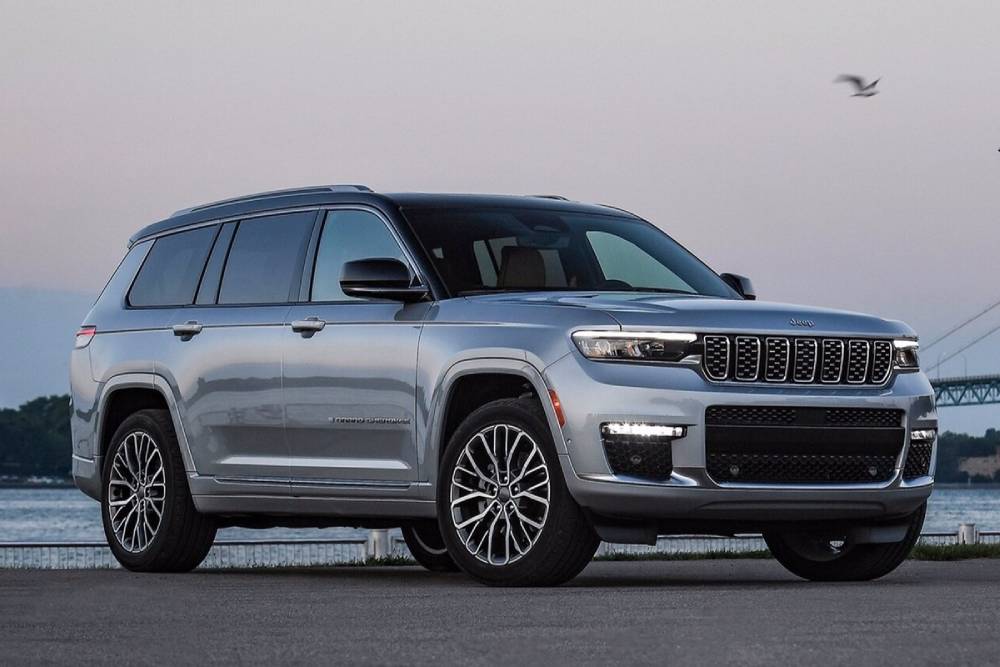
Quick Answer: What Gas Type Does a Jeep Cherokee Use?
Most Jeep Cherokee models from 2014 to 2023 are designed to run on regular unleaded gasoline. However, the exact fuel recommendation depends on the engine rather than the trim level or model year alone.
Cherokee models equipped with the 2.4L Tigershark four-cylinder engine generally use 87-octane regular unleaded gasoline. The same basic recommendation applies to most models powered by the 3.2L Pentastar V6. Some early owner documentation listed an acceptable range of 87 to 89 octane for the V6, while later guides commonly specified 87 octane.
The fuel requirements became slightly more complicated when Jeep introduced the 2.0L turbocharged four-cylinder engine for the 2019 model year. This engine can operate on 87-octane gasoline, but Jeep recommends 91-octane premium fuel for the best performance. In other words, premium gasoline is recommended rather than strictly required for the 2.0L turbo engine.
Here is the simplest way to remember the Jeep Cherokee gas type:
2.4L four-cylinder: 87-octane regular unleaded
3.2L V6: 87-octane regular unleaded in most applications
2.0L turbo: 87-octane minimum, 91-octane recommended
Using premium gasoline in a Cherokee designed for regular fuel is normally safe, but it may not provide a noticeable increase in horsepower, fuel economy, or engine life. The engine management system is already calibrated to perform correctly with the recommended regular gasoline.
The opposite situation deserves more attention. When a 2.0L turbo Cherokee is filled with 87-octane gasoline, the vehicle can adjust its ignition timing to reduce the risk of knocking. The engine should continue to operate safely, but drivers may notice less responsive acceleration or reduced performance during demanding conditions such as towing, steep hill climbing, hot weather, or rapid highway passing.
Before choosing a fuel, check the engine listed on the emissions label under the hood, the vehicle identification information, the fuel door, or the owner’s manual. Two Jeep Cherokees from the same model year may have different engines and therefore different optimal fuel recommendations.
2014 Jeep Cherokee Gas Type
The 2014 Jeep Cherokee marked the beginning of the KL generation and introduced buyers to two gasoline engine choices. The standard option was the 2.4L Tigershark MultiAir four-cylinder engine, while the available upgrade was the 3.2L Pentastar V6.
For the 2.4L engine, Jeep specified 87-octane regular unleaded gasoline. There is no need to pay extra for mid-grade or premium fuel during normal driving. The engine was engineered to operate on regular gasoline, making it the more budget-friendly choice for owners concerned about everyday fuel costs.
The 2014 user guide listed an octane range of 87 to 89 for the 3.2L V6. This means regular 87-octane gasoline was acceptable, while 89-octane fuel could also be used. Owners should not interpret this range as a requirement to buy premium gasoline. Fuel rated at 91 or 93 octane is not necessary for routine operation unless a separate label or market-specific manual states otherwise.
The V6 may feel stronger under heavy acceleration because it produces more power than the four-cylinder engine, but that does not automatically mean it requires premium fuel. Engine output and octane requirements are not the same thing. Octane measures a fuel’s resistance to premature combustion, commonly called engine knock. It does not indicate that the gasoline contains more energy or will automatically improve performance.
For most 2014 Cherokee owners, choosing 87 octane provides the best balance between cost and reliable operation. Drivers who tow, travel through mountainous areas, or frequently carry heavy loads may be tempted to try 89 octane. Doing so is generally acceptable, but any improvement may be subtle and should not be treated as guaranteed.
Fuel quality matters in addition to octane. Owners should purchase fresh gasoline from a reputable, high-volume station and avoid fuels containing more ethanol than the vehicle’s manual permits. The Cherokee owner’s documentation should always take priority because fuel formulations and labeling can differ between countries.
Another common concern involves accidentally filling the tank with premium gasoline. Putting 91 or 93 octane into a 2014 Cherokee will not normally damage the engine. The main disadvantage is the higher price. Unless the vehicle has a specific mechanical issue or a technician recommends a different fuel during diagnosis, regular gasoline remains the practical choice.
Drivers should also avoid confusing the Cherokee with the Grand Cherokee. Despite the similar names, the two vehicles have different engine lineups and may have different fuel instructions. Always confirm that the information being followed applies to the Jeep Cherokee KL and not another Jeep model.
2015 Jeep Cherokee Gas Type
The 2015 Jeep Cherokee retained the 2.4L Tigershark four-cylinder and the optional 3.2L Pentastar V6. For both engines, the 2015 user guide specified 87-octane gasoline.
This straightforward recommendation makes regular unleaded gasoline the correct choice for the majority of 2015 Cherokee drivers. Owners do not need to select premium fuel simply because they drive a higher trim such as the Limited or Trailhawk. Fuel requirements are determined primarily by the engine calibration, not by luxury equipment, four-wheel-drive hardware, wheel size, or interior features.
A 2015 Cherokee Trailhawk equipped with the 3.2L V6 can therefore use regular 87-octane gasoline. Its off-road capability does not create a separate premium-fuel requirement. The Trailhawk may face more demanding operating conditions, but the engine remains designed to work with the fuel grade specified by Jeep.
Using 89-octane mid-grade fuel is unlikely to harm the vehicle, but it is usually unnecessary. Likewise, filling the tank with 91 or 93 octane does not automatically clean the engine, increase horsepower, or produce enough fuel savings to recover the additional cost. Premium fuel mainly offers greater resistance to knock. An engine calibrated for regular gasoline may not take meaningful advantage of that extra resistance.
Owners trying to solve poor fuel economy should look beyond the octane number. Low tire pressure, aggressive acceleration, extended idling, roof-mounted cargo, short trips, cold weather, dirty air filters, alignment problems, and overdue maintenance can all increase fuel consumption. Paying more for premium gasoline is rarely the most effective first step.
It is also important to distinguish octane quality from detergent quality. Two gasoline grades can have different octane ratings while containing similar detergent packages. Choosing fuel from a dependable station and following the maintenance schedule can be more valuable than buying the highest octane displayed on the pump.
If the engine develops repeated pinging, hesitation, rough running, or a check engine light while using the recommended 87-octane fuel, switching permanently to premium should not be treated as a complete repair. Persistent symptoms may point to old fuel, excessive carbon buildup, incorrect spark plugs, a sensor problem, overheating, or another mechanical issue. A proper inspection can identify the cause before it becomes more expensive.
For everyday commuting, highway travel, light off-road use, and normal family driving, 87-octane regular unleaded gasoline is the most sensible gas type for the 2015 Jeep Cherokee. It meets Jeep’s stated recommendation and avoids the unnecessary cost of higher-octane fuel.
2016 Jeep Cherokee Gas Type
The 2016 Jeep Cherokee continued with the same two naturally aspirated engine options introduced in previous years: the 2.4L Tigershark MultiAir I4 and the 3.2L Pentastar V6. Fortunately for owners, fuel recommendations remained simple. Both engines were engineered to operate on regular unleaded gasoline with a minimum octane rating of 87, making the 2016 Cherokee one of the most affordable midsize SUVs to refuel.
Drivers of the 2.4L engine can confidently fill up with 87-octane gasoline during daily commuting, highway driving, or weekend road trips. The engine’s electronic control system is calibrated specifically for regular fuel, delivering an ideal balance of fuel economy and performance without requiring higher-octane gasoline.
The 3.2L Pentastar V6 also performs exceptionally well on regular unleaded fuel. Producing more horsepower and torque than the four-cylinder engine, it offers stronger acceleration and greater towing capability while maintaining the same fuel recommendation. Many owners mistakenly believe a more powerful engine automatically requires premium gasoline, but that is not the case for the naturally aspirated Pentastar V6.
Choosing premium fuel for either engine is generally unnecessary. Although premium gasoline has a higher octane rating, the 2016 Cherokee’s engine management system is not specifically tuned to take advantage of it. Most drivers will not experience measurable improvements in fuel economy, throttle response, or horsepower that justify the additional cost.
Fuel economy for the 2.4L engine remains one of its strongest advantages. Depending on drivetrain configuration, owners can expect EPA estimates of up to 31 mpg on the highway, making regular gasoline even more economical over the long term. The V6 sacrifices a small amount of fuel efficiency in exchange for additional power but still delivers respectable mileage for an SUV in its class.
Owners should also remember that fuel quality is just as important as octane rating. Purchasing gasoline from reputable stations helps minimize deposits inside the fuel system and supports long-term engine performance. Following the recommended maintenance schedule, replacing spark plugs at the proper intervals, and keeping the air intake system clean will contribute far more to engine health than purchasing premium gasoline.
For nearly every driving situation, 87-octane regular unleaded gasoline remains the best choice for the 2016 Jeep Cherokee.
2017 Jeep Cherokee Gas Type
The 2017 Jeep Cherokee retained its proven powertrain lineup, offering buyers the 2.4L Tigershark four-cylinder as the standard engine and the 3.2L Pentastar V6 as an optional upgrade on selected trims. Jeep continued recommending 87-octane regular unleaded gasoline for both engines, providing owners with low operating costs while maintaining dependable performance.
For drivers using the Cherokee primarily for commuting, school runs, or highway travel, regular gasoline supplies everything the engine requires. The sophisticated engine control module continuously adjusts ignition timing and fuel delivery to optimize combustion using the recommended fuel grade.
The available V6 remains a popular choice for drivers who regularly tow small trailers or carry additional cargo. Despite its higher output of approximately 271 horsepower, it does not require premium gasoline. Jeep designed the Pentastar engine with an efficient combustion chamber that performs reliably on regular fuel under normal operating conditions.
Many owners ask whether switching to premium fuel before a long road trip or mountain drive will improve performance. In most situations, the answer is no. Unless the engine specifically requests premium gasoline, paying for higher octane fuel generally produces little to no measurable benefit. Instead, maintaining proper tire pressure, using the correct engine oil, and reducing unnecessary cargo weight will have a much greater impact on fuel economy.
The 2017 Cherokee also introduced several refinements in transmission programming, improving overall drivability compared with earlier production years. These updates helped deliver smoother acceleration and more efficient gear changes without changing the vehicle’s fuel requirements.
Another important consideration is seasonal gasoline blends. During winter months, many fuel stations sell gasoline formulated for cold-weather operation. These seasonal blends may slightly reduce fuel economy regardless of octane rating. Drivers should not mistake this normal variation for an engine problem or assume premium gasoline will restore lost mileage.
Overall, the 2017 Jeep Cherokee continues to be an SUV that prioritizes practicality. Regular 87-octane gasoline provides the optimal balance of affordability, efficiency, and long-term reliability for both available engines.
2018 Jeep Cherokee Gas Type
The 2018 Jeep Cherokee represented the final model year before Jeep introduced the turbocharged engine option. Buyers could choose between the dependable 2.4L Tigershark four-cylinder and the 3.2L Pentastar V6, both of which continued using regular unleaded gasoline with a minimum octane rating of 87.
Because the 2018 Cherokee was offered in several trims, including Latitude, Limited, Trailhawk, Overland, and High Altitude, some buyers incorrectly assume different trim levels require different gasoline grades. In reality, fuel recommendations depend entirely on the installed engine. A Trailhawk equipped with the V6 uses the same recommended fuel as a Latitude equipped with the same engine.
The 2.4L engine remains the most fuel-efficient option in the lineup. It delivers solid fuel economy for urban commuters while keeping ownership costs low thanks to its compatibility with regular gasoline. Drivers who prioritize lower fuel expenses will find this engine to be the most economical choice over years of ownership.
The optional 3.2L Pentastar V6 is better suited for drivers seeking stronger acceleration, improved passing power, or enhanced towing capability. Even with its increased performance, Jeep did not require premium gasoline. Owners can confidently continue using regular unleaded fuel without sacrificing engine durability.
As the final pre-turbo model year, the 2018 Cherokee offers one of the simplest fuel recommendations in the entire KL generation. There is no need to consider premium fuel unless a specific regional owner’s manual states otherwise or a qualified technician recommends it for unusual operating conditions.
If you frequently drive in extremely hot climates, tow heavy loads, or spend extended periods climbing steep mountain roads, the engine’s knock sensors continuously monitor combustion and automatically make adjustments to maintain safe operation. These electronic safeguards allow the Cherokee to perform reliably without requiring premium gasoline under normal conditions.
For buyers considering a used 2018 Jeep Cherokee, fuel costs remain one of its biggest advantages. Regular unleaded gasoline, combined with routine maintenance and responsible driving habits, helps keep long-term ownership affordable while ensuring the engine continues delivering dependable performance for many years.
2019 Jeep Cherokee Gas Type
The 2019 Jeep Cherokee received a significant update, introducing a refreshed exterior design, improved technology, and, most importantly, a new 2.0L turbocharged inline-four engine. While the familiar 2.4L Tigershark and 3.2L Pentastar V6 remained available, the addition of the turbocharged engine created different fuel recommendations depending on which powertrain your Cherokee is equipped with.
The 2.4L Tigershark engine continues to use 87-octane regular unleaded gasoline. Owners can expect reliable performance and competitive fuel economy without paying extra for premium fuel. This engine remains the best choice for drivers focused on minimizing operating costs while maintaining dependable daily transportation.
The 3.2L Pentastar V6 also continues to operate on 87-octane regular gasoline. Despite producing approximately 271 horsepower, Jeep designed the V6 to deliver its intended performance without requiring higher-octane fuel. Premium gasoline is safe to use but generally provides little measurable benefit in everyday driving.
The biggest change comes with the new 2.0L turbocharged engine. Unlike the naturally aspirated engines, Jeep recommends 91-octane premium unleaded gasoline for maximum performance and efficiency. Premium fuel allows the turbocharger to operate under optimal conditions, enabling the engine to produce its full rated output of approximately 270 horsepower and 295 lb-ft of torque.
Although the turbo engine is capable of running on 87-octane gasoline, drivers may notice reduced acceleration and slightly lower fuel efficiency. The engine’s knock sensors continuously monitor combustion and automatically adjust ignition timing to prevent detonation when lower-octane fuel is detected. These adjustments protect the engine but may reduce overall performance, especially during heavy acceleration, towing, or climbing steep grades.
For drivers who regularly tow trailers, travel through mountainous regions, or simply want the strongest acceleration possible, using the recommended 91-octane fuel is the best option. On the other hand, owners who primarily drive in urban environments may choose regular gasoline when premium fuel is unavailable, understanding that some performance may be sacrificed.
The 2019 Cherokee is also one of the easiest model years to confuse because different trims may share the same appearance while having completely different engines. Before filling the tank, verify which engine your vehicle has by checking the VIN information, the engine badge, or the owner’s manual.
Overall, the 2019 Jeep Cherokee remains straightforward once the engine is identified. The 2.4L and 3.2L engines use regular gasoline, while the new 2.0L turbo performs best with premium fuel.
2020 Jeep Cherokee Gas Type
The 2020 Jeep Cherokee carried over the same three-engine lineup introduced the previous year. Buyers could choose between the fuel-efficient 2.4L Tigershark, the capable 3.2L Pentastar V6, or the performance-oriented 2.0L turbocharged engine. As a result, fuel recommendations remained unchanged.
For vehicles equipped with the 2.4L engine, Jeep continues recommending regular unleaded gasoline with a minimum octane rating of 87. This engine is designed for efficiency and dependable daily driving, making regular gasoline the most economical choice.
The 3.2L Pentastar V6 also uses 87-octane regular gasoline. Many owners appreciate that this powerful V6 delivers confident highway acceleration and respectable towing capability without increasing fuel costs through premium fuel requirements.
The 2.0L turbocharged engine remains the only engine in the lineup that benefits from premium gasoline. Jeep recommends 91-octane fuel to maximize horsepower, torque, and throttle response. Drivers who consistently use premium gasoline may notice smoother acceleration and stronger performance during demanding driving conditions.
Fuel economy varies depending on engine selection, drivetrain configuration, and driving habits. The 2.4L engine generally provides the highest highway fuel economy, while the turbocharged engine balances impressive power with competitive efficiency. The V6 offers a combination of strong performance and proven long-term reliability.
Owners often wonder whether using premium fuel in the naturally aspirated engines will improve fuel economy enough to offset the higher price. In most real-world situations, the answer is no. The small differences in fuel consumption are rarely enough to recover the additional cost of premium gasoline.
To maximize fuel efficiency regardless of engine choice, maintain proper tire pressure, avoid rapid acceleration, remove unnecessary cargo, and perform scheduled maintenance. Clean air filters, properly functioning spark plugs, and regular oil changes contribute far more to overall efficiency than selecting a higher octane fuel.
The 2020 Cherokee demonstrates that understanding your specific engine remains the key factor when choosing gasoline. Using the manufacturer’s recommended fuel grade helps ensure consistent performance while avoiding unnecessary fuel expenses.
2021 Jeep Cherokee Gas Type
The 2021 Jeep Cherokee continued offering three engine options, giving buyers the flexibility to choose between efficiency, balanced performance, and turbocharged power. While the available engines remained unchanged, understanding the correct fuel recommendation became increasingly important for used vehicle buyers as multiple engine configurations became common in the marketplace.
The standard 2.4L Tigershark engine continues to require regular unleaded gasoline with an octane rating of 87. This engine provides a practical combination of fuel economy and everyday usability, making it well suited for commuting, family transportation, and long-distance travel.
The optional 3.2L Pentastar V6 also operates on regular 87-octane gasoline. Owners who frequently carry passengers, transport cargo, or tow light trailers can enjoy the V6’s additional power without paying premium fuel prices.
Drivers selecting the 2.0L turbocharged engine should continue using 91-octane premium gasoline whenever possible. Premium fuel allows the turbocharger to deliver maximum boost pressure while maintaining optimal combustion efficiency. The result is stronger acceleration, improved responsiveness, and the full performance capabilities designed by Jeep engineers.
One common misconception is that premium gasoline contains more energy than regular gasoline. In reality, octane measures resistance to engine knock rather than fuel quality or energy content. Unless an engine is specifically designed to take advantage of higher-octane fuel, premium gasoline alone does not increase horsepower or fuel economy.
Another factor worth considering is driving style. Gentle acceleration, maintaining steady highway speeds, and anticipating traffic conditions can significantly improve fuel economy regardless of engine type. Conversely, aggressive driving habits can reduce fuel efficiency by several miles per gallon, even when using the recommended gasoline.
As more 2021 Jeep Cherokees enter the used vehicle market, prospective buyers should verify the installed engine before assuming which fuel grade is required. Two vehicles with identical exterior styling may have completely different powertrains and fuel recommendations.
For most owners, following the manufacturer’s fuel recommendation remains the simplest and most cost-effective strategy. Regular gasoline is ideal for the 2.4L and 3.2L engines, while premium gasoline allows the 2.0L turbocharged engine to perform at its highest potential.
2022 Jeep Cherokee Gas Type
The 2022 Jeep Cherokee was one of the final production years of the KL generation before the model was discontinued after 2023. Jeep simplified the lineup during this period, making it easier for buyers to understand the available engine options and fuel requirements. Depending on the trim level, the Cherokee was equipped with either the 2.4L Tigershark inline-four or the 3.2L Pentastar V6, while the 2.0L turbocharged engine became less common in many markets.
For the standard 2.4L Tigershark engine, Jeep continued recommending 87-octane regular unleaded gasoline. This engine remained focused on efficiency and affordability, making it an excellent choice for commuters and families looking to reduce long-term fuel expenses.
Models equipped with the 3.2L Pentastar V6 also continued using regular 87-octane gasoline. Despite delivering substantially more horsepower and towing capability than the base engine, the V6 was engineered to provide its full reliability and everyday performance without requiring premium fuel.
If your 2022 Cherokee is equipped with the available 2.0L turbocharged engine, Jeep recommends using premium unleaded gasoline with a minimum octane rating of 91. Premium fuel enables the turbocharger to produce maximum boost while minimizing the likelihood of engine knock during high-load conditions. Although the engine can safely operate on 87-octane gasoline, performance may be slightly reduced because the engine management system automatically adjusts ignition timing to protect internal components.
Many owners choose the 2022 Cherokee because of its balance between comfort, off-road capability, and manageable ownership costs. Using the correct gasoline helps preserve that balance by preventing unnecessary fuel expenses while maintaining the vehicle’s intended performance.
Drivers should also avoid relying solely on online forums when selecting fuel. Recommendations may differ between engines, countries, and production specifications. The most accurate source remains the fuel information label inside the fuel door or the official owner’s manual supplied with the vehicle.
Overall, the fuel recommendation for the 2022 Jeep Cherokee remains straightforward. The naturally aspirated engines use regular gasoline, while the turbocharged engine performs best with premium fuel.
2023 Jeep Cherokee Gas Type
The 2023 Jeep Cherokee marked the final model year before the nameplate was discontinued in North America. By this stage, Jeep had streamlined the lineup, with many markets offering only the 2.4L Tigershark engine as standard equipment. As a result, fuel recommendations became simpler than in previous years.
The 2.4L Tigershark engine uses regular unleaded gasoline with a minimum octane rating of 87. Owners do not need to purchase premium gasoline during normal driving because the engine is specifically calibrated for regular fuel. Using higher-octane gasoline is safe, but it generally does not improve horsepower, fuel economy, or engine durability enough to justify the additional cost.
In markets where the 3.2L Pentastar V6 remained available, Jeep continued recommending regular 87-octane gasoline. The V6 provides stronger acceleration and improved towing capability while maintaining the same economical fuel requirement.
Some international markets may still have limited availability of the 2.0L turbocharged engine. For these vehicles, premium gasoline with a minimum octane rating of 91 remains the preferred choice for achieving maximum performance and efficiency.
As the final production year, many 2023 Cherokee models will remain on the road for years to come. Proper fuel selection plays an important role in preserving engine performance and reducing maintenance costs throughout the vehicle’s lifespan. Following the manufacturer’s recommendation also helps ensure that emissions systems and engine components continue operating as designed.
When shopping for a used 2023 Cherokee, buyers should verify the installed engine before assuming the correct fuel grade. The easiest methods include checking the VIN, reviewing the original window sticker, consulting the owner’s manual, or asking a dealership to confirm the factory engine specification.
For nearly all 2023 Cherokee owners, regular 87-octane gasoline is the correct choice. Only vehicles equipped with the turbocharged engine benefit from premium fuel.
Jeep Cherokee Fuel Requirements by Engine
Although model years provide a helpful reference, the easiest way to determine the correct gas type is by identifying the engine installed in your Jeep Cherokee. From 2014 through 2023, three gasoline engines were available, each with its own fuel recommendation.
2.4L Tigershark MultiAir I4
The 2.4L Tigershark was the standard engine throughout most of the KL generation. Designed with efficiency in mind, it powers millions of miles of daily commuting while maintaining relatively low ownership costs.
Recommended Fuel
Regular unleaded gasoline with a minimum octane rating of 87.
Power Output
Approximately 180 horsepower and 171 lb-ft of torque.
Advantages
Excellent fuel economy for an SUV.
Lower operating costs due to regular gasoline compatibility.
Reliable daily performance.
Lower annual fuel expenses compared with premium-fuel vehicles.
Should You Use Premium?
No. Premium gasoline normally offers little or no measurable benefit because the engine is calibrated for regular fuel. Most drivers will not notice meaningful improvements in acceleration or fuel economy.
3.2L Pentastar V6
The Pentastar V6 is widely recognized as one of Stellantis’ most dependable gasoline engines. It provides significantly more power than the base engine while maintaining surprisingly reasonable fuel costs.
Recommended Fuel
Regular unleaded gasoline with a minimum octane rating of 87.
Power Output
Approximately 271 horsepower and 239 lb-ft of torque.
Advantages
Smooth acceleration.
Excellent highway performance.
Higher towing capacity.
Proven long-term reliability.
Should You Use Premium?
In most situations, no. The engine was engineered to operate efficiently on regular gasoline. While premium fuel is safe to use, it typically provides minimal real-world benefits for naturally aspirated driving conditions.
2.0L Turbocharged I4
Introduced for the 2019 model year, the 2.0L turbocharged engine delivers V6-like performance while maintaining competitive fuel efficiency. Its turbocharger operates under higher cylinder pressures, making fuel quality more important than with the naturally aspirated engines.
Recommended Fuel
Minimum 87-octane gasoline.
Preferred fuel is 91-octane premium unleaded.
Power Output
Approximately 270 horsepower and 295 lb-ft of torque.
Advantages
Outstanding low-end torque.
Quick acceleration.
Excellent passing performance.
Competitive fuel economy for a turbocharged SUV.
Should You Use Premium?
Yes, whenever possible. The engine can safely operate on regular gasoline, but premium fuel allows it to achieve its advertised horsepower, maximum torque, and best throttle response. Drivers who frequently tow, drive in mountainous areas, or enjoy spirited acceleration will benefit the most from following Jeep’s premium fuel recommendation.
Engine Comparison Summary
| Engine | Recommended Gas | Premium Required | Best For |
|---|---|---|---|
| 2.4L Tigershark I4 | 87 Octane Regular | No | Daily commuting and fuel economy |
| 3.2L Pentastar V6 | 87 Octane Regular | No | Strong performance and towing |
| 2.0L Turbo I4 | 91 Octane Recommended, 87 Minimum | Recommended | Maximum performance and responsiveness |
Understanding your engine is the simplest way to choose the correct gasoline. Regardless of model year, following Jeep’s recommended octane rating helps maximize engine performance, reduce unnecessary fuel costs, and support long-term reliability.
Regular vs. Premium Gas for Jeep Cherokee
One of the most common questions Jeep Cherokee owners ask is whether premium gasoline is worth the extra cost. Since fuel prices can vary significantly between regular and premium grades, understanding the real differences can help you make an informed decision every time you visit the gas station.
The answer depends entirely on your engine. If your Cherokee is equipped with the 2.4L Tigershark or the 3.2L Pentastar V6, regular 87-octane gasoline is the fuel Jeep recommends. These naturally aspirated engines are engineered to deliver their intended performance on regular unleaded fuel. Paying for premium gasoline generally will not result in noticeable gains in horsepower, fuel economy, or engine longevity.
For owners of the 2.0L turbocharged engine, the situation is different. Jeep recommends 91-octane premium gasoline because the engine is designed to operate under higher cylinder pressures. Higher-octane fuel provides greater resistance to pre-ignition and engine knock, allowing the turbocharger to produce maximum boost while maintaining optimal ignition timing.
Regular Gasoline
Regular gasoline with an octane rating of 87 is the most economical option and is widely available throughout North America. It offers several advantages for Jeep Cherokee owners whose vehicles are designed for it.
Benefits include:
• Lower fuel costs.
• Meets Jeep’s recommended specifications for most Cherokee engines.
• Readily available at virtually every fuel station.
• Ideal for daily commuting, highway driving, and family use.
The primary limitation of regular gasoline is that it may reduce performance in turbocharged engines that are optimized for premium fuel. Although modern engine computers compensate automatically, drivers may notice slower acceleration under heavy load.
Premium Gasoline
Premium gasoline typically has an octane rating of 91 or 93, depending on your location. Contrary to popular belief, premium fuel does not contain more energy than regular gasoline. Its primary advantage is its increased resistance to knocking under high compression.
Benefits include:
• Maximum performance for the 2.0L turbocharged engine.
• Improved throttle response during aggressive acceleration.
• Better engine performance while towing or climbing steep grades.
• Reduced likelihood of knock under demanding operating conditions.
For naturally aspirated engines such as the 2.4L and 3.2L, these benefits are usually minimal because the engines are already optimized for regular gasoline.
Cost Comparison
Premium gasoline often costs between 10 and 20 percent more than regular gasoline, depending on regional fuel prices.
For drivers covering approximately 15,000 miles per year, choosing premium fuel in a vehicle that only requires regular gasoline could increase annual fuel expenses by several hundred dollars without providing measurable improvements in everyday driving.
If your Cherokee has the 2.4L or 3.2L engine, that additional money is generally better spent on routine maintenance such as oil changes, tire rotations, air filter replacements, or brake inspections.
Performance Comparison
For the 2.4L Tigershark and 3.2L Pentastar engines:
Regular gasoline delivers the performance Jeep intended.
Premium gasoline produces little or no noticeable improvement.
For the 2.0L Turbo:
Premium gasoline allows the engine to achieve its full advertised horsepower and torque.
Regular gasoline remains safe but may reduce acceleration during demanding situations.
Which Fuel Should You Choose?
Choose regular 87-octane gasoline if your Jeep Cherokee has:
• 2.4L Tigershark I4
• 3.2L Pentastar V6
Choose 91-octane premium gasoline whenever possible if your Cherokee has:
• 2.0L Turbocharged I4
Following these recommendations provides the best balance between operating costs, engine performance, and long-term reliability.
What Happens If You Use the Wrong Gas?
Accidentally filling your Jeep Cherokee with the wrong gasoline is a common concern. Fortunately, modern engines are equipped with sophisticated electronic controls that help minimize damage in many situations. However, the consequences depend on the type of fuel and the engine installed in your vehicle.
Using Premium Fuel Instead of Regular
If your Jeep Cherokee normally uses regular 87-octane gasoline and you accidentally purchase premium fuel, there is usually no cause for concern.
The engine will continue operating normally, and no mechanical damage will occur. However, you should not expect noticeable improvements in power, fuel economy, or reliability.
The biggest downside is simply paying more for fuel that your engine does not require.
Using Regular Fuel in a Turbocharged Engine
If your Cherokee has the 2.0L turbocharged engine, filling the tank with regular gasoline instead of premium is generally safe.
Modern knock sensors immediately detect abnormal combustion and allow the engine computer to adjust ignition timing. These adjustments protect the engine but may reduce horsepower and throttle response until premium gasoline is used again.
Occasional use of regular gasoline is unlikely to cause long-term damage, but consistently ignoring Jeep’s recommendation may reduce overall driving performance.
Mixing Different Octane Ratings
Many drivers wonder whether they can mix 87, 89, and 91-octane gasoline.
The answer is yes.
Mixing different octane ratings simply produces an average octane level inside the fuel tank. For example, combining half a tank of 87-octane gasoline with half a tank of 91-octane gasoline results in an approximate octane rating between the two values.
Modern engine management systems automatically adjust to the available fuel.
Accidentally Filling with Diesel
Putting diesel fuel into a gasoline-powered Jeep Cherokee is a much more serious mistake.
Diesel fuel will not ignite correctly inside a gasoline engine and can damage components within the fuel system if the engine is started.
If diesel is accidentally pumped into the tank:
Do not start the engine.
Do not attempt to drive the vehicle.
Contact roadside assistance immediately.
Have the fuel tank professionally drained before restarting the engine.
Taking quick action can often prevent expensive repairs.
Engine Knocking
Engine knock occurs when fuel ignites too early inside the combustion chamber.
Symptoms may include:
• Metallic knocking or pinging sounds.
• Reduced acceleration.
• Rough engine operation.
• Lower fuel economy.
Modern Jeep Cherokee engines continuously monitor for knock and automatically adjust ignition timing to reduce the risk of damage.
If knocking continues while using the recommended gasoline, the vehicle should be inspected by a qualified technician.
Check Engine Light
Using the wrong octane fuel alone rarely causes the check engine light to illuminate.
If the warning light appears after refueling, other issues may be involved, including:
• Loose fuel cap.
• Faulty oxygen sensor.
• Evaporative emissions leak.
• Fuel system contamination.
• Ignition system problems.
If the warning light remains on after several driving cycles, diagnostic testing is recommended.
Long-Term Effects
Consistently using premium fuel in an engine designed for regular gasoline usually has no negative effects other than higher operating costs.
Consistently using low-octane gasoline in an engine that performs best with premium may reduce power, efficiency, and overall driving satisfaction. Although modern electronic controls provide excellent protection, following Jeep’s recommended fuel grade remains the best practice for long-term engine health.
Tips for Better Fuel Economy
Choosing the correct gasoline is only one part of improving fuel economy. Driving habits, vehicle maintenance, and environmental conditions often have a much greater impact on how much fuel your Jeep Cherokee consumes.
Maintain Proper Tire Pressure
Underinflated tires create additional rolling resistance, forcing the engine to work harder.
Check tire pressure at least once each month and before long trips.
Properly inflated tires improve fuel economy, handling, and tire life.
Accelerate Smoothly
Rapid acceleration uses significantly more fuel than gradual acceleration.
Gentle throttle inputs allow the transmission to shift more efficiently while reducing unnecessary fuel consumption.
Maintain a Consistent Speed
Highway fuel economy improves when speed remains steady.
Using cruise control on long highway trips can reduce unnecessary acceleration and braking.
Reduce Unnecessary Weight
Extra cargo increases the amount of energy required to move the vehicle.
Remove heavy items that are no longer needed, especially if they remain in the cargo area for extended periods.
Keep Up with Scheduled Maintenance
Routine maintenance plays an important role in fuel efficiency.
Replace engine oil according to Jeep’s maintenance schedule.
Install new air filters when necessary.
Replace worn spark plugs at the recommended intervals.
Inspect tire alignment regularly.
Address warning lights promptly.
Buy Quality Fuel
Fuel quality can influence engine cleanliness over time.
Purchasing gasoline from reputable, high-volume stations helps reduce the buildup of deposits inside the fuel system.
Many manufacturers also recommend Top Tier gasoline because it contains enhanced detergent additives that help keep fuel injectors and intake valves cleaner.
Avoid Excessive Idling
Modern engines consume fuel even while stationary.
If you expect to remain parked for several minutes, turning off the engine can help conserve fuel and reduce emissions.
Plan Your Trips
Combining several errands into one trip allows the engine to reach normal operating temperature more quickly.
Short trips with a cold engine typically consume more fuel than longer drives completed after the engine has fully warmed up.
By combining these driving habits with the correct gasoline for your specific engine, most Jeep Cherokee owners can maximize fuel economy while reducing long-term operating costs.
Frequently Asked Questions
1. Does every Jeep Cherokee use regular gas?
No. Most Jeep Cherokee models equipped with the 2.4L Tigershark engine or the 3.2L Pentastar V6 are designed to use regular unleaded gasoline with an octane rating of 87. However, models equipped with the 2.0L turbocharged engine perform best with 91-octane premium gasoline, although they can safely operate on 87-octane fuel with some reduction in performance.
Yes. Premium gasoline is completely safe to use in a Jeep Cherokee that recommends regular fuel. However, unless your vehicle has the 2.0L turbocharged engine, you are unlikely to notice any significant improvement in horsepower, fuel economy, or engine life. Most owners will simply pay more for fuel without receiving measurable benefits.
3. What octane fuel should I use in my Jeep Cherokee?
The correct octane rating depends on the engine.
• 2.4L Tigershark I4: 87-octane regular unleaded
• 3.2L Pentastar V6: 87-octane regular unleaded
• 2.0L Turbocharged I4: Minimum 87 octane, 91-octane premium recommended for optimal performance
Always verify your owner’s manual or the fuel information label inside the fuel door for the exact recommendation for your vehicle.
For the 2.4L and 3.2L engines, premium gasoline rarely improves fuel economy enough to offset its higher price. The engines are calibrated to run efficiently on regular gasoline.
For the 2.0L turbocharged engine, premium fuel may help maintain optimal efficiency under demanding driving conditions, particularly when towing, climbing steep hills, or accelerating aggressively.
Yes. Modern Jeep Cherokee engines automatically adjust to different octane levels. If your vehicle normally uses regular gasoline, switching to premium will not cause any problems.
Likewise, if you own a Cherokee with the 2.0L turbo engine, using regular gasoline occasionally is generally safe. The engine management system will reduce ignition timing to help prevent knocking, although performance may decrease temporarily.
6. What happens if I accidentally put the wrong gasoline in my Jeep Cherokee?
If you accidentally use premium gasoline instead of regular, there is usually nothing to worry about other than the extra expense.
If you use regular gasoline in the 2.0L turbocharged engine, the vehicle should continue operating safely, although you may notice reduced acceleration and slightly lower performance until premium fuel is used again.
If diesel fuel is accidentally added to a gasoline-powered Cherokee, do not start the engine. Contact roadside assistance immediately and have the fuel system professionally drained.
Not necessarily. The fuel requirement depends on the engine rather than the trim level.
A Trailhawk equipped with the 3.2L Pentastar V6 uses regular 87-octane gasoline.
A Trailhawk equipped with the 2.0L turbocharged engine performs best with 91-octane premium gasoline.
Always identify the engine before choosing a fuel grade.
8. Can higher-octane gasoline damage my Jeep Cherokee?
No. Using gasoline with a higher octane rating than recommended will not damage your engine.
However, it typically does not provide additional performance or fuel savings unless your engine is specifically designed to benefit from higher-octane fuel.
9. Is Top Tier gasoline recommended for the Jeep Cherokee?
Yes. While Jeep does not require a specific fuel brand, many automotive manufacturers recommend Top Tier gasoline because it contains enhanced detergent additives that help keep fuel injectors, intake valves, and combustion chambers cleaner over time.
Using high-quality gasoline can contribute to smoother engine operation and reduced deposit buildup, especially on higher-mileage vehicles.
10. How can I identify which engine my Jeep Cherokee has?
There are several simple ways to identify your engine.
Check the owner’s manual.
Look for the emissions label under the hood.
Review the original window sticker.
Use your Vehicle Identification Number (VIN) with a Jeep dealership or online VIN decoder.
Ask a certified service technician to verify the engine specification.
Knowing which engine is installed is the easiest way to choose the correct gasoline and avoid unnecessary fuel expenses.
Conclusion
Choosing the correct gas type for your Jeep Cherokee is one of the simplest ways to protect your engine, improve fuel efficiency, and reduce long-term ownership costs. While the answer is straightforward for most drivers, it ultimately depends on the engine installed in your vehicle rather than the trim level or model year alone.
For the majority of Jeep Cherokee models built between 2014 and 2023, including those equipped with the 2.4L Tigershark and the 3.2L Pentastar V6, regular 87-octane unleaded gasoline is the recommended fuel. These engines are engineered to deliver dependable performance without the added expense of premium fuel.
If your Cherokee features the 2.0L turbocharged engine introduced in 2019, using 91-octane premium gasoline is recommended to achieve maximum horsepower, stronger acceleration, and optimal engine performance. Although the engine can safely run on regular gasoline when necessary, premium fuel helps it perform exactly as Jeep intended.
Before refueling, always verify your engine by checking the owner’s manual, the fuel door label, or your vehicle’s VIN. Following the manufacturer’s fuel recommendation is the best way to maximize reliability while avoiding unnecessary fuel costs.
Whether you drive your Jeep Cherokee every day, take family road trips, or enjoy weekend adventures off the beaten path, selecting the right gasoline helps keep your SUV performing at its best for years to come.
If you found this guide helpful, consider sharing it with other Jeep owners. You can also explore our additional Jeep maintenance guides covering fuel economy, towing capacity, engine specifications, maintenance schedules, and ownership tips to get the most from your Jeep Cherokee.