Synthetic blend oil is a good choice for many vehicles because it provides a balance between engine protection, performance, and cost. This type of motor oil combines synthetic base oil with conventional mineral oil to improve lubrication performance while remaining more affordable than full synthetic oil. For drivers who want better protection than conventional oil without paying the highest price, synthetic blend oil offers a practical solution.
The main difference between synthetic blend oil and other motor oils comes from its formulation. Synthetic components help improve resistance to heat, oxidation, and engine deposits, while mineral oil maintains cost efficiency and reliable lubrication during normal driving conditions. This combination allows synthetic blend oil to support many daily driving situations, including commuting and regular vehicle maintenance.
However, synthetic blend oil is not always the best option for every engine. Factors such as vehicle requirements, driving conditions, engine design, and manufacturer recommendations determine whether this oil provides sufficient protection. High performance engines, extreme temperature environments, and vehicles requiring extended oil change intervals may need a different lubricant.
This guide explains whether synthetic blend oil is good by examining its benefits, risks, engine protection capabilities, comparison with other motor oils, and the situations where choosing synthetic blend oil makes the most sense.
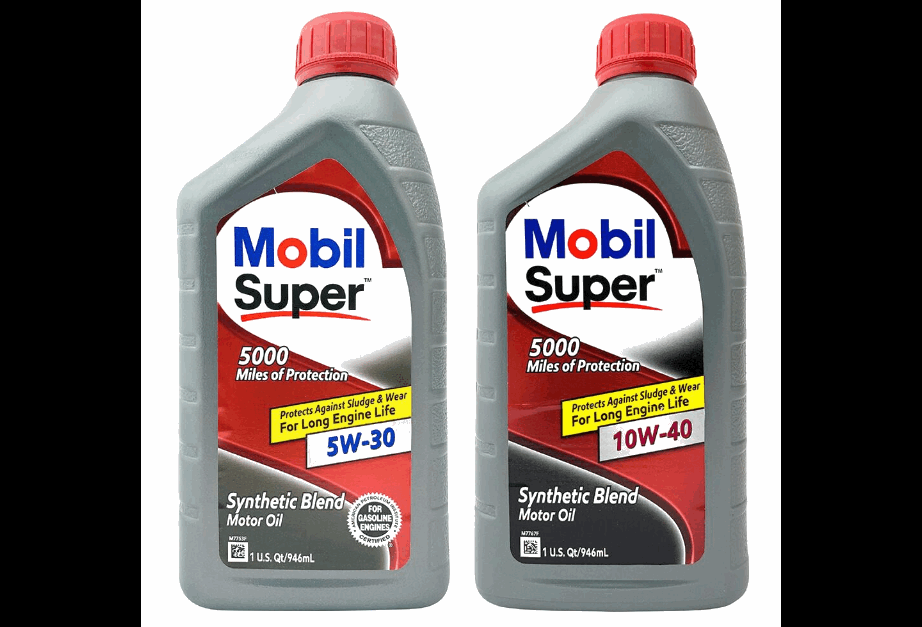
What Is Synthetic Blend Oil and How Does It Work?
Synthetic blend oil is a motor oil that combines synthetic base oil with conventional mineral oil. It gives drivers better protection than conventional oil while costing less than full synthetic oil. Manufacturers create different formulas, but every synthetic blend oil uses both synthetic and mineral components to improve engine lubrication.
Synthetic base oil gives the lubricant advanced performance properties. Its molecular structure helps the oil handle heat, pressure, and friction more effectively. Mineral oil comes from refined crude oil and provides reliable lubrication at a lower production cost. Together, these two components create a balanced motor oil for many passenger vehicles.
Synthetic blend oil protects engines by creating a thin lubrication layer between moving parts. Components such as pistons, bearings, and camshafts move at high speeds during engine operation. The oil layer reduces direct contact between metal surfaces. This process lowers friction and helps reduce engine wear over time.
The oil also helps engines manage heat and maintain lubricant stability. High engine temperatures can cause oil oxidation and deposit formation. Synthetic blend formulas resist oxidation better than conventional oils. They also maintain their protective qualities under higher operating temperatures.
Many drivers choose synthetic blend oil for daily use because it balances performance and price. It provides stronger protection than conventional oil without the higher cost of full synthetic oil. However, drivers should still check their vehicle requirements before choosing a lubricant. Some engines need full synthetic oil because of their design or operating conditions.
Understanding how synthetic blend oil works helps vehicle owners make better maintenance decisions. The right oil choice depends on engine specifications, driving habits, and manufacturer recommendations.
Is Synthetic Blend Oil Good for Engine Protection?
Synthetic blend oil is good for engine protection because it reduces friction, supports lubrication stability, and helps control engine deposits. It provides stronger protection than conventional oil in many driving conditions because synthetic components improve the oil’s ability to handle heat and mechanical stress. For most daily driven vehicles, synthetic blend oil offers enough protection to maintain reliable engine performance.
Engine protection depends on how well the oil maintains a stable lubrication layer between moving components. Inside an engine, parts such as pistons, bearings, and camshafts experience constant movement and pressure. Synthetic blend oil creates a protective film that separates these surfaces. This reduces friction and helps limit wear caused by repeated metal contact.
Synthetic blend oil also performs well under high temperature conditions. Engine oil faces thermal stress during acceleration, long trips, and heavy workloads. Conventional oil can break down faster when exposed to extreme heat because oxidation changes the oil structure. Synthetic components improve oxidation resistance and help the oil maintain its protective function for a longer period.
Another important protection benefit is deposit control. Engine deposits form when oil breaks down and leaves unwanted materials on internal components. These deposits can affect engine efficiency and lubrication performance. Synthetic blend oil contains additives that help keep engine parts cleaner by reducing sludge and controlling contamination.
However, synthetic blend oil does not provide the same level of protection as full synthetic oil in every situation. Vehicles with turbocharged engines, high performance engines, or extreme operating conditions may require a lubricant with higher thermal stability. Drivers should follow manufacturer recommendations because engine design determines the required oil specification.
For regular passenger vehicles, synthetic blend oil provides a practical level of engine protection. It improves lubrication performance compared with conventional oil while offering a lower cost alternative to full synthetic oil. This balance makes it suitable for many drivers who want reliable protection without choosing the most expensive motor oil option.
What Are the Benefits of Synthetic Blend Oil?
Synthetic blend oil provides several benefits for vehicle owners who want improved engine protection without paying the higher price of full synthetic oil. Its main advantage comes from combining synthetic and mineral base oils. This combination improves lubrication performance, temperature resistance, and engine cleanliness compared with conventional oil.
One major benefit of synthetic blend oil is improved engine protection. The synthetic components help the oil maintain a stable protective layer during engine operation. This layer reduces friction between moving parts and helps minimize wear. As a result, the engine can operate more smoothly during daily driving conditions, including commuting, highway driving, and regular stop and go traffic.
Synthetic blend oil also provides better performance in changing temperatures. Engine oil must flow properly during cold starts and remain stable when engine temperatures increase. Synthetic components improve viscosity control, which helps the oil maintain its protective properties across different operating conditions. This makes synthetic blend oil a suitable option for drivers who experience seasonal temperature changes.
Another important benefit is cost efficiency. Full synthetic oil usually provides the highest level of performance, but it also has a higher price because of its advanced formulation. Synthetic blend oil gives drivers many advantages of synthetic lubrication while keeping maintenance costs lower. This balance makes it attractive for vehicle owners who want better protection than conventional oil without choosing the most expensive option.
Synthetic blend oil can also help maintain engine cleanliness. Modern formulations include detergent and dispersant additives that reduce sludge formation and help control contaminants. Cleaner engine components support consistent lubrication and help maintain long term engine performance.
For many daily drivers, synthetic blend oil offers the right balance between protection, performance, and affordability. It is especially suitable for vehicles that do not require full synthetic oil but still need better lubrication quality than conventional motor oil.
What Are the Risks and Disadvantages of Synthetic Blend Oil?
Synthetic blend oil provides strong performance for many vehicles, but it also has some limitations. The main disadvantage is that it does not offer the same level of protection as full synthetic oil in the most demanding conditions. Because synthetic blend oil contains a combination of synthetic and mineral base oils, its performance depends on the specific formulation and the percentage of synthetic components.
One limitation of synthetic blend oil is reduced performance under extreme temperatures. Full synthetic oil has a more refined molecular structure that allows it to maintain stability during very high heat and very low temperatures. Synthetic blend oil performs well in normal conditions, but vehicles that operate in severe environments may need stronger thermal protection.
Synthetic blend oil may also require more frequent oil changes compared with some full synthetic products. Oil life depends on many factors, including engine design, driving conditions, oil quality, and manufacturer recommendations. Drivers who frequently tow heavy loads, drive in extreme heat, or make many short trips may place more stress on the oil. These conditions can accelerate oil degradation.
Another disadvantage is that synthetic blend oil may not meet the requirements of certain modern engines. Some turbocharged engines, high performance vehicles, and luxury vehicles require full synthetic oil because they operate under higher pressure and temperature conditions. Using the wrong oil type can reduce engine protection and may affect long term performance.
Synthetic blend oil also creates confusion for some drivers because different products use different formulations. The amount and quality of synthetic components can vary between brands. Vehicle owners should check the owner’s manual, SAE viscosity grade, and API certification before selecting an oil.
Despite these limitations, synthetic blend oil remains a reliable option for many vehicles. It provides better protection than conventional oil while maintaining a lower cost than full synthetic oil. The best choice depends on the vehicle’s requirements and the conditions in which the engine operates.
Is Synthetic Blend Oil Better Than Full Synthetic Oil?
Synthetic blend oil is not always better than full synthetic oil because both types serve different engine requirements. Synthetic blend oil focuses on balancing performance and cost, while full synthetic oil provides the highest level of protection and stability. The better choice depends on the vehicle design, driving conditions, and manufacturer recommendations.
Full synthetic oil uses only synthetic base oils that undergo advanced refining processes. This structure allows the oil to resist oxidation, maintain viscosity, and perform under extreme temperatures more effectively. It is commonly recommended for engines that operate under high stress, including turbocharged engines, high performance vehicles, and vehicles that require extended oil change intervals.
Synthetic blend oil combines synthetic base oil with conventional mineral oil. This formulation improves performance compared with conventional oil but does not reach the same protection level as full synthetic oil. It provides reliable lubrication for daily driving, normal commuting, and many passenger vehicles that do not require maximum engine performance.
The main difference between these two oils appears in demanding conditions. Full synthetic oil maintains better stability during extreme heat, heavy loads, and severe driving environments. Synthetic blend oil performs well in standard conditions but may experience faster degradation when the engine operates under continuous stress.
Cost is another important factor when comparing synthetic blend oil and full synthetic oil. Synthetic blend oil usually costs less because it contains a portion of mineral oil. This makes it a practical choice for drivers who want improved protection over conventional oil without increasing maintenance expenses significantly.
For most everyday vehicles, synthetic blend oil provides sufficient engine protection and value. However, drivers who prioritize maximum performance, longer oil life, or extreme temperature protection may benefit from full synthetic oil. The correct choice depends on matching the oil type with the engine’s specific needs.
Is Synthetic Blend Oil Better Than Conventional Oil?
Synthetic blend oil is generally better than conventional oil because it combines synthetic components with mineral oil to provide improved protection, stability, and performance. Conventional oil can provide reliable lubrication for many engines, but synthetic blend oil offers additional advantages that help engines handle heat, friction, and contaminants more effectively.
The main difference between synthetic blend oil and conventional oil comes from their base oil composition. Conventional oil uses refined mineral oil from crude oil, while synthetic blend oil adds synthetic base oil to improve lubricant performance. Synthetic components create a more stable oil structure that helps maintain viscosity and lubrication under changing engine conditions.
Synthetic blend oil provides better resistance to oxidation compared with conventional oil. Engine heat causes oil molecules to break down over time, which can reduce lubrication quality and increase deposit formation. The synthetic portion of the blend helps the oil remain stable for longer periods and supports cleaner engine operation.
Another advantage of synthetic blend oil is improved protection during temperature changes. Conventional oil may become thicker during cold starts and lose stability faster under high heat. Synthetic blend oil manages these temperature changes more effectively because synthetic base oils maintain better flow characteristics and thermal stability.
However, conventional oil still has a place in certain vehicles and driving situations. Older engines, low stress applications, and vehicles that follow traditional maintenance schedules may operate well with conventional oil. The correct choice depends on the engine design, manufacturer specifications, and driving environment.
For drivers who want a noticeable upgrade without moving to full synthetic oil, synthetic blend oil provides a practical middle option. It delivers stronger protection than conventional oil while keeping maintenance costs lower than full synthetic oil. This balance makes synthetic blend oil suitable for many modern passenger vehicles.
How Long Does Synthetic Blend Oil Last?
Synthetic blend oil usually lasts between 5,000 and 7,500 miles depending on the vehicle, oil formulation, and driving conditions. However, the exact oil change interval depends on the manufacturer’s recommendation, engine design, and how the vehicle is used. Drivers should always follow the maintenance schedule in the owner’s manual because each engine has different lubrication requirements.
The lifespan of synthetic blend oil depends heavily on driving conditions. Normal highway driving creates less stress on engine oil because the engine reaches stable operating temperatures and maintains consistent performance. In contrast, frequent short trips, heavy traffic, towing, and extreme temperatures increase oil stress and can shorten the replacement interval.
Oil quality also affects how long synthetic blend oil maintains its protective properties. Products with proper SAE viscosity grades and API certification meet specific performance standards for engine protection. These specifications help ensure that the oil can maintain proper flow, reduce friction, and protect engine components throughout its service period.
Synthetic blend oil can also degrade faster when contaminants accumulate inside the engine. Combustion byproducts, moisture, and fuel dilution can reduce oil effectiveness over time. Regular maintenance helps identify when the oil no longer provides optimal lubrication and prevents unnecessary engine wear.
Some drivers choose synthetic blend oil because it offers a longer service life than conventional oil while costing less than full synthetic oil. However, it does not automatically allow extended oil change intervals. A vehicle that requires full synthetic oil or has a manufacturer specified maintenance schedule should continue using the recommended oil type.
For most passenger vehicles, synthetic blend oil provides reliable performance when drivers follow proper maintenance intervals. Checking oil condition, following manufacturer guidelines, and considering driving habits are the most important factors in determining when to change the oil.
Who Should Use Synthetic Blend Oil?
Synthetic blend oil is suitable for drivers who want better engine protection than conventional oil while keeping maintenance costs lower than full synthetic oil. It provides a balanced combination of performance and affordability, which makes it a practical choice for many passenger vehicles. Drivers should choose synthetic blend oil based on their engine requirements, driving habits, and manufacturer recommendations.
Daily drivers are among the most common users of synthetic blend oil. Vehicles used for commuting, regular errands, and normal highway driving usually operate under moderate engine stress. In these conditions, synthetic blend oil provides sufficient lubrication, helps reduce friction, and supports consistent engine performance.
Synthetic blend oil is also a good option for vehicle owners who want to upgrade from conventional oil. Some drivers need better protection but do not require the maximum performance level of full synthetic oil. The synthetic components in the blend improve heat resistance, oxidation control, and engine cleanliness compared with traditional mineral oil.
Older vehicles can also benefit from synthetic blend oil when the manufacturer allows its use. Many high mileage engines require careful oil selection because their internal components may have different lubrication needs. Drivers should check the owner’s manual before switching oil types because engine design determines the correct lubricant specification.
However, synthetic blend oil may not be the best choice for every vehicle. Engines with turbochargers, high performance designs, or severe operating conditions may require full synthetic oil. These engines often generate higher temperatures and pressures, which demand stronger oil stability.
Synthetic blend oil works best for drivers who need a balance between protection, performance, and cost. It is a reliable option for many modern vehicles, especially when the oil matches the engine specifications and maintenance requirements.
How Do You Choose the Right Synthetic Blend Oil for Your Vehicle?
Choosing the right synthetic blend oil requires matching the lubricant with the vehicle’s engine requirements, driving conditions, and manufacturer specifications. The best oil is not always the most expensive option. It is the oil that provides the correct level of protection for the engine’s design and operating environment.
The first factor to check is the recommended SAE viscosity grade. Viscosity describes how easily oil flows at different temperatures. Common grades include 0W 20, 5W 30, and 10W 40. Each engine requires a specific viscosity range to maintain proper lubrication during cold starts and normal operating temperatures. Using the wrong viscosity can reduce lubrication efficiency and affect engine performance.
Vehicle owners should also check API certification and manufacturer approval before selecting synthetic blend oil. API standards confirm that the oil meets specific performance requirements for engine protection and cleanliness. Some manufacturers require oils that meet additional specifications because modern engines often use advanced designs with tighter tolerances and higher operating pressures.
Driving conditions also influence the best oil choice. Vehicles that experience frequent short trips, heavy traffic, towing, or extreme temperatures may need a lubricant with stronger performance characteristics. In these situations, drivers should consider whether synthetic blend oil provides enough protection or whether full synthetic oil better matches their needs.
The vehicle’s age and engine condition are also important considerations. Older engines may have different lubrication requirements compared with newer engines. Some high mileage vehicles benefit from specialized oil formulations designed to support aging engine components.
Selecting synthetic blend oil requires understanding the connection between oil specifications and engine requirements. By checking the owner’s manual, choosing the correct viscosity grade, and considering driving conditions, vehicle owners can select an oil that supports reliable engine protection and long term performance.
Is Synthetic Blend Oil Good? Final Answer
Synthetic blend oil is a good choice for many vehicles because it provides a balanced combination of engine protection, performance, and cost efficiency. It improves lubrication quality compared with conventional oil while remaining more affordable than full synthetic oil. For daily driving conditions, synthetic blend oil can support reliable engine operation by reducing friction, controlling deposits, and maintaining oil stability.
The main advantage of synthetic blend oil comes from its combination of synthetic and mineral base oils. Synthetic components improve oxidation resistance and temperature performance, while mineral oil helps maintain affordability. This balance makes synthetic blend oil a practical option for drivers who want better protection without choosing the highest priced lubricant.
However, synthetic blend oil is not the ideal solution for every engine. Vehicles with high performance engines, turbocharged systems, or extreme operating conditions may require full synthetic oil because these applications demand stronger thermal stability and longer lasting protection. Choosing the correct oil depends on the manufacturer’s specifications, engine design, and driving environment.
For most passenger vehicles, synthetic blend oil offers a strong balance between quality and value. Drivers who follow proper maintenance schedules and select the correct viscosity grade can benefit from dependable engine protection. Understanding the differences between synthetic blend oil, full synthetic oil, and conventional oil helps vehicle owners make a more informed maintenance decision.