The Honda Valve Pause System Stuck Off warning indicates that the engine cannot activate the valve pause mechanism as intended. This condition usually points to a problem within the engine’s valve control system rather than a complete engine failure. In many cases, the warning is linked to low oil pressure, incorrect engine oil, a faulty oil control component, or an electrical issue that prevents the system from operating normally. Although the vehicle may remain drivable for a short period, ignoring the warning can reduce engine performance and increase the risk of more expensive repairs.
Honda developed the Valve Pause System to improve fuel efficiency, reduce emissions, and optimize engine performance under different driving conditions. The system relies on accurate oil pressure, properly functioning actuators, and precise communication between mechanical and electronic components. When any of these elements fail, the engine control module disables the valve pause function to protect the engine from potential damage.
This guide explains everything you need to know about the Honda Valve Pause System Stuck Off warning. You will learn what the warning means, the most common symptoms, the leading causes, and the correct diagnostic process used by professional technicians. The article also covers proven repair methods, estimated repair costs, preventive maintenance tips, and answers to the most common questions from Honda owners. By understanding the root cause early, you can make informed repair decisions and help prevent minor issues from developing into major engine problems.
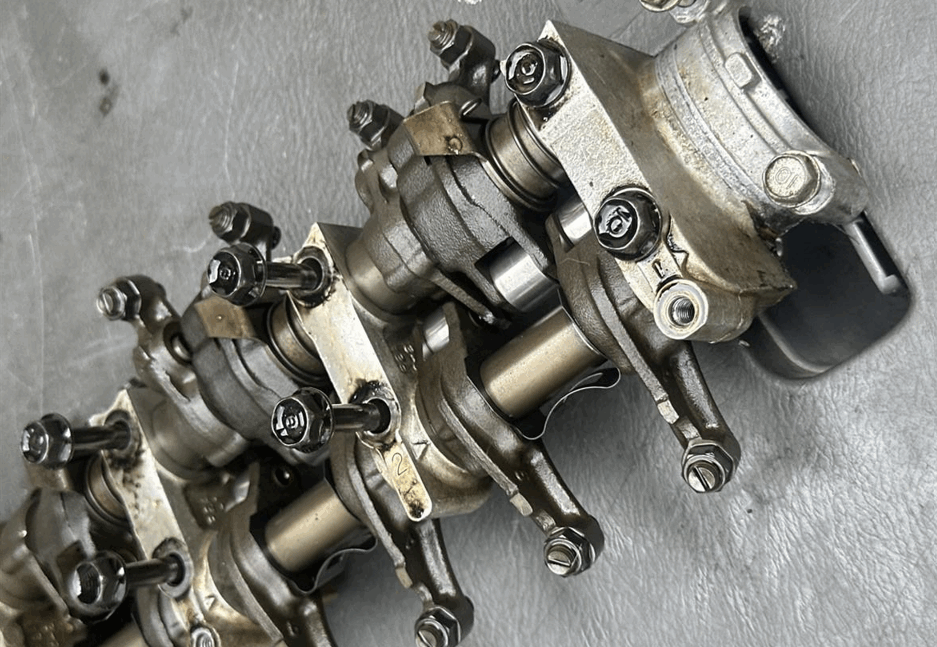
What Does Honda Valve Pause System Stuck Off Mean?
The Honda Valve Pause System Stuck Off warning means the valve pause mechanism cannot activate correctly. The engine control module detects the fault and disables the system to protect the engine. Although the vehicle may still drive normally, the engine cannot deliver its intended efficiency or performance.
Honda designed the Valve Pause System to improve fuel economy, lower emissions, and optimize valve operation under different driving conditions. The system depends on proper oil pressure, accurate sensor data, and responsive electronic controls. The engine control module monitors these components continuously. It activates the valve pause mechanism only when every operating condition meets Honda’s specifications. If one component fails, the module immediately turns the system off and stores a diagnostic trouble code.
A stuck off condition prevents the engine from adjusting valve operation as driving conditions change. As a result, combustion becomes less efficient. Drivers often notice slower acceleration, rough idling, reduced fuel economy, or a Check Engine Light. Some Honda models also enter a reduced power mode to prevent additional engine stress. The warning itself does not always indicate major engine damage. However, it should never be ignored because continued driving can worsen the underlying problem.
Most cases originate outside the valve mechanism itself. Low engine oil, incorrect oil viscosity, insufficient oil pressure, a faulty oil control solenoid, or a defective rocker arm oil pressure switch causes the warning more frequently than mechanical valve failure. Damaged wiring and outdated PCM software can also interrupt normal system operation. For that reason, technicians inspect the lubrication system, electrical circuits, and valve control components before replacing any parts. A systematic diagnosis identifies the real cause, reduces unnecessary repairs, and restores the Honda Valve Pause System to normal operation more efficiently.
What Symptoms Can Honda Valve Pause System Stuck Off Cause?
The Honda Valve Pause System Stuck Off warning can affect engine performance in several ways. Most drivers first notice a Check Engine Light or a warning message on the dashboard. However, the symptoms often become more obvious as the valve control system loses its ability to adjust engine operation. The severity depends on the underlying fault and the vehicle model.
Reduced engine power is one of the most common symptoms. The engine cannot optimize valve operation when the system remains disabled. As a result, acceleration becomes slower, especially during highway merging or uphill driving. Some drivers also report delayed throttle response because the engine no longer operates at its designed efficiency.
Fuel economy may also decline after the warning appears. The engine burns more fuel when valve timing cannot adapt to changing loads. Although the difference is usually gradual, frequent city driving often makes the increased fuel consumption easier to notice. Longer trips can also reveal a steady drop in fuel efficiency.
Many Honda owners experience rough idling or slight engine hesitation. The engine may vibrate more than usual while stopped at traffic lights. In some cases, hesitation occurs during moderate acceleration instead of hard acceleration. These symptoms often indicate that the valve control system is no longer responding correctly.
Some vehicles eventually enter a reduced power mode to protect critical engine components. The engine control module limits performance after detecting an abnormal operating condition. This protective strategy helps prevent additional damage, but it also makes the vehicle feel less responsive. Drivers should inspect the warning as soon as possible because early repairs usually cost less than fixing damage caused by continued operation.
What Causes Honda Valve Pause System Stuck Off?
Several mechanical and electrical problems can trigger the Honda Valve Pause System Stuck Off warning. However, low engine oil and oil pressure issues remain the most common causes. Because the system depends on hydraulic pressure to control valve operation, even a small drop in oil pressure can prevent it from working correctly.
Low engine oil often causes the warning first. The Valve Pause System requires enough clean oil to activate its internal components. When the oil level falls below the recommended range, hydraulic pressure decreases and the engine control module disables the system. Dirty oil can create the same problem because sludge restricts oil flow through narrow passages.
Using the wrong oil viscosity also affects system performance. Honda designs each engine to operate with a specific oil grade. Oil that is too thick flows slowly during cold starts, while oil that is too thin cannot maintain stable pressure at higher temperatures. Both conditions increase the risk of valve control problems.
Faulty control components are another common cause. A failed oil control solenoid cannot regulate oil flow correctly, while a defective rocker arm oil pressure switch may send inaccurate pressure readings to the engine control module. The system reacts by shutting down the valve pause function even if the mechanical components remain in good condition.
Electrical faults can produce the same warning. Damaged wiring, loose connectors, or corroded terminals interrupt communication between sensors and the engine control module. In some cases, outdated PCM software also causes incorrect system logic and triggers false warnings. Honda occasionally releases software updates that improve system calibration and resolve known operating issues.
Mechanical wear becomes more likely as engine mileage increases. A worn VTC actuator, stretched timing chain, or damaged camshaft component can prevent accurate valve timing. Although these failures occur less frequently than oil-related problems, they usually require more extensive repairs. A complete diagnosis should always begin with the lubrication system before technicians replace expensive mechanical parts.
Is It Safe to Drive With Honda Valve Pause System Stuck Off?
You can usually drive with the Honda Valve Pause System Stuck Off warning for a short distance, but you should not ignore it. The warning indicates that the valve control system is no longer operating as designed. While the engine may continue to run, the underlying problem can become more serious if you continue driving without a proper inspection.
The level of risk depends on the cause of the warning. A low engine oil level or an incorrect oil grade may only require basic maintenance if you address the issue quickly. However, low oil pressure, a faulty oil control solenoid, or internal engine wear can lead to poor lubrication and additional component damage. Continuing to drive under these conditions increases the chance of expensive repairs.
Pay attention to changes in engine performance after the warning appears. Slower acceleration, rough idling, engine hesitation, or unusual mechanical noise often indicate that the problem is getting worse. Some Honda models also enter a reduced power mode to protect the engine. This safety feature limits performance, but it does not repair the fault.
Stop driving immediately if the Check Engine Light begins flashing, the oil pressure warning light appears, or the engine starts knocking. These symptoms suggest that the engine may not receive enough lubrication or that internal components are under excessive stress. Driving any farther could damage the camshaft, timing components, or other critical engine parts.
The safest approach is to diagnose the warning as soon as possible. Start by checking the engine oil level and confirming that the correct oil viscosity is in use. Next, scan the vehicle for diagnostic trouble codes to identify the source of the problem. Early diagnosis often prevents secondary damage, reduces repair costs, and restores normal engine performance before the fault becomes more severe.
How Do You Diagnose Honda Valve Pause System Stuck Off?
An accurate diagnosis begins with identifying the root cause instead of replacing parts immediately. The Honda Valve Pause System Stuck Off warning can result from several different faults. A systematic inspection helps technicians find the actual problem, reduce repair costs, and avoid unnecessary component replacement.
The first step is to scan the vehicle with an OBD-II diagnostic tool. The engine control module stores one or more diagnostic trouble codes when it detects abnormal valve control operation. These codes provide valuable information about the affected system and help narrow the inspection. However, technicians should never rely on trouble codes alone because one fault can trigger multiple related codes.
The next step is to inspect the engine oil. Technicians check the oil level, confirm the correct viscosity, and examine the oil condition. Dirty oil, contaminated oil, or a low oil level can reduce hydraulic pressure and prevent the valve pause mechanism from operating correctly. If the oil does not meet Honda’s specifications, replacing it may solve the problem before further repairs become necessary.
After verifying the lubrication system, technicians test the valve control components. They inspect the oil control solenoid, rocker arm oil pressure switch, and related sensors for proper operation. They also examine the wiring harness and electrical connectors for corrosion, loose terminals, or damaged insulation. Electrical faults often interrupt communication between the components and the engine control module.
If these inspections reveal no obvious fault, technicians perform advanced mechanical tests. They measure engine oil pressure, inspect valve timing, and evaluate the timing chain, camshaft, and VTC actuator for excessive wear. Some Honda models may also require a PCM software update if Honda has released revised calibration files. Following this step-by-step process identifies the real cause and ensures that repairs address the underlying problem rather than only clearing the warning code.
How Do You Fix Honda Valve Pause System Stuck Off?
The correct repair depends on the underlying cause of the Honda Valve Pause System Stuck Off warning. Technicians should always complete a full diagnosis before replacing any components. This approach prevents unnecessary repairs and ensures that the warning does not return after a short period.
Many repairs begin with the engine oil. If the oil level is low, technicians add the correct amount and inspect the engine for leaks. If the oil is dirty or the wrong viscosity, they replace the engine oil and install a new oil filter. Fresh oil restores proper hydraulic pressure in many cases, especially when poor maintenance caused the warning.
Faulty control components require replacement if they fail diagnostic testing. A defective oil control solenoid cannot regulate oil flow correctly, while a failed rocker arm oil pressure switch sends inaccurate signals to the engine control module. Replacing these components often restores normal valve control without major engine repairs. Technicians should also repair damaged wiring or loose electrical connectors because poor electrical communication can produce the same warning.
Some vehicles require software updates instead of mechanical repairs. Honda periodically releases PCM calibration updates to improve system operation and correct known software issues. Installing the latest software may eliminate false warning messages or improve communication between electronic control systems. Technicians should always check for available updates before replacing expensive parts.
Mechanical repairs become necessary when internal engine components wear out. A damaged VTC actuator, a stretched timing chain, or worn camshaft parts can prevent the valve system from operating correctly. These repairs require more labor and specialized tools, but they restore normal engine performance when simpler solutions cannot resolve the fault.
After completing the repair, technicians clear the diagnostic trouble codes and perform a road test. They verify that the Valve Pause System activates normally under different driving conditions and confirm that no new fault codes return. A successful repair restores engine performance, improves fuel efficiency, and prevents future valve control problems caused by the same fault.
How Much Does It Cost to Fix Honda Valve Pause System Stuck Off?
The cost to fix a Honda Valve Pause System Stuck Off warning varies according to the failed component and the amount of labor required. Minor maintenance usually costs much less than mechanical engine repairs. For this reason, an accurate diagnosis is the best way to avoid replacing parts that still function correctly.
The least expensive repair is often an engine oil and oil filter change. If low oil, dirty oil, or incorrect oil viscosity caused the warning, restoring the proper lubrication may solve the problem without additional repairs. This service typically costs between $50 and $120, depending on the vehicle model, oil type, and local labor rates.
Replacing an oil control solenoid or a rocker arm oil pressure switch costs more because technicians must remove and test related components. Most owners can expect a total repair bill between $200 and $500, including parts and labor. The exact price depends on the engine design and the accessibility of the affected component.
Repair costs increase significantly when internal engine parts fail. Replacing a worn VTC actuator, timing chain, or camshaft component requires more labor and specialized tools. These repairs often range from $800 to more than $2,000, especially if technicians must disassemble the front of the engine. Delaying repairs may also increase the final cost if additional components become damaged.
Diagnostic charges are another factor to consider. Many repair shops charge $100 to $180 for a professional inspection and fault diagnosis. Although this adds to the initial expense, it often reduces the total repair cost by identifying the exact cause before any parts are replaced. A proper diagnosis, followed by the correct repair, provides the most reliable and cost-effective solution for resolving the Honda Valve Pause System Stuck Off warning.
How Can You Prevent Honda Valve Pause System Problems?
Regular maintenance is the most effective way to prevent Honda Valve Pause System problems. The system depends on clean engine oil, stable oil pressure, and properly functioning control components. Following Honda’s recommended service schedule reduces the risk of unexpected failures and helps the valve control system operate as designed.
Always use the engine oil grade specified in the owner’s manual. Honda engineers select the correct oil viscosity to maintain proper hydraulic pressure under different operating temperatures. Oil that is too thick or too thin can affect valve control performance and increase wear on internal components. Replacing the engine oil and filter at the recommended intervals also helps prevent sludge from restricting oil flow.
Check the engine oil level regularly, especially before long trips. A low oil level can reduce hydraulic pressure and trigger the Valve Pause System warning. Drivers should also watch for oil leaks around the engine because even a slow leak can eventually affect system performance. Fixing small leaks early is usually much less expensive than repairing engine damage caused by poor lubrication.
Address warning lights as soon as they appear. A Check Engine Light or an oil pressure warning should never be ignored, even if the vehicle continues to drive normally. Early diagnosis often identifies a minor problem before it develops into a major mechanical failure. Prompt repairs also reduce the likelihood of secondary damage to the timing system or valve control components.
Professional inspections provide another layer of protection. During routine maintenance, technicians can check the oil control solenoid, inspect electrical connectors, and scan the engine control module for stored diagnostic trouble codes. They can also install available PCM software updates when Honda releases revised calibrations. Consistent maintenance, early diagnosis, and timely repairs are the most effective ways to keep the Honda Valve Pause System operating reliably throughout the life of the vehicle.
Frequently Asked Questions
Can I continue driving with the Honda Valve Pause System Stuck Off warning?
You can usually continue driving for a short distance if the engine runs normally and no other warning lights appear. However, you should diagnose the problem as soon as possible. Driving for an extended period may worsen the underlying fault and increase repair costs.
Does low engine oil cause the Valve Pause System Stuck Off warning?
Yes. Low engine oil is one of the most common causes. The Valve Pause System depends on stable hydraulic pressure to operate correctly. If the oil level drops below the recommended range, the engine control module may disable the system to protect the engine.
Will an oil change fix the problem?
An oil change can solve the warning if dirty oil, low oil, or incorrect oil viscosity caused the fault. However, it will not repair a failed oil control solenoid, damaged wiring, or worn engine components. A proper diagnosis is necessary before replacing parts.
The exact trouble code varies by Honda model and engine. Common codes often relate to oil pressure, valve control performance, or rocker arm operation. An OBD-II scanner can identify the stored code and help determine the next diagnostic step.
How long does it take to repair the problem?
Simple repairs, such as an oil service or sensor replacement, often take one to two hours. More complex repairs involving the timing chain, VTC actuator, or internal engine components may require a full day or longer, depending on the vehicle and the extent of the damage.
Can I prevent the warning from returning?
Yes. Regular oil changes, the correct oil viscosity, routine inspections, and prompt attention to warning lights significantly reduce the risk of future Valve Pause System problems. Preventive maintenance is usually less expensive than repairing engine damage caused by delayed service.
Conclusion
The Honda Valve Pause System Stuck Off warning indicates that the engine cannot activate its valve control system as intended. Although the vehicle may continue to operate, the warning should never be ignored because it often points to problems with oil pressure, lubrication, electronic controls, or valve timing components. Identifying the root cause early helps prevent reduced engine performance and minimizes the risk of costly mechanical repairs.
Most cases result from maintenance-related issues rather than major engine failure. Low engine oil, incorrect oil viscosity, a faulty oil control solenoid, or a defective oil pressure switch are among the most common causes. A systematic diagnosis allows technicians to identify the exact fault before replacing parts, reducing unnecessary repair expenses and improving long-term reliability.
Routine maintenance remains the best way to prevent Valve Pause System problems. Using the correct engine oil, following Honda’s recommended service intervals, and responding quickly to warning lights help keep the valve control system operating efficiently. Regular inspections also allow technicians to detect minor issues before they develop into serious engine damage.
If your Honda displays a Valve Pause System Stuck Off warning, inspect the vehicle as soon as possible instead of waiting for additional symptoms to appear. Early diagnosis, proper repairs, and consistent maintenance will restore normal engine performance, improve fuel efficiency, and help ensure reliable operation for many years.