Honda Fit air conditioning not working usually means the system has an airflow problem, a refrigerant fault, an electrical failure, or a damaged mechanical component. The correct diagnosis depends on the symptom. Warm air from the vents often points to low refrigerant, a leak, compressor failure, or poor condenser cooling. No airflow usually indicates a blower motor, fuse, resistor, wiring, or cabin filter problem.
Intermittent cooling requires a different approach. A failing relay, pressure sensor, compressor clutch, loose electrical connection, or freezing evaporator can cause the system to work normally and then stop without warning. Cooling that becomes weak at idle but improves while driving often indicates a condenser fan or airflow problem because the system depends on moving air to release heat.
A complete diagnosis should begin with airflow, vent temperature, compressor operation, cooling fan activity, fuse condition, and refrigerant pressure. Recharging the system without finding the cause may provide only temporary cooling and can hide a leak or electrical problem. This guide explains the main causes, symptoms, diagnostic steps, repair options, expected costs, and safe checks that Honda Fit owners can perform before visiting an air conditioning specialist.
Why Is the Honda Fit Air Conditioning Not Working?
Honda Fit air conditioning stops working when one or more parts of the cooling system cannot perform their function correctly. The four main causes are airflow problems, refrigerant problems, electrical failures, and mechanical component failures. Identifying the correct category helps prevent unnecessary repairs because each problem requires a different diagnostic approach.
Airflow problems happen when cooled air cannot reach the cabin. Common causes include a dirty cabin air filter, failed blower motor, damaged blower resistor, or blocked air passage. These issues usually cause weak airflow or no air coming from the vents even when the climate control system is turned on.
Refrigerant problems occur when the AC system cannot maintain the pressure required for cooling. Low refrigerant levels usually indicate a leak from components such as the condenser, compressor seal, hose connections, or evaporator. When refrigerant pressure becomes too low, the compressor may stop operating correctly and the vents may produce warm air.
Electrical failures prevent the AC system from receiving or sending the correct signals. A blown fuse, failed relay, damaged wiring, faulty pressure sensor, or HVAC control problem can stop the compressor, condenser fan, or blower motor from working.
Mechanical failures affect components that create or distribute cooling. A damaged compressor, failed compressor clutch, worn belt, or faulty blend door actuator can reduce cooling performance or stop the system completely.
The phrase “Honda Fit air conditioning not working” describes a symptom rather than a specific fault. Accurate diagnosis starts by checking whether the problem involves airflow, temperature, compressor operation, or intermittent performance.
What Symptoms Identify a Honda Fit AC Problem?
Honda Fit AC symptoms provide important clues about which component has failed. The same complaint, such as “the air conditioner is not working,” can come from different problems. A system that blows warm air has a different cause from a system that produces no airflow. Identifying the exact symptom before testing components makes the diagnosis faster and prevents unnecessary repairs.
When the Honda Fit AC blows warm air, the blower system is usually working because air still reaches the cabin. The problem is often related to the cooling cycle. Common causes include low refrigerant, refrigerant leaks, compressor failure, compressor clutch problems, condenser fan failure, or a malfunctioning blend door actuator. Checking compressor operation and refrigerant pressure helps separate these possible causes.
When no air comes from the vents, the problem is usually related to the airflow system rather than refrigerant. A failed blower motor, damaged blower resistor, blown fuse, faulty relay, or blocked cabin air filter can prevent air from moving through the dashboard vents. A simple fan speed test can help determine whether the issue affects the entire blower system or only specific speed settings.
Weak airflow is another common Honda Fit AC symptom. A restricted cabin air filter, dirty evaporator surface, failing blower motor, or blocked air passage can reduce the amount of cooled air entering the cabin. The temperature may feel cold near the evaporator, but the reduced airflow makes the cabin feel warm.
Intermittent cooling often indicates an electrical or control problem. A failing relay, pressure sensor, compressor clutch, loose connection, or evaporator icing can cause the AC to work normally at certain times and stop at others. Cooling that disappears while the vehicle is stopped but returns while driving often points to a condenser airflow problem, especially a failing cooling fan.
Understanding these symptoms creates a clear starting point for diagnosis. Instead of replacing parts based only on the complaint, technicians can identify the system area that requires inspection first.
What Are the Most Common Causes of Honda Fit AC Failure?
Honda Fit AC failure usually comes from nine common causes: low refrigerant, refrigerant leaks, compressor problems, compressor clutch failure, electrical faults, condenser fan issues, dirty cabin air filters, blower motor failure, and blend door actuator problems. Each cause affects a different part of the air conditioning system, so accurate diagnosis helps owners avoid unnecessary repairs.
Low refrigerant is a common reason why the Honda Fit AC stops producing cold air. The system needs the correct refrigerant pressure to remove heat from the cabin. Refrigerant does not disappear during normal operation, so a low level usually indicates a leak. Common leak points include compressor seals, condenser damage, hose connections, service ports, and evaporator components.
A refrigerant leak slowly reduces cooling performance. Drivers may notice longer cooling times, frequent compressor cycling, or warm air from the vents. Adding refrigerant without repairing the leak only provides temporary results and may allow moisture to damage internal components.
A damaged compressor cannot circulate refrigerant through the system. The compressor creates the pressure difference that allows the evaporator to absorb heat and the condenser to release it. Common signs include warm airflow, unusual noises, poor cooling, and a compressor clutch that does not engage.
Electrical faults can also stop Honda Fit AC operation. A failed fuse, relay, pressure sensor, wiring connection, or HVAC control module can interrupt power or communication with AC components.
Other common problems include a failed condenser fan, restricted cabin air filter, weak blower motor, or faulty blend door actuator. These failures affect heat transfer or airflow direction and can make the AC appear completely broken.
Finding the correct cause is the first step toward restoring Honda Fit AC performance.
How Do You Diagnose a Honda Fit Air Conditioner That Is Not Working?
Diagnosing a Honda Fit air conditioner requires a step-by-step process because different failures can create similar symptoms. A system that blows warm air may have a refrigerant problem, compressor issue, or airflow problem. A system with no airflow may have an electrical or blower motor failure. Following a clear diagnostic order helps identify the actual cause before replacing any components.
The first step is confirming the exact symptom. Start the engine, set the temperature to the coldest setting, select the highest fan speed, and activate the recirculation mode. Check whether the vents produce strong airflow, weak airflow, or no airflow. Strong airflow with warm air usually points to a cooling system problem, while weak airflow suggests a ventilation issue.
The next step involves checking basic electrical components. Inspect the AC fuse, blower motor fuse, compressor relay, and cooling fan relay. A visual inspection can reveal a damaged fuse, but electrical testing provides a more accurate result. A failed relay, loose connector, or damaged wire can prevent the compressor, fan, or blower motor from receiving power.
After checking electrical components, observe the AC compressor operation. When the system receives the correct command, the compressor clutch should engage. A compressor that does not engage may have a low refrigerant pressure issue, clutch failure, relay problem, wiring fault, or control system error.
The condenser fan also requires inspection because it removes heat from the refrigerant. If the fan does not operate when the AC runs, the system may cool while driving but produce warm air when the vehicle stops.
A complete diagnosis requires refrigerant pressure testing with proper gauges. Technicians should compare high-side and low-side pressure readings with ambient temperature, engine speed, and compressor operation. A low-side recharge gauge alone cannot confirm whether the system has a leak, restriction, overcharge, or compressor problem.
An OBD-II scanner with HVAC data access can provide additional information, including AC request signals, refrigerant pressure readings, evaporator temperature, compressor commands, and cooling fan operation. Combining symptom analysis, electrical testing, component inspection, and pressure measurement creates a reliable diagnosis for Honda Fit AC problems.
How Do You Find a Refrigerant Leak in a Honda Fit?
Finding a refrigerant leak is an essential step when a Honda Fit AC system loses cooling performance. Refrigerant does not normally decrease during regular operation, so a low refrigerant level usually indicates that the system has a damaged seal, connection, hose, condenser, compressor component, or evaporator. Recharging the system without locating the leak only restores cooling temporarily and does not solve the underlying problem.
The first method involves a visual inspection of the AC system. Refrigerant carries compressor oil throughout the system, so leaks often leave oily residue around damaged areas. Technicians usually inspect compressor seals, hose connections, condenser surfaces, service ports, and visible refrigerant lines for signs of leakage.
UV dye inspection provides another effective method for locating small leaks. Technicians add compatible dye to the AC system, allow the refrigerant to circulate, and use an ultraviolet light to identify leaking points. This method helps reveal leaks that may not produce visible oil marks.
Electronic leak detection uses a sensor that identifies refrigerant vapor near possible leak locations. This tool helps technicians inspect difficult areas, including hidden connections and evaporator drain locations. It works especially well when leaks occur in areas that visual inspection cannot easily reach.
Nitrogen pressure testing helps locate leaks that appear only under positive pressure. Technicians introduce controlled nitrogen pressure into the system and monitor whether the pressure decreases over time. This method can reveal slow leaks that standard inspections may miss.
Vacuum testing checks whether the AC system can maintain negative pressure after evacuation. However, vacuum testing alone cannot identify every leak because some seals behave differently under positive pressure.
Common Honda Fit refrigerant leak locations include compressor shaft seals, condenser damage, hose connections, service valves, and evaporator cores. A proper leak diagnosis protects the compressor, prevents repeated refrigerant loss, and ensures the AC system receives the correct repair instead of temporary recharging.
How Do You Fix a Honda Fit Air Conditioner That Is Not Working?
Fixing a Honda Fit air conditioner requires repairing the actual cause of failure instead of replacing parts based only on symptoms. Different problems need different solutions because the AC system contains several connected components, including the compressor, condenser, evaporator, blower motor, electrical controls, and refrigerant circuit.
A low refrigerant level requires leak repair before the system receives new refrigerant. Technicians should locate the leak, replace damaged components such as seals, hoses, or condenser parts, remove air and moisture with a vacuum pump, and recharge the system with the correct refrigerant amount. Adding refrigerant without repairing the leak only creates temporary cooling.
A failed AC compressor requires more extensive repair because the compressor controls refrigerant circulation. Technicians must inspect the system for contamination, check compressor oil condition, and determine whether metal particles have spread through the AC circuit. When contamination occurs, additional components may require replacement to protect the new compressor.
A compressor clutch problem requires testing the clutch coil, relay, wiring, and refrigerant pressure before replacement. A faulty clutch does not always mean the compressor itself has failed. Repairing the electrical cause may restore normal compressor operation without replacing the entire unit.
Electrical problems require circuit testing instead of random part replacement. Technicians inspect fuses, relays, connectors, wiring, pressure sensors, and HVAC control signals to identify where the power or communication failure occurs.
Airflow problems require different repairs. A dirty cabin air filter needs replacement, while a failed blower motor or resistor requires component replacement. A faulty blend door actuator may need recalibration or replacement because it controls whether air passes through the cooling or heating pathway.
The repair process should always follow accurate diagnosis. Replacing the wrong component increases repair costs and may leave the Honda Fit AC system with the original problem.
How Much Does Honda Fit AC Repair Cost?
Honda Fit AC repair costs depend on the failed component, labor requirements, refrigerant type, vehicle condition, and the amount of damage inside the air conditioning system. A simple electrical repair usually costs less than a component replacement that requires removing major parts of the vehicle. Understanding the repair category helps owners prepare for possible expenses and avoid unnecessary services.
Lower-cost Honda Fit AC repairs usually involve simple maintenance or minor component replacement. Common examples include cabin air filter replacement, fuse replacement, relay replacement, electrical connector repair, and basic diagnostic testing. These repairs often require less labor because technicians can access the affected components without removing major AC parts.
Medium-level repairs usually involve components such as blower motors, blower resistors, condenser fans, pressure sensors, or refrigerant leaks in accessible areas. These repairs require more testing because technicians must confirm that the replacement part solves the actual cause of the failure.
Higher-cost repairs usually involve major AC components such as compressors, evaporators, or systems with refrigerant contamination. A compressor replacement may require additional work because technicians must inspect the entire refrigerant circuit for metal debris, replace related components when necessary, evacuate the system, and recharge it with the correct refrigerant amount.
A proper Honda Fit AC repair estimate should include several details. The estimate should explain the diagnostic process, failed components, replacement parts, labor hours, refrigerant quantity, compressor oil requirements, warranty coverage, and any additional repairs caused by system contamination.
Owners should avoid choosing a repair based only on the lowest price. An incorrect diagnosis can lead to repeated refrigerant recharge, unnecessary part replacement, and higher long-term costs. A complete inspection ensures the repair addresses the actual cause of the Honda Fit AC failure.
Which Honda Fit AC Checks Can Be Done at Home?
Honda Fit owners can perform several basic AC checks at home before visiting a repair specialist. These checks help identify whether the problem involves airflow, electrical components, cooling performance, or a major mechanical failure. However, owners should only inspect accessible parts and avoid opening the refrigerant system because refrigerant handling requires proper equipment and technical knowledge.
The first check involves inspecting the cabin air filter. A dirty or clogged filter restricts airflow and can make the air conditioner feel weak even when the cooling system works correctly. Replacing a blocked filter can improve airflow and reduce strain on the blower motor.
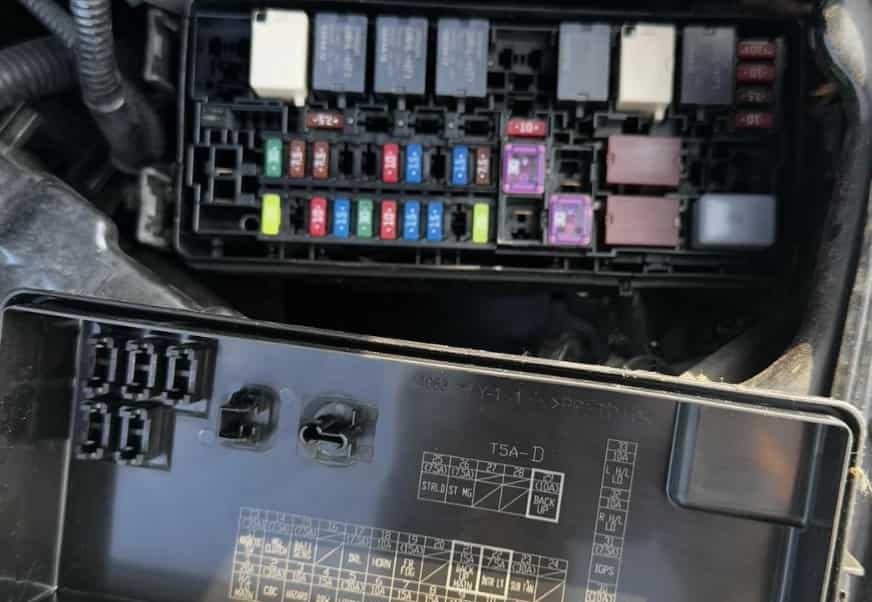
Owners can also check the AC and blower motor fuses by using the vehicle’s fuse diagram. A damaged fuse may indicate an electrical problem, but repeatedly replacing the same fuse without finding the cause can create additional damage. Drivers should also inspect visible connectors for corrosion, looseness, or heat damage.
Another useful check involves observing compressor and cooling fan operation. Start the engine, turn on the AC, select the coldest temperature, and listen for the compressor clutch engagement. Check whether the condenser fan operates when the AC runs. A missing compressor sound or inactive fan can provide important diagnostic clues.
Measuring vent temperature can also help evaluate AC performance. Record the temperature from the center vent while using maximum cooling, recirculation mode, and the highest fan setting. Compare changes in cooling performance between different driving conditions.
Safe home checks include filter inspection, fuse inspection, airflow testing, visual component inspection, and symptom recording. Owners should not disconnect refrigerant lines, bypass pressure switches, force compressor engagement, or release refrigerant into the atmosphere. Professional equipment is required for refrigerant recovery, leak testing, evacuation, and charging.
When Should a Honda Fit Be Taken to an AC Repair Specialist?
Honda Fit owners should take the vehicle to an AC repair specialist when the problem requires refrigerant handling, advanced electrical testing, or component-level diagnosis. Some AC problems appear simple but involve multiple connected parts that require professional tools to identify correctly. Continuing to operate a damaged system can increase repair costs and create additional component failures.
A professional inspection is necessary when the refrigerant level becomes low repeatedly. Refrigerant loss indicates a leak, and adding more refrigerant without repairing the source does not solve the problem. A specialist can use leak detection equipment to locate damaged seals, hoses, condensers, evaporators, or other components.
Owners should also seek professional help when the AC compressor makes grinding, rattling, or unusual mechanical noises. These sounds may indicate internal compressor damage. A failing compressor can release metal debris into the refrigerant circuit and damage other components if the problem continues.
Electrical problems also require specialist diagnosis when fuses continue to fail, wiring becomes hot, connectors show burn marks, or the compressor does not engage. Technicians can test electrical circuits, control signals, sensors, and HVAC modules to identify the exact failure point.
Professional service is also recommended when the system has incorrect refrigerant, excessive pressure, poor cooling after recharge, or possible evaporator leaks. These conditions require specialized equipment such as recovery machines, manifold gauges, vacuum pumps, refrigerant identifiers, and diagnostic scanners.
A qualified technician should diagnose the problem before recommending repairs. Accurate diagnosis prevents unnecessary replacement of expensive parts and ensures the Honda Fit AC system receives the correct solution based on the actual failure.
Does the Honda Fit Model Year Affect AC Diagnosis?
Honda Fit model year can affect AC diagnosis because different generations may use different electrical layouts, refrigerant specifications, HVAC controls, and component designs. Although the basic air conditioning principles remain similar, the location, operation, and testing procedure of specific components can change between model generations and markets.
The first factor to check is the refrigerant specification. Honda Fit models may use different refrigerant types depending on production year and market. Technicians should confirm the refrigerant type and required charge amount from the vehicle information label before performing any AC service. Using the wrong refrigerant or incorrect charge amount can reduce cooling performance and damage system components.
Electrical system design can also vary between Honda Fit generations. Fuse locations, relay layouts, compressor controls, pressure sensors, and HVAC modules may differ. A diagnostic procedure that works for one model year may not apply to another model. Checking the vehicle identification number and factory repair information helps technicians select the correct testing method.
Component design and accessibility may also change across model years. Compressor configurations, blower motor locations, evaporator designs, and control systems can affect repair procedures and labor requirements. Some repairs may require simple component access, while others may require more extensive disassembly.
Using accurate vehicle information improves diagnosis accuracy. Owners should provide the model year, engine type, trim level, and market location when seeking repair advice or ordering replacement parts.
A Honda Fit AC problem should always receive a vehicle-specific diagnosis instead of relying only on general information. Correct identification of the model year ensures that technicians test the right components, use compatible parts, and apply the correct repair procedure.
Conclusion
A Honda Fit air conditioning system that stops working does not always require the same repair. The problem may come from low refrigerant, a damaged compressor, an electrical failure, restricted airflow, or a faulty control component. Finding the correct cause requires identifying the symptom first and testing the related system components.
Drivers should begin with basic checks, including airflow strength, compressor operation, fuse condition, cooling fan activity, and visible signs of refrigerant leaks. These observations help separate simple maintenance issues from complex AC failures that require professional diagnosis.
Replacing parts without confirming the failure can increase repair costs and leave the original problem unresolved. A proper Honda Fit AC diagnosis focuses on how each component affects the complete cooling cycle, from refrigerant circulation and heat transfer to airflow distribution and electrical control.
Regular maintenance, early inspection, and correct repairs help the Honda Fit air conditioning system provide consistent cooling performance. When the system shows reduced cooling, unusual noises, weak airflow, or repeated refrigerant loss, addressing the issue early can prevent more expensive repairs in the future.