A door lock that refuses to lock or unlock can quickly become a serious problem. It affects your vehicle’s security, convenience, and daily driving experience. Many owners immediately search for the Honda CR V Door Lock Actuator Recall because they want to know whether Honda will repair the issue free of charge. However, not every door lock problem qualifies for an official recall. Some vehicles fall under a warranty extension, a product update, or a technical service bulletin instead.
The door lock actuator controls the power locking mechanism inside each door. It receives commands from the key fob or the interior door switch. It then locks or unlocks the door within seconds. When the actuator starts to fail, the symptoms often become easy to notice. One door may stop responding. The lock may cycle repeatedly. You may also hear clicking sounds from inside the door panel. These warning signs can appear gradually or without warning.
This guide explains everything you need to know about the Honda CR V Door Lock Actuator Recall. You will learn which model years have experienced door lock related problems and how Honda has addressed them. You will also discover the difference between a recall, a warranty extension, and a product update. In addition, this guide explains how to check your VIN, identify common symptoms, estimate repair costs, and decide whether your vehicle needs professional service. By the end of this article, you will know exactly what steps to take to keep your Honda CR V safe, secure, and reliable.
Is There a Honda CR V Door Lock Actuator Recall?
Many Honda CR V owners ask the same question after their power locks stop working. They want to know if Honda has issued an official recall. The answer depends on the model year and the exact problem. In some cases, Honda released a safety recall. In other cases, the company offered a warranty extension or a product update instead. That is why checking reliable information is so important before replacing any parts.
Many people use the word recall to describe every factory supported repair. However, these programs do not offer the same coverage. A safety recall addresses defects that could affect vehicle safety. Honda repairs these issues at no cost to the owner. A warranty extension covers specific components for a longer period than the original warranty. A product update allows Honda to improve certain parts under defined conditions. A technical service bulletin gives repair instructions to technicians, but it does not guarantee free repairs.
Understanding these differences helps you avoid confusion. It also prevents unnecessary repair costs. If your Honda CR V has a faulty door lock actuator, you should first identify the exact cause. A failed actuator, a damaged door latch, or an electrical fault can produce similar symptoms. Even so, they do not always qualify for the same repair program.
Some Honda CR V models have experienced door lock actuator problems that caused the locks to respond slowly or stop working completely. Honda addressed some of these concerns through manufacturer support programs. In addition, certain 2012 Honda CR V vehicles received a separate safety recall for the front door latch. Although both issues involve the door locking system, they affect different components. For that reason, owners should never assume that every door lock problem falls under an official recall.
The best way to confirm your vehicle’s eligibility is to check its Vehicle Identification Number. A VIN search provides accurate information about open recalls, completed campaigns, and available warranty coverage. This simple step helps you avoid unnecessary repairs and ensures that you receive any manufacturer supported service available for your Honda CR V.
Which Honda CR V Model Years May Be Affected?
Honda has produced the CR V for many years, but not every generation shares the same door lock concerns. Some model years received manufacturer support for specific door lock actuator problems. Others experienced different issues involving the door latch or the power locking system. As a result, owners should always verify their vehicle by VIN instead of relying only on the model year.
2007 Honda CR V
The 2007 Honda CR V is one of the models most frequently linked to door lock actuator complaints. Many owners reported that the driver’s door failed to lock or unlock with the key fob. In some cases, the lock worked intermittently before stopping completely. Honda later introduced support programs for certain vehicles. However, eligibility depended on the vehicle’s VIN and repair history.
2008 Honda CR V
The 2008 model showed symptoms similar to the previous year. Owners often noticed that one door stopped responding while the remaining doors continued to operate normally. Clicking sounds inside the door also became a common complaint. These symptoms usually pointed to a worn door lock actuator, although a professional inspection remained the best way to confirm the exact cause.
2009 Honda CR V
Many 2009 Honda CR V owners experienced intermittent power door lock problems. Some vehicles locked correctly one day and failed the next. Others required several button presses before the actuator responded. Honda provided manufacturer support for certain vehicles, but not every CR V qualified. Therefore, checking the VIN remained the most reliable way to confirm available coverage.
2010 and 2011 Honda CR V
Door lock actuator failures can still occur on these model years because every electrical component wears over time. However, most cases result from normal aging rather than a manufacturer supported campaign. A faulty actuator, damaged wiring, or a failing door switch can all create similar symptoms. A complete diagnosis helps identify the actual source of the problem before replacing any parts.
2012 Honda CR V
The 2012 Honda CR V deserves special attention because Honda issued a safety recall for the front door latch on certain vehicles. Many owners confuse this recall with a door lock actuator recall because both issues affect the door locking system. In reality, the latch and the actuator perform different functions. The latch keeps the door securely closed, while the actuator controls the locking mechanism. Understanding this distinction helps owners choose the correct repair.
Later Honda CR V Models
Later Honda CR V models can still develop door lock actuator problems after years of regular use. Frequent operation, moisture, dirt, and internal wear can all reduce actuator performance. These failures do not automatically qualify for free repairs. Instead, owners should check for open recalls, warranty coverage, or service campaigns before scheduling a replacement.
The model year provides a helpful starting point, but it never confirms recall eligibility. The most reliable approach is to perform a VIN lookup through Honda or the National Highway Traffic Safety Administration. This search reveals whether your Honda CR V has an open safety recall, a completed campaign, or no manufacturer supported repair at all.
What Does a Honda CR V Door Lock Actuator Do?
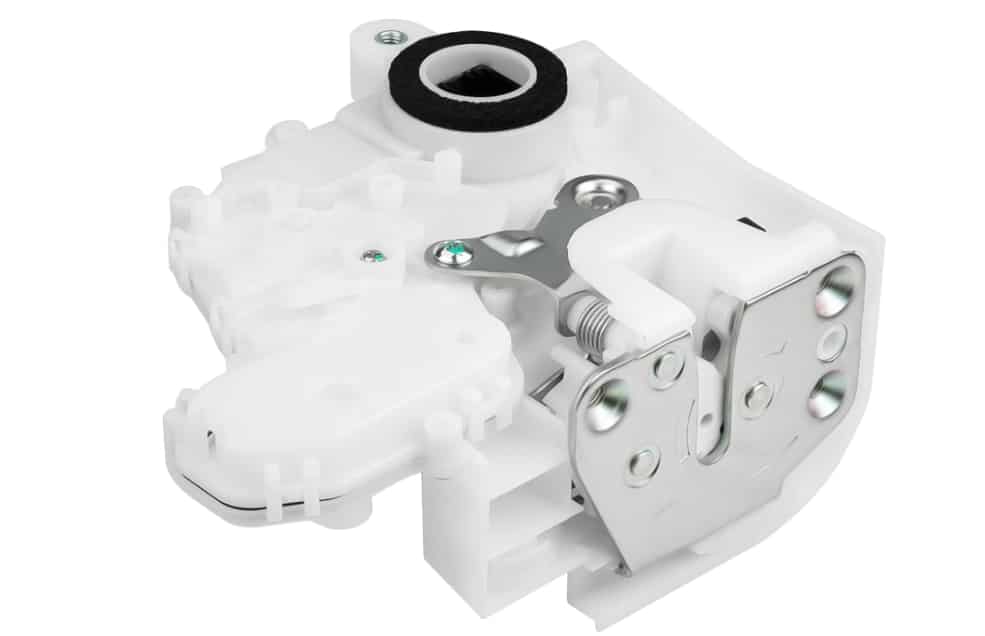
The door lock actuator is one of the most important parts of the power door locking system. It controls the locking and unlocking action inside each door. Every time you press the key fob or the interior door switch, the actuator receives an electrical signal and moves the lock mechanism. The process takes only a few seconds, but every component must work correctly for the system to respond as expected.
A typical Honda CR V power door locking system includes several connected components. The key fob sends a command to the vehicle’s control system. The control system then delivers an electrical signal to the correct door lock actuator. Finally, the actuator moves the internal linkage that locks or unlocks the door. If one component fails, the entire process may stop working correctly.
The actuator contains a small electric motor and a set of gears. These parts work together whenever the locking system receives a command. Over time, repeated use can wear the motor or damage the internal gears. Moisture, dirt, and normal aging may also reduce the actuator’s performance. As the condition worsens, the actuator may respond slowly, operate only occasionally, or stop working completely.
Many owners confuse the door lock actuator with the door latch. Although these components work together, they serve different purposes. The actuator controls the locking mechanism through electrical movement. The door latch keeps the door securely closed after you shut it. A faulty latch can prevent the door from closing or opening correctly. A faulty actuator usually affects the locking function while the latch continues to hold the door in place.
Understanding this difference is important because similar symptoms can have different causes. For example, a door that refuses to unlock may have a failed actuator. However, a door that does not stay closed may have a damaged latch. Replacing the wrong component increases repair costs and does not solve the underlying problem. A proper diagnosis helps identify the failed part before any repair begins.
The door lock actuator also works with several other electrical components. These include the interior lock switch, the keyless entry system, the body control module, wiring, and electrical connectors. A problem with any of these parts can create symptoms that resemble actuator failure. Therefore, technicians usually inspect the entire locking system before recommending a replacement.
A healthy door lock actuator improves both convenience and security. It allows every door to respond quickly and consistently whenever you lock or unlock the vehicle. More importantly, it helps protect passengers and personal belongings by keeping every door properly secured during daily driving.
Common Symptoms of a Failing Honda CR V Door Lock Actuator
A failing door lock actuator usually shows several warning signs before it stops working completely. Recognizing these symptoms early can save both time and money. It can also help you determine whether your Honda CR V needs a professional inspection or qualifies for a manufacturer supported repair program.
The most common symptom is a door that will not lock or unlock. In many cases, only one door stops responding while the others continue to work normally. You may press the key fob several times without success. The interior lock switch may also fail to operate the affected door.
Another common sign is intermittent operation. The lock may work correctly one day and fail the next. Some owners notice that the actuator responds only after pressing the lock button multiple times. This behavior often indicates that the internal motor has become weak.
You may also hear a clicking or buzzing sound from inside the door panel. This noise usually means the actuator receives power but cannot complete the locking cycle. As the condition becomes worse, the lock may move only part of the way or fail to move at all.
Some vehicles also develop delayed lock operation. One door reacts several seconds later than the others. Although the delay seems minor at first, it often becomes more noticeable over time. Eventually, the actuator may stop responding completely.
These symptoms can also result from damaged wiring, a faulty door latch, or an electrical problem. For that reason, a complete diagnosis is always the best approach. Identifying the exact cause prevents unnecessary repairs and helps restore the security, convenience, and reliability of your Honda CR V.
Is a Faulty Honda CR V Door Lock Actuator a Safety Risk?
A faulty door lock actuator is more than a minor inconvenience. It can also create security and safety concerns in certain situations. Although the actuator does not control the engine or braking system, it plays an important role in protecting the vehicle and its occupants.
A door that fails to lock increases the risk of theft. Personal belongings inside the vehicle become easier to access when the locking system does not work properly. In some cases, owners may not realize that one door remains unlocked after they leave the vehicle. This problem can expose the vehicle to unnecessary security risks.
A failed actuator can also make it difficult to enter the vehicle. The key fob may unlock three doors while one door remains locked. This issue becomes especially frustrating during bad weather or when you need quick access to the vehicle. Families with children may also find it inconvenient if a rear door does not unlock as expected.
In rare cases, a faulty locking system can delay an emergency exit. For example, a damaged actuator or a related door lock component may prevent normal operation after an accident or electrical failure. While manual door handles often continue to work, every locking problem deserves prompt attention to ensure the entire system operates correctly.
The safest approach is to inspect the locking system as soon as symptoms appear. Early diagnosis helps identify whether the problem involves the actuator, the door latch, the wiring, or another electrical component. Prompt repairs restore the security, convenience, and reliability of your Honda CR V while reducing the risk of more expensive repairs in the future.
What Causes a Honda CR V Door Lock Actuator to Fail?
Several factors can cause a Honda CR V door lock actuator to fail. Most problems develop gradually through normal use. Understanding the common causes helps owners recognize the issue early and avoid unnecessary repairs.
Normal wear is the most common reason for actuator failure. Every time you lock or unlock the vehicle, the small electric motor and internal gears complete another cycle. After thousands of cycles, these components begin to wear. As a result, the actuator may respond slowly or stop working altogether.
Moisture can also damage the actuator. Water may enter the door through worn weather seals or blocked drain holes. Once moisture reaches the electrical components, corrosion can develop. Corroded connections reduce electrical performance and may cause the actuator to operate intermittently.
Dust and dirt also affect long term reliability. Small particles can collect inside the door over time. They increase friction around moving parts and place extra strain on the actuator. This additional resistance can shorten the life of the internal motor.
Electrical problems are another possible cause. A damaged wire, loose connector, or failing fuse can interrupt the power supply. In these situations, the actuator may appear defective even though the real problem exists elsewhere in the locking system. A proper diagnosis helps identify the exact source of the failure.
Extreme temperatures may also affect actuator performance. Very cold weather can make worn components move more slowly. High temperatures can accelerate the aging of plastic gears and electrical parts. Although climate alone rarely causes failure, it can expose weaknesses in an aging actuator.
Regular inspection and timely repairs help prevent small problems from becoming larger ones. Replacing a worn actuator at the right time restores reliable door lock operation and helps keep your Honda CR V secure every day.
How to Check If Your Honda CR V Qualifies for a Recall
The easiest way to confirm recall eligibility is to check your Vehicle Identification Number, also called the VIN. Every Honda CR V has a unique VIN that allows Honda and government agencies to identify recalls, service campaigns, and warranty programs for that specific vehicle.
You can find the VIN in several locations. It usually appears on the driver’s side dashboard near the windshield. It is also printed on the driver’s door jamb and listed on the vehicle registration and insurance documents. Before you begin your search, make sure the VIN is complete and accurate.
Once you have the VIN, visit Honda’s official recall website or the National Highway Traffic Safety Administration recall database. Enter the number exactly as it appears on your vehicle. The system will display any open safety recalls that apply to your Honda CR V. If no recalls appear, it means your vehicle currently has no outstanding safety campaigns.
Keep in mind that a recall is not the same as a warranty extension or a service campaign. Your vehicle may qualify for manufacturer support even if no active recall exists. If you experience door lock actuator problems, contact a Honda dealership and provide your VIN. The service department can verify whether any additional coverage applies to your vehicle.
If your Honda CR V qualifies for a recall, schedule the repair as soon as possible. Authorized Honda technicians will complete the required work according to the manufacturer’s instructions. Prompt action helps restore the proper operation of the locking system and ensures that your vehicle continues to meet Honda’s safety standards.
How Much Does It Cost to Replace a Honda CR V Door Lock Actuator?
The cost to replace a Honda CR V door lock actuator depends on several factors. The model year, labor rates, and the type of replacement part all affect the final repair bill. If your vehicle qualifies for a recall or a manufacturer support program, Honda may cover part or all of the repair cost. Otherwise, the owner is usually responsible for the expense.
The replacement part often represents a large portion of the total cost. Genuine Honda actuators generally cost more than aftermarket alternatives. However, original equipment parts usually provide better compatibility and consistent performance. Many owners choose genuine parts because they match the factory specifications.
Labor costs also vary by location. Replacing a door lock actuator requires the technician to remove the interior door panel, disconnect electrical connectors, and install the new component. The repair normally takes one to two hours, although some model years may require additional time.
Many repair shops charge between $200 and $500 for a complete door lock actuator replacement, including parts and labor. The exact price depends on your vehicle and local labor rates. Requesting a written estimate before the repair helps you understand the expected cost and avoid unexpected charges.
Although a failing actuator may seem like a minor issue, delaying the repair can create additional problems. A door that will not lock properly reduces vehicle security and may place extra strain on other locking components. Replacing the faulty actuator early often prevents more expensive repairs later. It also restores the convenience and reliability that Honda CR V owners expect from their vehicles.
Can You Replace a Honda CR V Door Lock Actuator Yourself?
Many Honda CR V owners consider replacing the door lock actuator themselves to save money. The repair is possible for people with basic mechanical experience. However, it requires patience, the right tools, and careful attention to detail. If you have never removed a door panel before, the job may take longer than expected.
The process begins by removing the interior door trim panel. You must disconnect the electrical connectors and carefully release the plastic clips without breaking them. After removing the moisture barrier, you can access the door lock actuator and the latch assembly. The old actuator must be disconnected before the new one is installed and tested.
Although the repair sounds simple, several challenges may appear during the process. Small clips, cables, and mounting screws can be difficult to reach. Incorrect installation may prevent the door from locking correctly or cause the power lock system to stop working. Damaging the door panel or electrical connectors can also increase the overall repair cost.
A professional technician has the tools and experience to complete the repair efficiently. They can also inspect the entire locking system for related problems. For example, damaged wiring, a worn door latch, or a faulty switch may produce symptoms that look like actuator failure. A complete inspection reduces the risk of replacing a part that still works properly.
If you feel confident with automotive repairs, replacing the actuator yourself can reduce labor costs. However, if you are unsure about any step, professional service is usually the safer choice. A correct repair restores reliable door lock operation and helps keep your Honda CR V secure for years to come.
Frequently Asked Questions About the Honda CR V Door Lock Actuator Recall
Does every Honda CR V have a door lock actuator recall?
No. Not every Honda CR V qualifies for a door lock actuator recall or manufacturer support program. Recall eligibility depends on the model year, production date, and VIN. Always check your VIN through Honda or the National Highway Traffic Safety Administration before assuming your vehicle qualifies for a free repair.
Can I continue driving with a faulty door lock actuator?
Yes, the vehicle will usually remain drivable. However, a faulty actuator can reduce security and create daily inconvenience. A door that does not lock properly leaves the vehicle more vulnerable to theft. Repairing the problem early helps prevent additional damage to the locking system.
How long does a door lock actuator last?
There is no fixed service life. Many actuators last for years without problems. Others fail sooner because of heavy use, moisture, or electrical issues. Regular inspection helps identify early signs of wear before complete failure occurs.
Will a bad actuator drain the battery?
A faulty actuator can occasionally place extra demand on the electrical system if it continues to cycle or receives repeated commands. However, it is not a common cause of battery failure. If your battery repeatedly loses power, a technician should inspect the entire electrical system.
Should I choose a genuine Honda actuator or an aftermarket part?
A genuine Honda actuator usually offers the best fit and compatibility. Many aftermarket parts also perform well, but quality varies by manufacturer. Choosing a high quality replacement helps improve long term reliability and reduces the chance of future problems.
What should I do if the repair does not solve the problem?
If the symptoms continue after replacing the actuator, another component may be responsible. The problem could involve the door latch, wiring, electrical connectors, or the body control module. A complete diagnostic inspection is the best way to identify the actual cause and restore proper door lock operation.
Conclusion
A Honda CR V door lock actuator problem can begin with a small inconvenience, but it should never be ignored. A door that fails to lock or unlock properly can reduce vehicle security and make daily driving more frustrating. Understanding the early symptoms allows you to address the issue before it becomes more serious.
As this guide has explained, not every door lock problem qualifies for an official recall. Some vehicles may fall under a warranty extension or another manufacturer support program instead. The most reliable way to confirm eligibility is to check your VIN and contact an authorized Honda dealership. This simple step can save both time and repair costs.
If your Honda CR V shows signs of actuator failure, arrange an inspection as soon as possible. A qualified technician can determine whether the problem involves the actuator, the door latch, the wiring, or another electrical component. An accurate diagnosis prevents unnecessary repairs and helps restore the proper operation of the locking system.
Regular maintenance and prompt repairs improve both security and long term reliability. Replacing a worn actuator at the right time helps protect your vehicle and ensures that every door operates as intended. Whether you plan to repair the vehicle yourself or seek professional service, understanding the Honda CR V Door Lock Actuator Recall and related manufacturer programs allows you to make informed decisions with confidence.
If you found this guide helpful, consider sharing it with other Honda CR V owners who may be experiencing the same issue. The right information can help them identify the problem early and choose the most effective solution.