Honda CR-V brake system problems can come from mechanical wear, hydraulic pressure loss, electrical faults, damaged sensors, or software errors. Some issues affect the vehicle’s ability to stop, while others trigger dashboard warnings even when the basic braking system still works. The difference matters because a soft brake pedal, fluid leak, grinding noise, or longer stopping distance requires immediate attention. An amber warning caused by a weak battery or failed sensor may be less urgent, but it still needs a proper diagnosis.
The Honda CR-V uses several connected braking and safety systems, including the hydraulic brakes, Anti lock Braking System, Vehicle Stability Assist, electronic parking brake, and Collision Mitigation Braking System. These systems share data from wheel speed sensors, control modules, the 12 volt battery, and other electronic components. A single fault can therefore cause several warning lights to appear at the same time.
This article explains the most common Honda CR-V brake system symptoms, their causes, the model years most often associated with reported issues, and the correct repair options. It also covers diagnostic steps, repair costs, recall checks, and the conditions that make a vehicle unsafe to drive. The goal is to help owners identify the likely problem and choose the safest next step without replacing parts unnecessarily.
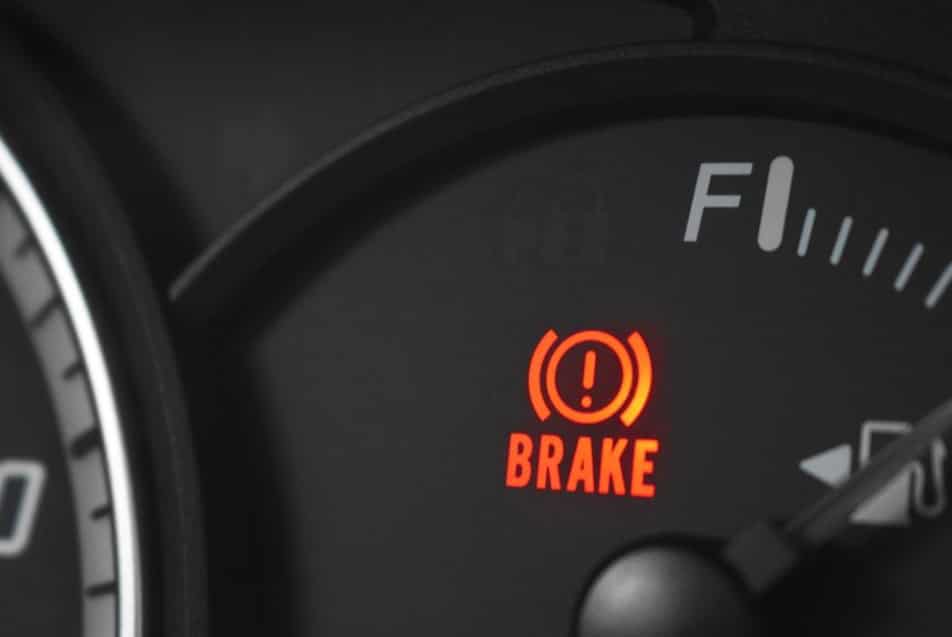
What Does the “Brake System Problem” Warning Mean on a Honda CR-V?
The “Brake System Problem” warning on a Honda CR-V means the vehicle has detected a fault related to the braking system or one of its connected safety systems. This warning does not always mean the brakes have completely failed, but it indicates that the vehicle needs inspection to identify the source of the problem.
The warning can appear because of mechanical issues, such as low brake fluid, worn brake components, hydraulic pressure loss, or brake actuator problems. It can also result from electronic issues involving the Anti lock Braking System (ABS), Vehicle Stability Assist (VSA), electronic parking brake, wheel speed sensors, or control module communication errors.
A red brake warning light usually represents a higher risk because it can indicate a problem with the vehicle’s primary braking function. Drivers should inspect the vehicle immediately if the brake pedal feels soft, the stopping distance increases, or brake fluid leaks are present.
An amber brake system warning usually points to an electronic or driver assistance system fault. The vehicle may still brake normally, but features such as ABS, traction control, or collision mitigation functions may not operate correctly until the issue is repaired.
Honda CR-V brake warnings can also appear with multiple dashboard alerts because modern vehicles rely on connected control modules and shared sensor data. A weak 12 volt battery, unstable voltage, or a failed sensor can trigger several warnings at once.
The correct solution is to diagnose the root cause instead of replacing parts based only on the warning message.
What Is the Difference Between Red and Amber Brake Warnings on a Honda CR-V?
The difference between red and amber brake warnings on a Honda CR-V is the level of urgency and the type of system involved. A red brake warning usually indicates a potential problem with the vehicle’s main braking function, while an amber warning commonly indicates a fault within an electronic braking or driver assistance system.
A red brake warning light requires immediate attention because it can be related to problems that reduce braking performance. Common causes include low brake fluid, hydraulic system failure, a malfunctioning brake booster, or a parking brake that has not fully released. Drivers should avoid continuing to drive if the brake pedal feels soft, sinks toward the floor, or requires more distance to stop. These symptoms suggest that the vehicle may not generate normal braking force.
An amber brake warning light usually indicates that one of the electronic brake related systems has detected an abnormal condition. These systems include the Anti lock Braking System (ABS), Vehicle Stability Assist (VSA), electronic parking brake, or Collision Mitigation Braking System. The vehicle may still stop normally, but certain safety features may be temporarily disabled until the fault is diagnosed.
Some Honda CR-V models may display multiple amber warnings at the same time because several systems share information from sensors and control modules. A weak 12 volt battery, voltage fluctuation, wheel speed sensor failure, or communication error can trigger several warnings without causing immediate mechanical brake failure.
However, both red and amber warnings should be diagnosed properly. The warning color provides an indication of urgency, but only a complete inspection can confirm whether the problem comes from a mechanical component, electrical system, or software related fault.
Is It Safe to Drive a Honda CR-V With a Brake System Warning?
A Honda CR-V with a brake system warning is not always unsafe to drive. The risk depends on the cause of the warning and the vehicle’s braking performance. Some faults affect electronic systems only. Other faults reduce the vehicle’s ability to stop.
Do not drive the Honda CR-V if the brake pedal feels soft, spongy, or sinks toward the floor. These signs often indicate a hydraulic brake problem. Stop driving if you see brake fluid leaking under the vehicle. A longer stopping distance also indicates a serious brake issue.
Grinding noises, strong pulling during braking, or a sudden loss of braking assistance require immediate inspection. These symptoms can come from damaged brake pads, stuck calipers, low brake fluid, or other critical brake components.
You can drive a short distance to a repair shop if the brake pedal feels normal and the vehicle stops correctly. This situation may occur with electronic faults involving the ABS, VSA, or wheel speed sensors. However, avoid high speeds and heavy braking until you find the cause.
A tow truck is the safer choice when the red brake warning stays on or the vehicle shows abnormal braking behavior. This is especially important when multiple warning lights appear with reduced braking performance.
The best response to a Honda CR-V brake system warning is a complete diagnosis. A technician should check the mechanical brake components, electrical systems, and stored diagnostic codes before recommending repairs.
What Are the Most Common Honda CR-V Brake System Symptoms?
There are 8 common Honda CR-V brake system symptoms that indicate a possible problem. These symptoms can come from worn brake parts, hydraulic faults, electrical failures, or safety system errors. Early detection helps prevent expensive repairs and reduces safety risks.
A soft or spongy brake pedal is a major warning sign. This problem usually means the hydraulic system cannot create enough pressure. Common causes include air in the brake lines, low brake fluid, fluid leaks, or a failing brake master cylinder. The driver may need to press the pedal further before the vehicle slows down.
A hard brake pedal points to a different issue. The most common causes are brake booster failure, vacuum problems, or electronic brake assistance faults. When the brake booster does not work correctly, the driver needs more force to stop the vehicle.
Brake vibration is another common symptom. Many drivers feel this vibration through the steering wheel or brake pedal. The main causes include uneven brake rotors, brake pad deposits, or rotor thickness variation. The vibration often becomes stronger during braking at higher speeds.
A Honda CR-V that pulls to one side during braking may have uneven braking force between the wheels. Common causes include a sticking brake caliper, uneven pad wear, tire pressure differences, or suspension problems.
Other symptoms include squeaking noises, grinding sounds, burning smells, longer stopping distances, and multiple dashboard warnings. Grinding sounds often indicate severe brake pad wear. A burning smell may indicate excessive heat from a brake component. Multiple warnings can point to sensor, battery, or communication problems.
Honda CR-V owners should inspect brake symptoms early. A proper diagnosis identifies whether the problem comes from normal wear, mechanical damage, or an electronic system fault.
What Causes Honda CR-V Brake System Problems?
Honda CR-V brake system problems usually come from 8 main causes. These causes include worn brake components, hydraulic failures, electrical faults, sensor problems, and software issues. Finding the root cause is important because different problems require different repairs.
Worn brake pads are one of the most common causes of braking problems. Brake pads lose friction material over time. Thin pads reduce braking performance and can create squeaking or grinding sounds. If the pads become too thin, they can damage the brake rotors and increase repair costs.
Damaged or uneven brake rotors can also affect braking performance. Rotor problems often create vibration through the steering wheel or brake pedal. The main causes include uneven wear, excessive heat, and uneven brake pad contact. These issues can reduce braking smoothness and create uncomfortable driving conditions.
A sticking brake caliper can cause uneven braking force between the wheels. A damaged caliper may fail to release the brake pad completely. This creates excessive heat, faster pad wear, and vehicle pulling during braking. In severe cases, a stuck caliper can damage the rotor and reduce fuel efficiency.
Low or contaminated brake fluid can create hydraulic problems. Brake fluid absorbs moisture over time, which lowers its performance under high temperatures. Low fluid levels can also indicate brake pad wear or a possible leak. Both conditions require inspection because they affect hydraulic pressure.
A failing brake master cylinder can cause a soft brake pedal. The master cylinder controls hydraulic pressure throughout the braking system. Internal seal failure can prevent the system from maintaining enough pressure.
Electrical problems can also trigger Honda CR-V brake warnings. A weak 12 volt battery may create unstable voltage and communication errors between control modules. These errors can activate warnings related to ABS, VSA, or the electronic parking brake.
Faulty wheel speed sensors can affect ABS and stability systems. These sensors provide wheel movement data to control modules. A damaged sensor or wiring problem can cause inaccurate readings and disable safety features.
Software and control module faults can create brake system warnings without mechanical damage. Modern Honda CR-V models use connected electronic systems. A software issue, calibration error, or communication failure can affect multiple safety functions at the same time.
Why Does the Honda CR-V Electronic Parking Brake Malfunction?
The Honda CR-V electronic parking brake can malfunction because of battery problems, actuator failures, wiring issues, software errors, or communication faults between control modules. Unlike a traditional handbrake, the electronic parking brake uses motors, sensors, and control units to apply and release the rear brakes. A fault in any connected component can trigger a warning message.
A weak 12 volt battery is one of the most common causes of electronic parking brake problems. The system needs stable electrical power to operate the parking brake motor and control modules. Low voltage can interrupt the activation process and create warning messages. This problem may appear after a weak battery, jump start, or battery replacement.
A faulty electronic parking brake actuator can also cause failure. The actuator controls the movement of the rear brake mechanism. When the motor cannot move correctly, the parking brake may fail to engage or release. Common signs include unusual sounds, a flashing parking brake indicator, or a warning message on the dashboard.
Wiring problems and damaged connectors can interrupt communication between the electronic parking brake system and other vehicle modules. Corrosion, loose connections, or damaged wires can prevent the system from receiving accurate signals.
Software and calibration problems can also affect the electronic parking brake. Honda CR-V models use multiple control modules that exchange information during braking operations. A software issue or incorrect initialization after battery service can cause temporary faults.
Drivers should not clear the warning message without identifying the cause. A reset may remove the warning temporarily, but the problem can return if the original fault remains. A proper diagnosis should include battery testing, electronic scanning, actuator inspection, and system calibration when required.
Why Do the ABS, VSA, CMBS, and Brake Warnings Appear Together?
Honda CR-V owners may see ABS, VSA, CMBS, and brake system warnings appear at the same time because these systems share information from common sensors and control modules. A single fault can affect several safety features because each system depends on accurate vehicle data.
The Anti lock Braking System (ABS) uses wheel speed sensors to monitor how fast each wheel rotates. The Vehicle Stability Assist (VSA) system uses this information to control traction and vehicle stability. The Collision Mitigation Braking System (CMBS) also depends on accurate data from sensors and control units to support automatic braking functions.
A failed wheel speed sensor is one common reason for multiple warnings. When a sensor sends incorrect information, the ABS and VSA systems may disable their functions. The vehicle may still brake normally, but some safety features may not operate until the problem is repaired.
A weak 12 volt battery can also create multiple warning lights. Modern Honda CR-V models rely on stable electrical power for communication between control modules. Low voltage can cause temporary errors, incorrect signals, or stored diagnostic trouble codes.
Software problems and communication faults can create similar symptoms. Control modules must exchange information correctly to operate braking and safety systems. A failed connection, incorrect calibration, or outdated software can interrupt this communication.
Drivers should not replace parts based only on the warning lights. A diagnostic scan can identify which module detected the fault and provide stored trouble codes. Technicians can then inspect the related sensors, wiring, battery condition, and software before recommending repairs.
Multiple brake warnings do not always mean complete brake failure. However, they show that the vehicle’s safety systems need proper inspection before normal driving continues.
Which Honda CR-V Model Years Have Reported Brake System Problems?
Honda CR-V brake system problems have been reported across different model years, but the type of issue can vary between generations. A specific model year does not always mean every vehicle has the same fault. Production date, trim level, maintenance history, and previous repairs can affect the condition of each vehicle.
The 2017 Honda CR-V received reports related to electronic brake warnings, VSA system alerts, and communication problems between vehicle modules. Some owners experienced multiple dashboard warnings after battery-related events or electrical issues. These situations often required diagnostic scanning to identify whether the cause came from low voltage, software conditions, or a specific component failure.
The 2018 and 2019 Honda CR-V models also received attention for driver assistance and braking related concerns. Some reports involved the Collision Mitigation Braking System (CMBS), unexpected braking behavior, or sensor related warnings. These issues require careful diagnosis because driver assistance systems depend on radar sensors, cameras, and software calibration.
Newer Honda CR-V models use more advanced electronic systems. Hybrid versions also introduce regenerative braking components that work together with traditional hydraulic brakes. These systems improve efficiency but create additional electronic connections that require accurate diagnosis when warnings appear.
Owners should avoid judging a vehicle only by its model year. A well maintained CR-V from an earlier year may have fewer problems than a newer vehicle with poor maintenance or unresolved faults. The most reliable way to check a specific vehicle is by using its Vehicle Identification Number (VIN) to review recalls, service campaigns, and repair history.
A complete inspection should include brake components, battery condition, electronic modules, and stored diagnostic codes. This approach helps identify the actual cause instead of assuming the problem comes from the model year alone.
How Do You Diagnose a Honda CR-V Brake System Problem?
Diagnosing a Honda CR-V brake system problem requires checking both mechanical components and electronic systems. A warning message alone does not identify the exact failure. Technicians need to inspect the vehicle, review stored diagnostic codes, and test related components before choosing a repair.
The first step is identifying the type of warning. The technician checks whether the vehicle shows a red brake warning, ABS warning, VSA warning, or electronic parking brake warning. The technician also checks how the vehicle behaves during braking. A soft pedal, unusual noise, vibration, or pulling movement can provide important clues.
The brake fluid level should be inspected during the initial check. Low fluid may indicate brake pad wear or a hydraulic leak. The technician should also inspect the brake lines, hoses, calipers, pads, and rotors for visible damage or abnormal wear.
The battery and charging system should also be tested. A weak 12 volt battery can create unstable voltage and trigger false warnings in modern Honda CR-V models. Battery testing helps separate electrical problems from mechanical brake failures.
The next step involves scanning the vehicle’s control modules. A diagnostic scan can identify stored trouble codes from the ABS, VSA, electronic parking brake, and other safety systems. These codes help technicians locate the affected system, but they do not always identify the failed part directly.
Technicians may also check live sensor data, wiring connections, software versions, and system calibration. For example, a wheel speed sensor code may come from a damaged sensor, wiring problem, or incorrect signal reading.
A complete diagnosis prevents unnecessary part replacement. Finding the root cause ensures that the repair addresses the actual Honda CR-V brake system problem instead of only removing the warning message.
How Do You Fix Honda CR-V Brake System Problems?
Fixing Honda CR-V brake system problems requires repairing the actual cause of the fault. The correct solution depends on whether the problem comes from worn brake components, hydraulic issues, electrical failures, sensor faults, or software problems. Replacing parts without proper diagnosis can waste money and fail to solve the warning.
Worn brake pads are fixed by replacing the damaged pads before they affect other components. If the brake rotors show excessive wear, heat damage, or uneven surfaces, they may also need resurfacing or replacement. A complete brake inspection should include pad thickness, rotor condition, and caliper movement.
A sticking brake caliper requires inspection and repair of the affected components. Technicians may clean and lubricate caliper guide pins when the issue is minor. A damaged caliper piston or severe corrosion may require complete caliper replacement. Ignoring a stuck caliper can cause overheating, uneven braking, and faster brake wear.
Low brake fluid requires finding the reason for the low level before adding more fluid. A technician should inspect for leaks, check brake component wear, and perform a brake fluid service when necessary. Contaminated or old brake fluid may require a complete fluid replacement and system bleeding.
Electrical and electronic faults require different solutions. A weak 12 volt battery may need replacement, while sensor problems may require wiring repair or component replacement. ABS, VSA, and electronic parking brake faults may also require software updates, calibration, or module repairs.
Honda CR-V brake system problems involving hydraulic failures, ABS modules, electronic parking brakes, or driver assistance calibration should be handled by qualified technicians. These systems directly affect vehicle safety and require accurate testing after repair.
The best repair approach is to confirm the root cause first. A proper diagnosis ensures that the Honda CR-V receives the correct repair instead of a temporary warning reset.
How Much Does It Cost to Fix Honda CR-V Brake System Problems?
The cost to fix Honda CR-V brake system problems depends on the failed component, repair complexity, vehicle model year, and labor rates. A simple brake service usually costs less than an electronic system repair because modern Honda CR-V models use multiple connected safety systems.
Brake pad replacement is one of the most common repairs. The cost depends on whether the repair involves the front or rear axle and whether the rotors also need replacement. If worn brake pads damage the rotors, the repair becomes more expensive because both components may require service.
Brake rotor replacement costs more than pad replacement because the technician must remove and install additional components. Rotor problems often appear with vibration, uneven braking, or noise. Replacing rotors together with worn pads can restore smoother braking performance.
Brake caliper repair or replacement has a wider cost range. A minor caliper service may only require cleaning and lubrication. A damaged caliper may require complete replacement. A seized caliper can also damage brake pads and rotors, which increases the total repair cost.
Electronic brake problems can require more diagnostic time. Wheel speed sensor replacement, wiring repair, battery replacement, ABS diagnosis, and electronic parking brake repairs involve electrical testing. Some repairs may also require software updates or system calibration.
Five factors usually affect Honda CR-V brake repair costs:
- The damaged component.
- The vehicle model year.
- Parts quality.
- Labor rates.
- Dealer or independent repair facility choice.
A warning light reset alone does not fix a brake system problem. The correct repair cost depends on finding the actual cause first. A complete diagnosis helps prevent unnecessary replacements and ensures the Honda CR-V receives the correct repair.
Are There Honda CR-V Brake Recalls or Service Bulletins?
Honda CR-V brake system problems may relate to recalls, technical service bulletins, software updates, or other manufacturer repair programs. However, these programs do not apply to every vehicle. The correct way to confirm coverage is to check the specific vehicle identification number (VIN).
A safety recall happens when Honda or a regulatory agency identifies a safety related defect that requires corrective action. If a vehicle has an open recall, Honda dealers usually perform the repair according to the manufacturer’s instructions. Brake related recalls may involve mechanical components, electronic systems, or software that affects vehicle safety.
A Technical Service Bulletin (TSB) works differently from a recall. A TSB provides repair guidance for technicians when they encounter a known condition. It does not automatically mean that Honda will repair the vehicle for free. The repair cost depends on factors such as warranty status, vehicle age, mileage, and the specific program.
Honda CR-V owners should check for open campaigns before paying for major brake repairs. The VIN lookup process helps identify whether the vehicle has unresolved recalls, service campaigns, or previous repair records. This information is more accurate than relying only on the model year.
Some Honda CR-V brake related concerns have involved electronic systems, including ABS, VSA, electronic parking brake, and driver assistance features. These systems may require software updates, calibration, or component replacement depending on the diagnosis.
A recall or service bulletin does not confirm that a vehicle has a brake failure. It only shows that Honda has identified a condition that may require attention. A proper inspection remains necessary to determine the actual cause of a brake system warning.
How Can You Prevent Honda CR-V Brake System Problems?
Preventing Honda CR-V brake system problems requires regular inspections, proper maintenance, and early attention to warning signs. Modern CR-V models use both mechanical brake parts and electronic safety systems. Maintaining both areas helps reduce unexpected failures and expensive repairs.
Regular brake inspections are the first step in prevention. Drivers should check brake pad thickness, rotor condition, brake fluid level, and signs of uneven wear. Worn brake pads can damage rotors if they remain in service too long. Early replacement helps maintain consistent braking performance.
Brake fluid maintenance is also important for reliable braking. Brake fluid absorbs moisture over time, which can reduce its performance under high temperatures. Old or contaminated fluid can affect hydraulic pressure and create a soft brake pedal. Regular fluid inspections help identify leaks and prevent hydraulic problems.
Battery health is another important factor for newer Honda CR-V models. A weak 12 volt battery can create unstable voltage and trigger warnings from ABS, VSA, or the electronic parking brake system. Battery testing during maintenance can help prevent false warnings and electrical problems.
Driving habits also affect brake system lifespan. Frequent hard braking, carrying heavy loads, towing, and driving in heavy traffic increase brake wear. Smooth braking habits reduce heat buildup and extend the life of brake components.
Owners should also respond quickly when warning lights appear. Ignoring brake warnings can allow a small issue to develop into a larger repair. Checking recalls, completing software updates, and maintaining service records can help keep the Honda CR-V brake system operating correctly.
Preventive maintenance does not eliminate every possible failure, but it reduces the risk of major brake problems. Regular inspections and early repairs help protect vehicle safety and improve long term reliability.
What Should You Do When a Honda CR-V Displays a Brake System Problem?
When a Honda CR-V displays a brake system problem, the first step is to check the vehicle’s braking behavior and identify the warning type. A warning message does not always mean complete brake failure, but it shows that the system needs attention.
Start by checking the brake pedal. A normal pedal should feel firm and provide consistent braking response. Stop driving if the pedal feels soft, sinks toward the floor, or requires unusual force. These signs may indicate a hydraulic problem or loss of braking assistance.
Next, check the brake fluid level and look for visible leaks. Low brake fluid can result from normal brake wear, but it can also indicate a leak in the braking system. A leak requires immediate inspection because it can reduce hydraulic pressure.
If the vehicle brakes normally, check for other warning signs. These include ABS alerts, VSA warnings, electronic parking brake messages, unusual noises, vibration, or multiple dashboard lights. These symptoms may point to sensor problems, battery issues, or communication faults between control modules.
The next step is a complete diagnostic inspection. A technician should scan the brake related control modules, check stored trouble codes, inspect mechanical components, and test electrical systems. This process identifies the actual cause instead of only clearing the warning message.
Honda CR-V owners should also check the vehicle’s VIN for recalls and service programs before completing major repairs. Manufacturer updates or repair campaigns may apply to specific vehicles.
The safest solution is to repair the confirmed cause of the warning. Proper diagnosis protects braking performance, prevents unnecessary part replacement, and helps maintain long term vehicle reliability.
Conclusion: What Should You Remember About Honda CR-V Brake System Problems?
Honda CR-V brake system problems can come from different sources, including worn brake components, hydraulic issues, electrical faults, sensor failures, and software problems. The warning message alone does not identify the exact cause. A proper diagnosis is necessary to determine whether the issue affects braking performance or only a connected electronic system.
The most important step is to recognize serious warning signs early. A soft brake pedal, longer stopping distance, brake fluid leak, grinding noise, or loss of braking assistance requires immediate inspection. These symptoms can indicate problems that affect the vehicle’s ability to stop safely.
Many Honda CR-V brake warnings involve connected systems such as ABS, VSA, electronic parking brake, and Collision Mitigation Braking System. Because these systems share sensors and control modules, one fault can trigger multiple dashboard warnings. Checking battery condition, diagnostic codes, and system communication helps identify the real problem.
Owners should avoid replacing parts based only on warning messages. The correct repair starts with finding the root cause. Regular brake inspections, proper fluid maintenance, battery checks, and recall verification can reduce the risk of unexpected brake problems.
A Honda CR-V brake system warning is a signal to investigate, not a problem to ignore. Understanding the symptoms, causes, and repair options allows owners to make safer decisions and maintain reliable braking performance.