Few warning messages are as concerning as the Volvo Charging Failure Service Urgent alert. When this message appears on your dashboard, it signals that the vehicle’s charging system may no longer be supplying enough electrical power to keep critical components operating correctly. While many drivers assume the issue is limited to the battery, the reality is often more complex. The charging system consists of several interconnected components, including the battery, alternator, voltage regulator, wiring, and control modules. A failure in any of these areas can trigger the warning and potentially leave you stranded.
Ignoring this alert can lead to serious consequences. As the battery gradually loses its remaining charge, electrical systems may begin to malfunction. Headlights can become dim, infotainment features may stop working properly, and the engine may eventually stall if the charging system can no longer support the vehicle’s power demands. In some situations, continuing to drive without addressing the problem can increase repair costs and create safety risks.
Understanding what causes the Volvo Charging Failure Service Urgent warning is the first step toward resolving it quickly and effectively. Some issues are relatively minor, such as corroded battery terminals or a worn serpentine belt. Others may require more extensive repairs, including alternator replacement or electrical system diagnostics. In this guide, you will learn the most common causes of charging system failures, the warning signs that often appear before complete failure occurs, the available repair solutions, and the typical costs associated with restoring your Volvo’s charging system to proper working condition.
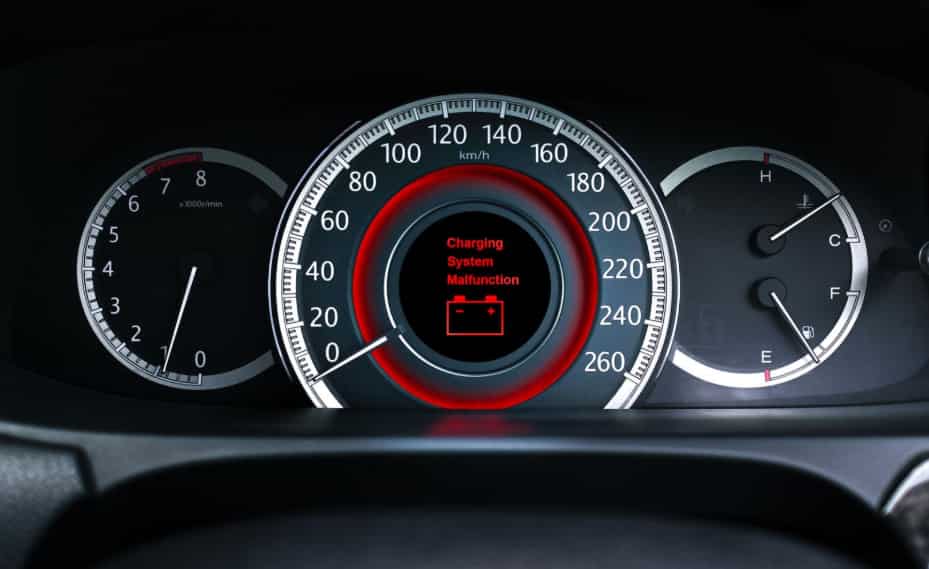
What Does Volvo Charging Failure Service Urgent Mean
The Volvo Charging Failure Service Urgent warning means your vehicle has a serious problem in the charging system. This system powers all electrical parts while the engine runs. It also keeps the battery charged at the same time. When it fails, the car cannot keep stable power flow. It then switches to battery power only.
This warning does not point to one single failure. It shows that one or more parts in the system do not work correctly. The alternator may fail to produce enough power. The battery may lose its ability to hold charge. The voltage regulator may send unstable output. The serpentine belt may slip and reduce alternator performance. Wiring or grounding issues can also interrupt power flow. Even software in the control module can affect charging behavior in modern Volvo vehicles.
The system detects these problems through voltage monitoring. When voltage drops below normal levels, the car triggers the urgent warning. This helps protect critical components from further damage.
After the warning appears, the vehicle may still drive for a short time. However, it now runs only on stored battery power. Electrical systems will start to weaken as the battery drains. Lights may dim. Screens may lag or shut down. The engine may stop if the battery becomes empty.
You should treat this warning as a serious electrical failure. It often signals a system wide issue, not just a weak battery. Fast diagnosis helps prevent breakdown and reduces repair cost.
Common Causes of Volvo Charging Failure Service Urgent
The Volvo Charging Failure Service Urgent warning often appears due to problems within the charging system rather than a single faulty part. One of the most common causes is a failing alternator. The alternator generates electrical power while the engine runs and recharges the battery during driving. When it starts to fail, it cannot supply enough voltage. This leads to rapid power loss and triggers the warning message. Another frequent cause is a weak or aging battery. Over time, batteries lose their ability to store and deliver stable power. Extreme temperatures and frequent short trips can speed up this decline. When the battery cannot maintain proper voltage, the system detects instability and activates the warning.
A faulty voltage regulator can also create charging issues. This component controls the alternator output and keeps voltage within a safe range. When it fails, the system may produce too much or too little power. This imbalance can affect multiple electrical systems and trigger the warning. A worn serpentine belt is another possible cause. The belt drives the alternator, and when it slips or loses tension, the alternator cannot rotate at the correct speed. This reduces charging efficiency and causes intermittent electrical problems.
Corroded or loose battery connections can also interrupt power flow. Even when the battery and alternator are in good condition, poor connections create resistance and unstable voltage. In addition, wiring damage or grounding issues can disrupt the entire charging circuit. Modern Volvo vehicles may also experience software or control module errors that affect charging system regulation. When any of these issues occur, the vehicle detects abnormal voltage behavior and activates the Volvo Charging Failure Service Urgent warning to prevent further electrical damage.
Symptoms of Volvo Charging Failure Service Urgent
The Volvo Charging Failure Service Urgent warning usually appears alongside several clear symptoms that indicate the charging system is not working properly. One of the first signs is a battery warning light on the dashboard. This often appears before the urgent message and signals unstable voltage levels. Drivers may also notice dim or flickering headlights, especially at low speed or when the engine idles. This happens because the alternator cannot supply consistent electrical power.
Another common symptom is slow engine cranking during startup. The engine may take longer than usual to start because the battery no longer delivers strong initial power. In some cases, electrical accessories begin to malfunction. Power windows may move slower than normal, the infotainment system may restart, and climate control may lose stability. These issues occur because the vehicle cannot maintain proper voltage distribution across all systems.
Drivers may also see multiple warning messages on the dashboard at the same time. These warnings often relate to low voltage or electrical system faults. As the condition worsens, the vehicle may experience sudden loss of electrical power while driving. This can affect steering assistance, braking support systems, and safety features.
In severe cases, the engine may stall completely if the battery becomes fully drained. This is a critical sign that the charging system is no longer supporting the vehicle. The symptoms often appear gradually at first, then become more frequent as the system continues to fail. Recognizing these early warning signs is important because it helps prevent complete breakdown and reduces repair cost. The combination of electrical instability, weak battery performance, and inconsistent alternator output usually confirms a charging system failure in Volvo vehicles.
Can You Drive With Volvo Charging Failure Service Urgent Warning
Driving with the Volvo Charging Failure Service Urgent warning is possible only for a very short distance, but it is not safe or recommended. When this warning appears, the vehicle is no longer supported by a fully functioning charging system. The alternator does not supply enough power, so the car relies only on the remaining battery charge. This creates a limited driving window that depends entirely on battery condition and electrical load.
In many cases, the vehicle may continue to run normally at first. However, the battery begins to discharge immediately. As voltage drops, electrical systems start to fail one by one. Headlights become weaker, dashboard warnings increase, and infotainment systems may shut down. The engine may also lose performance as critical modules receive unstable power.
Continuing to drive in this condition increases the risk of sudden engine stall. When the battery reaches a critical level, the engine can stop without warning. This can create a serious safety risk, especially in traffic or on highways. Steering assistance and braking support may also become harder to manage if electrical power drops too low.
The safest action is to stop driving as soon as possible and seek diagnosis. A Volvo charging system relies on a balance between the alternator, battery, and voltage regulation system. When this balance fails, the entire electrical network becomes unstable. Even if the car still moves, it is operating in a degraded state that can worsen quickly.
In most cases, driving more than a short distance after the warning appears leads to complete battery drain and higher repair risk. Immediate inspection helps prevent breakdown and reduces the chance of additional electrical damage.
How to Diagnose Volvo Charging Failure Service Urgent
Diagnosing the Volvo Charging Failure Service Urgent warning requires a structured approach because the issue often comes from multiple components in the charging system. The first step is a visual inspection. Check the battery terminals for corrosion or looseness. Even small amounts of buildup can interrupt electrical flow and create unstable voltage. Next, inspect the serpentine belt. Look for cracks, glazing, or slack tension because a worn belt can reduce alternator performance and trigger charging issues.
After visual checks, measure the battery voltage using a multimeter. A healthy resting battery should read around 12.6 volts. If the reading is significantly lower, the battery may be weak or discharged. Start the engine and measure again. A properly working alternator should raise voltage to around 13.7 to 14.7 volts. If voltage does not increase, the alternator may be failing or not charging correctly.
The next step is to test the alternator output under load. Turn on electrical systems such as headlights, air conditioning, and infotainment. Observe whether voltage remains stable. If it drops quickly, the charging system cannot handle electrical demand.
A diagnostic scan tool should also be used to check for trouble codes stored in the Engine Control Module. These codes can point to voltage irregularities, alternator performance issues, or communication errors within the electrical system. Modern Volvo vehicles rely heavily on software control, so stored codes provide valuable insight.
In professional workshops, technicians may also perform a full charging system test. This evaluates battery health, alternator efficiency, and electrical load distribution. This combined approach helps identify whether the issue comes from the battery, alternator, wiring, or control module, allowing accurate and efficient repair decisions.
How to Fix Volvo Charging Failure Service Urgent
Fixing the Volvo Charging Failure Service Urgent warning depends on the exact cause identified during diagnosis. In many cases, the solution starts with replacing a weak or failed battery. A degraded battery cannot hold stable voltage, so installing a new one often restores normal electrical performance. It is important to use a battery that matches Volvo specifications to ensure proper system compatibility.
If the alternator is the source of the problem, replacement is usually required. A failing alternator cannot generate enough power to support the vehicle and recharge the battery. Once replaced, the charging system typically returns to stable voltage output. In some cases, technicians also inspect the voltage regulator because it may be built into the alternator assembly.
When the serpentine belt is worn or slipping, replacing it can restore proper alternator function. A new belt ensures stable engine driven rotation and improves charging efficiency. If the belt tensioner is weak, it may also need replacement to maintain correct pressure.
Electrical connection issues must also be addressed carefully. Cleaning corroded battery terminals and tightening loose connections can immediately improve voltage flow. Damaged wiring or grounding points require repair or replacement to restore stable current distribution across the system.
In modern Volvo vehicles, software updates can also resolve charging system irregularities. The Engine Control Module may require recalibration to improve how it manages voltage regulation. After repairs, the system should always be retested to confirm stable charging performance under load.
In all cases, proper repair should focus on restoring balance across the entire charging system. This includes the battery, alternator, wiring, and control software working together to maintain consistent electrical output and prevent the warning from returning.
Volvo Charging Failure Service Urgent Repair Costs
The repair cost for a Volvo Charging Failure Service Urgent issue depends on the root cause, vehicle model, and labor rates in your area. In most cases, the total cost varies because the charging system includes several components that can fail individually or together.
Battery replacement is usually the most affordable repair. A standard Volvo battery typically falls in a moderate price range depending on capacity and technology. Labor cost is generally low because installation is straightforward. However, premium AGM batteries used in newer Volvo models can increase the total cost.
Alternator replacement is one of the most expensive repairs in the charging system. The alternator itself is a high value component, and labor costs are higher because installation can require more time and disassembly. Vehicles with tighter engine bays may also increase labor complexity. In many cases, this repair represents the largest portion of the total bill.
Serpentine belt replacement is usually a lower cost service. The part itself is inexpensive, and labor time is relatively short. However, if the belt tensioner or pulleys are worn, the total cost may increase slightly due to additional parts.
Electrical wiring or grounding repairs vary widely in cost. Simple fixes such as cleaning terminals are inexpensive. More complex wiring issues require diagnostic time and skilled labor, which increases overall expense.
Software updates or module recalibration are generally moderate in cost and depend on dealership or workshop pricing. In some cases, these updates are included in scheduled service packages.
Overall, early diagnosis helps reduce repair costs significantly. Ignoring the Volvo Charging Failure Service Urgent warning often leads to battery drain, alternator damage, or additional electrical failures, which increase total repair expenses.
How to Prevent Volvo Charging System Failures
Preventing the Volvo Charging Failure Service Urgent warning starts with regular maintenance of the electrical system. A stable charging system depends on the health of the battery, alternator, wiring, and belt system. Routine inspections help detect early signs of wear before they turn into serious failures. Checking battery terminals for corrosion and keeping them clean improves electrical flow and reduces resistance in the system.
It is also important to test battery health regularly. Batteries naturally degrade over time, especially in extreme weather conditions or with frequent short trips. Replacing the battery at the correct interval helps maintain stable voltage and prevents unexpected charging issues. Inspecting the serpentine belt during service intervals also helps avoid sudden alternator performance loss caused by belt wear or slipping.
Drivers should pay attention to early warning signs such as dim lights, slow engine starts, or intermittent dashboard alerts. Addressing these symptoms early prevents the system from reaching a critical failure state. Avoiding excessive electrical load when the engine is off also helps preserve battery life.
Frequently Asked Questions
What causes Volvo Charging Failure Service Urgent warning
The warning is usually caused by a failing alternator, weak battery, worn serpentine belt, faulty voltage regulator, or wiring issues. In some cases, software or control module errors may also contribute to unstable charging behavior.
Can I drive with this warning
You can drive only for a short distance, but it is not safe. The vehicle runs on limited battery power and may shut down unexpectedly if the battery drains completely.
Will replacing the battery fix the issue
Replacing the battery helps only if the battery is the root cause. If the alternator or wiring is faulty, the warning will return even after a new battery is installed.
How urgent is this problem
This is a high priority issue. The charging system may fail completely, leading to engine shutdown and loss of electrical systems while driving.
Final Conclusion
The Volvo Charging Failure Service Urgent warning is a clear signal that the vehicle charging system is no longer working within normal limits. It indicates an imbalance between the battery, alternator, and supporting electrical components. When this system fails, the vehicle can no longer maintain stable power for essential functions. This creates a risk of sudden electrical loss and potential engine shutdown if the issue is not addressed quickly.
In most cases, the problem develops from common sources such as a weak battery, a failing alternator, worn serpentine belt, or unstable wiring connections. In some situations, software or control module errors can also affect how the system manages voltage. Although the vehicle may still operate for a short time after the warning appears, it is running on limited battery power that will continue to decline.
Ignoring this warning can lead to more serious damage and higher repair costs. Early diagnosis allows technicians to identify the root cause and restore proper charging performance before additional components are affected. Repairing the issue at an early stage also reduces the risk of being stranded and helps maintain overall vehicle reliability.
Understanding this warning helps drivers make faster and safer decisions. When the Volvo Charging Failure Service Urgent message appears, the most important action is to treat it as a priority and seek inspection as soon as possible. This ensures the charging system is restored to full function and the vehicle remains safe and stable on the road.