Your Honda engine depends on a healthy cooling system to maintain stable performance. Many drivers check their engine oil regularly but forget about coolant maintenance. This mistake can create serious problems over time.
The wrong coolant choice may cause overheating, corrosion, or poor temperature control. These issues can reduce engine reliability and increase repair costs. Choosing the right coolant helps your vehicle run efficiently and protects important cooling system parts.
Honda Coolant Type 2 is a popular choice among Honda owners because it matches the requirements of many Honda cooling systems. This OEM coolant helps control engine temperature and supports long term protection. It also provides a convenient solution because the formula comes ready for use.
Many Honda owners still have questions before changing their coolant. They want to understand what Honda Coolant Type 2 does, which Honda models use it, and how often they should replace it. Some drivers also wonder if universal coolant can provide the same level of protection.
This guide explains everything about Honda Coolant Type 2, including its features, compatibility, replacement timing, and benefits. With the right coolant knowledge, Honda owners can make better maintenance decisions and protect their engines for years.
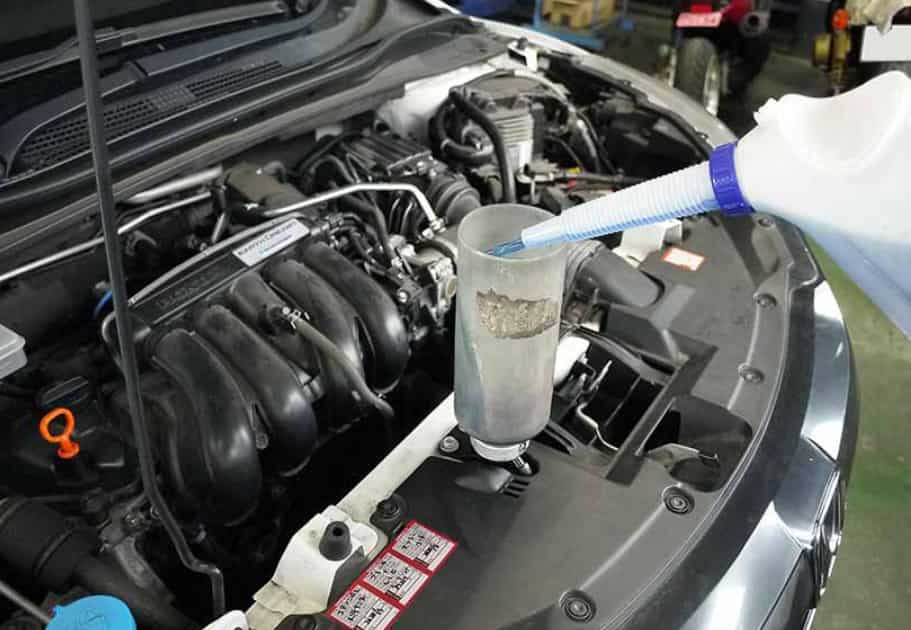
What Is Honda Coolant Type 2 and Why Is It Important?
Honda Coolant Type 2 is an OEM engine coolant designed for Honda vehicles. It helps maintain the correct engine temperature and supports the overall health of the cooling system. The coolant works by absorbing excess heat from the engine and transferring it away through the radiator.
A vehicle engine produces a large amount of heat during operation. Without proper coolant, the engine can reach unsafe temperatures and suffer from performance issues. Honda Coolant Type 2 helps prevent overheating by keeping the temperature within a safe operating range.
This coolant also protects important cooling system components. It helps reduce corrosion inside the radiator, water pump, and engine passages. Over time, corrosion can damage metal parts and create leaks. A suitable coolant formula helps extend the service life of these components.
Honda Coolant Type 2 uses a premixed formula that combines coolant and water at the correct ratio. This design makes maintenance easier because owners do not need to calculate the mixture themselves. Incorrect mixing can reduce coolant performance and affect engine protection.
Many drivers choose cheaper coolant products to save money during maintenance. However, a low price does not always mean better value. The wrong coolant may create compatibility problems and increase future repair costs.
Using Honda Coolant Type 2 gives Honda owners confidence that their cooling system receives proper protection. It supports engine reliability, temperature control, and long term vehicle performance.
Honda Coolant Type 2 Specifications, Features, and Benefits
Honda Coolant Type 2 has several features that make it suitable for Honda cooling systems. This OEM coolant uses a carefully developed formula to support engine performance and protect important components. Honda designed this coolant to meet the needs of its vehicles and provide reliable temperature control.
One important feature of Honda Coolant Type 2 is its premixed 50/50 formula. The coolant already contains the correct balance of antifreeze and water, so drivers can add it directly to the cooling system. This feature reduces the risk of incorrect mixing and helps maintain consistent protection.
The blue coolant formula also provides strong corrosion protection. The cooling system contains different metal components, including the radiator, water pump, and engine passages. Without proper protection, these parts can develop rust and corrosion over time. Honda Coolant Type 2 helps reduce these risks and supports longer component life.
Another benefit comes from its ability to manage engine temperature. The coolant helps the engine operate within its ideal temperature range during different driving conditions. It supports performance during hot weather, heavy traffic, and long distance journeys.
Many Honda owners choose OEM coolant because they want reliable protection for their vehicles. Although aftermarket coolant options may cost less, the correct coolant specification plays an important role in long term maintenance.
Honda Coolant Type 2 offers convenience, compatibility, and protection in one product. For drivers who want to maintain their Honda properly, using the recommended coolant can help prevent cooling system problems and support better engine reliability.
Honda Coolant Type 2 Compatibility: Which Vehicles Can Use It?
Honda Coolant Type 2 works with many Honda vehicles that follow compatible cooling system specifications. This OEM coolant supports the needs of Honda engines and helps maintain proper cooling performance. Before adding any coolant, owners should confirm the recommended specification for their vehicle.
Popular Honda models that commonly use Honda Coolant Type 2 include the Honda Civic, Honda Accord, Honda CR-V, Honda Pilot, Honda Odyssey, Honda HR-V, and Honda Ridgeline. Each model depends on reliable coolant performance to control engine temperature and protect key cooling components.
Several factors can affect coolant compatibility, including the vehicle year, engine type, and market region. A Honda Civic from one production year may have different maintenance requirements from another version. The owner’s manual provides the most accurate information when checking coolant recommendations.
Proper coolant selection matters because cooling systems use specific materials and chemical requirements. An unsuitable coolant may reduce corrosion protection or affect the performance of important additives inside the cooling system.
Many drivers believe that coolant color indicates compatibility. However, color does not always represent the same formula or protection level. Different manufacturers can use similar colors for different coolant technologies.
Checking compatibility before replacement helps prevent unnecessary problems. When Honda Coolant Type 2 matches the vehicle requirements, it can support cooling efficiency, protect engine components, and improve long term maintenance results.
Honda Coolant Type 2 vs Universal Coolant: Which One Should You Choose?
Choosing between Honda Coolant Type 2 and universal coolant can be confusing for many vehicle owners. Both products help regulate engine temperature, but they do not always provide the same level of compatibility and protection. Understanding the differences can help drivers make a better maintenance decision.
Honda Coolant Type 2 is an OEM coolant created specifically for Honda vehicles. Its formula matches the requirements of many Honda cooling systems. The product provides reliable temperature control, corrosion protection, and convenient application with its premixed design.
Universal coolant offers a different approach. Manufacturers create these products to work with multiple vehicle brands. This wider application can make universal coolant easier to find and sometimes more affordable. However, drivers must check the product specifications carefully before using it in a Honda vehicle.
The main advantage of Honda Coolant Type 2 comes from its vehicle specific design. It reduces the risk of chemical incompatibility and provides confidence for owners who want to follow Honda maintenance recommendations. Universal coolant can work in some situations, but the formula must match the vehicle requirements.
Price often influences the buying decision. Many drivers choose cheaper alternatives because they want to reduce maintenance costs. However, saving money upfront may create additional expenses if the coolant does not provide suitable protection.
For Honda owners who prioritize reliability and long term engine protection, Honda Coolant Type 2 remains a strong choice. The correct coolant selection helps maintain cooling performance and supports the overall health of the vehicle.
How Long Does Honda Coolant Type 2 Last and When Should You Replace It?
Honda Coolant Type 2 can provide long lasting protection when drivers maintain their vehicles properly. However, coolant does not last forever. Over time, its protective additives can become less effective, which may reduce its ability to prevent corrosion and maintain stable engine temperatures.
The replacement interval depends on several factors, including the Honda model, driving conditions, climate, and overall cooling system condition. A vehicle that operates in extreme heat, heavy traffic, or demanding conditions may require more frequent coolant inspections.
Many Honda owners follow the maintenance schedule provided in their owner’s manual. This schedule gives specific recommendations based on the vehicle model and production year. Regular inspections help identify problems before they affect engine performance.
Several signs can indicate that your coolant needs attention. A low coolant level, engine overheating, unusual temperature changes, or visible leaks may point to cooling system issues. Discolored coolant can also suggest that the fluid has lost some of its protective properties.
Waiting too long to replace coolant can create bigger problems. Old coolant may allow corrosion to develop inside the radiator, water pump, or engine passages. These repairs can cost significantly more than routine coolant maintenance.
Replacing Honda Coolant Type 2 at the recommended time helps maintain cooling efficiency and protects important engine components. Proper coolant care is a simple maintenance step that supports long term vehicle reliability.
Can You Mix Honda Coolant Type 2 With Other Coolants?
Many Honda owners wonder if they can mix Honda Coolant Type 2 with another coolant product. While adding a different coolant may seem like a quick solution, mixing formulas can create unexpected problems. Different coolants may use different additives, and these chemicals may not work well together.
Honda Coolant Type 2 uses a specific formula designed to protect Honda cooling systems. Adding another coolant can change the chemical balance inside the system. This change may reduce corrosion protection and affect overall coolant performance.
Coolant color can also create confusion. Many drivers assume that two coolants with the same color are compatible. However, color does not always indicate the same formula or technology. Manufacturers can use similar colors for products with different chemical properties.
If you need to replace Honda Coolant Type 2 with another coolant type, a complete coolant flush provides a safer solution. This process removes the old coolant before adding the new product. It helps prevent unwanted chemical reactions and keeps the cooling system clean.
Emergency situations may require temporary coolant solutions, but regular maintenance should follow Honda recommendations. Using the correct coolant helps protect the radiator, water pump, and engine components.
For the best results, Honda owners should avoid unnecessary mixing and choose a coolant that matches their vehicle specifications. Proper coolant selection supports better performance and helps maintain long term engine protection.
How to Replace Honda Coolant Type 2 Safely
Replacing Honda Coolant Type 2 requires careful preparation and attention to safety. Coolant replacement may look simple, but an incorrect process can create problems inside the cooling system. Proper steps help maintain engine protection and prevent future issues.
The first step involves allowing the engine to cool completely. Opening the radiator cap while the engine remains hot can release pressure and cause injuries. Always work on a cool vehicle before starting any coolant service.
After the engine cools down, the old coolant needs to be drained from the cooling system. During this process, drivers should inspect the radiator, hoses, and other components for signs of leaks or damage. A complete inspection can help identify problems before adding fresh coolant.
Some vehicles may require a coolant flush before adding Honda Coolant Type 2. A flush removes old coolant, contaminants, and leftover deposits from the system. This step helps the new coolant provide better protection and performance.
Once the system is ready, add Honda Coolant Type 2 according to the vehicle manufacturer’s recommendation. The coolant level should remain within the correct range to support proper circulation. Removing trapped air from the cooling system also helps prevent temperature issues.
Many Honda owners choose professional service because coolant replacement requires proper tools and knowledge. However, understanding the process helps drivers make better maintenance decisions.
A correct coolant replacement routine protects the radiator, supports engine temperature control, and helps extend the life of the cooling system.
Final Thoughts: Is Honda Coolant Type 2 Worth Using?
Honda Coolant Type 2 plays an important role in maintaining engine performance and protecting the cooling system. The right coolant does more than control temperature. It also helps protect the radiator, water pump, and internal engine components from corrosion and damage.
Choosing an OEM coolant gives Honda owners confidence that the product matches their vehicle requirements. Honda Coolant Type 2 offers a convenient premixed formula, reliable temperature control, and long term protection for compatible Honda models.
Although universal coolant options may seem attractive because of lower prices, the wrong product can create compatibility concerns. A suitable coolant choice helps prevent unnecessary maintenance problems and supports better vehicle reliability.
Regular coolant inspections and timely replacement also make a significant difference. Small maintenance steps can help avoid expensive repairs caused by overheating, leaks, or cooling system failures.
For Honda owners who want to protect their vehicles, using Honda Coolant Type 2 according to manufacturer recommendations is a smart maintenance decision. Understanding your vehicle’s coolant needs allows you to keep the engine running smoothly for many years.
Before replacing your coolant, check your Honda model specifications and choose a product that provides the protection your cooling system needs.