Choosing the right engine oil is one of the most important decisions every Honda Civic owner makes. The correct Honda Civic Oil Type can directly affect engine performance, fuel efficiency, driving comfort, and long term reliability. However, many drivers are still unsure about which oil grade their Civic needs, whether 0W-20 or 5W-30 is the better choice, and how much oil their engine actually requires.
Using the wrong engine oil can create unnecessary problems, including increased engine friction, reduced fuel economy, poor lubrication, and higher maintenance costs over time. This becomes even more important for modern Honda Civic models equipped with advanced engines, including turbocharged and hybrid powertrains that require specific oil specifications.
This complete guide explains everything you need to know about Honda Civic Oil Type, including recommended engine oil grades, viscosity differences, oil capacity, synthetic oil benefits, and proper maintenance intervals. Whether you own an older Civic or a newer model, understanding the right engine oil choice can help protect your vehicle and keep the engine performing smoothly for years.
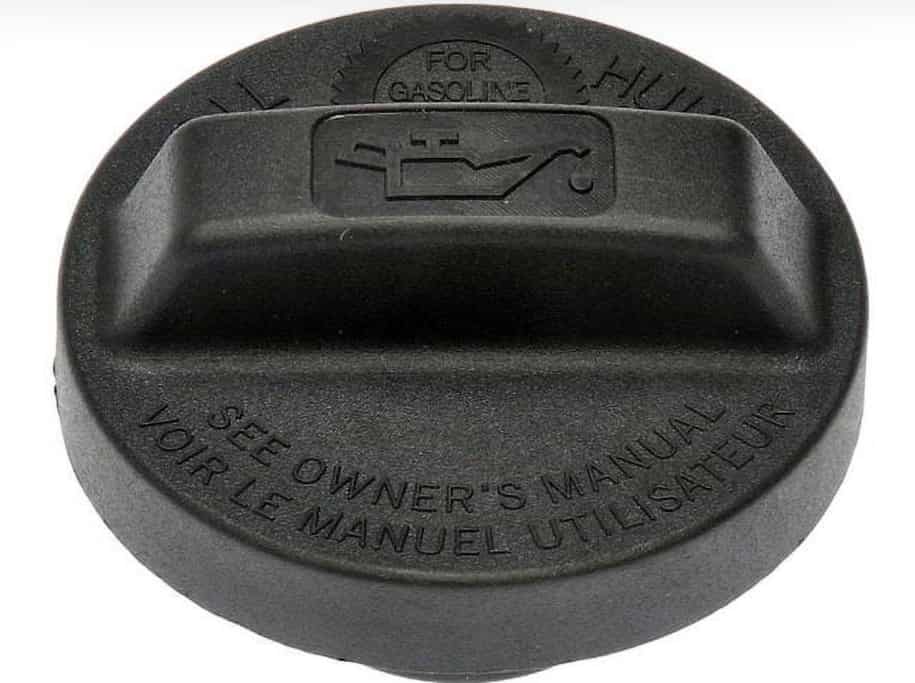
What Is the Recommended Honda Civic Oil Type?
The recommended Honda Civic Oil Type depends on the vehicle’s model year, engine configuration, and manufacturer specifications. Honda designs each Civic engine to operate with a specific oil viscosity and performance standard to ensure proper lubrication, efficiency, and durability. Choosing the correct engine oil helps reduce internal friction, protect moving components, and maintain consistent engine performance in different driving conditions.
For many modern Honda Civic models, full synthetic oil is the preferred choice because it provides better protection compared with conventional oil. Synthetic oil is engineered to maintain its properties under extreme temperatures, improve engine cleanliness, and support longer service intervals. This is especially beneficial for newer Civic engines that use advanced technologies such as turbocharging and direct injection.
Oil viscosity is another important factor when selecting the right Honda Civic engine oil. The viscosity grade describes how easily oil flows at different temperatures. Many recent Civic models commonly use 0W-20 oil because it helps improve cold start performance and contributes to better fuel efficiency. However, some older Civic models may require different viscosity grades based on their engine design and operating requirements.
In addition to viscosity, drivers should also consider industry certifications such as API and ILSAC ratings when choosing engine oil. These standards ensure that the oil meets modern requirements for engine protection and efficiency.
Using the correct Honda Civic Oil Type is not only about following recommendations. It is also an important step toward preventing premature engine wear, avoiding unnecessary repair costs, and maintaining the reliable driving experience that Honda Civic owners expect.
Honda Civic Oil Type by Model Year and Engine
The correct Honda Civic Oil Type can vary significantly depending on the model year and engine configuration. Over the years, Honda has introduced different Civic generations with improved engine technology, including naturally aspirated engines, turbocharged engines, and hybrid systems. Each engine design has specific lubrication requirements to maintain performance, efficiency, and long term reliability.
Older Honda Civic models commonly use conventional or synthetic blend oils with viscosity grades recommended for their specific engines. Many vehicles from previous generations were designed around oil grades such as 5W-20 or similar specifications. As Honda introduced newer engine technology, the recommended oil type evolved to support improved fuel economy and tighter engine tolerances.
Modern Honda Civic models typically use full synthetic 0W-20 engine oil. Models equipped with 1.5L turbocharged engines require oil that can handle higher operating temperatures while providing strong protection for turbocharger components. Newer Civic hybrid models also rely on carefully selected oil specifications to support efficiency and smooth engine operation.
When choosing the right oil for your Honda Civic, always consider the exact model year, engine size, and manufacturer recommendations. A Civic with a 2.0L naturally aspirated engine may have different requirements compared with a 1.5L turbocharged version, even within the same generation.
A simple Honda Civic oil type chart can help owners quickly identify the correct oil viscosity and capacity for their vehicle. Checking the owner’s manual remains the most accurate way to confirm the recommended engine oil specification before every oil change.
Honda Civic Oil Viscosity Explained: Choosing Between 0W-20 and 5W-30
Understanding engine oil viscosity is essential when selecting the right Honda Civic Oil Type. Viscosity refers to how easily engine oil flows at different temperatures and plays an important role in engine protection, fuel economy, and overall performance. The wrong viscosity can affect lubrication efficiency and may prevent the engine from operating at its best.
The 0W-20 oil grade is commonly recommended for many modern Honda Civic models because it provides excellent flow during cold starts while helping improve fuel efficiency. The first number indicates how the oil performs at low temperatures, while the second number represents its thickness when the engine reaches normal operating temperature. This lightweight oil allows engine components to receive lubrication quickly after startup.
On the other hand, 5W-30 oil has a slightly higher viscosity at operating temperature and may provide additional protection in certain situations. Some older Honda Civic models or vehicles operating in specific environments may benefit from this oil grade depending on the manufacturer’s recommendation.
Choosing between 0W-20 and 5W-30 should not be based only on personal preference. Factors such as model year, engine design, climate conditions, driving habits, and vehicle mileage all influence the best choice. For example, a newer Civic with a turbocharged engine may require a specific oil specification to protect sensitive components, while an older vehicle may have different requirements.
Following the recommended viscosity for your Honda Civic helps maintain proper engine lubrication, reduce unnecessary wear, and support long term reliability. Always check your owner’s manual before changing oil to ensure you are using the correct specification for your vehicle.
Honda Civic Oil Capacity: How Much Engine Oil Does Your Car Need?
Knowing the correct Honda Civic oil capacity is just as important as choosing the right engine oil type. Using the proper amount of oil ensures that all internal engine components receive adequate lubrication while maintaining the correct pressure and operating conditions. Too little oil can increase friction and accelerate engine wear, while too much oil may create excessive pressure and affect engine performance.
The required oil capacity depends on the Honda Civic model year, engine size, and whether the oil filter is replaced during the oil change. For example, a Civic with a 1.5L turbocharged engine may require a different amount of oil compared with a 2.0L naturally aspirated engine. This is why checking the specific vehicle specifications is essential before adding new engine oil.
During a routine oil change, most technicians recommend replacing the oil filter at the same time. A new filter helps remove contaminants and allows the fresh oil to circulate more effectively throughout the engine. Since the oil filter also holds a small amount of oil, the total refill quantity may differ slightly compared with an oil change without filter replacement.
Maintaining the correct Honda Civic oil capacity helps improve engine efficiency, reduce component wear, and support consistent performance. Drivers should avoid estimating oil levels without proper measurements because even a small difference can affect engine operation.
Before completing an oil change, always check the owner’s manual or official vehicle specifications for the exact oil capacity. Using the correct Honda Civic Oil Type together with the correct oil amount provides the best protection for your engine and helps prevent costly maintenance issues in the future.
Synthetic Oil vs Conventional Oil for Honda Civic
Choosing between synthetic oil and conventional oil is an important decision when maintaining a Honda Civic. While both types of engine oil are designed to reduce friction and protect engine components, they are created differently and provide different levels of performance. Understanding these differences can help owners select the best Honda Civic Oil Type for their driving needs.
Synthetic oil is specially engineered to provide advanced engine protection under a wide range of operating conditions. It offers better resistance to high temperatures, maintains stable lubrication during demanding driving situations, and helps reduce the formation of harmful deposits inside the engine. These benefits make full synthetic oil a popular choice for many modern Honda Civic models, especially those equipped with turbocharged engines.
Conventional oil is derived from refined crude oil and has been used in vehicles for many years. Although it can provide basic engine protection, it generally does not perform as well as synthetic oil in extreme temperatures or extended service intervals. For older vehicles with specific requirements, conventional oil may still be suitable if it meets the manufacturer’s recommendations.
For most newer Honda Civic models, full synthetic oil is often the preferred option because it supports improved fuel economy, cleaner engine operation, and longer protection between oil changes. Although synthetic oil usually costs more upfront, the additional protection can help reduce the risk of expensive engine repairs over time.
Selecting the right Honda Civic Oil Type depends on factors such as your vehicle’s model year, engine design, driving conditions, and maintenance goals. For drivers who want maximum protection and long term reliability, high quality synthetic oil is often the most practical choice.
Best Engine Oil Brands for Honda Civic Owners
Choosing a reliable engine oil brand can help Honda Civic owners maintain strong performance and long term engine health. The correct oil specification always comes first, but a trusted brand can provide better protection, cleaner engine operation, and greater confidence during regular maintenance.
Honda Genuine Motor Oil remains a popular choice for many Civic owners. Honda develops this oil to match the requirements of its engines. It supports smooth operation, helps maintain fuel efficiency, and provides reliable protection for daily driving conditions.
Mobil 1 is another well known option for Honda Civic drivers. Its advanced synthetic formulas help protect engine components, reduce deposits, and maintain lubrication during demanding situations. Many owners choose Mobil 1 because it offers strong performance for both everyday commuting and longer highway trips.
Castrol EDGE focuses on engine protection under high pressure conditions. Its synthetic oil technology helps maintain oil strength and supports engine durability. This makes it a suitable choice for drivers who want additional protection from frequent driving or harsh environments.
Pennzoil Platinum and Valvoline Advanced Full Synthetic also offer excellent options for Civic owners. These oils help keep engines clean, support smooth performance, and provide strong value for long term maintenance.
The best Honda Civic Oil Type depends on more than the oil brand. Drivers should check the recommended viscosity, certification standards, and engine requirements for their specific model. A high quality oil that matches Honda specifications can help improve reliability, protect engine components, and support long term vehicle performance.
How Often Should You Change Honda Civic Oil?
Regular oil changes play an important role in maintaining Honda Civic performance and engine reliability. Even the best Honda Civic Oil Type cannot protect the engine forever because oil quality decreases over time due to heat, friction, and contamination. Following a proper oil change schedule helps keep the engine clean and reduces the risk of expensive repairs.
Most modern Honda Civic models use an oil life monitoring system that tracks driving conditions and estimates when the engine needs fresh oil. Many owners change their oil based on this system instead of following a fixed mileage schedule. However, driving habits can affect how quickly engine oil loses its effectiveness.
Drivers who use their Civic under normal conditions may follow the maintenance recommendations in the owner’s manual. However, vehicles that experience severe driving conditions may need more frequent oil changes. These conditions include frequent short trips, heavy traffic, extreme temperatures, frequent towing, or long periods of engine idling.
Several signs can indicate that your Honda Civic needs an oil change. Common symptoms include darker oil color, unusual engine sounds, reduced fuel efficiency, or an oil warning light on the dashboard. Ignoring these signs can increase engine stress and reduce long term performance.
A consistent maintenance routine helps your Honda Civic deliver reliable performance for many years. Using the correct Honda Civic Oil Type and changing it at the right time protects important engine components, improves efficiency, and helps prevent unnecessary maintenance costs.
Common Honda Civic Oil Change Mistakes to Avoid
Many Honda Civic owners understand the importance of regular oil changes, but small mistakes can still affect engine performance and reliability. Choosing the correct Honda Civic Oil Type is only the first step. Proper maintenance also requires attention to oil quality, quantity, and service procedures.
One common mistake is using the wrong oil viscosity. Some drivers choose an oil based on personal preference instead of checking Honda’s recommendations. Using the wrong viscosity can affect lubrication, fuel economy, and engine protection. Always confirm the correct oil grade for your specific Civic model.
Another mistake involves ignoring the oil filter during an oil change. A dirty or low quality filter can reduce oil flow and allow contaminants to circulate through the engine. Replacing the oil filter with every oil change helps maintain cleaner lubrication and better engine protection.
Some owners also delay oil changes because the vehicle still feels normal. However, engine oil can lose its protective qualities before noticeable problems appear. Regular maintenance helps prevent increased friction, excessive wear, and future repair costs.
Adding too much or too little oil creates another potential issue. Low oil levels can reduce lubrication, while overfilling may affect engine operation. Checking the correct Honda Civic oil capacity helps avoid these problems.
Finally, mixing different oil types without proper knowledge can reduce performance. Drivers should follow manufacturer recommendations and choose oil that meets the required specifications.
Avoiding these common mistakes allows Honda Civic owners to maximize engine life, maintain efficiency, and get the best results from their chosen Honda Civic Oil Type.
Conclusion: Choosing the Right Honda Civic Oil Type for Long Term Engine Protection
Choosing the correct Honda Civic Oil Type helps protect your engine, improve performance, and maintain reliable operation over time. The right engine oil choice depends on several factors, including your Civic model year, engine configuration, recommended viscosity, and driving conditions.
Modern Honda Civic models often require advanced synthetic oils that support better fuel efficiency and engine protection. However, older models may have different requirements based on their engine design. Checking the owner’s manual remains the best way to confirm the correct oil specification for your vehicle.
Oil viscosity, oil capacity, and maintenance intervals all play important roles in keeping your Civic running smoothly. Using the correct oil grade and changing it at the right time can reduce engine wear, prevent unnecessary problems, and help maintain long term reliability.
A high quality engine oil is a small investment that can make a significant difference in your vehicle’s future performance. Whether you drive a naturally aspirated Civic, a turbocharged model, or a hybrid version, selecting the right Honda Civic Oil Type ensures your engine receives the protection it needs.
What Honda Civic model do you drive? Share your model year, engine type, and current mileage to find the most suitable oil recommendation for your vehicle.