Searching for a Honda Civic Crank Sensor Bypass is common when the engine cranks but refuses to start. Many drivers hope there is a quick way to bypass the crankshaft position sensor and get back on the road. However, modern Honda Civic models depend on accurate sensor data. Without it, the engine cannot operate correctly.
The crankshaft position sensor monitors the crankshaft’s speed and position. It sends this information to the engine control module in real time. The computer then controls fuel injection and ignition timing. Every combustion event depends on this data. Even a small interruption can prevent the engine from starting.
A faulty crankshaft position sensor often causes frustrating symptoms. The engine may crank for several seconds without starting. It may also stall while driving or lose power without warning. In many cases, the check engine light appears with codes such as P0335 or P0336. These signs lead many owners to search for a Honda Civic crank sensor bypass instead of replacing the failed component.
Unfortunately, most bypass methods found online do not work as advertised. The crankshaft position sensor does much more than complete an electrical circuit. It generates a precise signal that the engine control module must receive continuously. Simply connecting wires together cannot reproduce this signal. As a result, the engine usually remains unable to start.
The good news is that you have safer and more reliable options. Proper diagnostics can identify whether the sensor, wiring, connector, or another component is responsible for the problem. Once the real cause is confirmed, the correct repair is usually straightforward. This guide explains how the system works, why bypassing the sensor rarely succeeds, and which solutions professionals recommend for long term reliability.
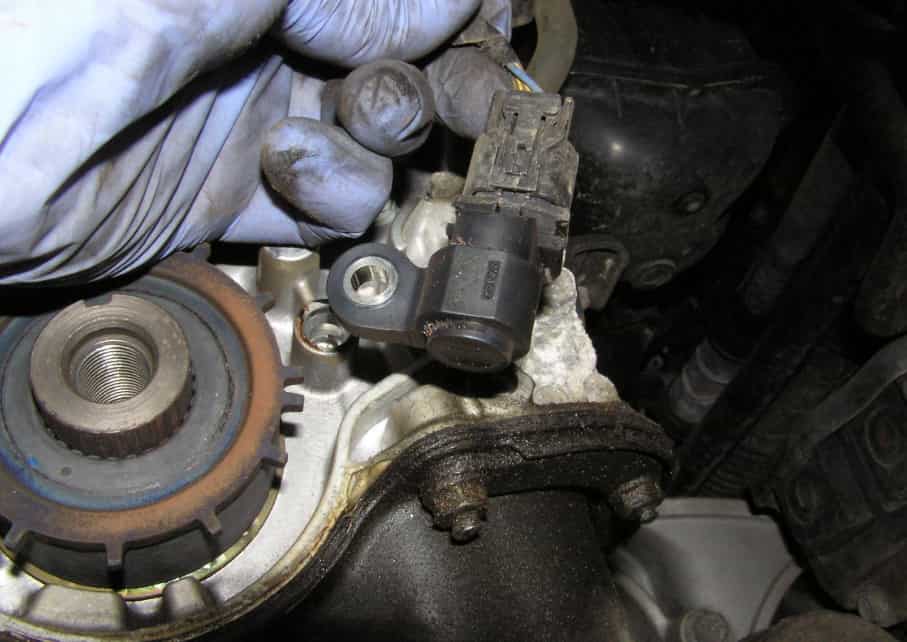
What Does the Crankshaft Position Sensor Do in a Honda Civic?
The crankshaft position sensor is one of the most important components in a Honda Civic engine. It monitors the exact position and rotational speed of the crankshaft. The sensor sends this information to the engine control module every second. Without this signal, the engine cannot operate as designed.
Every combustion cycle depends on accurate timing. The engine control module uses the crankshaft signal to determine when each cylinder reaches the correct position. It then controls fuel injection and spark timing with precision. This process keeps the engine running smoothly under different driving conditions.
Modern Honda Civic models rely heavily on electronic engine management. The crankshaft position sensor works together with several other sensors. These include the camshaft position sensor, throttle position sensor, and mass airflow sensor. Each sensor provides data that helps the engine control module make accurate decisions.
If the crankshaft position sensor stops sending data, the engine loses its primary timing reference. The engine control module cannot determine when to ignite the air and fuel mixture. In many cases, the engine will crank normally but refuse to start. Some vehicles may start briefly before stalling again.
Understanding how this sensor works makes it easier to see why a Honda Civic Crank Sensor Bypass is rarely successful. The sensor produces a continuous electronic signal instead of acting like a simple switch. The engine control module expects this signal to follow a specific pattern. If the pattern is missing, the system treats it as a critical fault.
How the Crankshaft Position Sensor Communicates With the ECU
The crankshaft position sensor detects the movement of a reluctor wheel attached to the crankshaft. As the teeth pass the sensor, electrical pulses are generated. These pulses represent both crankshaft position and engine speed. The engine control module analyzes thousands of these signals every minute.
This information allows the engine control module to identify the position of each piston. It also measures engine speed with high accuracy. As engine speed changes, the sensor continues sending updated signals. This constant communication keeps the ignition and fuel systems synchronized.
Most modern Honda Civic models use either a magnetic sensor or a Hall effect sensor. Both designs perform the same basic function. However, they generate signals in different ways. Regardless of the design, the engine control module requires a stable and accurate signal before allowing the engine to run.
Why the Engine Needs the Crank Sensor Signal
The crankshaft position sensor supports several critical engine functions. Fuel injection is one of the most important. The engine control module must know when to inject fuel into each cylinder. Incorrect timing reduces efficiency and may prevent combustion.
Spark timing also depends on the crankshaft signal. The spark plugs must fire at the correct moment during each combustion cycle. Even a slight timing error can reduce engine performance. A complete loss of signal usually prevents ignition altogether.
The sensor also helps detect engine misfires and abnormal operating conditions. In addition, it provides engine speed data for many vehicle systems. This information supports idle control, emissions management, and transmission operation. Losing this signal affects far more than engine starting.
What Happens When the Signal Disappears
A missing crankshaft signal creates immediate problems. The engine control module cannot determine crankshaft position. As a result, it may disable both fuel injection and ignition to protect the engine.
Most drivers first notice a no start condition. The starter motor turns the engine normally, but combustion never begins. In some cases, the engine stalls while driving and refuses to restart. These symptoms often appear without much warning.
The check engine light usually illuminates after the fault is detected. Diagnostic trouble codes such as P0335 or P0336 are also common. However, these codes do not always mean the sensor itself has failed. Damaged wiring, loose connectors, or a faulty reluctor wheel can produce similar symptoms.
Understanding these symptoms helps explain why replacing the sensor is often more effective than attempting a Honda Civic Crank Sensor Bypass. Accurate diagnosis saves both time and money. It also prevents unnecessary replacement of working components.
Can You Bypass a Honda Civic Crank Sensor?
Many Honda Civic owners search for a Honda Civic Crank Sensor Bypass after experiencing a sudden no start problem. A quick online search returns many videos, forum posts, and homemade solutions. Some claim that connecting wires or installing a resistor will solve the issue. Others suggest that the engine can run without the crankshaft position sensor. In reality, these claims are rarely correct.
The crankshaft position sensor is not a simple electrical switch. Instead, it generates a precise signal that changes with crankshaft speed and position. The engine control module constantly monitors this signal. If the signal disappears or becomes unstable, the module cannot calculate ignition timing or fuel injection accurately. As a result, the engine usually fails to start or shuts down to protect itself.
For this reason, a true Honda Civic Crank Sensor Bypass is not a practical repair. The safest solution is to diagnose the root cause and restore the correct sensor signal.
Why a Simple Electrical Bypass Does Not Work
Many people believe they can bypass the sensor by connecting two wires together. This approach may work for a basic switch, but it does not work for a crankshaft position sensor. The sensor produces thousands of electrical pulses while the engine rotates. These pulses contain critical timing information.
The engine control module compares every pulse with programmed engine data. It uses this information to determine piston position and engine speed. Without an accurate signal, the module cannot synchronize combustion. Therefore, connecting wires together creates no usable engine data.
Even if the starter motor turns the engine, combustion cannot begin correctly. Fuel delivery and spark timing remain disabled or become completely inaccurate. This is why most bypass attempts fail immediately.
Why Jumping the Connector Cannot Replace the Sensor
Some online guides recommend jumping the sensor connector with a wire. Others suggest using resistors or small electronic devices. These methods may appear convincing, but they ignore how modern engine management systems operate.
The connector only provides an electrical path between the sensor and the engine control module. It does not create the digital signal required by the computer. Removing the sensor leaves the control module without valid crankshaft information. The engine still cannot determine when to inject fuel or fire the spark plugs.
In many cases, jumping the connector creates new electrical faults. It may also damage wiring or confuse future diagnostic testing. Instead of solving the problem, it often makes repairs more expensive.
Can the ECU Ignore the Crank Sensor?
Some vehicle systems can continue operating after losing a nonessential sensor. The crankshaft position sensor is different. It supplies one of the most important signals used by the engine control module.
Without crankshaft data, the control module cannot identify the position of each piston. It also loses accurate engine speed information. Most Honda Civic models respond by disabling fuel injection and ignition. This protective strategy helps prevent engine damage.
Because of this design, the engine control module cannot simply ignore a failed crankshaft position sensor. The system requires valid data before normal engine operation can continue.
Older Honda Civic Models Compared With Modern Models
Older Honda Civic models used simpler engine management systems. Some early engines relied on distributor based ignition systems that handled timing differently. Although these vehicles were less complex, they still depended on accurate crankshaft information.
Modern Honda Civic models use advanced electronic control systems. These systems monitor dozens of sensors at the same time. The crankshaft position sensor works together with the camshaft position sensor to maintain precise engine synchronization. Every combustion event depends on this relationship.
As electronic technology became more advanced, the possibility of performing a successful Honda Civic Crank Sensor Bypass became even smaller. Modern control modules perform continuous self checks. They quickly detect missing or incorrect sensor signals and respond by limiting engine operation.
What Should You Do Instead?
Instead of searching for a bypass, focus on identifying the actual fault. Start by scanning the vehicle for diagnostic trouble codes. Next, inspect the sensor connector and wiring harness for corrosion or physical damage. Check that the reluctor wheel is clean and undamaged. Finally, test the crankshaft position sensor using the correct diagnostic procedure.
Many no start problems are caused by damaged wiring, loose connectors, or poor electrical connections rather than a failed sensor. Replacing parts without proper testing often wastes both time and money. A complete diagnosis provides a reliable repair and restores normal engine performance.
When the crankshaft position sensor has truly failed, replacing it with a high quality component remains the safest and most effective solution. It restores accurate engine timing, improves reliability, and eliminates the risks associated with temporary bypass methods.
Why Drivers Search for a Honda Civic Crank Sensor Bypass
Many Honda Civic owners search for a Honda Civic Crank Sensor Bypass after experiencing an unexpected engine problem. In most cases, the vehicle cranks normally but refuses to start. This situation can be frustrating because the battery appears healthy and the starter motor works as expected. Drivers often hope there is a quick solution that avoids replacing expensive parts. As a result, bypass methods become an attractive option.
Another common reason is sudden engine stalling. A failing crankshaft position sensor may stop sending accurate data to the engine control module. When this happens, the engine can shut off without warning or become difficult to restart. Some vehicles restart after cooling down, while others remain completely inoperative. These unpredictable symptoms encourage many owners to search for a temporary fix.
Diagnostic trouble codes also increase interest in this topic. Codes such as P0335 or P0336 suggest a problem with the crankshaft position sensor circuit. However, these codes do not always mean the sensor has failed. Damaged wiring, loose connectors, poor electrical grounds, or a worn reluctor wheel can produce similar symptoms. Replacing the sensor without proper testing may not solve the problem.
Although a Honda Civic Crank Sensor Bypass sounds like a simple answer, it rarely works on modern vehicles. The engine control module requires a precise crankshaft signal to manage fuel injection and ignition timing. Without that signal, the engine cannot operate correctly. For this reason, a complete diagnosis is always the safest approach. Identifying the real cause saves time, prevents unnecessary repairs, and restores reliable engine performance.
Symptoms of a Bad Honda Civic Crankshaft Position Sensor
A failing crankshaft position sensor can produce a wide range of engine problems. Some symptoms appear gradually, while others occur without warning. In many cases, the engine may seem to operate normally before the condition suddenly becomes worse. Recognizing these warning signs early can help prevent unexpected breakdowns and reduce repair costs.
The most common symptom is an engine that cranks but does not start. The starter motor turns the engine, yet combustion never begins. This happens because the engine control module cannot determine the correct crankshaft position. Without that information, it cannot deliver fuel or spark at the proper time.
Intermittent stalling is another frequent symptom. The engine may shut off while idling, driving through traffic, or traveling at highway speeds. Some vehicles restart immediately, while others require several minutes before starting again. Heat often makes the problem more noticeable because high temperatures can affect a worn sensor.
Many drivers also notice rough idling, hesitation during acceleration, or reduced engine performance. These symptoms usually occur when the sensor sends an unstable signal instead of losing communication completely. As the signal becomes less reliable, ignition timing and fuel delivery become less accurate. Engine efficiency and drivability gradually decline.
The check engine light is another common warning sign. Diagnostic trouble codes such as P0335 or P0336 often appear when the engine control module detects an abnormal crankshaft position signal. However, these codes should not be treated as proof of a failed sensor. Wiring damage, connector corrosion, timing problems, or a damaged reluctor wheel can create similar fault codes.
If several of these symptoms appear together, the crankshaft position sensor should be tested before replacing other engine components. A proper diagnosis helps identify the true cause of the problem and prevents unnecessary repairs.
Common Honda Civic Crank Sensor Trouble Codes
The engine control module continuously monitors the crankshaft position sensor during engine operation. If it detects an abnormal signal, it stores a diagnostic trouble code and may illuminate the check engine light. These codes provide valuable clues, but they should always be interpreted with proper testing. A stored code identifies the affected circuit, not necessarily the failed component.
P0335 Crankshaft Position Sensor A Circuit Malfunction
P0335 is one of the most common crankshaft position sensor codes found in a Honda Civic. It indicates that the engine control module cannot detect a valid signal from the sensor. As a result, the engine may crank without starting, stall unexpectedly, or fail to restart after shutting off.
Several problems can trigger this code. A failed crankshaft position sensor is only one possibility. Damaged wiring, a loose connector, corrosion, poor grounding, or a damaged reluctor wheel can produce the same result. A complete inspection is necessary before replacing any parts.
P0336 Crankshaft Position Sensor Range or Performance
P0336 indicates that the crankshaft position signal is outside the expected operating range. The signal may be weak, inconsistent, or interrupted during engine operation. Unlike P0335, this code often points to an unstable signal rather than a complete loss of communication.
Drivers may notice rough idling, hesitation during acceleration, reduced engine power, or intermittent stalling. In some cases, the engine starts normally when cold but stalls after reaching operating temperature. Heat related sensor failure is a common cause of this condition.
Related Trouble Codes
The crankshaft position sensor works closely with several other engine components. A fault in one system can affect another and generate additional diagnostic codes. For this reason, technicians often review all stored codes before making a repair decision.
Common related trouble codes include:
| Trouble Code | Description | Possible Cause |
|---|---|---|
| P0335 | Crankshaft Position Sensor Circuit Malfunction | Failed sensor, wiring fault, poor connection |
| P0336 | Crankshaft Position Sensor Range or Performance | Weak signal, damaged reluctor wheel, sensor failure |
| P0340 | Camshaft Position Sensor Circuit Malfunction | Faulty camshaft sensor or wiring |
| P0341 | Camshaft Position Sensor Performance | Incorrect timing or unstable sensor signal |
A Trouble Code Does Not Always Mean the Sensor Is Bad
Many vehicle owners replace the crankshaft position sensor as soon as a diagnostic code appears. This approach often leads to unnecessary expenses because the sensor is not always the root cause. Electrical faults elsewhere in the circuit can produce the same warning codes.
Before replacing the sensor, inspect the wiring harness for damage, check the connector for corrosion, and verify that all electrical connections are secure. The reluctor wheel should also be examined for missing or damaged teeth. Finally, confirm that engine timing is correct if the timing belt or timing chain has recently been serviced.
Accurate diagnosis saves time and money. More importantly, it ensures the actual fault is repaired instead of replacing parts that still function correctly.
How to Diagnose a Honda Civic Crank Sensor Problem
A proper diagnosis is essential before replacing the crankshaft position sensor. Many engine problems produce similar symptoms, including hard starting, engine stalling, and poor performance. Assuming the sensor has failed without testing can lead to unnecessary repairs. A systematic inspection helps identify the actual cause.
Start by connecting an OBD II scanner and checking for diagnostic trouble codes. Codes such as P0335 or P0336 indicate a problem within the crankshaft position sensor circuit. However, they do not always confirm that the sensor itself is defective. Other electrical faults can trigger the same warning codes.
Next, inspect the crankshaft position sensor and its electrical connector. Look for broken wires, loose terminals, corrosion, or oil contamination. Even minor damage can interrupt the signal sent to the engine control module. The wiring harness should also be examined for worn insulation or signs of physical damage.
After the visual inspection, test the sensor using the appropriate equipment for your Honda Civic model. Verify that the sensor receives the correct power supply and ground connection. Then confirm that it generates a stable signal while the engine is cranking. If the signal is missing or inconsistent, further testing is required.
Finally, inspect related components before replacing the sensor. Check the reluctor wheel for damaged teeth and verify that engine timing is correct. If the camshaft position sensor also stores fault codes, test both systems together. A complete diagnosis identifies the real source of the problem, reduces unnecessary repair costs, and restores reliable engine performance.
Safe Alternatives to a Honda Civic Crank Sensor Bypass
A Honda Civic Crank Sensor Bypass may seem like a convenient solution, but it is not a reliable repair. Modern Honda Civic engines depend on accurate crankshaft position data to control ignition timing and fuel injection. Without a valid signal, the engine control module cannot manage normal engine operation. Instead of attempting a bypass, focus on repairs that restore the correct sensor signal.
The first step is to inspect the wiring harness and electrical connector. Loose terminals, damaged wires, or corrosion can interrupt communication between the crankshaft position sensor and the engine control module. In many cases, repairing the wiring solves the problem without replacing the sensor.
If the wiring is in good condition, inspect the crankshaft position sensor itself. A worn or damaged sensor may produce an unstable signal or stop working completely. Replacing the faulty sensor with a high quality OEM or equivalent replacement is the most dependable solution. Quality components provide accurate engine timing and improve long term reliability.
You should also inspect related engine components. A damaged reluctor wheel, incorrect timing belt installation, or a faulty camshaft position sensor can create symptoms similar to a failed crankshaft position sensor. Correcting these problems restores proper engine synchronization and prevents repeated fault codes.
After completing the repair, clear all diagnostic trouble codes and test drive the vehicle. Confirm that the engine starts normally, idles smoothly, and accelerates without hesitation. A proper repair eliminates the need for a Honda Civic Crank Sensor Bypass and provides a safer, more reliable solution for long term performance.
Honda Civic Crank Sensor Replacement Cost
The cost of replacing a Honda Civic crankshaft position sensor varies by model year, engine type, and repair location. Labor rates also differ between independent repair shops and dealerships. Although prices vary, replacing a faulty sensor is usually more affordable than repairing engine damage caused by continued driving with an unresolved problem.
The replacement sensor is the largest part of the total cost. Aftermarket sensors are generally less expensive, while OEM parts often cost more because they are designed to meet Honda’s original specifications. Many technicians recommend using an OEM or high quality equivalent sensor because it provides a more accurate signal and improves long term reliability.
Labor costs depend on the location of the sensor. Some Honda Civic models allow easy access, making replacement relatively simple. Others require the removal of surrounding components before the sensor can be reached. This additional work increases the overall repair cost.
The table below provides a general comparison of common repair options.
| Repair Option | Parts Cost | Labor Cost | Overall Cost |
|---|---|---|---|
| DIY with aftermarket sensor | Low | None | Low |
| DIY with OEM sensor | Medium | None | Medium |
| Independent repair shop | Medium | Medium | Medium |
| Honda dealership | High | High | High |
Choosing the lowest priced sensor is not always the best decision. Low quality components may produce inaccurate signals or fail prematurely. Investing in a reliable replacement helps restore proper engine timing and reduces the risk of future starting or stalling problems. A quality repair also eliminates the need to search for a temporary Honda Civic Crank Sensor Bypass.
OEM vs Aftermarket Crank Sensors
Choosing the right replacement crankshaft position sensor is just as important as diagnosing the problem correctly. While both OEM and aftermarket sensors perform the same basic function, their quality and reliability can vary significantly. Selecting a dependable replacement helps ensure accurate engine timing and reduces the risk of repeated failures.
An OEM crankshaft position sensor is manufactured to meet Honda’s original specifications. It is designed to fit correctly and communicate accurately with the engine control module. Most OEM sensors deliver consistent performance under extreme temperatures and demanding driving conditions. Although they usually cost more, they are often the preferred choice for long term reliability.
Aftermarket sensors are available from many different manufacturers. High quality aftermarket parts can perform as well as OEM components and often cost less. However, quality varies between brands. Some low cost sensors may produce inconsistent signals or fail much sooner than expected. These issues can lead to repeated starting problems, engine stalling, or recurring diagnostic trouble codes.
Before purchasing a replacement sensor, choose a trusted manufacturer with a strong reputation for quality. Verify that the part matches your Honda Civic model year and engine. Reading customer reviews and checking warranty coverage can also help you make a better decision.
The table below highlights the main differences between OEM and aftermarket crankshaft position sensors.
| Feature | OEM Sensor | Quality Aftermarket Sensor |
|---|---|---|
| Fit and compatibility | Excellent | Usually excellent |
| Signal accuracy | Excellent | Good to excellent |
| Reliability | Excellent | Depends on the manufacturer |
| Warranty | Manufacturer warranty | Varies by brand |
| Purchase price | Higher | Usually lower |
A reliable crankshaft position sensor is a long term investment in engine performance. Choosing a quality replacement helps restore proper ignition timing, improves starting reliability, and reduces the chance of future sensor related problems.
Why a Honda Civic May Still Not Start After Sensor Replacement
Replacing the crankshaft position sensor does not always solve a no start condition. Many Honda Civic owners install a new sensor only to discover that the engine still refuses to start. This situation can be frustrating, but it usually means another fault is preventing the engine from operating correctly. A complete inspection is necessary before replacing additional parts.
One common cause is damaged wiring. The crankshaft position sensor depends on a stable electrical connection to communicate with the engine control module. Broken wires, loose terminals, or corrosion inside the connector can interrupt the signal even after a new sensor is installed. Repairing the wiring often restores normal engine operation.
Incorrect engine timing is another possible cause. If the timing belt or timing chain has slipped or was installed incorrectly, the engine control module may receive conflicting timing information. This can prevent the engine from starting or cause it to run poorly. Inspecting the timing system is an important step when sensor replacement does not fix the problem.
The camshaft position sensor should also be checked. These two sensors work together to synchronize ignition timing and fuel injection. If the camshaft position sensor fails, the engine may continue to experience starting problems even though the crankshaft position sensor has been replaced.
Other engine systems can produce similar symptoms. Low fuel pressure, ignition coil failure, weak battery voltage, or an active immobilizer system may all prevent the engine from starting. For this reason, technicians inspect the entire starting and ignition system instead of focusing on a single component.
If your Honda Civic still will not start after replacing the crankshaft position sensor, avoid replacing additional parts without testing. A systematic diagnosis identifies the real cause, reduces unnecessary repair costs, and restores reliable engine performance more efficiently.
Can You Drive With a Bad Crankshaft Position Sensor?
Driving with a faulty crankshaft position sensor is not recommended. Although some Honda Civic models may continue running for a short time, the sensor can fail completely without warning. This creates a safety risk because the engine may stall unexpectedly while driving. Losing engine power in heavy traffic or at highway speeds can increase the chance of an accident.
In the early stages of failure, the engine may still start and run normally. However, you may notice rough idling, hesitation during acceleration, or reduced fuel efficiency. These symptoms often become more frequent as the sensor continues to wear. Eventually, the engine may crank without starting or shut off while driving.
A faulty crankshaft position sensor can also affect other engine systems. Incorrect timing information reduces the accuracy of fuel injection and ignition timing. As a result, engine performance declines and emissions may increase. Continuing to drive with these problems can place additional stress on related components.
If the check engine light appears together with symptoms such as intermittent stalling or hard starting, schedule a diagnosis as soon as possible. Prompt repairs reduce the risk of unexpected breakdowns and help prevent more expensive repairs later. Ignoring the warning signs may leave you stranded when the sensor fails completely.
The safest approach is to identify the root cause and repair the problem before driving the vehicle regularly. Replacing a faulty crankshaft position sensor or repairing damaged wiring restores reliable engine operation and reduces the risk of sudden engine failure. Addressing the issue early protects both your vehicle and your safety on the road.
Frequently Asked Questions
Can a Honda Civic run without a crankshaft position sensor?
No. Most modern Honda Civic models cannot run without a working crankshaft position sensor. The engine control module requires an accurate crankshaft signal to control fuel injection and ignition timing. Without this information, the engine usually cranks but does not start.
Can you bypass a Honda Civic crank sensor?
A true Honda Civic Crank Sensor Bypass is not a practical solution. The crankshaft position sensor generates a continuous timing signal rather than acting as a simple electrical switch. Connecting wires or installing a jumper cannot reproduce this signal. Proper diagnosis and repair are the safest solutions.
Will disconnecting the crankshaft position sensor reset the ECU?
Disconnecting the sensor does not reset the engine control module. Instead, it usually causes the engine control module to detect a missing signal and store additional diagnostic trouble codes. If an ECU reset is required, follow the manufacturer recommended procedure.
Does a bad crankshaft position sensor always trigger a check engine light?
Not always. Some sensors fail intermittently, especially when they become hot. The engine may stall or become difficult to start before the check engine light appears. However, most complete sensor failures eventually store a diagnostic trouble code.
Can a bad battery cause crankshaft position sensor codes?
Yes. Low battery voltage can affect sensor communication and create misleading diagnostic trouble codes. Before replacing the crankshaft position sensor, verify that the battery and charging system are operating correctly.
How long does a Honda Civic crankshaft position sensor last?
There is no fixed replacement interval. Many crankshaft position sensors last well over 100,000 miles under normal driving conditions. Heat, vibration, oil contamination, and age can shorten their service life. Regular inspections help identify problems before complete failure occurs.
Should I replace the crankshaft position sensor myself?
If you have the proper tools and repair experience, replacing the sensor may be possible on some Honda Civic models. However, access to the sensor varies by engine and model year. If you are unsure, professional diagnosis and installation are recommended to ensure the repair is completed correctly.
Conclusion
Searching for a Honda Civic Crank Sensor Bypass is understandable when your vehicle suddenly refuses to start. However, modern Honda Civic engines depend on accurate crankshaft position data to manage fuel injection and ignition timing. Because of this design, a true bypass is not a practical or reliable solution. Attempting to bypass the sensor can waste time, create additional electrical problems, and make the real fault more difficult to diagnose.
A better approach is to identify the exact cause of the problem through a complete inspection. Start by scanning the engine control module for diagnostic trouble codes. Then inspect the crankshaft position sensor, wiring harness, electrical connector, and related timing components. If the sensor has failed, replacing it with a high quality OEM or equivalent part is the safest and most effective repair.
Keeping your Honda Civic in good condition also means addressing warning signs early. Symptoms such as intermittent stalling, hard starting, or an illuminated check engine light should never be ignored. Prompt diagnosis helps prevent unexpected breakdowns and reduces the risk of more expensive repairs.
If you are still experiencing starting problems after replacing the sensor, inspect the entire ignition and fuel system before replacing additional parts. A systematic diagnosis always delivers better results than guessing. With the right repair, your Honda Civic can return to reliable performance and provide dependable service for many miles to come.