A brake pedal issue can create serious concerns for any vehicle owner. The brake system controls how drivers slow down and stop their vehicles. Because of this, Honda owners often want clear answers when they hear about a recall.
Many drivers ask the same questions. Does the Honda Brake Pedal Recall affect my vehicle? Can I continue driving safely? Where can I get the problem fixed?
Honda Brake Pedal Recall information helps owners understand possible safety concerns and available solutions. A recall does not always mean every vehicle has a dangerous defect. Instead, it allows manufacturers to inspect vehicles and provide repairs when needed.
This guide explains the key details about the Honda Brake Pedal Recall. You will learn about affected models, possible causes, safety risks, inspection steps, and repair options. The information can help Honda owners make better decisions and protect their vehicles.
If you received a recall notice or want to check your vehicle status, understanding the recall process is an important first step. Taking action early can help maintain vehicle safety and provide greater peace of mind.
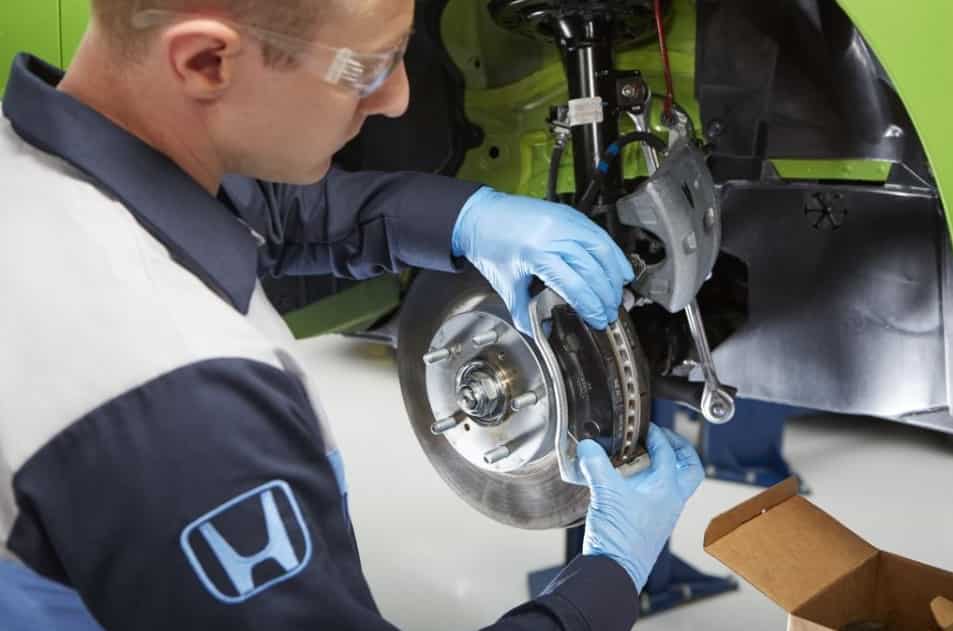
What Is the Honda Brake Pedal Recall?
The Honda Brake Pedal Recall refers to a safety action that addresses potential problems related to the brake pedal system in certain Honda vehicles. Honda uses recalls to identify possible safety concerns and provide solutions for affected owners.
The brake pedal plays a critical role in vehicle control. When a driver presses the pedal, the braking system must respond correctly to reduce speed or bring the vehicle to a complete stop. Any issue that affects brake pedal performance can create safety concerns on the road.
A vehicle recall is different from regular maintenance. Maintenance includes services such as oil changes, brake inspections, and part replacements caused by normal use. A recall focuses on a possible issue linked to vehicle design, manufacturing, or component quality.
Honda and other automotive manufacturers monitor vehicle performance through customer feedback, safety testing, and technical investigations. When a potential defect appears, the company may launch a recall to inspect vehicles and provide necessary repairs.
For Honda owners, a recall notice does not automatically mean their vehicle has a severe problem. It means the manufacturer wants to check specific vehicles and fix potential issues before they affect drivers.
Understanding the Honda Brake Pedal Recall helps owners take the right steps. By checking recall information and completing recommended repairs, drivers can maintain vehicle safety and confidence while driving.
Why Did Honda Issue a Brake Pedal Recall?
Honda may issue a brake pedal recall when engineers identify a potential problem that can affect vehicle safety. The company uses recalls to protect drivers and passengers by addressing issues before they create serious risks.
Several factors can lead to a brake pedal related recall. A manufacturing error can affect how a component works inside the braking system. A supplier issue can also introduce a part that does not meet Honda’s quality standards. In some cases, engineers discover a problem during vehicle testing or after receiving reports from owners.
The brake pedal system requires precise operation because even a small issue can influence braking performance. Drivers depend on consistent pedal response every time they operate their vehicles. Any unexpected change can reduce confidence and create dangerous situations, especially during emergency braking.
Honda reviews information from multiple sources before deciding on a recall. The company may analyze customer complaints, technical data, inspection results, and safety reports. This process helps Honda understand the problem and determine the best repair solution.
A recall shows that Honda takes vehicle safety seriously. Instead of waiting for more problems to occur, the company works with owners and dealerships to identify affected vehicles and complete repairs.
For Honda owners, understanding the reason behind a brake pedal recall can reduce confusion and encourage timely action. Checking recall information and following Honda’s repair recommendations can help drivers maintain a safer driving experience.
Honda Brake Pedal Recall Affected Models and Vehicle Eligibility
One of the first questions Honda owners ask after hearing about a recall is whether their vehicle is included. The Honda Brake Pedal Recall does not always affect every vehicle from a specific model line. Recall coverage usually depends on factors such as the model year, production date, location, and vehicle identification number.
Honda uses the Vehicle Identification Number, also known as VIN, to identify vehicles that qualify for recall service. The VIN contains specific information about each vehicle, including manufacturing details and production records. Owners can use this number to check their recall status through official Honda resources or by contacting a Honda dealership.
Checking eligibility is an important step because two vehicles with the same model name may have different recall statuses. One vehicle may require a repair, while another vehicle from the same year may not be included in the recall program.
Honda owners should avoid relying only on online discussions or general information about affected vehicles. The most accurate way to confirm recall eligibility is to check the VIN directly. A Honda dealer can also review the vehicle history and explain any required service.
If your vehicle appears in the Honda Brake Pedal Recall database, schedule a recall inspection as soon as possible. Completing the recommended repair helps maintain braking performance and supports safer driving conditions.
Common Signs of a Honda Brake Pedal Problem
Recognizing early warning signs can help Honda owners respond quickly to potential brake issues. The brake pedal should provide a consistent and predictable feeling every time a driver uses it. Any sudden change in pedal behavior deserves attention.
One common sign involves a soft or spongy brake pedal. Drivers may notice that the pedal feels different from normal or requires more pressure to slow the vehicle. This change can affect driving confidence and may indicate a problem within the braking system.
Some Honda owners may also notice a longer stopping distance. A vehicle that takes more time or distance to stop requires immediate attention because braking performance plays a key role in road safety.
Other possible warning signs include unusual pedal movement, inconsistent brake response, or warning lights appearing on the dashboard. These signals do not always mean a recall related issue exists, but they show that the vehicle needs proper inspection.
Drivers should also pay attention to changes in how the vehicle feels during daily use. Small differences in brake performance can become easier to notice over time. Ignoring unusual brake behavior may increase the chance of larger problems in the future.
If you experience any brake pedal concerns, contact a qualified service center for an inspection. Honda owners who suspect a connection with the Honda Brake Pedal Recall should check their vehicle information and confirm their recall status. Early action can help maintain vehicle safety and driving confidence.
How Dangerous Is the Honda Brake Pedal Recall?
Brake related recalls often create concern because the braking system directly affects vehicle control. The Honda Brake Pedal Recall matters because drivers rely on their brake pedals every time they slow down, stop, or react to unexpected situations on the road.
The level of risk depends on the specific issue, vehicle condition, and driving situation. A potential brake pedal problem does not mean every affected Honda vehicle will experience a sudden failure. However, owners should take recall information seriously because even small changes in brake performance can affect driving confidence and safety.
A brake pedal issue may create challenges during emergency situations. Drivers need a reliable braking response when they face traffic changes, obstacles, or sudden stops. A vehicle with reduced braking performance may require more attention and a longer stopping distance.
Honda owners should follow the manufacturer’s recommendations after receiving a recall notice. Checking the VIN, contacting a Honda dealership, and completing the required inspection can help identify whether the vehicle needs service.
Drivers should avoid ignoring unusual brake symptoms, even if the vehicle still operates normally. Early inspection allows technicians to identify possible concerns before they become more serious.
The Honda Brake Pedal Recall provides an opportunity for owners to improve vehicle safety and maintain confidence on the road. Taking timely action helps protect both drivers and passengers while supporting the long term reliability of the vehicle.
How to Check If Your Honda Is Included in the Brake Pedal Recall
Checking your vehicle’s recall status is an important step for every Honda owner who wants to confirm whether their vehicle needs attention. The Honda Brake Pedal Recall process usually starts with identifying your vehicle through its unique Vehicle Identification Number, also known as VIN.
You can find the VIN in several locations, including the driver’s side dashboard, the door frame, vehicle registration documents, or insurance records. After locating the VIN, you can use official Honda recall resources or contact a Honda dealership to check your vehicle status.
A VIN check provides more accurate information than searching by vehicle model alone. Honda produces many vehicles across different years, and recall coverage may vary depending on production details. Two vehicles with the same model and year may have different recall results.
If your Honda appears in the recall system, contact an authorized Honda dealer to discuss the next steps. The dealership can confirm the required service, explain the repair process, and help schedule an appointment.
Owners should also check for recall updates regularly, especially if they recently purchased a used Honda vehicle. Previous owners may not have completed recall repairs, so a VIN inspection can reveal important safety information.
Taking a few minutes to check your Honda recall status can help you understand your vehicle’s condition. A simple VIN lookup allows you to take action early and maintain safer driving conditions.
Honda Brake Pedal Recall Repair Process and Timeline
After confirming that a vehicle qualifies for the Honda Brake Pedal Recall, the next step involves scheduling a recall service appointment. Honda owners can contact an authorized dealership to arrange an inspection and learn about the required repair process.
During the appointment, technicians review the vehicle information and inspect the related brake components. They check whether the vehicle has the specific issue covered by the recall and determine the correct repair solution. The service team then explains the necessary work before completing the repair.
The repair process may involve adjusting, replacing, or repairing specific components connected to the brake pedal system. The exact procedure depends on the vehicle model, recall details, and available repair information from Honda.
The repair time can vary between vehicles. Some repairs may require only a short service visit, while others may take longer if technicians need additional inspections or replacement parts. Honda dealerships can provide a more accurate timeline after reviewing the vehicle details.
Owners should prepare important information before visiting the dealership. This includes the VIN, recall notification, and vehicle documents if needed. Keeping service records after the repair can also help maintain accurate vehicle history.
Completing the Honda Brake Pedal Recall repair helps ensure that the vehicle meets safety standards. By responding to recall notices and working with authorized Honda service centers, owners can protect their investment and continue driving with greater confidence.
Is Honda Brake Pedal Recall Repair Free?
One of the most common questions Honda owners ask about a recall is the repair cost. In many cases, manufacturers provide recall repairs at no charge to eligible vehicle owners. However, the exact coverage depends on the specific recall program and the vehicle’s eligibility.
The Honda Brake Pedal Recall repair process focuses on fixing a safety related issue identified by Honda. If a vehicle qualifies for the recall, owners can usually contact an authorized Honda dealership to confirm the available repair service and any related requirements.
It is important to understand the difference between recall repairs and regular maintenance. A recall repair addresses a specific safety concern identified by the manufacturer. Regular maintenance includes services such as brake inspections, fluid replacement, or repairs caused by normal vehicle wear.
Some owners may discover additional issues during a dealership inspection. These separate repairs may not fall under the recall coverage and could involve extra costs. Honda owners should ask the service team to explain which services relate to the recall and which services require separate payment.
Before visiting a dealership, owners should confirm their recall status using their VIN. This step helps ensure that the vehicle qualifies for the correct recall service.
Understanding the repair process can reduce uncertainty and help Honda owners make informed decisions. Completing eligible recall repairs allows drivers to address safety concerns without unnecessary delays.
What Honda Owners Should Do After Receiving a Recall Notice
Receiving a recall notice can create questions and concerns for many Honda owners. However, taking the right steps can make the process easier and help maintain vehicle safety. A recall notice provides important information about a potential issue and the recommended action from Honda.
The first step involves checking the recall details carefully. Owners should review the vehicle information and confirm whether the notice matches their Honda model and VIN. This helps ensure they receive accurate information about their vehicle status.
After confirming the recall, owners should contact an authorized Honda dealership. The service team can explain the repair process, schedule an inspection, and answer questions about the required service. Booking the appointment early can help owners complete the repair without unnecessary delays.
Honda owners should also pay attention to any unusual brake behavior while waiting for service. Changes in brake pedal response, stopping performance, or warning signals should receive immediate attention. Drivers should contact a qualified service center if they notice any safety concerns.
Keeping recall documents and repair records is another useful step. These records help maintain a complete vehicle history and provide proof that the recommended service has been completed.
The Honda Brake Pedal Recall gives owners an opportunity to improve vehicle safety and address possible concerns. By checking recall information, scheduling service, and following Honda recommendations, drivers can continue using their vehicles with greater confidence.
Frequently Asked Questions About Honda Brake Pedal Recall
What is the Honda Brake Pedal Recall?
The Honda Brake Pedal Recall is a safety action that helps address potential issues related to the brake pedal system in certain Honda vehicles. Honda uses recalls to inspect affected vehicles and provide solutions that support driver safety.
How can I check if my Honda is affected by the recall?
You can check your Honda recall status by using your Vehicle Identification Number, also known as VIN. The VIN allows Honda and dealerships to identify whether your specific vehicle qualifies for recall service.
Can I drive my Honda before completing the recall repair?
The answer depends on the specific recall issue and your vehicle condition. If you notice unusual brake pedal behavior or reduced braking performance, contact a Honda dealership for guidance before continuing regular driving.
Does Honda charge for brake pedal recall repairs?
Eligible recall repairs are often provided at no cost to vehicle owners. However, coverage depends on the specific recall program and vehicle eligibility. Owners should confirm details with an authorized Honda service center.
How long does Honda recall repair take?
Repair time varies depending on the vehicle, required service, and parts availability. A Honda dealership can provide a more accurate estimate after checking your vehicle information.
Why should Honda owners complete recall repairs?
Completing recall repairs helps address potential safety concerns and supports better vehicle performance. Taking action early allows owners to maintain safer driving conditions and protect their vehicles.
Conclusion
The Honda Brake Pedal Recall highlights the importance of vehicle safety and regular attention to recall information. A brake pedal issue can affect driving confidence, which is why Honda owners should understand the possible causes, warning signs, and repair process.
Learning about affected vehicles, checking recall status through VIN, and contacting an authorized Honda dealership can help owners take the right action. A recall does not always mean a vehicle has an immediate safety failure, but it provides an opportunity to identify and fix potential concerns.
The Honda Brake Pedal Recall process helps protect drivers and passengers by addressing possible brake related issues. Owners who receive a recall notice should review the information carefully and complete any recommended service as soon as possible.
Vehicle safety depends on awareness and timely maintenance. By staying informed about recalls and responding quickly to safety recommendations, Honda owners can enjoy a more reliable driving experience.
Have you checked your Honda recall status recently? Share your experience or questions about the Honda Brake Pedal Recall to help other vehicle owners understand the process better.