A Honda Accord air conditioning system can stop working because of refrigerant leaks, electrical faults, compressor failure, restricted airflow, or malfunctioning HVAC components. Although every symptom may seem similar at first, the underlying cause often differs depending on how the system behaves. An air conditioner that blows warm air requires a different diagnosis from one that produces no airflow or cools only while the vehicle is moving. Identifying the correct fault before replacing any part saves both time and repair costs.
Modern Honda Accord models rely on multiple components working together to maintain cabin comfort. The AC compressor circulates refrigerant, the condenser releases heat, the evaporator absorbs cabin heat, and the blower motor distributes cooled air through the vents. At the same time, electrical components such as relays, fuses, pressure switches, cooling fans, and the HVAC control module continuously monitor and regulate system performance. A single failure within this network can reduce cooling efficiency or stop the air conditioner entirely.
This guide explains the most common reasons why a Honda Accord air conditioning system stops working and shows how to diagnose each problem logically. You will learn how to recognize key symptoms, inspect critical components, understand the most effective repair options, estimate common repair costs, and follow maintenance practices that help prevent future air conditioning failures. Whether the issue is minor or requires professional service, understanding how the system operates makes it much easier to identify the root cause instead of replacing parts through trial and error.
Why Is My Honda Accord Air Conditioning Not Working?
A Honda Accord air conditioning system stops working when a key component can no longer cool the cabin effectively. The problem may come from low refrigerant, a failed compressor, an electrical fault, or restricted airflow. Although these issues produce similar symptoms, each requires a different repair. Identifying the symptom first makes the diagnosis much more accurate.
The most common symptom is warm air coming from the vents. This usually points to low refrigerant, a refrigerant leak, or a compressor that cannot build enough pressure. Some vehicles lose cooling only while idling. Others stop producing cold air completely. Each condition narrows the list of possible faults and reduces unnecessary troubleshooting.
Airflow also provides valuable diagnostic information. Strong airflow with no cooling usually indicates a refrigeration problem. Weak airflow often suggests a clogged cabin air filter, a worn blower motor, or a faulty blower resistor. If no air comes from the vents, the HVAC control system or electrical circuit may be preventing the blower from operating.
Electrical problems are another common cause of AC failure. A blown fuse, faulty relay, damaged wiring, or defective pressure switch can prevent the compressor clutch from engaging. Modern Honda Accord models also monitor refrigerant pressure through electronic sensors. When the pressure falls outside the safe operating range, the system automatically disables the compressor to prevent internal damage.
Understanding these symptoms helps identify the root cause before replacing expensive components. For example, adding refrigerant will not solve a failed relay. Likewise, replacing the compressor will not restore cooling if the real problem is a blocked condenser or damaged cooling fan. A systematic diagnosis always produces faster repairs, lower costs, and more reliable results.
What Are the Most Common Causes of Honda Accord Air Conditioning Failure?
Several mechanical, electrical, and refrigerant-related problems can cause a Honda Accord air conditioning system to stop working. Each component performs a specific function within the cooling cycle. When one part fails, the entire system can lose cooling performance or shut down completely. Understanding the most common causes makes troubleshooting much easier.
Low refrigerant is one of the leading causes of poor cooling. Refrigerant carries heat away from the cabin and allows the evaporator to produce cold air. The system is sealed, so the refrigerant level should not decrease under normal conditions. If it becomes low, a leak is usually present. Common leak locations include O-rings, hose connections, the condenser, and the evaporator. Recharging the system without repairing the leak often provides only temporary cooling.
A failing AC compressor is another frequent cause of air conditioning problems. The compressor creates the pressure needed to circulate refrigerant through the system. When internal components wear out or the compressor clutch fails, refrigerant can no longer move efficiently. As a result, the vents may blow warm air even though the blower motor continues to operate normally. Drivers may also notice unusual noises or repeated compressor cycling before complete failure occurs.
Electrical faults can prevent the air conditioning system from operating even when all mechanical parts remain functional. A blown fuse, faulty relay, damaged wiring, or defective pressure switch may stop the compressor clutch from engaging. In addition, restricted condenser airflow, a failed cooling fan, or a faulty blend door actuator can reduce cooling performance. These problems often produce similar symptoms, so a systematic inspection is more effective than replacing parts based on guesswork.
How Do You Diagnose a Honda Accord AC Problem Step by Step?
Diagnosing a Honda Accord air conditioning problem requires a logical process instead of replacing parts at random. Each inspection provides valuable information and helps eliminate possible causes. Following the correct order also reduces repair time and prevents unnecessary expenses.
Start by checking the airflow from the dashboard vents. Turn the air conditioner to its lowest temperature and select the highest fan speed. Strong airflow with warm air usually points to a cooling system problem. Weak airflow often indicates a clogged cabin air filter, a failing blower motor, or a worn blower motor resistor. If there is no airflow, inspect the blower circuit and HVAC controls before moving to other components.
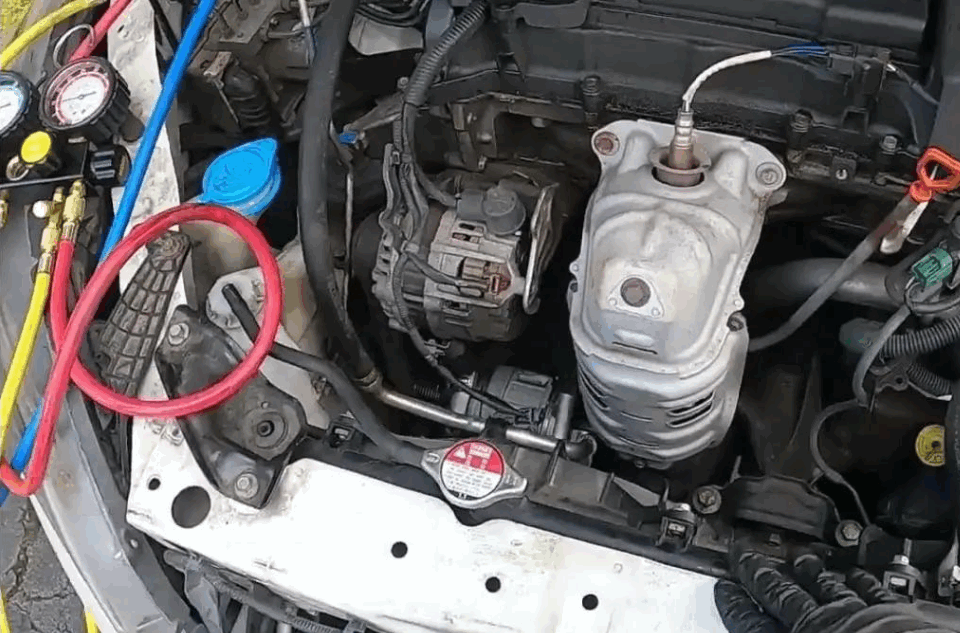
Next, inspect the compressor while the engine is running. The compressor clutch should engage when the air conditioner is switched on. If the clutch does not engage, check the AC fuse and relay first. Then inspect the electrical connectors for loose or damaged wiring. If the electrical system appears normal, measure the refrigerant pressure with a manifold gauge set. Low pressure usually indicates a refrigerant leak, while abnormal high pressure may suggest a blocked condenser or restricted airflow.
The final step is confirming the root cause with proper diagnostic tools. Inspect the condenser for dirt, bent fins, or physical damage that may restrict airflow. Look for signs of refrigerant oil around hoses and fittings because oily residue often indicates a leak. Scan the vehicle with an OBD-II diagnostic tool if the model supports HVAC fault codes. This scan can identify faulty sensors, pressure switches, or control modules. Completing these inspections in sequence helps locate the actual fault and avoids replacing components that still function correctly.
How Can You Fix a Honda Accord Air Conditioner That Is Not Cooling?
The correct repair depends on the root cause of the air conditioning failure. Replacing parts without confirming the fault often increases repair costs and does not restore cooling performance. A proper diagnosis allows each repair to solve the actual problem instead of masking the symptoms.
If the refrigerant level is low, inspect the system for leaks before adding new refrigerant. The most common leak points include the condenser, service ports, hose connections, and compressor seals. After repairing the leak, evacuate the system and recharge it with the correct type and amount of refrigerant. This process restores normal operating pressure and prevents repeated refrigerant loss.
A faulty compressor or compressor clutch usually requires replacement. Before installing a new compressor, inspect the condenser, expansion valve, and receiver drier for contamination. Metal debris from a failed compressor can circulate through the system and damage new components. Flushing the refrigerant lines and replacing worn parts help prevent another compressor failure.
Electrical repairs should always begin with the simplest components. Check the AC fuse, relay, and wiring for signs of damage or corrosion. Replace defective parts and verify that the compressor clutch engages correctly. If electrical components operate normally, inspect the pressure switch, HVAC control module, and related sensors. A diagnostic scan can confirm whether these components are sending the correct signals.
Routine maintenance can also restore cooling performance when no major parts have failed. Replace a clogged cabin air filter to improve airflow inside the cabin. Clean the condenser to remove dirt, leaves, and road debris that restrict heat transfer. Inspect the cooling fan to ensure it operates at the correct speed. Completing these repairs in the proper order improves cooling efficiency and reduces the risk of future air conditioning problems.
How Much Does It Cost to Repair a Honda Accord Air Conditioning System?
The cost of repairing a Honda Accord air conditioning system depends on the failed component, labor rates, and the extent of the damage. Minor repairs are usually affordable, while major component replacements can become expensive. Identifying the root cause early often prevents a small problem from developing into a costly repair.
A refrigerant recharge is typically the least expensive service. However, it is only effective if the system does not have a leak. If refrigerant continues to escape, the leak must be repaired before the system is recharged. Leak detection usually involves UV dye, an electronic leak detector, or a pressure test. Repair costs increase when damaged hoses, seals, or the condenser require replacement.
Compressor replacement is one of the most expensive air conditioning repairs. The total cost includes the compressor, labor, refrigerant, and supporting components that may also need replacement. Many technicians recommend replacing the receiver drier and inspecting the expansion valve during the same repair. This approach improves system reliability and helps protect the new compressor from premature failure.
Electrical repairs are generally less expensive than replacing major mechanical components. Replacing a blown fuse or faulty relay usually requires minimal labor. However, diagnosing damaged wiring, failed sensors, or a malfunctioning HVAC control module may take additional time because each circuit must be tested individually. Accurate diagnostics reduce labor costs by preventing unnecessary parts replacement.
Regular maintenance is the most effective way to control long-term repair expenses. Replacing the cabin air filter, cleaning the condenser, and inspecting refrigerant pressure each year help maintain cooling performance. These services also reduce stress on the compressor and other major components. Preventive maintenance often costs far less than repairing a complete air conditioning system after a major failure.
How Can You Prevent Honda Accord Air Conditioning Problems?
Regular maintenance is the best way to prevent Honda Accord air conditioning problems and extend the life of the entire cooling system. Most AC failures develop gradually rather than appearing without warning. Routine inspections help detect small issues before they lead to expensive repairs. They also keep the system operating at its designed cooling capacity.
One of the simplest maintenance tasks is replacing the cabin air filter at the recommended service interval. A clean filter allows air to flow freely through the evaporator and improves cooling performance inside the cabin. In contrast, a clogged filter restricts airflow and forces the blower motor to work harder. Over time, this extra strain can shorten the life of the HVAC system.
The condenser also requires regular attention because it releases heat absorbed from the cabin. Dirt, leaves, insects, and road debris can block the condenser fins and reduce airflow. As heat builds inside the system, refrigerant pressure increases and cooling efficiency drops. Cleaning the condenser several times a year helps maintain proper heat transfer and reduces stress on the compressor.
It is equally important to inspect the refrigerant level and check for leaks during routine maintenance. A sealed AC system should not lose refrigerant under normal conditions. If the pressure continues to decrease, a leak is likely present. Repairing the leak early prevents compressor damage and avoids repeated refrigerant recharges that only provide temporary results.
Using the air conditioner throughout the year also improves system reliability. Running the AC for several minutes every few weeks keeps the compressor lubricated and helps prevent seals from drying out. Scheduling a professional inspection once a year provides an additional layer of protection. A technician can verify refrigerant pressure, inspect electrical components, and identify worn parts before they fail. Consistent maintenance reduces unexpected breakdowns and helps the air conditioning system deliver reliable cooling in every season.
Frequently Asked Questions
Can low refrigerant stop the AC compressor?
Yes. Most Honda Accord models use a low-pressure switch to protect the air conditioning system. When the refrigerant pressure drops below the safe operating range, the switch prevents the compressor from engaging. This safety feature reduces the risk of internal compressor damage caused by insufficient lubrication.
Why is my Honda Accord AC blowing warm air?
Warm air usually indicates that the system cannot remove heat effectively. The most common causes include low refrigerant, a refrigerant leak, a failed compressor, poor condenser airflow, or an electrical fault that prevents the compressor from operating. A complete diagnosis is necessary because different problems can produce the same symptom.
Why does the AC only work while driving?
This symptom often points to poor airflow across the condenser. A failing cooling fan, blocked condenser fins, or engine overheating can reduce heat dissipation when the vehicle is stationary. Once the car starts moving, natural airflow improves condenser performance and temporarily restores cooling.
How long does a Honda Accord AC compressor last?
An AC compressor commonly lasts between 8 and 12 years under normal driving conditions. Service life depends on maintenance, refrigerant condition, operating climate, and compressor workload. Regular inspections and timely repairs can significantly extend its lifespan.
Can I drive with a broken air conditioning system?
Yes, the vehicle can usually be driven safely if the problem only affects cabin cooling. However, driving with a damaged compressor, seized pulley, or refrigerant leak may cause additional damage to the air conditioning system. Repairing the fault early is the most cost-effective solution.
Conclusion
Honda Accord air conditioning problems usually result from refrigerant leaks, compressor failure, electrical faults, or restricted airflow. Although these issues often produce similar symptoms, each requires a different repair strategy. Identifying the symptom first and following a structured diagnostic process makes it much easier to locate the actual fault.
Routine maintenance plays an important role in keeping the system reliable. Replacing the cabin air filter, cleaning the condenser, inspecting refrigerant pressure, and checking electrical components help prevent unexpected failures. These simple services also reduce wear on the compressor and improve long-term cooling performance.
Whether the air conditioner blows warm air, cools only while driving, or stops working completely, replacing parts should never be the first step. A systematic diagnosis always delivers more accurate repairs and lower ownership costs. By understanding how the Honda Accord air conditioning system operates, you can make informed repair decisions, restore reliable cooling, and extend the service life of every major HVAC component.