Finding the correct Ford tail light wiring color code is essential for safe electrical repairs, tail light replacement, and trailer wiring installation. Although many Ford vehicles share similar wiring patterns, the wire colors and connector layouts often vary by model, trim level, and production year. Relying only on wire color can lead to incorrect connections, blown fuses, malfunctioning brake lights, or even damage to the Body Control Module.
The safest approach is to identify both the wire color and its electrical function before making any repair. Ford wiring diagrams, connector pin locations, and simple testing tools such as a digital multimeter provide far more reliable results than visual inspection alone. This becomes even more important when working with vehicles that have factory tow packages, LED tail lamps, or aftermarket lighting upgrades, as these systems may use different wiring configurations.
This guide explains everything you need to know about the Ford Tail Light Wiring Color Code in one place. You will learn what each tail light wire does, why wire colors change between models and years, how to identify every circuit correctly, and how to use wiring diagrams during diagnosis and installation. The article also includes model specific color code references, practical testing methods, common wiring mistakes, and professional repair tips to help you complete electrical work accurately and safely.
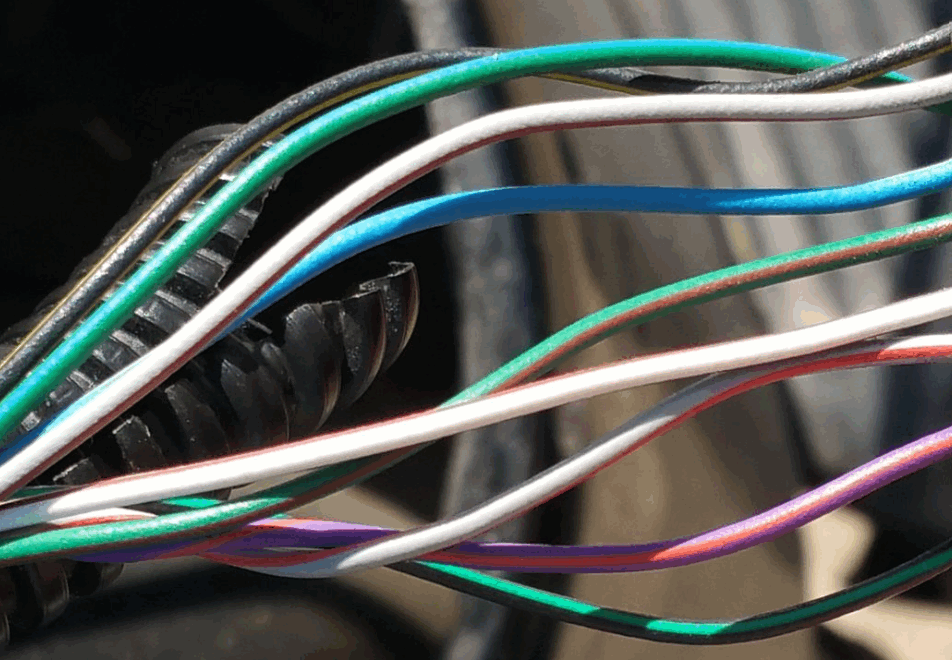
What Is the Ford Tail Light Wiring Color Code?
The Ford tail light wiring color code is a system that identifies each wire in a vehicle’s rear lighting circuit. Each wire color represents a specific function. These functions include brake lights, tail lights, turn signals, reverse lights, and ground connections.
Ford uses wire colors to make electrical diagnosis faster and more accurate. Technicians can locate the correct circuit without tracing every wire from the beginning. This system reduces repair time and helps prevent incorrect connections during installation.
However, Ford does not use the same wire colors for every vehicle. The wiring pattern depends on the model, production year, trim level, and factory options. For example, a Ford F-150 and a Ford Escape can have different tail light wire colors even when they are produced in the same year. Vehicles with LED tail lights or factory towing packages may also use additional circuits.
Wire color is an important reference, but it is not the only identification method. A vehicle owner should confirm the wire function with an OEM wiring diagram or electrical testing tool. A digital multimeter can verify voltage signals and ground connections before any repair is completed.
Understanding the Ford tail light wiring color code helps prevent common electrical problems. Incorrect wiring can cause failed brake lights, damaged fuses, malfunctioning turn signals, or communication errors with the Body Control Module. Correct identification ensures that the tail light system works safely after repair or replacement.
What Does Each Ford Tail Light Wire Color Mean?
Each Ford tail light wire color represents a specific electrical function in the rear lighting system. The exact color can change between models and years, but the purpose of each circuit remains consistent. Identifying the wire function is more important than memorizing a single color because Ford uses different harness designs across its vehicle lineup.
The brake light wire carries power when the brake pedal is pressed. This circuit activates the rear brake lamps and alerts drivers behind the vehicle. The tail light wire controls the low intensity rear lights that operate with the headlight or parking light system. This circuit keeps the vehicle visible during nighttime driving.
The turn signal wire controls the left or right directional indicator. Ford vehicles usually separate the left and right signal circuits to allow independent flashing. The reverse light wire activates the backup lamps when the transmission is placed in reverse. This circuit receives a signal from the transmission range sensor or body control system.
The ground wire completes the electrical circuit by providing a return path to the vehicle chassis. A poor ground connection is one of the most common causes of dim lights, flickering lamps, or complete tail light failure. The license plate light wire supplies power to the lamp that illuminates the rear registration plate.
Although these wire functions are consistent, the actual colors depend on the Ford model and production year. For example, a black wire often represents ground in many Ford vehicles, but technicians should confirm the connection with a wiring diagram before making repairs. Proper identification prevents wiring mistakes and protects electrical components such as fuses and the Body Control Module.
Ford Tail Light Wiring Color Code Chart by Model and Year
Ford tail light wiring color codes change between vehicle models and production years. A wiring chart must match the exact Ford model, year, trim level, and lighting system. A color code from a 2015 Ford F-150 may not match a 2015 Ford Escape because each vehicle uses a different rear lighting harness and electrical architecture.
The Ford F-150 is one of the most searched models for tail light wiring information. Its wiring configuration changes across generations, including the F-150 models from the 1990s, the 2004 to 2014 generation, and the 2015 and newer aluminum body generation. Features such as LED tail lamps, factory trailer packages, and advanced Body Control Module systems can change the wiring layout.
The Ford Ranger also has different tail light wiring patterns depending on the market and production year. Older Ranger models use simpler lighting circuits, while newer Ranger models include more advanced electronic control systems. This difference affects wire routing, connector design, and circuit identification.
Ford Super Duty trucks, including the F-250 and F-350, often include additional rear lighting circuits because of towing and commercial applications. These models may have separate wiring for trailer functions, auxiliary lighting, and heavy duty electrical systems.
Ford Escape, Explorer, Focus, Expedition, and Transit models also use model specific wiring harnesses. Their tail light connectors can differ because of body design, lighting technology, and factory options. LED systems often require different control methods compared with traditional halogen bulbs.
The most accurate Ford tail light wiring color code chart always starts with the vehicle identification number, wiring diagram, and connector information. Model and year data provide a useful reference, but electrical testing confirms the actual function of each wire. This approach prevents incorrect connections and ensures reliable tail light repairs.
Why Does Ford Use Different Wire Colors Across Models and Years?
Ford uses different tail light wire colors because each vehicle platform has its own electrical design. The wiring system depends on the vehicle architecture, production year, available features, and lighting technology. A single color standard cannot support every Ford model because each vehicle requires different circuits and connectors.
Production changes are one of the main reasons wire colors vary. Ford updates wiring harnesses when a new generation or major revision is introduced. These updates can change connector layouts, wire locations, and circuit identification. For example, a Ford F-150 from 2014 and a Ford F-150 from 2015 use different vehicle platforms. Their tail light wiring systems are not identical.
Trim levels also affect tail light wiring configurations. A basic model may use traditional halogen bulbs with simple circuits. Higher trim models may include LED tail lights, blind spot monitoring, or advanced lighting controls. These features require additional wiring and different electrical management systems.
Factory options can also change the rear lighting harness. Vehicles with a tow package often include extra circuits for trailer connections. Commercial models may use additional lighting functions for work applications. These differences create variations in wire colors and connector designs.
The Body Control Module (BCM) is another important factor in modern Ford vehicles. Older vehicles often use direct electrical connections between switches and lights. Newer Ford models use electronic control systems that manage lighting signals through the BCM. This technology changes how tail light circuits are powered and monitored.
Because of these differences, Ford tail light wire colors should always be verified before repair work begins. The most reliable method combines the vehicle model information, OEM wiring diagrams, connector locations, and electrical testing. This process ensures accurate identification across all Ford models and production years.
How Can You Identify Ford Tail Light Wires Correctly?
You can identify Ford tail light wires correctly by combining the vehicle information, wiring diagram, connector inspection, and electrical testing. Wire color alone is not always enough because Ford changes wiring configurations between models and years. A correct identification process confirms both the wire color and its electrical function.
The first step is checking the vehicle details. The model, production year, trim level, and lighting system determine the correct wiring information. A Ford F-150 with LED tail lights may use a different harness than an older model with halogen bulbs. The vehicle identification number can help locate the correct factory wiring information.
The second step is using an OEM wiring diagram. A wiring diagram shows the purpose of each wire, connector location, and circuit path. It identifies important connections such as the brake light circuit, turn signal circuit, reverse light circuit, and ground connection. This information provides a reliable reference before any repair begins.
Electrical testing confirms the actual function of each wire. A digital multimeter can measure voltage changes when the brake pedal, headlights, or turn signals are activated. A test light can also help locate active circuits during diagnosis. These tools are especially useful when previous repairs have changed the original wiring colors.
Connector inspection is another important step. Ford tail light connectors contain specific pin positions that match individual circuits. Checking the connector prevents mistakes caused by similar wire colors or aftermarket modifications.
A correct identification process protects the vehicle’s electrical system. It prevents problems such as short circuits, damaged fuses, incorrect bulb operation, and Body Control Module faults. Following a systematic method makes Ford tail light wiring repairs safer and more accurate.
How Do Ford Tail Light Wiring Diagrams Help During Repairs?
Ford tail light wiring diagrams help during repairs by showing how each electrical component connects inside the rear lighting system. A wiring diagram provides the information needed to locate wires, identify connectors, and understand how power moves through the circuit. It is one of the most important resources for accurate electrical diagnosis.
A Ford wiring diagram shows several key details. It identifies wire colors, connector numbers, circuit paths, and component locations. These details help technicians locate the brake light circuit, turn signal circuit, reverse light circuit, and ground connections without guessing. The diagram also shows how the tail light assembly connects with other vehicle systems.
Modern Ford vehicles often use the Body Control Module to manage lighting functions. The wiring diagram explains the connection between the tail lights and the BCM. This information helps diagnose problems when the bulb is working correctly but the control signal is missing. It also helps identify communication issues caused by damaged wiring or faulty connectors.
Fuse locations are another important part of the wiring diagram. A failed tail light circuit may result from a blown fuse rather than a damaged lamp. The diagram shows which fuse protects each lighting function and where the power supply enters the circuit.
Ground points are also included in professional wiring diagrams. A weak or damaged ground can create problems such as dim lights, flickering lamps, or intermittent failures. The diagram helps locate the correct grounding point for testing.
Using a Ford tail light wiring diagram improves repair accuracy. It reduces unnecessary part replacement and prevents incorrect wire connections. When combined with electrical testing, the diagram provides a complete view of the vehicle’s lighting system and supports safer repairs.
How Do You Install or Replace Ford Tail Light Wiring Safely?
You can install or replace Ford tail light wiring safely by following the correct repair process and verifying every connection before restoring power. A proper installation protects the lighting system and prevents electrical problems caused by incorrect wiring, poor connections, or exposed wires.
The first step is disconnecting the vehicle battery. Removing the negative battery terminal prevents accidental short circuits during the repair. This step is especially important on newer Ford vehicles because the Body Control Module controls many lighting functions.
The next step is inspecting the existing tail light harness. Check the connector, wire condition, and damaged areas before removing any components. Corrosion, broken insulation, and loose terminals are common causes of tail light problems. Identifying the original issue prevents unnecessary replacement of working parts.
When connecting new wires, each circuit must match the correct function. The brake light wire, turn signal wire, reverse light wire, and ground wire must connect to the correct terminals. Using the OEM wiring diagram ensures that each connection matches the factory electrical design.
A quality repair requires proper wire protection. Weatherproof connectors, heat shrink tubing, and automotive grade wiring materials help prevent moisture damage. Exposed connections can create corrosion and electrical resistance over time. These problems can lead to flickering lights or complete circuit failure.
After completing the repair, test every lighting function. Check the brake lights, parking lights, turn signals, and reverse lights before driving the vehicle. Confirm that all signals work correctly and that no warning lights appear on the dashboard.
A careful installation process improves reliability and extends the lifespan of the Ford tail light system. Correct wiring practices also protect important electrical components such as fuses, connectors, and the Body Control Module.
What Problems Can Incorrect Tail Light Wiring Cause?
Incorrect Ford tail light wiring can cause electrical failures, lighting problems, and damage to vehicle components. A wrong connection can prevent the rear lighting system from working correctly. It can also create safety risks because brake lights, turn signals, and reverse lights may fail when they are needed.
One common problem is a blown fuse. A wiring mistake can create excessive electrical current and overload the protection circuit. When this happens, the fuse disconnects the power supply to prevent further damage. Replacing the fuse without fixing the wiring issue usually causes the problem to return.
Incorrect wiring can also cause tail lights to operate incorrectly. A brake light wire connected to the wrong circuit may create constant illumination or prevent the brake lamp from activating. A reversed turn signal connection can cause the wrong side of the vehicle to flash. These issues reduce visibility and increase the risk of accidents.
A damaged ground connection creates another common problem. The ground wire completes the electrical circuit between the light assembly and the vehicle chassis. A weak ground can cause dim lights, flickering bulbs, or intermittent operation. Voltage drops caused by poor connections can make the lighting system unreliable.
Modern Ford vehicles can experience additional problems because of the Body Control Module. Incorrect wiring can send abnormal signals to the BCM. This may trigger warning messages, lighting errors, or communication faults between vehicle systems.
Short circuits are among the most serious wiring problems. A short circuit occurs when electrical power reaches an unintended path. This condition can damage wiring harnesses, connectors, and electronic components.
Correct wire identification prevents these problems. Using the proper Ford tail light wiring color code, OEM diagrams, and electrical testing methods ensures that each circuit connects safely and functions as designed.
What Tools Are Needed to Test Ford Tail Light Wiring?
Testing Ford tail light wiring requires several electrical tools that help identify power supply, ground connections, and circuit problems. The correct tools make diagnosis faster and reduce the risk of incorrect repairs. A visual inspection alone cannot always identify hidden wiring failures.
A digital multimeter is the most important tool for testing Ford tail light circuits. It measures voltage, resistance, and continuity between electrical points. Voltage testing shows whether power reaches the tail light connector. Continuity testing confirms whether a wire has a complete electrical path without internal damage.
A test light is another useful tool for basic electrical diagnosis. It quickly shows whether a circuit receives power when a lighting function is activated. For example, a test light can confirm whether the brake light circuit receives a signal when the brake pedal is pressed. It is simple to use and works well for many basic repairs.
A Ford wiring diagram is also necessary for accurate testing. The diagram identifies wire colors, connector pins, fuse locations, and circuit paths. It prevents incorrect testing because each wire can be checked according to its intended function.
Wire repair tools are important when damaged wiring needs restoration. Wire strippers remove insulation without damaging the conductor. Crimping tools create secure connections with repair terminals. Heat shrink tubing protects repaired areas from moisture and corrosion.
A connector inspection tool can also help diagnose problems inside the tail light harness. Loose terminals, corrosion, and damaged pins can interrupt electrical signals even when the wires appear normal.
Using the correct testing tools improves repair accuracy. A digital multimeter, test light, wiring diagram, and proper repair equipment provide a complete approach to diagnosing Ford tail light wiring problems. These tools help confirm the problem before replacing parts or modifying the electrical system.
What Are the Most Common Questions About Ford Tail Light Wiring Color Codes?
The most common questions about Ford tail light wiring color codes focus on wire identification, model differences, and repair methods. Vehicle owners often search for exact wire colors because they want to replace tail lights, install aftermarket lamps, or troubleshoot electrical problems. However, Ford wiring information depends on the specific vehicle configuration.
Are Ford Tail Light Wire Colors Standard Across All Vehicles?
Ford tail light wire colors are not identical across all vehicles. The color assignment can change based on the model, year, trim level, and electrical system design. A wire color used on a Ford Ranger may have a different function on a Ford Explorer. The safest approach is checking the correct wiring diagram for the specific vehicle.
Can Ford Tail Light Wire Colors Change Between Model Years?
Ford tail light wire colors can change between model years. Manufacturers update wiring harnesses when they introduce new generations, new lighting systems, or electronic control features. Even vehicles with the same model name can have different connectors and wire layouts across different production periods.
Is the Black Wire Always the Ground Wire on Ford Vehicles?
The black wire often functions as a ground wire in many Ford vehicles, but it should not be assumed without verification. Electrical systems can vary between models and production years. Testing the wire with a multimeter confirms whether it provides the correct ground connection.
Can Aftermarket Tail Lights Use Different Wire Colors?
Aftermarket tail lights can use different wire colors from the original Ford harness. Manufacturers may create their own color systems for replacement lamps or LED assemblies. Matching the circuit function is more important than matching the wire color. The brake, turn signal, running light, reverse light, and ground connections must align correctly.
Where Can You Find the Correct Ford Tail Light Wiring Diagram?
The correct Ford tail light wiring diagram can be found through OEM service information, vehicle repair databases, and manufacturer technical resources. The diagram should match the exact model year and equipment package. Using an incorrect diagram can lead to wrong connections and electrical faults.
Understanding these common questions helps vehicle owners approach Ford tail light wiring repairs with better accuracy. The correct combination of wiring information, electrical testing, and careful installation prevents most lighting system problems.
Conclusion
The Ford tail light wiring color code provides a reliable reference for identifying rear lighting circuits, but accurate repair requires more than matching wire colors. Ford changes wiring configurations across different models, production years, trim levels, and factory options. Because of these variations, the correct identification method combines wire colors, OEM wiring diagrams, connector information, and electrical testing.
Understanding the function of each circuit helps prevent common problems such as failed brake lights, incorrect turn signals, blown fuses, and damaged electrical components. Tools such as digital multimeters and test lights make it easier to confirm power, ground connections, and circuit operation before completing a repair.
Ford vehicles with advanced lighting systems, LED tail lamps, and Body Control Modules require extra attention during diagnosis. A small wiring mistake can affect multiple vehicle systems and create unnecessary repair costs.
Before replacing or modifying any tail light wiring, always verify the exact vehicle model and year. The correct wiring information ensures a safer installation and a more reliable lighting system. By following a structured identification process, vehicle owners and technicians can complete Ford tail light wiring repairs with greater accuracy and confidence.